


The jury found that the actions of Live Nation and Ticketmaster not only stifled competition but also led to inflated ticket prices and limited options for consumers. This ruling is significant as it could pave the way for further legal scrutiny and potential regulatory changes aimed at promoting fair competition in the ticketing sector.
Key players in the music and entertainment industries have expressed their support for the verdict, emphasizing the need for a more equitable marketplace. The case has drawn attention to the broader implications of monopolistic behavior, particularly in industries where consumer choice is essential for innovation and affordability.
As the legal ramifications of this verdict unfold, stakeholders are closely monitoring how it may influence future ticketing practices and the overall landscape of live entertainment. The outcome could serve as a catalyst for change, prompting other companies to reassess their business strategies in light of increased regulatory scrutiny.
Understanding the background of the ticketing industry
The ticketing industry has undergone significant changes over the past few decades, evolving from a fragmented market with numerous independent sellers to a landscape dominated by a few key players. This consolidation has raised concerns about monopolistic practices, particularly regarding Live Nation and Ticketmaster, which have become synonymous with live event ticketing. The merger of these two companies in 2010 sparked a debate about competition and consumer rights, setting the stage for ongoing legal scrutiny.
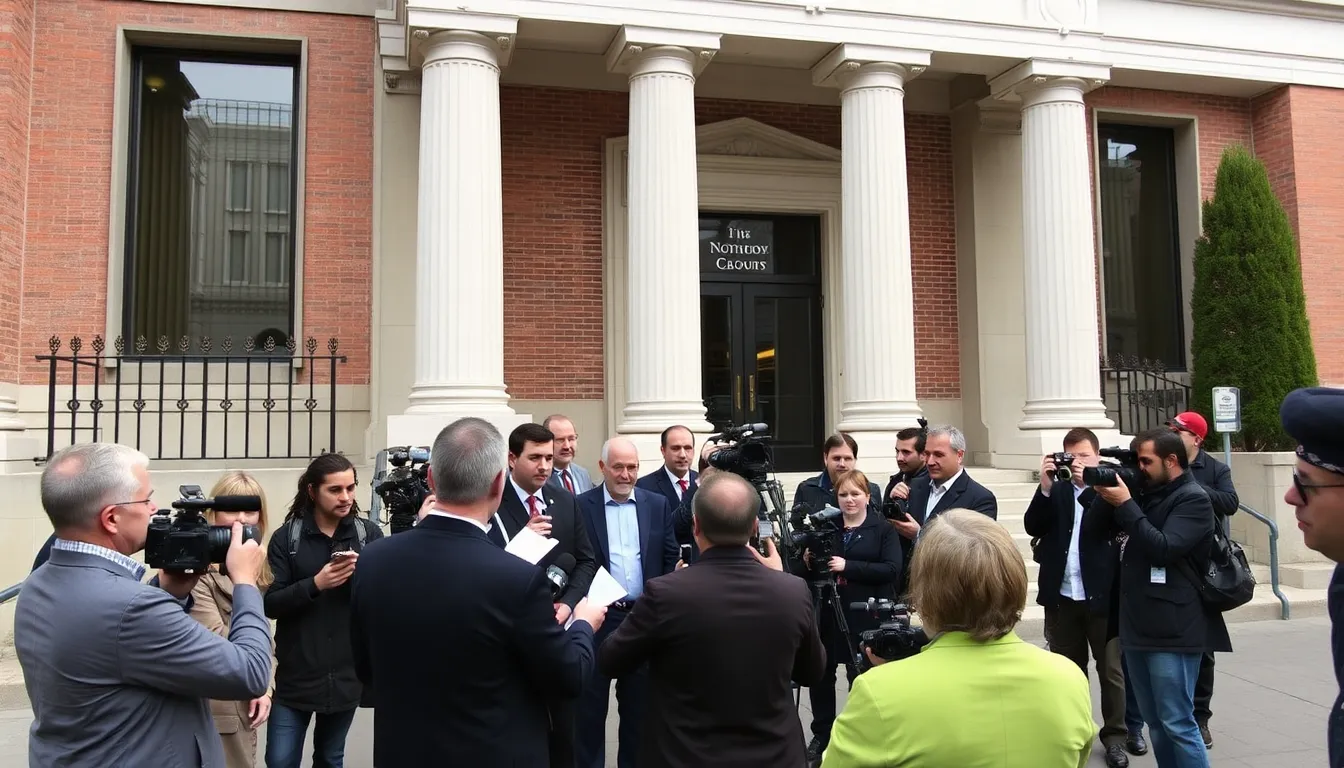
Historically, ticket sales were managed by local venues and independent ticketing companies, allowing for a diverse range of options for consumers. However, the rise of the internet and digital sales platforms led to a shift in how tickets were sold and distributed. As online ticketing gained popularity, larger companies began acquiring smaller firms, leading to a concentration of power within the industry. This trend culminated in Live Nation’s acquisition of Ticketmaster, which allowed the combined entity to control a significant portion of the market.
Key milestones in ticketing industry consolidation
Several key milestones have marked the consolidation of the ticketing industry. In 1999, Ticketmaster went public, which enabled it to expand aggressively and acquire smaller competitors. The 2010 merger with Live Nation was a pivotal moment, prompting scrutiny from regulatory bodies such as the Department of Justice. Despite concerns about reduced competition and increased fees for consumers, the merger was approved with conditions aimed at fostering competition.
In the years following the merger, various lawsuits and investigations emerged, highlighting allegations of anti-competitive behavior, such as exclusive contracts with venues that restricted the ability of other ticket sellers to compete. These legal challenges have brought attention to the practices of Live Nation and Ticketmaster, culminating in a recent jury finding that the companies illegally monopolized the ticketing market.
As public sentiment shifts and calls for reform grow louder, the future of the ticketing industry remains uncertain. This case could serve as a catalyst for change, prompting regulators to reevaluate the current state of competition and consumer protections within the market, ultimately shaping the landscape for live events in the years to come.
Key stakeholders and issues in the case
The recent jury ruling against Live Nation and Ticketmaster for allegedly monopolizing the ticketing market has brought several key stakeholders into focus. These include the companies themselves, consumers, artists, and regulatory bodies. Each of these stakeholders has distinct interests that shape their involvement in the ticketing landscape.
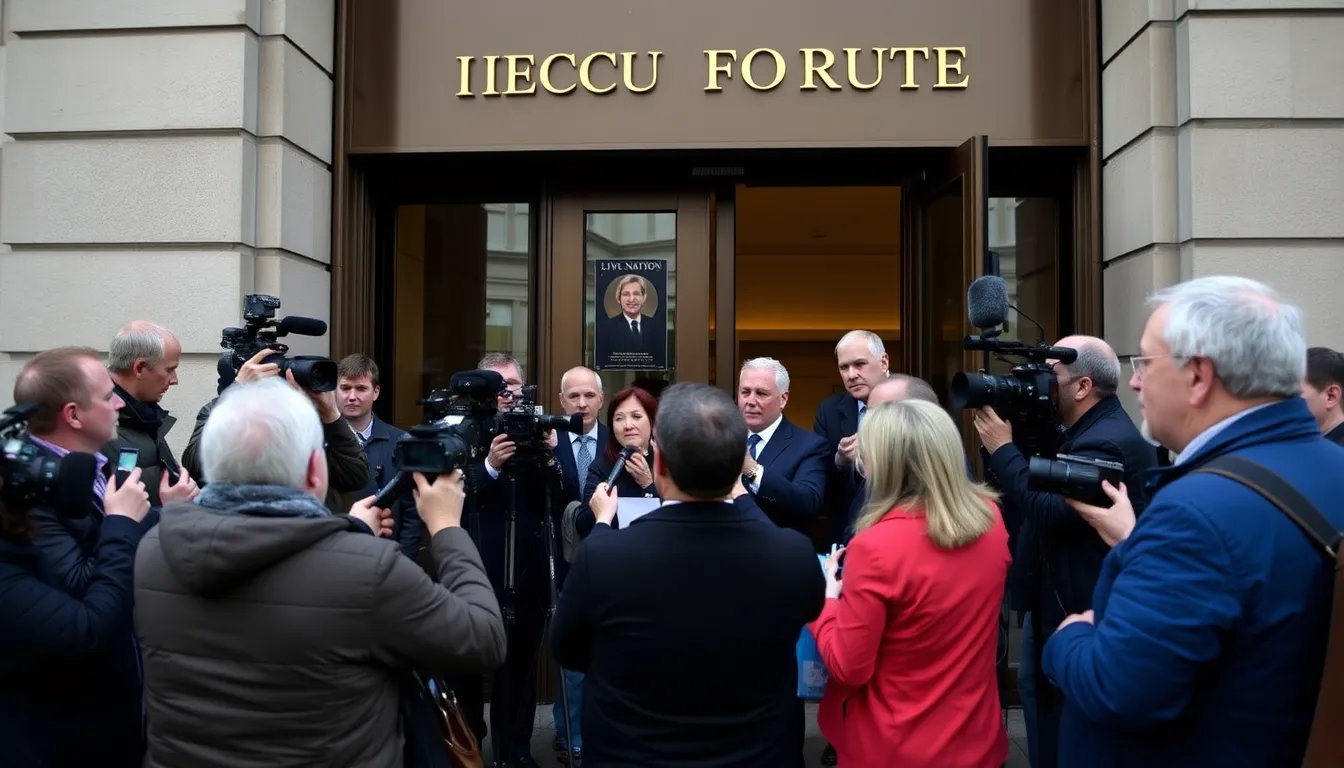
Live Nation and Ticketmaster, as the primary defendants, have a vested interest in maintaining their market dominance. Their business model relies heavily on controlling ticket distribution and maximizing profits from service fees. Conversely, consumers, including concertgoers and sports fans, seek fair access to tickets at reasonable prices, free from excessive fees and unfair practices. This divergence in interests sets the stage for conflict.
Artists and performers also play a crucial role in this scenario. They depend on ticket sales for revenue and exposure, and their relationship with ticketing companies can significantly impact their earnings. Many artists are advocating for more equitable ticketing practices, which often places them at odds with the established practices of Live Nation and Ticketmaster.
- Regulatory bodies: Government agencies, such as the Federal Trade Commission (FTC), are tasked with overseeing fair competition and consumer protection, making their involvement critical in assessing the legality of the companies’ practices.
- Consumer advocacy groups: These organizations work to represent the interests of ticket buyers, pushing for reforms that would ensure transparency and fairness in ticket pricing and availability.
- Secondary ticketing platforms: Competing ticket resale sites may benefit from a ruling against Live Nation and Ticketmaster, as it could open up the market for more competition.
Key legal issues surrounding this case include antitrust laws and the interpretation of what constitutes monopolistic behavior. The jury’s findings may set a precedent for how ticketing companies operate in the future, potentially leading to significant changes in industry practices, similar to the shifts seen in the entertainment sector.
Effects on consumers and the ticketing market
The recent jury finding that Live Nation and Ticketmaster illegally monopolized the ticketing market has far-reaching implications for various stakeholders. Consumers, artists, event organizers, and even local economies are poised to feel the impact of this decision. The ruling could lead to increased scrutiny of ticketing practices, which may ultimately benefit ticket buyers and smaller venues.
In the short term, consumers may experience a shift in ticket pricing and availability. With potential changes in the market structure, ticket prices could stabilize or even decrease as competition increases. However, there is also a risk that some ticketing platforms may struggle to adapt, leading to temporary disruptions in ticket sales and event access.
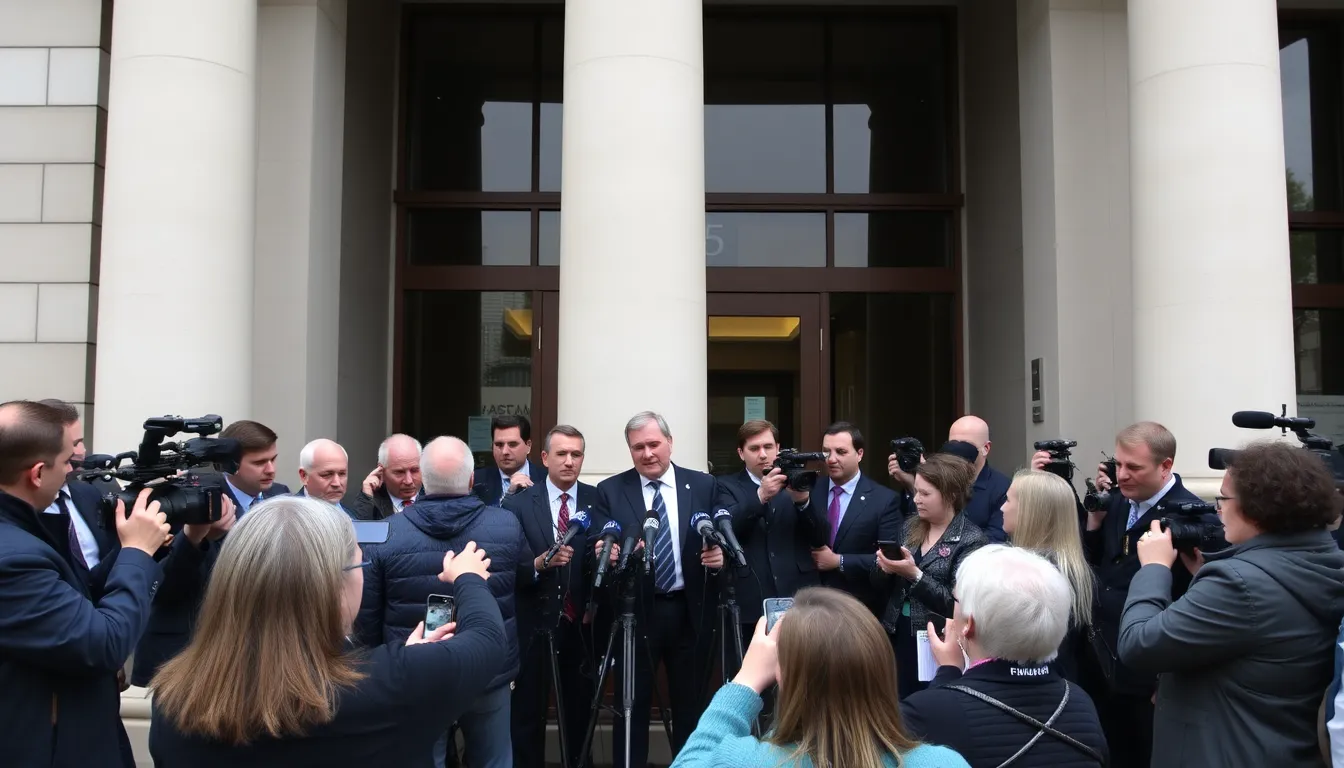
Mid-term impacts may include changes in policy and regulation surrounding the ticketing industry. Lawmakers may be prompted to introduce stricter regulations to ensure fair competition and transparency in ticket sales. This could lead to a more equitable marketplace where consumers have greater choices and access to events.
- Increased competition may lead to lower ticket prices.
- Smaller ticketing companies could gain market share.
- Potential for new regulations to enhance consumer protections.
- Artists and venues may negotiate better terms with ticketing platforms.
- Local economies could benefit from increased event accessibility.
Despite the challenges, there are opportunities for innovation within the ticketing space. New entrants may emerge, offering alternative solutions and enhancing the overall consumer experience. Additionally, artists and event organizers may find new ways to connect with their audiences, fostering a more vibrant and diverse entertainment landscape.
A: The jury found that Live Nation and Ticketmaster illegally monopolized the ticketing market, which could lead to significant changes in how ticket sales are managed. A: This ruling may lead to increased competition in the ticketing market, potentially resulting in lower prices and more options for consumers. A: Live Nation and Ticketmaster could face fines, changes in their business practices, or even structural changes to their operations as a result of the ruling. A: Yes, this ruling could set a precedent that affects other companies in the ticketing industry, encouraging more competition and possibly leading to regulatory changes.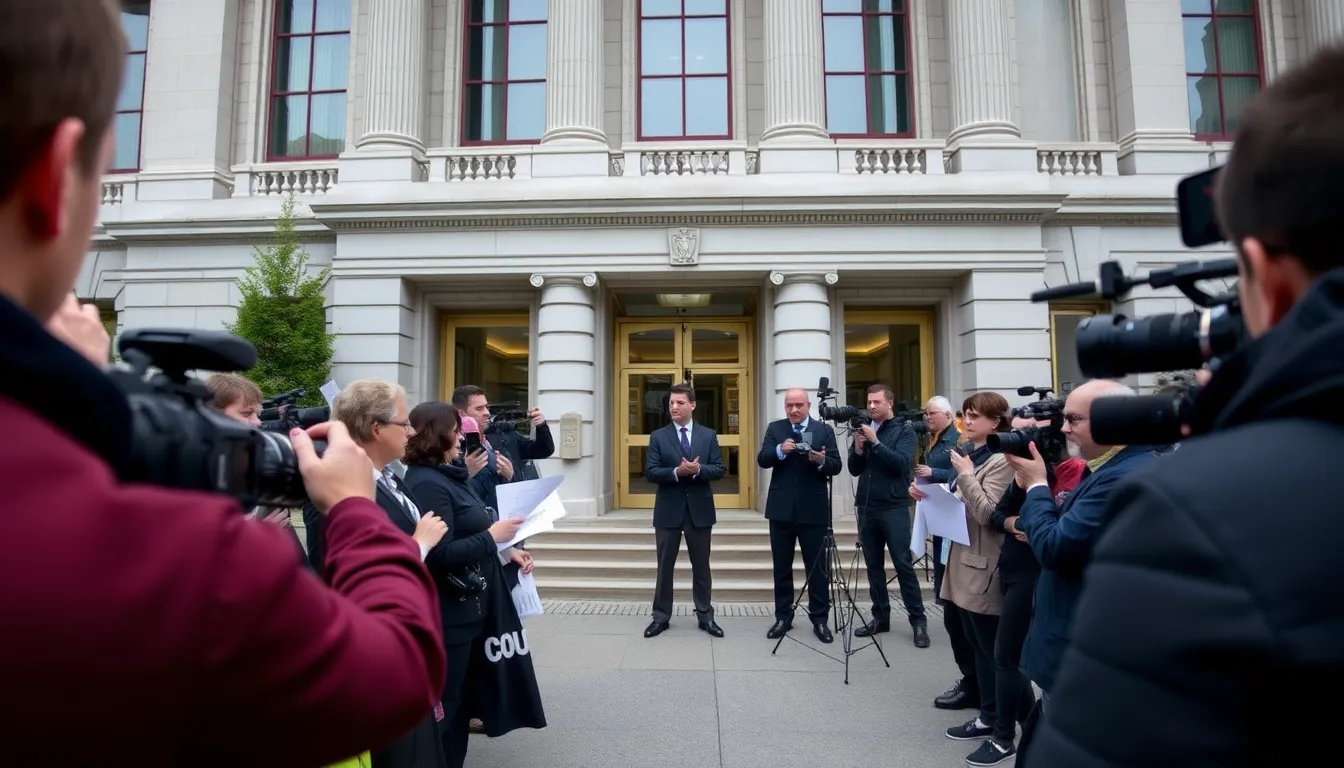
Frequently asked questions about the ruling
Key takeaways and future implications
The recent jury ruling against Live Nation and Ticketmaster for monopolistic practices in the ticketing market signals a pivotal moment for both the entertainment industry and consumers. As the legal landscape evolves, stakeholders must consider how this decision may reshape industry dynamics, influence regulatory scrutiny, and alter consumer experiences in ticket purchasing.
Moving forward, it will be essential to monitor the potential for increased competition in the ticketing space. This ruling may encourage new entrants to challenge the status quo, leading to innovative solutions and improved services for consumers. Additionally, the implications for regulatory frameworks could result in stricter oversight of ticketing practices, further impacting how major players operate.
- Increased competition: The ruling may pave the way for new ticketing platforms to emerge, providing consumers with more choices.
- Regulatory changes: Expect heightened scrutiny from regulators, which could lead to new laws aimed at promoting fair competition in the ticketing market.
- Consumer empowerment: Enhanced transparency and fairness in ticket pricing and availability could improve the overall consumer experience.
- Industry response: Major players may need to adapt their business models to comply with potential legal and regulatory changes.