


According to NHS England Chief Executive Amanda Pritchard, hospitals have implemented contingency plans that include the postponement of non-urgent procedures and the redeployment of staff to critical areas. These measures have allowed hospitals to continue providing care for the most vulnerable patients while minimizing disruption to services. For more insights into how public services manage challenges, see our article on British Steel’s nationalisation calls.
As of now, over 80% of scheduled appointments and treatments have been completed, demonstrating a level of resilience within the NHS. The ability of hospitals to adapt quickly to the strike conditions highlights the commitment of healthcare workers and the effectiveness of pre-strike planning.
Despite the challenges posed by the strike, NHS officials remain optimistic about their capacity to handle the situation. They emphasize the importance of ongoing communication with patients and staff to ensure that care remains a top priority during this challenging time.
Understanding the background of the doctors strike
The ongoing doctors’ strike in the UK is rooted in a complex interplay of historical grievances, economic pressures, and evolving healthcare demands. The National Health Service (NHS), established in 1948, was designed to provide comprehensive health care free at the point of use. However, over the decades, it has faced significant challenges, including funding cuts, staffing shortages, and increasing patient demand, which have led to escalating tensions between healthcare professionals and the government. The implications of these shifts can be compared to other sectors, as illustrated by the Artemis II mission challenges.
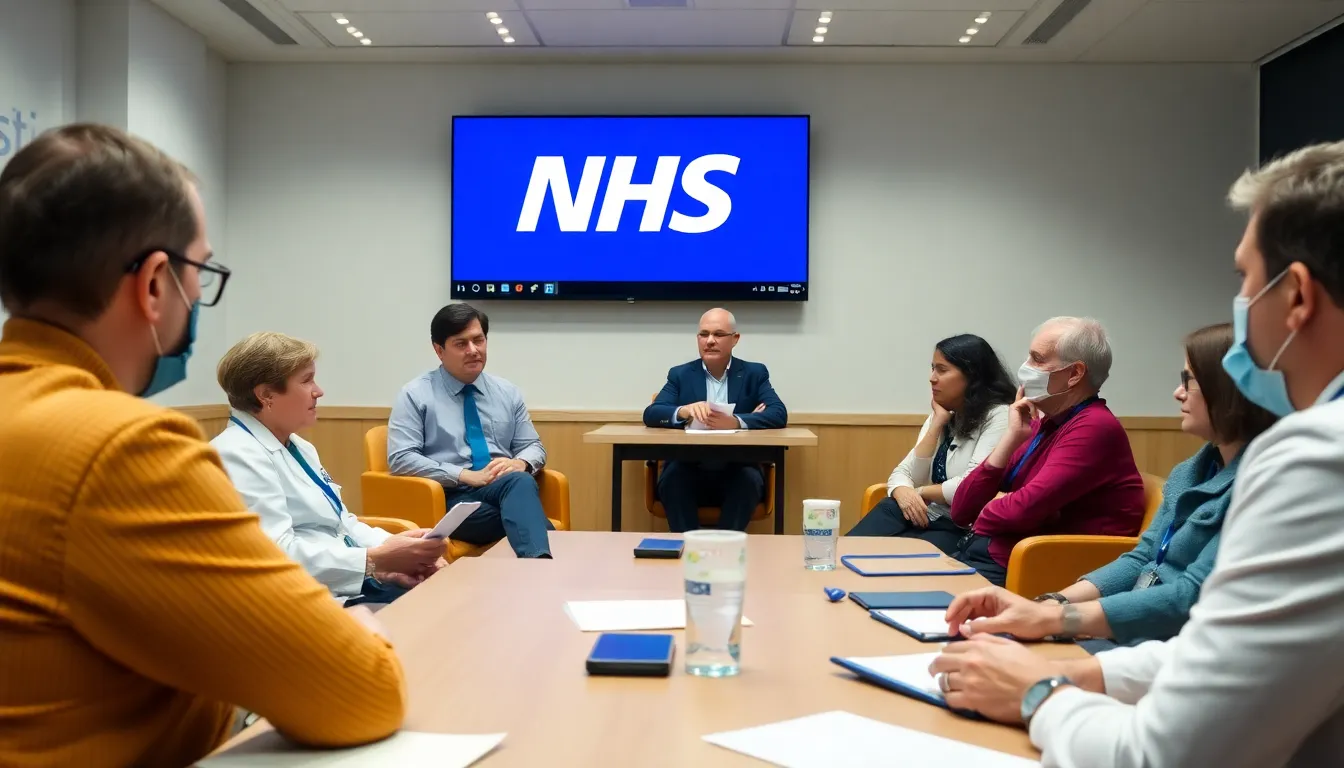
In recent years, doctors have expressed growing dissatisfaction with their working conditions and pay. The introduction of austerity measures following the 2008 financial crisis significantly impacted public sector funding, including the NHS. Many healthcare professionals argue that their salaries have not kept pace with inflation or the rising cost of living, prompting calls for fairer compensation. This discontent culminated in organized strikes, marking a pivotal moment in the relationship between doctors and the NHS, similar to the shifts seen in sports, like the Green Brigade’s return to enhance title chances.
The Impact of Previous Strikes
Historically, strikes within the NHS are not unprecedented. In the 1980s, junior doctors staged protests over working hours and pay, leading to significant reforms in their contracts. More recently, in 2016, junior doctors went on strike over a proposed contract that they believed would undermine patient safety and their working conditions. These past events have set a precedent for current actions, as they highlight the effectiveness of collective bargaining in addressing grievances within the healthcare system.
The current strike has been characterized by a sense of unity among doctors, who are advocating not only for better pay but also for improved working conditions that they argue are essential for delivering quality patient care. As the NHS boss noted, hospitals have so far managed to cope with the strike’s impact, largely due to contingency planning and the dedication of healthcare staff who continue to work amidst the unrest. However, the underlying issues remain unresolved, indicating that the dialogue between healthcare professionals and the government is far from over.
Key stakeholders and issues surrounding the strike
The ongoing doctors’ strike has brought various stakeholders into the spotlight, each with distinct interests and concerns. Key actors include healthcare professionals, hospital management, government officials, and patients. Understanding their roles and perspectives is essential to grasp the broader implications of the strike.
Healthcare professionals, particularly doctors, are advocating for better pay and working conditions, which they argue are crucial for maintaining high standards of patient care. Their demands reflect broader issues within the NHS, including staffing shortages and burnout among medical staff. On the other hand, hospital management is focused on ensuring that patient care continues with minimal disruption while navigating the financial constraints imposed by the government.
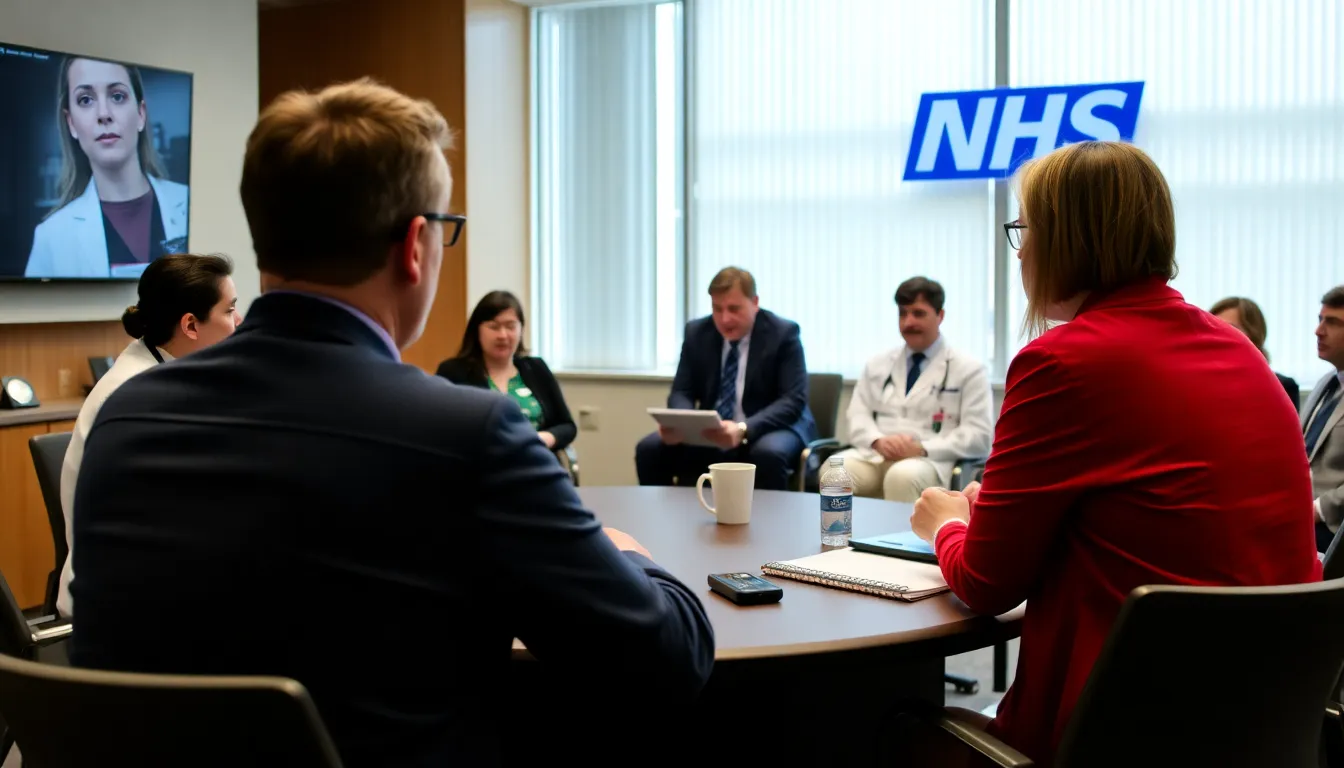
Government officials, particularly those in the health department, are tasked with balancing the needs of healthcare workers with the fiscal realities of the NHS budget. They face the challenge of addressing the doctors’ concerns without compromising the overall financial stability of the healthcare system. This creates a tension between the need for immediate action to satisfy striking doctors and the long-term sustainability of the NHS.
- Patient care: The strike raises concerns about the quality and availability of healthcare services for patients, who may face delays or cancellations of treatments.
- Financial implications: The NHS must manage its budget carefully, as increased pay for doctors could lead to cuts in other areas or increased patient fees.
- Public perception: The strike may influence public opinion regarding the NHS, impacting future funding and policy decisions.
- Legal considerations: The legality of the strike and the rights of healthcare workers to protest may come into play, affecting negotiations and outcomes.
As the situation evolves, the interactions among these stakeholders will shape the future of the NHS and its ability to provide effective healthcare services. The resolution of this strike could set important precedents for labor relations within the healthcare sector, influencing how similar conflicts are managed in the future.
Impact on patients and healthcare services during the strike
The ongoing doctors’ strike has created a ripple effect across various groups, particularly patients seeking medical care and healthcare providers. While NHS hospitals have managed to maintain essential services, the strike has still led to delays and rescheduling of non-urgent procedures, impacting thousands of patients. Vulnerable populations, including the elderly and those with chronic conditions, may face heightened risks due to limited access to routine care.
In the short term, patients may experience longer wait times for appointments and treatments, leading to increased anxiety and potential deterioration of health conditions. The disruption in services could also affect the mental well-being of patients who rely on regular check-ups and treatments. Businesses associated with the healthcare sector, such as medical supply companies and outpatient clinics, may see fluctuations in demand as hospitals prioritize emergency care over elective procedures.
Mid-term impacts could include a backlog of patients needing care once the strike concludes, placing additional strain on healthcare resources. This surge in demand may lead to overwhelmed facilities and staff, potentially compromising the quality of care. Furthermore, the ongoing situation could prompt policy discussions about healthcare funding, staffing levels, and the need for systemic reforms to prevent future disruptions.

- Risks: Increased patient wait times and potential health deterioration.
- Risks: Strain on healthcare resources post-strike.
- Opportunities: Potential for policy reforms in healthcare funding and staffing.
- Opportunities: Increased awareness of the importance of healthcare stability.
Overall, while hospitals are coping well with the current strike, the implications for patients, healthcare services, and related industries are significant and warrant close attention as the situation evolves.
A: The doctors strike is primarily due to disputes over pay and working conditions, as healthcare professionals demand better compensation and support. A: Hospitals have implemented contingency plans, including prioritizing urgent care and utilizing non-striking staff to ensure that patient care continues without significant disruption. A: Many non-urgent surgeries may be postponed, but hospitals are working to minimize the impact on critical procedures and emergency cases. A: The duration of the doctors strike is uncertain and will depend on negotiations between healthcare authorities and the striking doctors. A: Yes, hospitals are providing information and support services to help patients navigate their care options during the strike.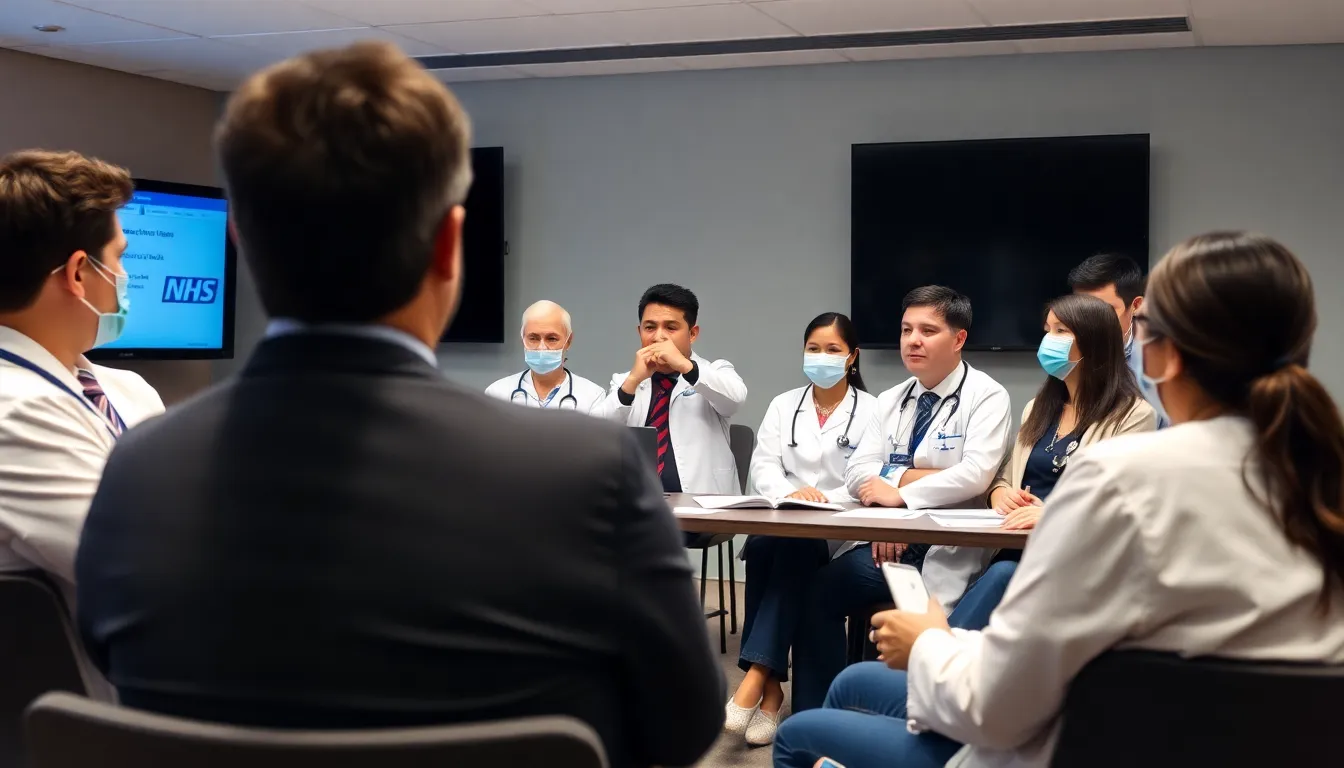
Frequently asked questions about the doctors strike
Looking ahead: insights on the future of healthcare during the strike
As the doctors’ strike continues, the resilience shown by hospitals highlights both the challenges and opportunities within the NHS framework. With careful planning and resource management, healthcare facilities have managed to maintain a level of service that reassures patients and staff alike. This situation underscores the importance of adaptability in healthcare systems, suggesting that similar strategies could be beneficial in future disruptions.
Monitoring the ongoing response to this strike will provide valuable lessons for healthcare leaders. The current scenario can serve as a case study for improving operational efficiency and workforce management in times of crisis, ensuring that patient care remains a top priority even in challenging circumstances.
- Continued collaboration among healthcare professionals is essential to mitigate the impact of the strike.
- Investing in alternative care models, such as telemedicine, could enhance patient access during disruptions.
- Data collected during this period may inform future healthcare policies and workforce strategies.
- Public communication will play a crucial role in maintaining trust and transparency with patients.
- Assessing the long-term effects of the strike on staff morale and patient outcomes will be vital for future preparedness.