


One of the most notable efforts is the Global Polio Eradication Initiative, which has successfully reduced polio cases by over 99% since its launch in 1988. As of 2023, only a few countries remain endemic to the disease, highlighting the potential for complete eradication. However, challenges such as vaccine hesitancy and geopolitical instability continue to pose significant barriers. For more on vaccination challenges, see our article on vaccine hesitancy.
Meanwhile, the fight against malaria has also gained traction, with new initiatives aimed at developing effective vaccines and treatments. The RTS,S malaria vaccine, which was pilot-tested in several African countries, has shown promising results in reducing child mortality rates. The WHO aims to expand access to this vaccine as part of a comprehensive strategy to combat the disease.
In addition to these efforts, the ongoing COVID-19 pandemic has underscored the importance of global health cooperation. The lessons learned from the pandemic response are being applied to other disease eradication campaigns, fostering a sense of urgency and collaboration among nations. As funding and resources flow into these initiatives, the prospect of eradicating another human disease appears more achievable than ever.
Understanding the history of disease eradication initiatives
The quest to eradicate human diseases has a storied history, marked by significant achievements and ongoing challenges. The most notable success story is the eradication of smallpox, declared in 1980 after a global vaccination campaign led by the World Health Organization (WHO). This monumental achievement not only demonstrated the potential for disease eradication but also set a precedent for future initiatives aimed at eliminating other infectious diseases.

Following the success of the smallpox eradication campaign, efforts were made to target other diseases, such as polio and Guinea worm disease. The Global Polio Eradication Initiative, launched in 1988, aimed to eradicate polio through widespread vaccination. While significant progress has been made, with polio cases reduced by over 99% globally, the disease remains endemic in a few countries, highlighting the complexities and political challenges involved in eradication efforts.
The Role of Political Will and Funding
Political will and funding have been critical factors influencing the success of disease eradication initiatives. The mobilization of resources and commitment from governments and international organizations have proven essential in combating diseases. For instance, the Global Fund to Fight AIDS, Tuberculosis and Malaria has played a vital role in addressing these diseases by providing financial support and fostering collaborations among nations.
Social factors also play a significant role in the public’s acceptance of vaccination and eradication campaigns. Misinformation and vaccine hesitancy can hinder progress, as seen in various regions where communities remain resistant to vaccination efforts. Understanding the social dynamics and addressing concerns are crucial for ensuring the success of future eradication initiatives, as highlighted in our discussion on the importance of social factors in public health strategies.
As we look toward the possibility of eradicating a second human disease, it is essential to learn from past experiences and adapt strategies to current challenges. The ongoing fight against diseases like malaria and tuberculosis serves as a reminder of the complexities involved in public health initiatives and the need for a coordinated global approach.
Key stakeholders and challenges in disease eradication
The quest to eradicate a second human disease involves a diverse array of stakeholders, each with their own interests and motivations. Key actors include international health organizations, national governments, non-governmental organizations (NGOs), and pharmaceutical companies. The World Health Organization (WHO) plays a pivotal role by providing guidelines and support for eradication efforts, while national governments are responsible for implementing these strategies within their borders.
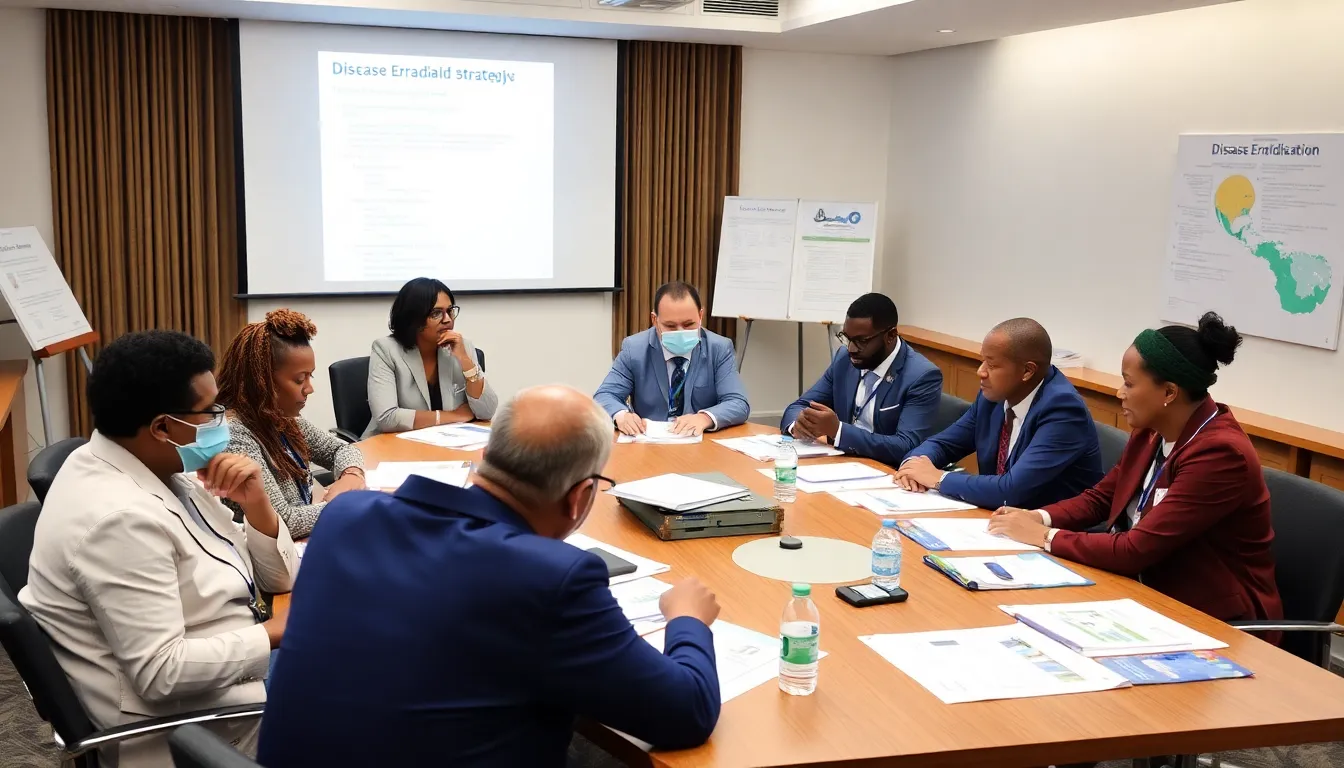
Pharmaceutical companies are also significant players, as they develop and distribute vaccines and treatments necessary for disease control. Their interests often align with profit motives, which can lead to conflicts when access to medications is limited by cost. NGOs, on the other hand, advocate for equitable access to healthcare and may challenge policies that prioritize profit over public health.
Several key issues complicate the eradication efforts, including:
- Funding and Resource Allocation: Limited financial resources can hinder comprehensive eradication programs, especially in low-income countries.
- Political Will: The commitment of national governments can fluctuate, impacting the consistency of eradication efforts.
- Public Perception: Misinformation and vaccine hesitancy can undermine public health campaigns, making it difficult to achieve widespread vaccination.
- Global Cooperation: Effective eradication requires collaboration between countries, which can be challenging due to differing priorities and capacities.
- Legal and Ethical Concerns: Issues such as intellectual property rights and access to medicines can create tensions among stakeholders.
As these stakeholders navigate the complex landscape of disease eradication, the interplay of their interests often leads to trade-offs. For instance, while a pharmaceutical company may seek to maximize profits, an NGO might push for lower prices to ensure access for vulnerable populations. Balancing these competing interests is crucial for moving forward in the fight against diseases that can be eradicated.
The potential impact on global health and economies
The quest to eradicate a second human disease holds significant implications for various groups, industries, and regions across the globe. Public health organizations, governments, and pharmaceutical companies are at the forefront of this initiative, each playing a critical role in the development and distribution of vaccines and treatments. Additionally, communities that are currently affected by the disease will experience direct benefits from successful eradication efforts.
In the short term, the focus on disease eradication can lead to increased investment in healthcare infrastructure and research. This can improve access to medical services and resources in underserved regions, fostering better health outcomes. However, there are also risks involved, such as the potential for resource diversion from other pressing health issues, which could exacerbate existing challenges in healthcare delivery.

As stakeholders mobilize to combat the disease, businesses in the healthcare and biotech sectors may see a surge in demand for innovative solutions and technologies. This could create new job opportunities and stimulate economic growth. However, industries unrelated to healthcare might face challenges, particularly if funding and attention are drawn away from their sectors.
- Increased healthcare investments and infrastructure improvements
- Short-term resource allocation challenges in public health
- Job creation in biotech and healthcare industries
- Potential neglect of other health issues
In the mid-term, successful eradication could lead to a significant reduction in healthcare costs associated with the disease, freeing up resources for other health initiatives. This would not only improve overall public health but could also enhance economic productivity as healthier populations contribute more effectively to the workforce. Nevertheless, the challenge remains to ensure that the momentum generated by eradication efforts is sustained and does not lead to complacency in other areas of public health.
A: The primary focus is on diseases like polio and malaria, with ongoing discussions about others like schistosomiasis. Efforts vary based on feasibility and available resources. A: Disease eradication refers to the complete and permanent reduction to zero of the worldwide incidence of infection caused by a specific pathogen. This requires sustained efforts and global cooperation. A: Challenges include logistical issues, funding, public health infrastructure, and vaccine accessibility. Additionally, political will and international collaboration are crucial. A: Technology aids in tracking disease outbreaks, developing vaccines, and improving healthcare delivery. Innovations can enhance the efficiency of eradication programs. A: Yes, smallpox is the most notable example of successful eradication. Other diseases, like rinderpest in animals, have also been eradicated through concerted global efforts.
Frequently asked questions about disease eradication
Key insights and future directions for disease eradication efforts
The discussion surrounding the potential eradication of a second human disease highlights both the challenges and opportunities that lie ahead. With advancements in technology and a deeper understanding of disease dynamics, the global health community is better equipped than ever to tackle such ambitious goals. However, it is crucial to remain vigilant about the social, economic, and logistical factors that can influence the success of these initiatives.
As we move forward, collaboration among governments, health organizations, and communities will be essential. The lessons learned from past eradication efforts serve as a guide, emphasizing the importance of sustained commitment and innovative strategies in overcoming barriers to success.
- Increased investment in research and development will be vital for creating effective vaccines and treatments.
- Building strong public health infrastructures can enhance disease surveillance and response capabilities.
- Engaging local communities in health initiatives fosters trust and improves participation rates in eradication programs.
- Global cooperation and information sharing will be crucial in addressing diseases that cross borders.
- Monitoring and evaluation mechanisms must be established to assess the progress and adapt strategies as needed.