


The circumstances surrounding Allan’s death are still emerging, but reports indicate that he experienced difficulties during his trek in the Himalayas. Respected for his adventurous spirit and dedication to wildlife conservation, his loss is felt deeply within the filmmaking community and among environmental advocates worldwide. For more on Allan’s commitment to the natural world, read about his pioneering work in the link to his obituary.
Allan’s contributions to nature documentaries spanned over four decades, earning him multiple awards and accolades. He was instrumental in bringing attention to pressing environmental issues through his stunning visuals and storytelling. His work not only entertained but also educated audiences about the importance of preserving our planet’s biodiversity.
As news of his death spreads, tributes are pouring in from colleagues and fans alike, celebrating his legacy and the impact he had on wildlife filmmaking. This tragic event serves as a reminder of the inherent risks faced by those who venture into the wild, as well as the ongoing need to protect the environments they document.
A look back at Doug Allan’s illustrious career
Doug Allan, a renowned wildlife cameraman, gained prominence for his breathtaking cinematography in David Attenborough’s acclaimed Planet series. His work not only showcased the beauty of nature but also highlighted the pressing environmental issues facing our planet. To learn more about his impact, check out the detailed article on his contributions to wildlife filmmaking.
Throughout his career, Allan’s innovative techniques and dedication to capturing authentic wildlife behavior set a new standard in documentary filmmaking. He was instrumental in bringing the stories of polar bears, penguins, and other endangered species to a global audience, fostering a greater understanding of biodiversity and the need for conservation. His contributions earned him numerous awards, including several Emmys and a BAFTA, solidifying his legacy in the field of wildlife cinematography.
The impact of Allan’s work on conservation efforts
Allan’s films have not only entertained but also educated millions about the fragility of ecosystems. By partnering with David Attenborough, he played a crucial role in raising awareness about climate change and habitat destruction. His work has inspired countless individuals and organizations to engage in conservation efforts, emphasizing the importance of protecting the natural world for future generations. The impact of his storytelling transcends entertainment, as it has spurred real-world actions and policies aimed at preserving biodiversity.
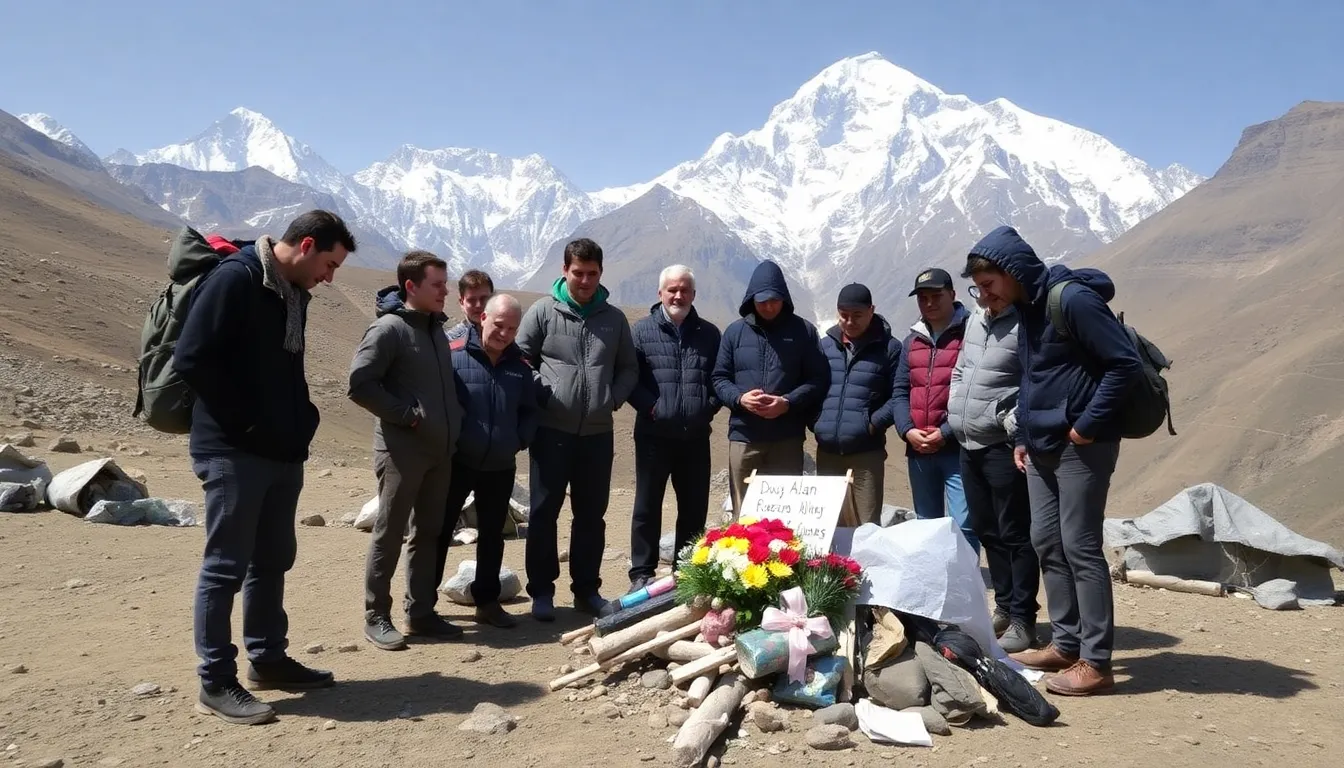
Tragically, Allan’s life was cut short while trekking in Nepal, a testament to his adventurous spirit and commitment to exploring the natural world. His passing serves as a poignant reminder of the risks faced by those who dedicate their lives to documenting the beauty and challenges of our planet. As the world mourns the loss of this visionary filmmaker, his legacy will undoubtedly continue to influence the next generation of wildlife filmmakers and conservationists.
The impact of Doug Allan’s work on wildlife filmmaking
Doug Allan was a pivotal figure in wildlife filmmaking, renowned for his breathtaking cinematography in David Attenborough’s acclaimed Planet series. His work not only captivated audiences but also raised awareness about environmental issues and the fragility of ecosystems. Allan’s unique ability to immerse himself in challenging environments allowed him to capture moments that highlighted the beauty and vulnerability of wildlife.
The key stakeholders in this narrative include wildlife filmmakers, environmental organizations, and the general public. Wildlife filmmakers, like Allan, are driven by a passion for nature and a commitment to conservation. Environmental organizations leverage the visual storytelling of filmmakers to advocate for policy changes and raise funds for conservation efforts. The public, as consumers of this content, plays a crucial role by influencing market trends and funding through viewership and donations.
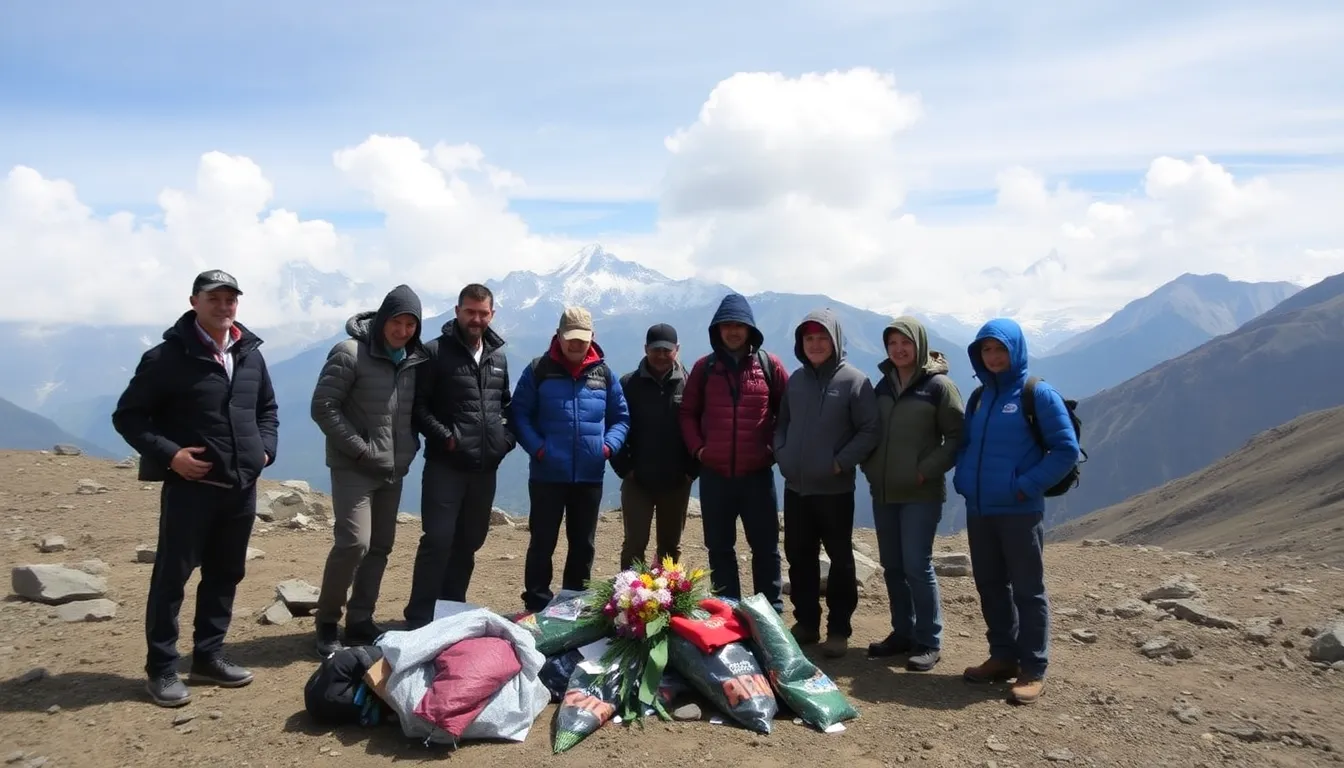
However, the death of Doug Allan while trekking in Nepal raises several conflicts and trade-offs. Firstly, the risks associated with wildlife filmmaking in remote locations can lead to tragic outcomes, prompting discussions about safety protocols and the responsibilities of production companies. Additionally, the economic implications of Allan’s passing may affect future projects, as his expertise and vision were integral to the success of many productions, as highlighted in numerous articles covering industry responses.
- Safety Regulations: The need for improved safety measures for filmmakers working in hazardous environments.
- Conservation Funding: Potential impacts on funding for conservation projects that rely on the visibility created by filmmakers.
- Public Awareness: The role of filmmakers in educating the public about environmental issues and the consequences of climate change.
- Industry Standards: The necessity for establishing industry standards that prioritize the safety and well-being of crew members.
In summary, the legacy of Doug Allan extends beyond his artistic contributions. His work has sparked important conversations about wildlife conservation, the responsibilities of filmmakers, and the potential risks involved in documenting the natural world. As the industry reflects on his impact, it also faces the challenge of ensuring that future endeavors prioritize both safety and environmental stewardship.
How Doug Allan’s death affects the wildlife documentary community
The passing of Doug Allan, a renowned cameraman known for his work on David Attenborough’s Planet series, reverberates across multiple groups and industries, particularly within the wildlife documentary community. His contributions have not only shaped the genre but have also inspired countless filmmakers and environmentalists. The loss of such a pivotal figure creates a void that may impact the future of wildlife storytelling.
In the short term, there is likely to be a period of mourning and reflection within the industry. Colleagues, aspiring filmmakers, and wildlife enthusiasts may find themselves reevaluating their own work and the legacy of Allan. This could lead to a temporary slowdown in projects as people pay tribute to his influence. Additionally, media outlets may shift their focus to celebrate his life and achievements, potentially overshadowing ongoing projects.
In the mid-term, the impact may extend to business operations and policy discussions surrounding wildlife conservation and documentary filmmaking. Allan’s work often highlighted the importance of protecting natural habitats, which could prompt renewed discussions on environmental policies. Organizations focused on wildlife conservation might see an increase in support as audiences rally behind the causes he championed.
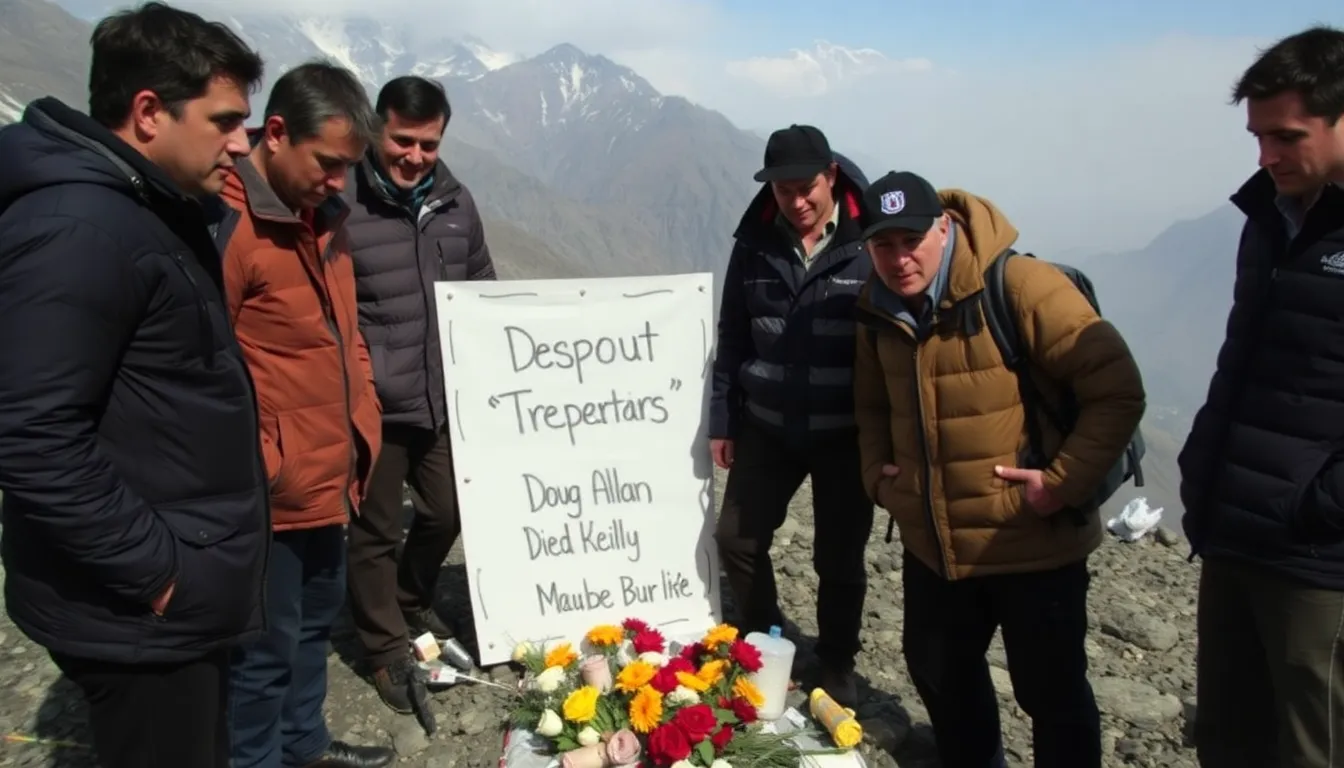
- Increased demand for wildlife documentaries: Allan’s legacy may inspire new projects, leading to a potential surge in production opportunities.
- Heightened awareness of conservation issues: His work could reignite public interest in environmental advocacy, influencing policy changes.
- Networking and collaboration: Filmmakers may seek to collaborate in honor of Allan, fostering a sense of community and shared purpose.
While the risks of losing a key figure like Allan are palpable, there are also opportunities for growth and innovation within the industry. Emerging filmmakers may feel motivated to push boundaries and explore new storytelling techniques, inspired by Allan’s adventurous spirit and dedication to wildlife. This could lead to a revitalization of the genre, bringing fresh perspectives to the screen while ensuring that Allan’s passion for nature continues to resonate with audiences worldwide.
A: Doug Allan was a celebrated wildlife cameraman known for his work on various nature documentaries, particularly those narrated by David Attenborough. A: Doug Allan tragically passed away while trekking in Nepal, although specific details surrounding his death have not been fully disclosed. A: Doug Allan’s innovative filming techniques and dedication to capturing the natural world have significantly influenced wildlife documentaries and inspired many filmmakers. A: Doug Allan worked on several notable projects, including the acclaimed ‘Blue Planet’ and ‘Planet Earth’ series, showcasing the beauty and fragility of our planet. A: It is expected that the wildlife filmmaking community will hold tributes and memorials to honor Doug Allan’s contributions and legacy.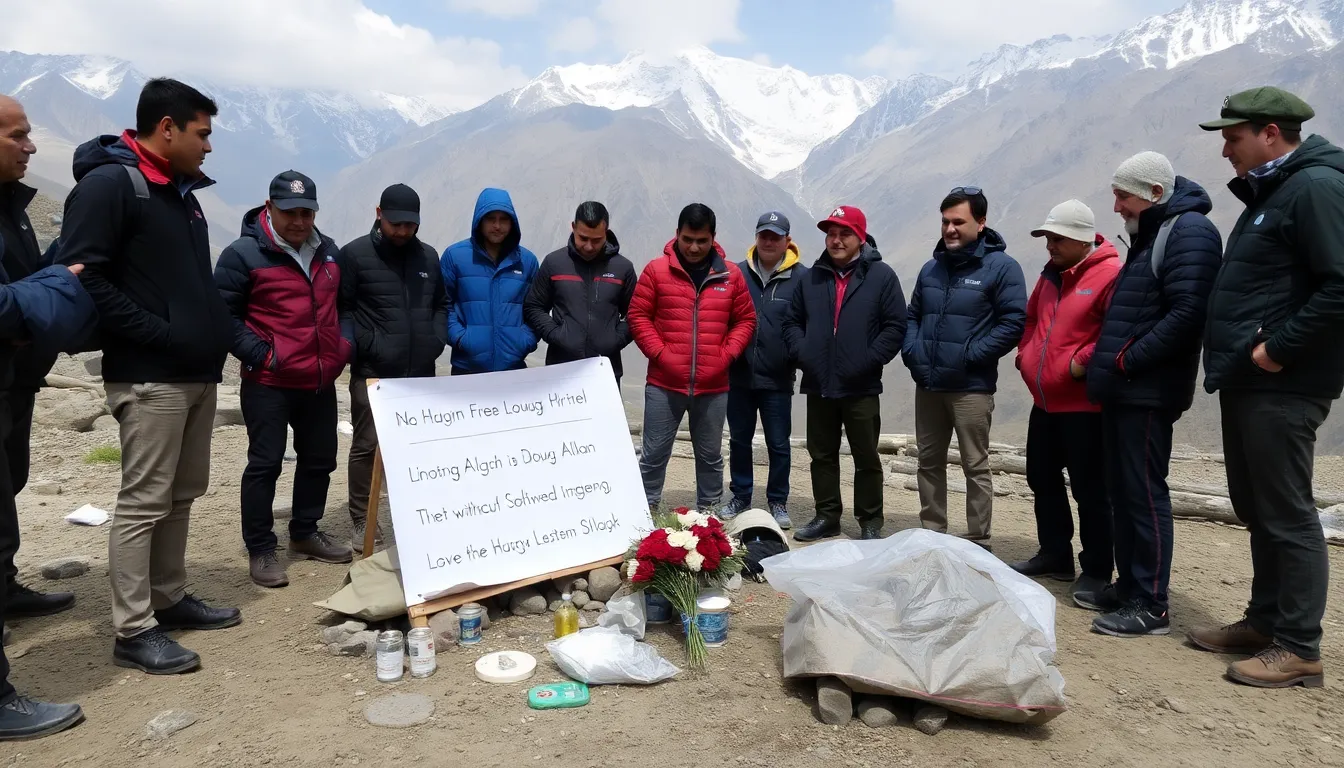
Frequently asked questions about Doug Allan
Reflecting on Doug Allan’s contributions and legacy
Doug Allan’s passing while trekking in Nepal marks a profound loss not only for his family and friends but also for the world of wildlife filmmaking. As a key figure in David Attenborough’s acclaimed Planet series, Allan’s work has inspired countless individuals to appreciate and protect the natural world. His unique ability to capture the beauty and fragility of our planet has left an indelible mark on environmental storytelling.
Moving forward, the impact of Allan’s contributions will continue to resonate within the documentary filmmaking community and among conservationists. His dedication to showcasing the wonders of nature serves as a reminder of the importance of preserving our environment and the role filmmakers play in this endeavor. As we reflect on his legacy, it is crucial to consider how his work can influence future generations of filmmakers and conservationists.
- Expect an increased focus on environmental conservation in future documentaries, inspired by Allan’s commitment to showcasing wildlife.
- Look for emerging filmmakers who may draw upon Allan’s techniques and storytelling methods to engage audiences with nature’s beauty.
- Monitor the response from the wildlife filmmaking community as they honor Allan’s legacy through tributes and new projects.
- Consider the potential for renewed interest in trekking and adventure tourism, as Allan’s passion for exploration resonates with outdoor enthusiasts.
- Reflect on the impact of Allan’s work on public awareness of climate change and biodiversity loss, potentially driving more advocacy efforts.