


This production features a blend of various dance styles, reflecting the cultural melting pot of New York City. Artists from different backgrounds collaborated to create a vibrant tapestry of narratives, each piece resonating with themes of identity, community, and resilience. The inclusion of multimedia elements further enhances the experience, inviting viewers to consider the intersection of technology and live performance.
The performance not only provides a stage for new talent but also emphasizes the importance of support within the arts ecosystem, making platforms like Gibney Dance essential for fostering artistic growth.
As audiences return to theaters, this performance serves as a reminder of the power of live art to inspire and connect. The positive reception from attendees underscores the ongoing relevance of dance as a medium for storytelling and emotional expression. With critical discussions surrounding the future of the arts, events like these are crucial for revitalizing interest and investment in the performing arts sector.
Background on Gibney Dance and its artistic mission
Gibney Dance, founded in 1991 by choreographer Gina Gibney, has established itself as a pivotal institution in the New York City dance landscape. With a mission to support artists and engage the community through dance, Gibney Dance has become a hub for creativity and innovation. The organization emphasizes the importance of dance as a vehicle for social change, providing a platform for diverse voices and fostering inclusivity within the arts.
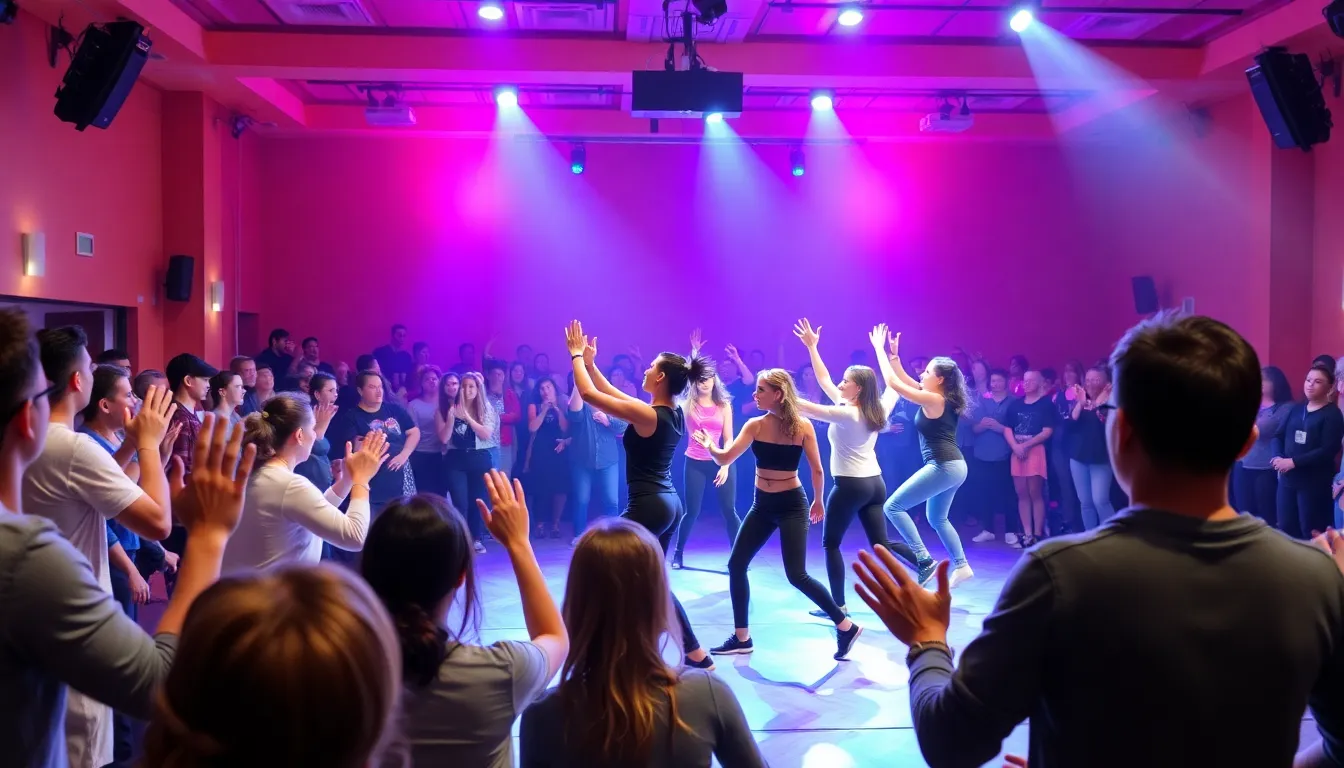
Gibney Dance responded by expanding its outreach programs and prioritizing accessibility, ensuring that dance remains a vital part of the cultural fabric of New York City.
In recent years, the organization has also taken a stand on social issues, particularly those related to gender equity and representation in the arts. By creating initiatives aimed at supporting women and marginalized artists, Gibney Dance has positioned itself as a leader in advocating for systemic change within the dance community. This commitment to activism is reflected in their programming, which often includes works that address contemporary social themes and encourage dialogue among audiences.
Key Milestones in Gibney Dance’s Evolution
These developments have not only enhanced the organization’s artistic output but have also strengthened its ties to the broader New York City community, making dance more accessible and relevant to diverse audiences.
Key themes and artistic choices in the choreography
The performance at Gibney Dance, titled ‘Reaping the Maelstrom’, brings to the forefront several key stakeholders, including the choreographers, dancers, audience members, and funding organizations. Each of these actors has distinct interests that influence the overall production and its reception.
Choreographers and dancers are primarily focused on artistic expression and innovation. Their goal is to push boundaries and explore complex themes through movement. This often leads to conflicts with traditional expectations of dance, as they seek to challenge norms and provoke thought. The artistic choices made in the performance reflect a desire to engage with contemporary social issues, which can resonate differently with diverse audience segments.
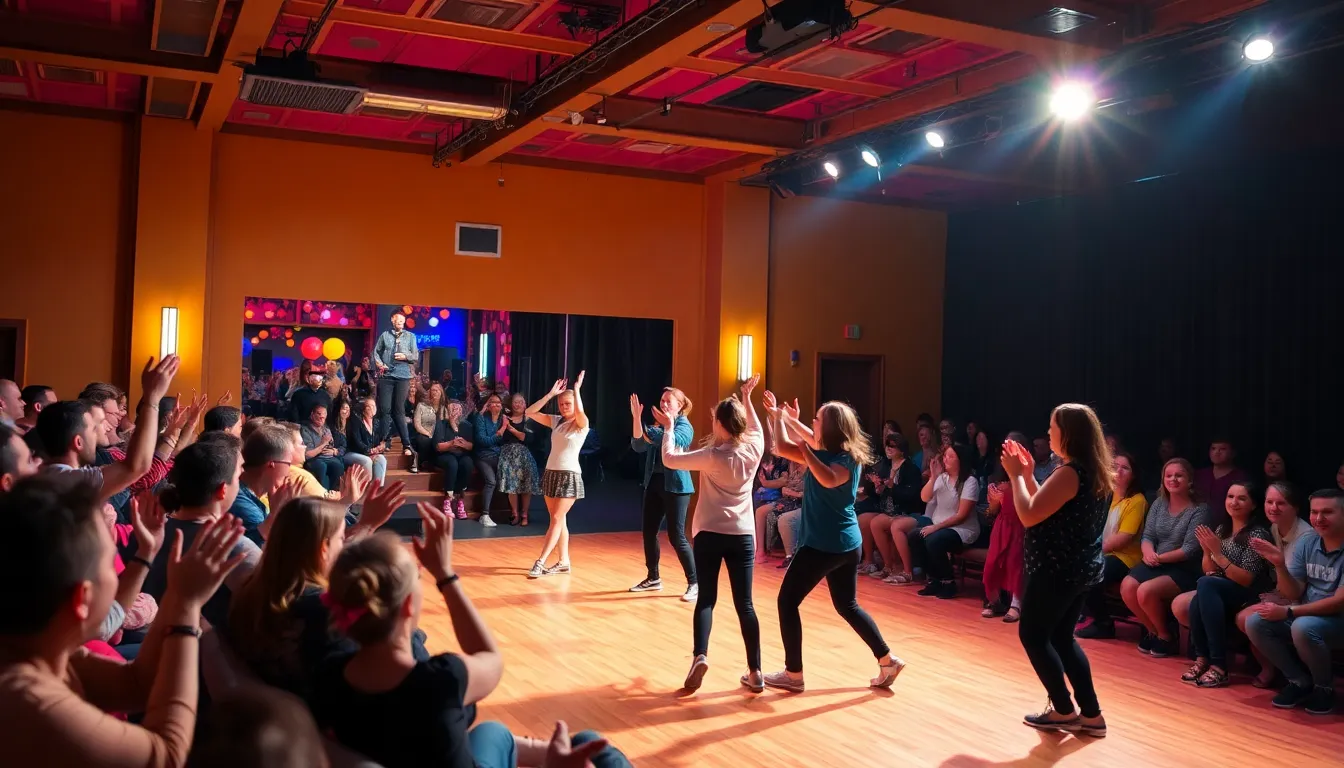
Audience members, on the other hand, represent a broad spectrum of interests. Some may seek entertainment and aesthetic pleasure, while others might be looking for deeper social commentary. This divergence can create a trade-off between commercial viability and artistic integrity. The challenge lies in balancing these expectations without alienating any segment of the audience.
- Funding organizations may prioritize projects that align with their mission and values, influencing which performances receive financial support.
- Local governments can impact the dance community through policies and funding initiatives that either support or hinder artistic endeavors.
- Critics and reviewers play a pivotal role in shaping public perception, often highlighting or downplaying particular aspects of the choreography.
Legal issues may also arise, particularly concerning copyright and intellectual property in choreography. As artists strive to create original works, they must navigate the complexities of existing dance forms and the potential for legal disputes. Additionally, economic factors such as ticket sales and funding sources can significantly affect the sustainability of dance companies and their ability to produce innovative works.
In summary, the interplay between these stakeholders and their interests creates a dynamic environment for the performance at Gibney Dance. Understanding these relationships is essential for grasping the broader implications of ‘Reaping the Maelstrom’ within the contemporary dance landscape.
Audience reactions and the performance’s cultural impact
The performance “Reaping the Maelstrom” at Gibney Dance has resonated deeply with a diverse audience, impacting various groups and industries. Artists, dancers, and cultural enthusiasts have found a voice in the themes presented, while local businesses and the broader arts community are also feeling the effects.
In the short term, the performance has sparked conversations around mental health and resilience, particularly among younger audiences and art students. This engagement may lead to increased attendance at future performances and workshops, fostering a vibrant local arts scene. The immediate response has been overwhelmingly positive, with many attendees expressing a desire for more events that tackle similar themes.
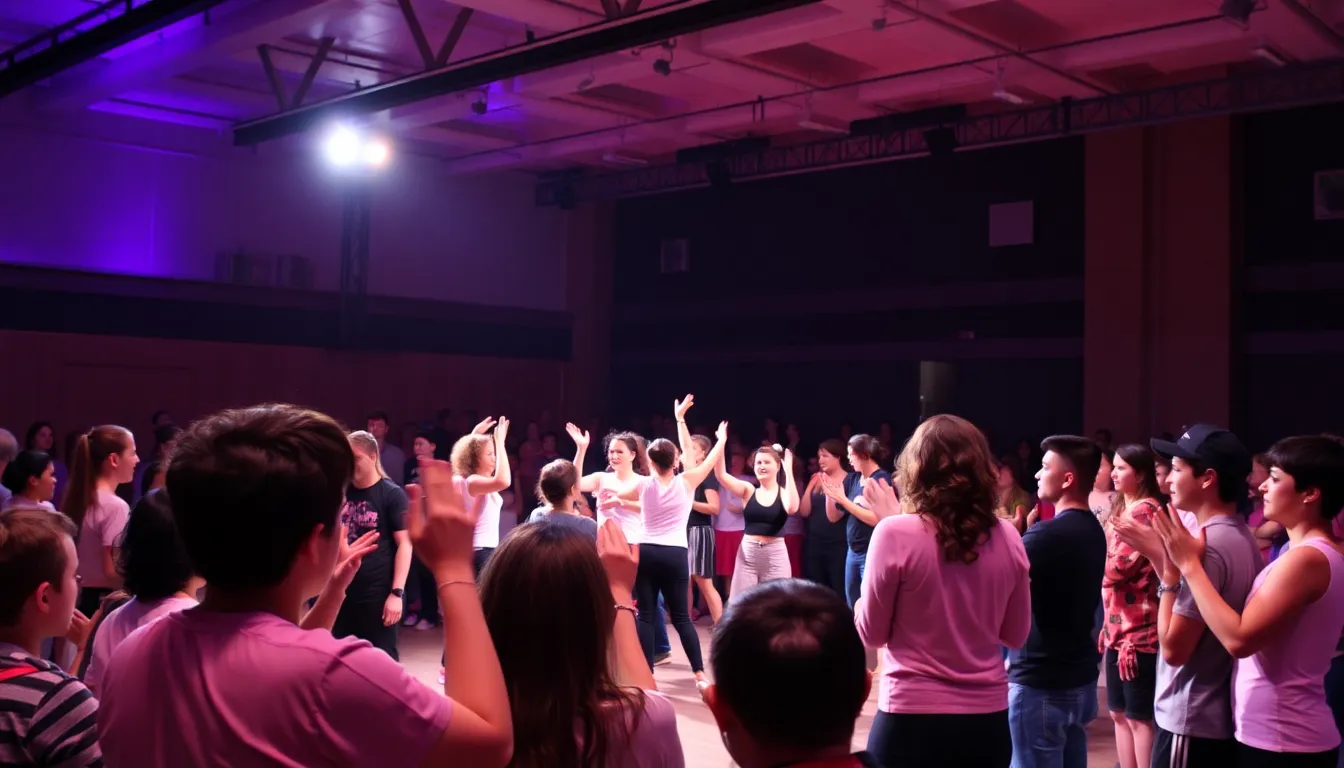
Mid-term impacts could include a shift in programming at local arts institutions, as they seek to address the issues highlighted in the performance. This could lead to a greater focus on interdisciplinary collaborations, merging dance with other forms of art and community engagement initiatives. Additionally, businesses in the vicinity of Gibney Dance may experience increased foot traffic, benefiting from the influx of attendees.
- Risks: Potential backlash from conservative audiences who may find the themes controversial.
- Opportunities: Enhanced visibility for local artists and the chance for new partnerships between arts organizations and mental health advocates.
- Community Engagement: Increased interest in workshops and discussions surrounding the performance’s themes.
Overall, “Reaping the Maelstrom” serves as a catalyst for dialogue, prompting both risks and opportunities that could reshape the cultural landscape in the region.
A: The main theme revolves around the chaos of modern life and the search for clarity through movement. The choreography reflects the emotional turbulence experienced in everyday situations. A: The performance features works by several prominent choreographers known for their innovative approaches to dance, each contributing their unique style to the overall production. A: The performance runs for approximately 90 minutes, including a brief intermission, allowing for an immersive experience without overwhelming the audience. A: Yes, there are additional performances scheduled throughout the month at Gibney Dance, and tickets can be purchased through their official website. A: The performance is suitable for a general audience, but it is recommended for ages 12 and up due to its complex themes and emotional intensity.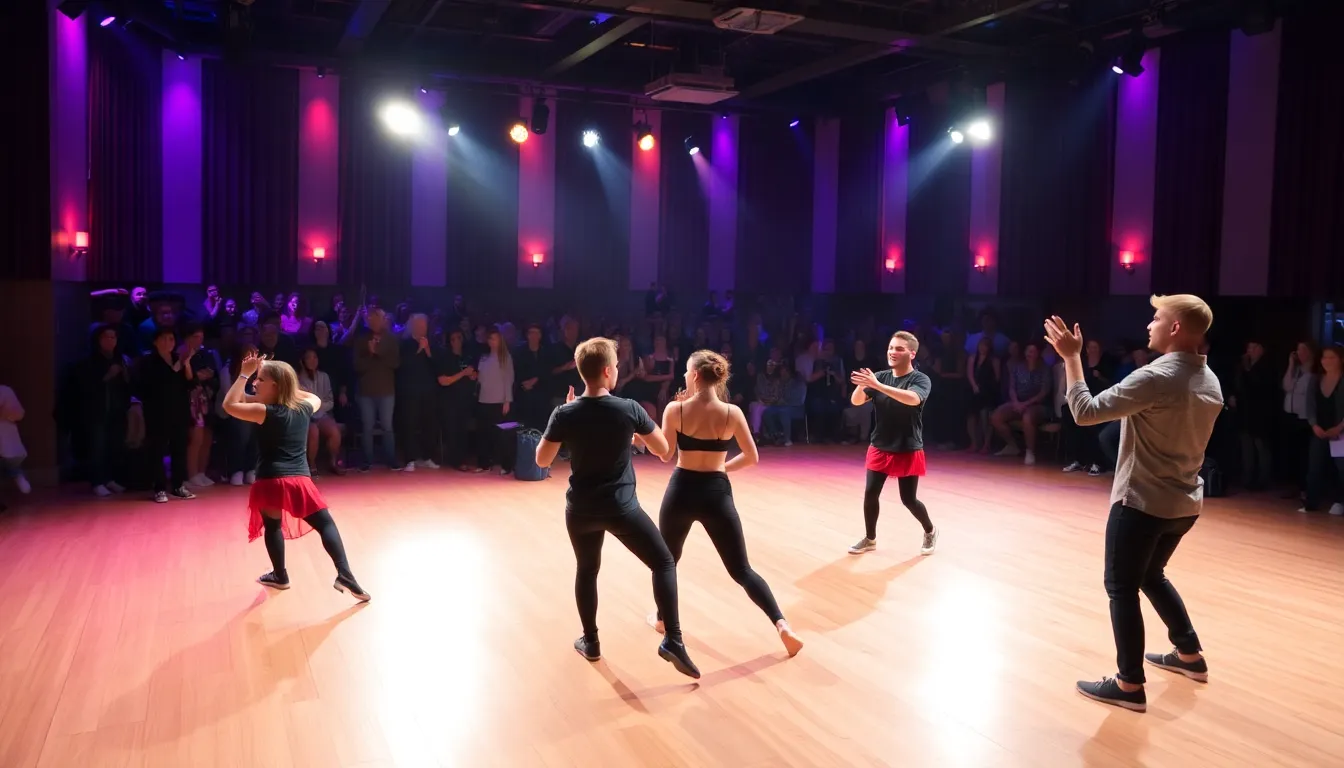
Frequently asked questions about the performance
Key takeaways and future outlook for Gibney Dance
The recent performance at Gibney Dance, titled “Reaping the Maelstrom,” has highlighted the evolving landscape of contemporary dance and its capacity to address complex themes. This production not only showcases the talent of its performers but also emphasizes the importance of community engagement and the role of dance as a form of expression and reflection in turbulent times.
As Gibney Dance continues to navigate the challenges and opportunities within the dance world, several implications arise. The intersection of art and activism, along with the push for inclusivity, will likely shape future programming and collaborations, making it essential for audiences and practitioners alike to stay attuned to these developments.
- Expect an increased focus on community-oriented projects that foster dialogue and connection through dance.
- Watch for collaborations with artists from diverse backgrounds to enrich the storytelling within performances.
- Anticipate innovative uses of digital platforms to broaden audience reach and engagement.
- Consider the potential for dance to address social issues, as artists increasingly use their platforms for advocacy.
- Be mindful of the evolving role of venues like Gibney Dance in supporting emerging choreographers and new works.