


This mission is crucial for ensuring the safety and reliability of future lunar missions, as it will test various technologies and operational procedures that will be essential for long-term human presence on the Moon, making it a significant step in understanding the challenges faced during space missions.
The crew for Artemis II includes NASA astronauts Reid Wiseman, Victor Glover, Christina Koch, and Canadian Space Agency astronaut Jeremy Hansen. Their diverse backgrounds and expertise are expected to enhance the mission’s success and provide valuable insights into the challenges of deep space exploration.
The advancements made during Artemis II will play a pivotal role in NASA’s broader goals of exploring Mars and beyond, emphasizing the importance of international collaboration and technological innovation in space exploration, akin to the themes explored in examining the implications of far side moon exploration.
Understanding the Background of the Artemis Program
The Artemis program represents a significant milestone in humanity’s quest to explore space, particularly the Moon and beyond. Initiated by NASA in 2017, the program aims to land “the first woman and the next man” on the lunar surface by the mid-2020s. This initiative is not only a technological endeavor but also a response to the growing interest in lunar exploration and the potential for establishing a sustainable human presence on the Moon, which could serve as a stepping stone for future missions to Mars.
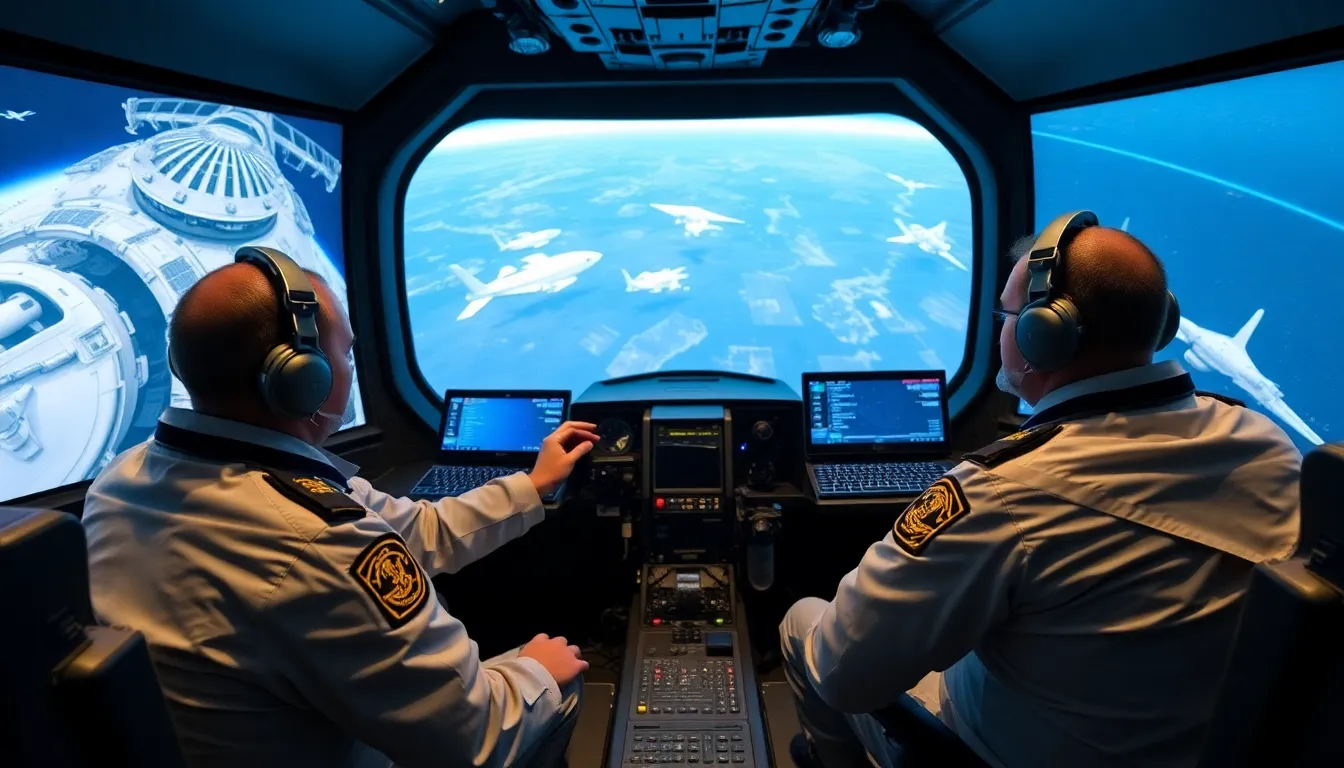
The Artemis program seeks to reignite public interest and investment in lunar exploration while building on the technological advancements made since the Apollo era, reflecting the significance of events like weather conditions leading up to crucial missions.
Key Milestones in Lunar Exploration
Several key milestones have paved the way for the Artemis program. In 2004, President George W. Bush announced the Vision for Space Exploration, which aimed to return humans to the Moon by 2020. Although this timeline was not met, it laid the groundwork for renewed lunar ambitions. In 2010, President Barack Obama’s administration shifted the focus towards an eventual mission to Mars, but the Moon remained a critical target for testing technologies and conducting scientific research.
In recent years, international partnerships and commercial spaceflight have gained momentum, further enhancing the feasibility of the Artemis program. The development of the Space Launch System (SLS) and the Orion spacecraft, both central to the Artemis missions, has involved collaboration with various aerospace companies and international space agencies. As the program progresses, it reflects a broader political and economic interest in space exploration, with implications for national security, scientific discovery, and international cooperation.
As Artemis II approaches, the pilot test of the Orion capsule marks a crucial step in validating the systems and technologies required for future lunar missions. This test not only demonstrates NASA’s commitment to returning to the Moon but also signifies a renewed era of exploration that aims to inspire new generations and foster international collaboration in space endeavors.
Key Stakeholders and Challenges in Lunar Exploration
The Artemis II mission, which successfully tested the Orion capsule on its journey to the Moon, involves a diverse array of stakeholders, each with distinct interests and objectives. Key actors include NASA, private aerospace companies, international space agencies, and governmental bodies. Understanding their roles and the challenges they face is crucial for comprehending the broader implications of lunar exploration.
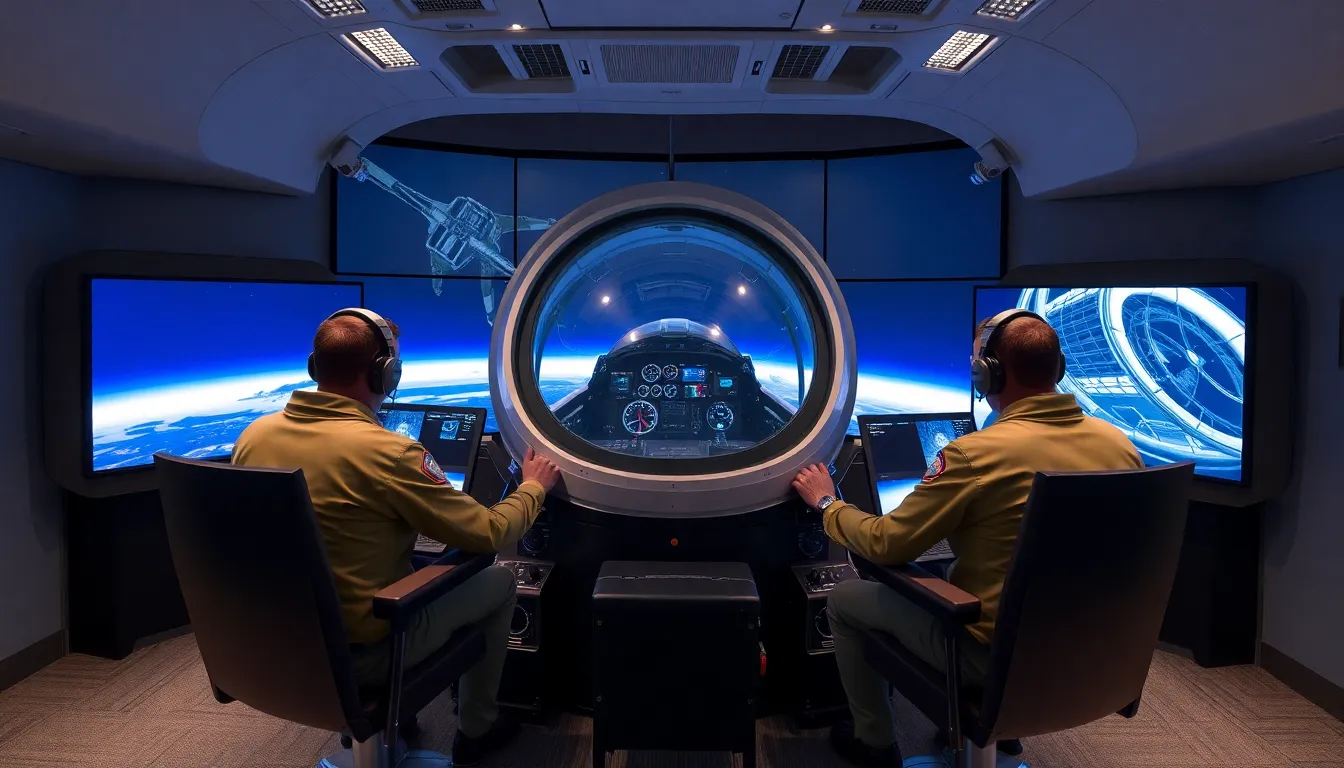
NASA serves as the primary agency driving the Artemis program, aiming to establish a sustainable human presence on the Moon. Their interests lie in advancing scientific knowledge, fostering technological innovations, and demonstrating leadership in space exploration. Collaborations with private aerospace companies, such as SpaceX and Boeing, are pivotal for leveraging commercial capabilities and reducing costs associated with space missions.
International partners, including the European Space Agency (ESA), Japan Aerospace Exploration Agency (JAXA), and others, also play significant roles. These organizations contribute technology, expertise, and funding, while also seeking to enhance their own space exploration agendas. Conflicts may arise over resource allocation and the sharing of scientific data, necessitating clear agreements and collaborative frameworks.
Key legal and economic issues surround the Artemis II mission, particularly regarding space governance and the use of lunar resources. As nations and companies vie for access to lunar materials, questions about ownership rights and environmental protections become increasingly pressing. The Outer Space Treaty of 1967 provides a foundation for international space law, but its application to contemporary lunar activities remains a topic of debate.
- Resource Competition: The potential for mining lunar resources could lead to geopolitical tensions.
- Technological Collaboration: Partnerships between government and private sectors are essential for mission success.
- Regulatory Challenges: Existing space laws may need updates to address new realities of lunar exploration.
- Public Interest: Engaging the public and ensuring transparency can foster support for space initiatives.
- Environmental Concerns: The impact of lunar missions on the Moon’s ecosystem must be carefully considered.
Potential Impacts on Future Space Missions and Technology
The successful Artemis II pilot test has far-reaching implications for various groups and industries involved in space exploration. Key stakeholders include government agencies like NASA, private aerospace companies, research institutions, and even international partners engaged in collaborative space missions. The advancements made during this test will influence not only those directly involved in the Artemis program but also sectors that rely on space technology, such as telecommunications, defense, and environmental monitoring.

In the short term, the Artemis II mission is likely to boost public interest in space exploration, leading to increased investment in STEM education and related fields. This heightened interest can inspire a new generation of engineers and scientists, potentially revitalizing local economies, especially in regions hosting aerospace companies and educational institutions. Additionally, businesses that provide components or services for the Orion capsule and other spacecraft may see an uptick in demand, stimulating job creation and economic growth.
Mid-term impacts may include policy shifts aimed at enhancing support for space exploration initiatives. As the success of Artemis II paves the way for future missions, lawmakers may be encouraged to allocate more funding for NASA and its partners. This could result in more ambitious projects, such as Mars exploration or the establishment of lunar bases, which would further expand the aerospace industry’s footprint and create new opportunities for collaboration between public and private sectors.
- Increased Investment: Growth in funding for space-related projects and education.
- Job Creation: More employment opportunities in aerospace and technology sectors.
- Policy Changes: Potential shifts in government support for space exploration.
- International Collaboration: Enhanced partnerships between countries in space missions.
- Technological Advancements: Innovations that can spill over into other industries.
However, there are also risks associated with increased reliance on space missions. The complexity of space technology means that failures can lead to significant financial losses and delays in progress. Moreover, the competitive nature of the aerospace industry may result in pressure on companies to prioritize speed over safety, which could endanger future missions. Balancing innovation with risk management will be crucial as the space sector evolves in response to the outcomes of Artemis II.
A: The Artemis II pilot test is a crucial phase in NASA’s Artemis program, designed to evaluate the Orion capsule’s performance in preparation for a crewed lunar mission. A: The Artemis II mission is currently scheduled for launch in 2024, following successful testing and evaluations. A: The main objectives include testing the Orion capsule’s systems, ensuring crew safety, and preparing for future lunar landings. A: The crew for Artemis II has not been officially announced yet, but it will include experienced astronauts from NASA. A: Artemis II will pave the way for sustainable lunar exploration by testing technologies and systems necessary for future missions.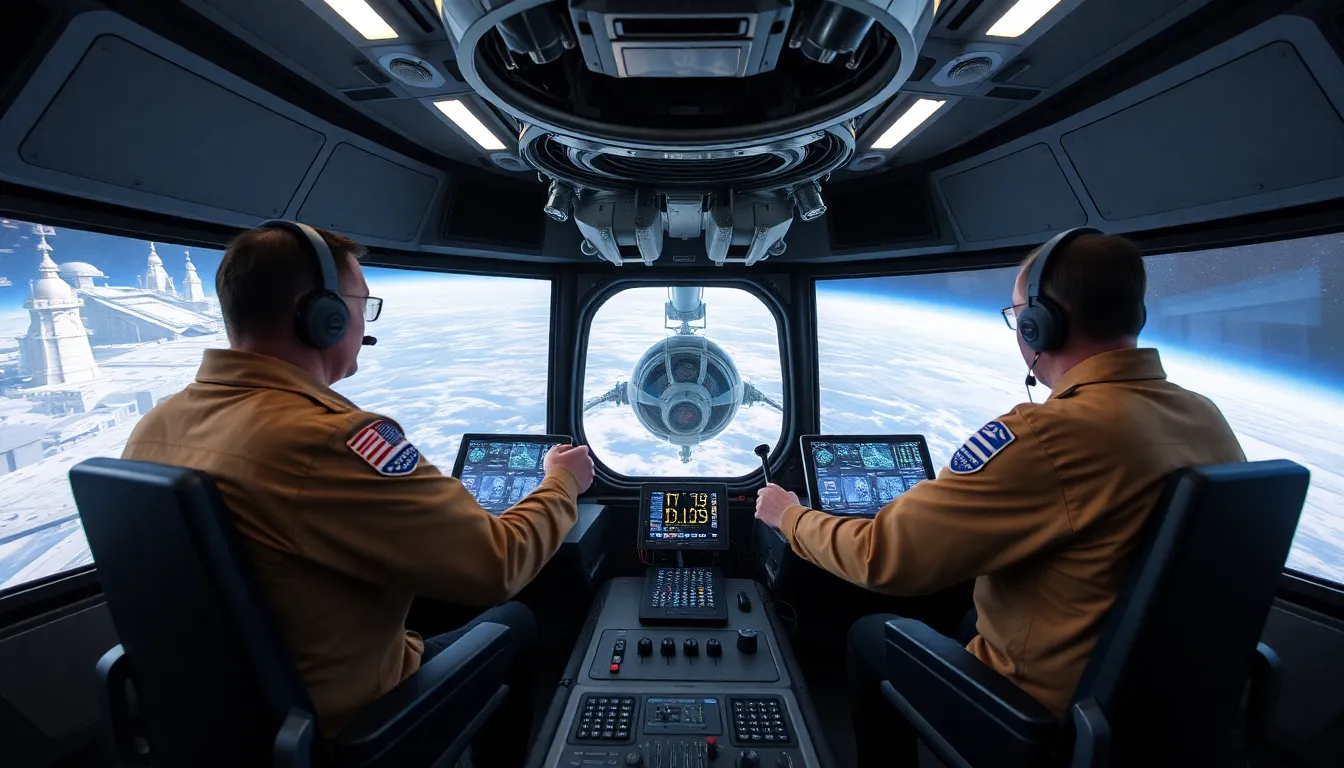
Frequently Asked Questions About Artemis II
Insights and Future Directions for Lunar Exploration
The Artemis II pilot test marks a significant milestone in NASA’s efforts to return humans to the Moon. The successful operation of the Orion capsule not only demonstrates the spacecraft’s capabilities but also sets the stage for future lunar missions. As we look ahead, the implications of this test extend beyond the immediate technical achievements, influencing international collaboration, technological advancements, and future exploration strategies.
Key areas to monitor include the development of sustainable lunar infrastructure, the integration of commercial partnerships, and the potential for scientific discoveries that could arise from human presence on the Moon. Each of these factors will play a crucial role in shaping the future of space exploration.
- International Collaboration: The Artemis program may foster stronger partnerships with other space agencies and private companies, enhancing global efforts in lunar exploration.
- Sustainable Practices: Emphasis on developing sustainable technologies for life support and resource utilization will be vital for long-term missions.
- Commercial Opportunities: The involvement of commercial entities in lunar missions could lead to innovative solutions and economic growth in the space sector.
- Scientific Research: The potential for groundbreaking scientific discoveries increases with human exploration, particularly in understanding lunar geology and resources.
- Preparation for Mars: Lessons learned from Artemis II will be instrumental in preparing for future missions to Mars, ensuring a progressive approach to interplanetary exploration.