


Kanye West’s visa application was reportedly rejected by UK authorities, citing concerns over his past behavior and comments that have been deemed offensive. The artist, who has a history of polarizing remarks, has faced backlash for various incidents, leading to questions about his suitability to perform at large public events. The cancellation of the festival is a significant blow to the music scene, particularly as it was anticipated to attract thousands of attendees.
Organizers of the Wireless Festival expressed their disappointment in a statement, emphasizing the challenges of securing a suitable replacement for West on such short notice. The festival has been a staple in the UK’s summer music calendar, featuring a diverse lineup of artists across genres. The cancellation not only affects the festival’s financial viability but also impacts the many artists who were set to perform alongside West.
This situation raises broader questions about the intersection of celebrity, public opinion, and event management in the music industry. As festivals continue to navigate the complexities of artist reputations and audience expectations, the fallout from this incident may influence future booking decisions and policies regarding artist conduct. The Wireless Festival’s cancellation serves as a reminder of the delicate balance organizers must maintain in today’s cultural climate, highlighting how public sentiment can heavily impact event planning.
Understanding the background of Kanye West’s travel restrictions
Kanye West, a prominent figure in the music industry, has had a tumultuous relationship with public perception and legal issues over the years. His controversial statements and actions have often led to backlash, influencing not only his career but also his ability to travel internationally. The recent decision to block him from entering the UK is rooted in a complex interplay of cultural sensitivities, legal frameworks, and public safety concerns.
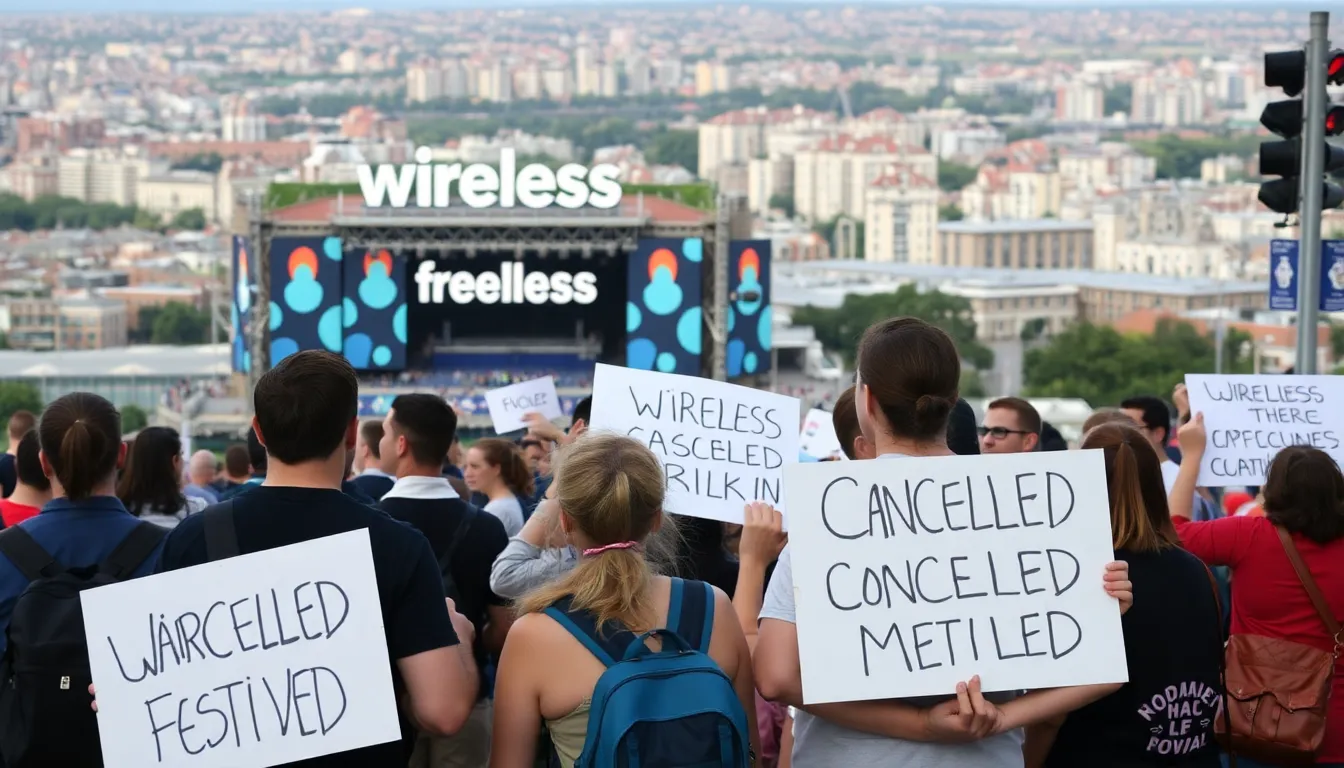
The UK has a history of imposing travel restrictions on individuals whose presence is deemed a threat to public order or safety. This includes individuals with a history of hate speech or actions that incite violence. West’s past incidents, including inflammatory comments about race and mental health, have raised alarms among UK officials. The decision to prevent his entry can be seen as a reflection of the UK’s commitment to maintaining social harmony and protecting its citizens from potentially harmful influences.
Moreover, the economic implications of such a high-profile cancellation cannot be overlooked. The Wireless Festival, a major music event in the UK, relies heavily on star power to draw crowds and generate revenue. Kanye West’s presence was anticipated to boost ticket sales and enhance the festival’s profile. His cancellation not only affects the festival’s immediate financial prospects but also sets a precedent for how future events may navigate the complexities of artist bookings in light of public sentiment and legal considerations, echoing themes seen in discussions about celebrity impact on public events.
The Impact of Past Incidents
Historically, similar cases have occurred where artists and public figures have faced travel bans due to their actions or statements. For example, in 2019, several controversial figures were barred from entering the UK, sparking debates about freedom of speech versus public safety. These precedents highlight a growing trend where the UK government is willing to take a stand against individuals whose actions contradict societal values, further complicating the landscape for artists who push boundaries in their work.
Examining the implications for stakeholders involved in the festival
The cancellation of the Wireless Festival due to Kanye West being blocked from entering the UK has significant ramifications for various stakeholders. These include the festival organizers, artists, attendees, and local businesses, each with distinct interests and concerns regarding the situation.
For the festival organizers, the primary interest lies in maintaining the event’s reputation and financial viability. The inclusion of high-profile artists like Kanye West is crucial for attracting ticket sales and media attention. The cancellation may lead to substantial financial losses, not only from ticket refunds but also from the potential loss of sponsorship deals and future bookings.
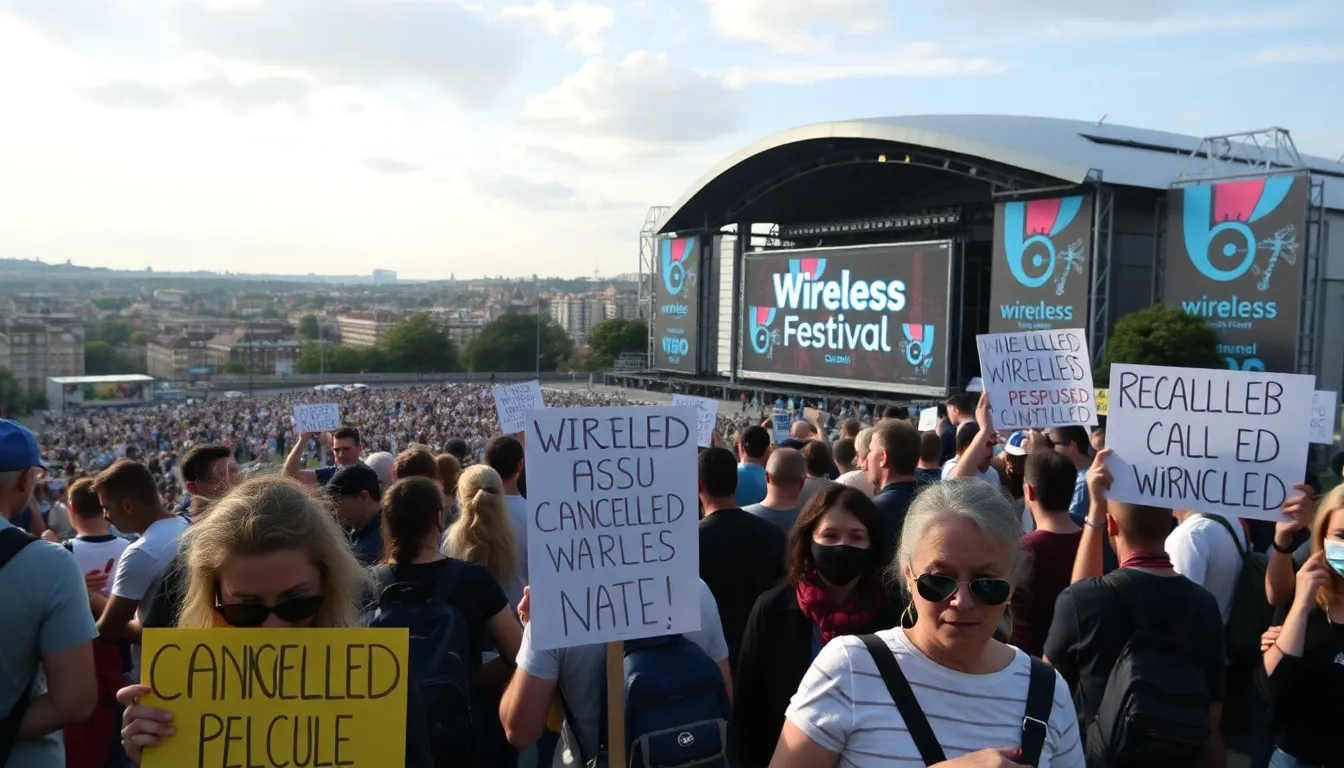
Attendees, particularly those who purchased tickets with the expectation of seeing Kanye West perform, are understandably frustrated. Their interest is in receiving fair compensation, whether through refunds or alternative arrangements. Additionally, the disappointment could affect their overall perception of the festival, influencing future attendance at similar events.
Local businesses that benefit from the influx of festival-goers, such as hotels, restaurants, and shops, face economic repercussions as well. The absence of the festival means a loss of revenue during a peak tourism period. This situation highlights the interconnectedness of the festival with the local economy and the potential ripple effects of its cancellation.
- Financial Losses: Organizers face refunds and lost sponsorships.
- Attendee Discontent: Frustration over unmet expectations and compensation issues.
- Local Economic Impact: Businesses reliant on festival traffic experience reduced income.
- Artist Relations: Future collaborations may be affected by the incident.
- Legal Considerations: Potential disputes over contracts and obligations.
Assessing the impact on fans, artists, and the music industry
The cancellation of the Wireless Festival due to Kanye West being blocked from entering the UK has far-reaching implications for various stakeholders. Fans who had anticipated the event are left disappointed, while artists scheduled to perform face potential financial losses and missed opportunities for exposure. The music industry as a whole is impacted, particularly in regions where live events are crucial for revenue generation.
In the short term, the immediate effects are felt by festival-goers and local businesses. Fans who planned to attend will have to adjust their summer plans, potentially leading to a loss of revenue for hotels, restaurants, and transport services in the area. Additionally, artists who were set to perform may lose out on significant earnings and visibility that comes with such high-profile events.
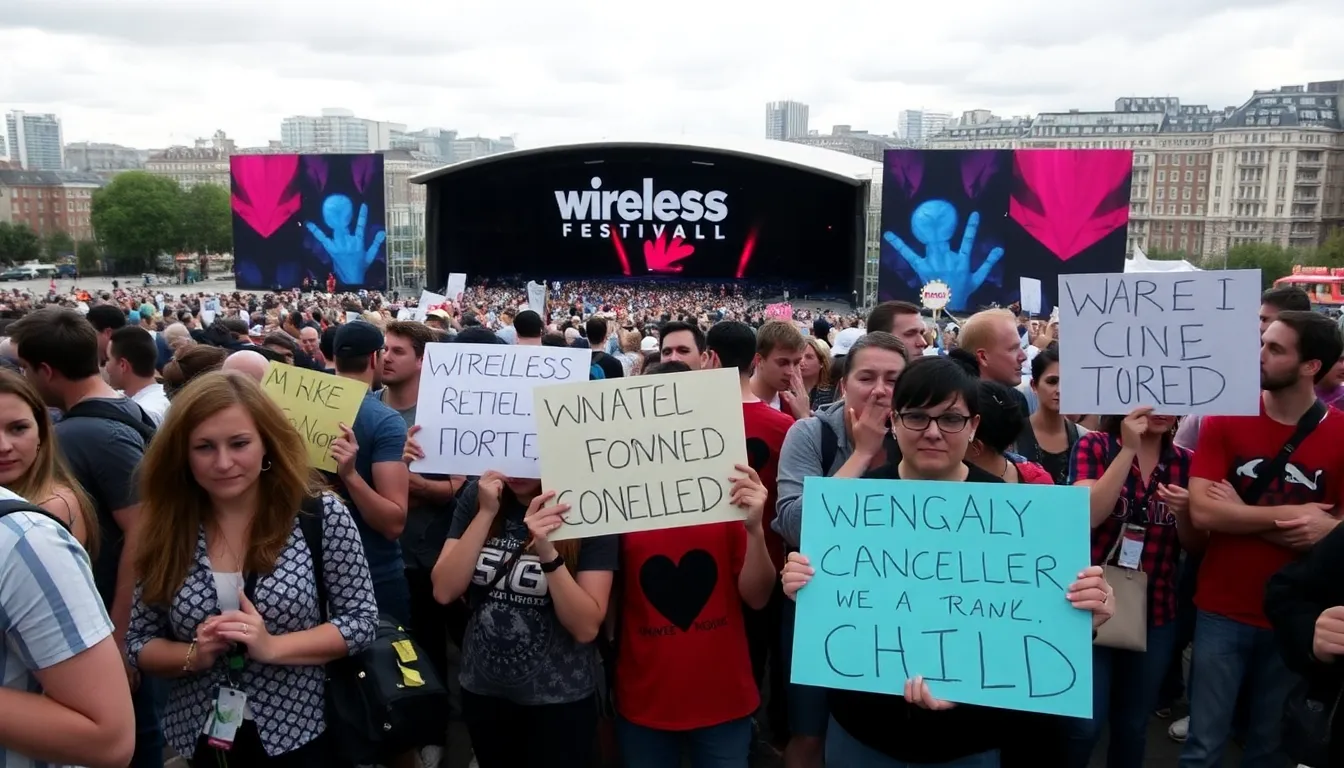
In the mid-term, the cancellation could lead to a shift in how festivals are organized and marketed. Promoters may reassess their lineups and booking strategies, especially concerning high-profile artists with controversial backgrounds. This could result in a more cautious approach to event planning, impacting the diversity of performances and the overall festival experience.
- Economic impact: Local businesses relying on festival traffic may suffer.
- Artist opportunities: Performers miss out on vital performance slots.
- Industry shifts: Potential changes in booking practices for future events.
- Fan engagement: Disappointment may lead to decreased loyalty to festival brands.
However, there are potential opportunities that could arise from this situation. For instance, other artists may seize the chance to fill the void left by Kanye West’s absence, potentially leading to a more diverse lineup. Additionally, the situation may prompt a broader conversation about artist eligibility and the implications of government policies on cultural events, potentially leading to changes in how festivals are regulated in the future.
A: The festival was cancelled due to the travel ban on Kanye West, who was set to perform. This decision has raised concerns about the festival’s overall lineup and viability. A: Yes, ticket holders will be eligible for refunds. The festival organizers have announced that details on the refund process will be communicated shortly. A: This cancellation may set a precedent for future events, especially those relying on high-profile artists. Organizers might need to reassess their booking strategies. A: Fans have expressed disappointment and frustration over the cancellation, particularly those who were excited to see Kanye West perform live. A: Currently, there are no announced plans to reschedule the Wireless Festival. Organizers are focusing on resolving the immediate issues.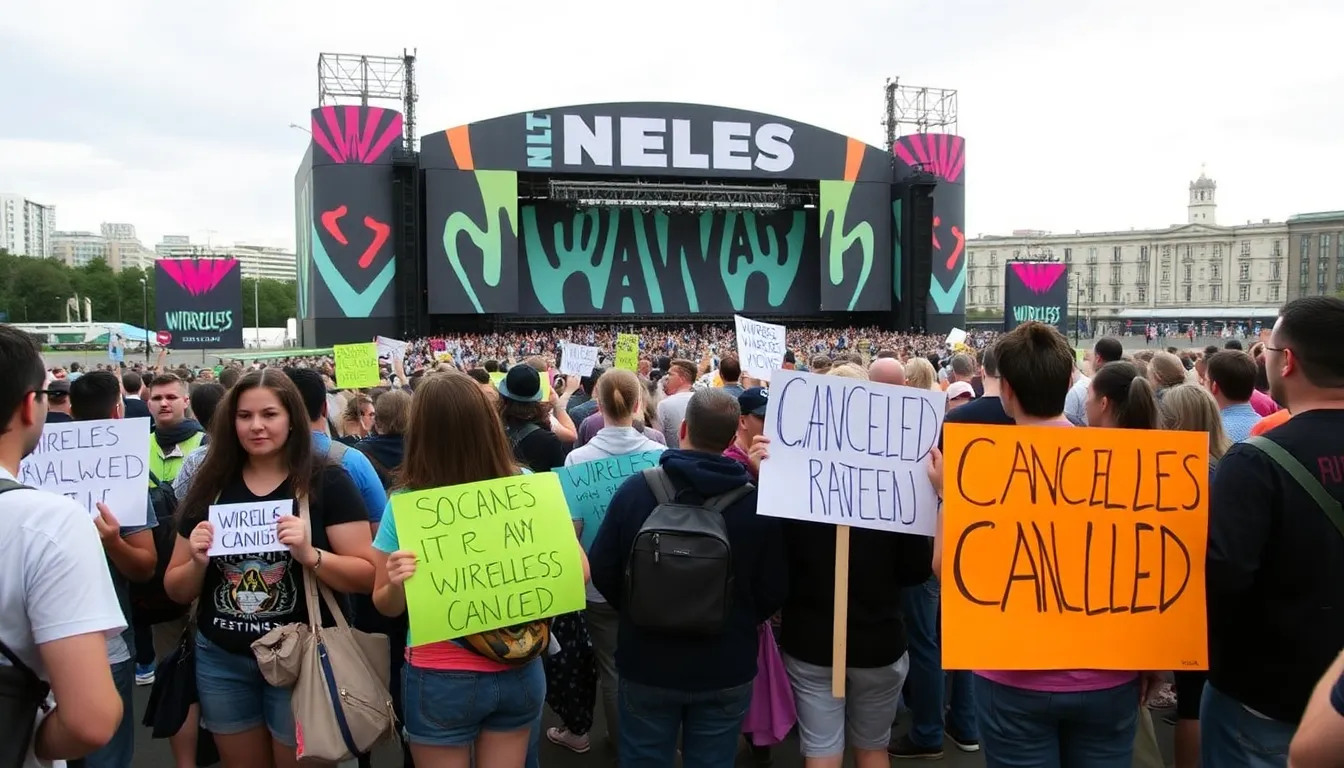
Frequently asked questions about the festival cancellation
Key takeaways and future outlook for the Wireless Festival
The cancellation of the Wireless Festival due to Kanye West’s inability to enter the UK highlights the complex interplay between artist management, public safety, and international regulations. As the festival landscape continues to evolve, stakeholders must adapt to the challenges posed by high-profile acts and their associated controversies. This incident serves as a reminder of the potential risks involved in booking major artists, particularly those with contentious backgrounds.
Looking ahead, the festival organizers will need to reassess their booking strategies and consider the implications of geopolitical events on their lineups. The impact of this cancellation may also influence ticket sales and artist collaborations in the future, as fans and artists alike navigate the changing dynamics of live events.
- Expect increased scrutiny on artist selections to avoid similar cancellations in the future.
- Monitor how this incident affects ticket sales and fan sentiment towards the festival.
- Watch for potential changes in international artist booking policies across the festival circuit.
- Consider the role of social media and public opinion in shaping festival lineups moving forward.
- Evaluate how this situation might prompt festivals to invest more in artist vetting processes.