


The Israeli government, led by Prime Minister Benjamin Netanyahu, emphasized that its military actions will continue as long as perceived threats from Lebanon persist. This stance is significant as it underscores Israel’s ongoing concerns about Iranian activities in the region, which it views as a direct challenge to its national security. For more context on Iran’s influence in the region, see our article on Trump’s Hormuz deadline.
On October 20, 2023, Iranian officials declared a cease-fire aimed at reducing hostilities in the region, particularly in response to the ongoing conflict in Gaza. However, Israel’s refusal to extend this cease-fire to Lebanon indicates a complex and volatile situation, where multiple actors are engaged in a broader geopolitical struggle. This complexity includes the historical context that shapes current tensions; readers can explore this further in our coverage of Pakistan’s role as a mediator in the Iran war.
As tensions rise, the implications for Lebanon are profound. The Lebanese government, already grappling with its internal crises, faces the risk of escalating military confrontations that could destabilize the country further. The situation remains fluid, with potential repercussions for regional stability and international diplomatic efforts aimed at de-escalation.
Understanding the historical tensions between Israel and Iran
The relationship between Israel and Iran has been fraught with tension since the Islamic Revolution in 1979, which transformed Iran from a Western-aligned monarchy into a theocratic republic. This shift fundamentally altered the geopolitical landscape in the Middle East, leading to a staunch opposition from Iran towards Israel, which it views as an illegitimate state occupying Muslim land. The rhetoric from Iranian leaders has often included calls for the destruction of Israel, further entrenching animosity between the two nations.
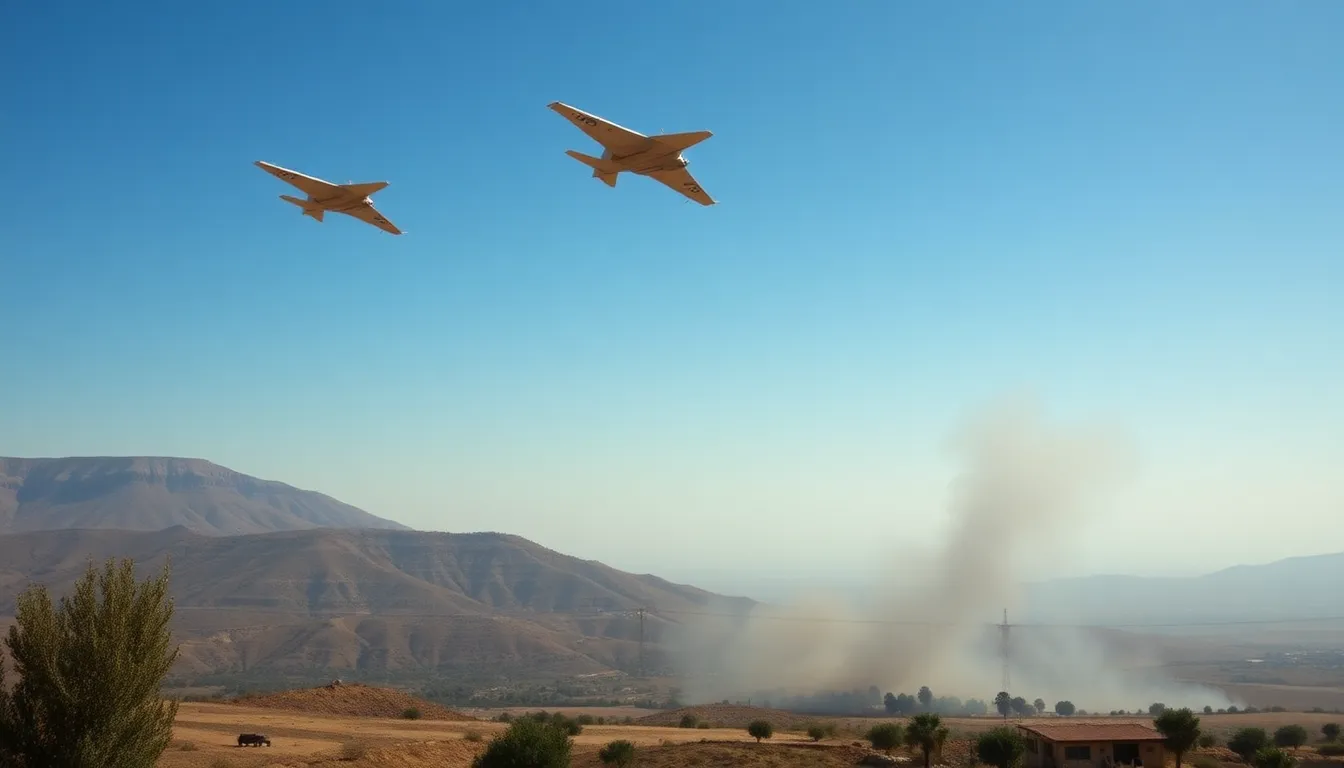
In the decades that followed, Iran’s support for anti-Israel militant groups, such as Hezbollah in Lebanon and Hamas in the Gaza Strip, has exacerbated these tensions. Iran’s involvement in regional conflicts and its backing of proxy groups have positioned it as a major adversary to Israel, which perceives these actions as direct threats to its national security. The 2006 Lebanon War, where Hezbollah engaged in a month-long conflict with Israel, highlighted the extent of Iran’s influence in the region and its capability to challenge Israeli military power through proxy warfare.
The Nuclear Factor
The issue of Iran’s nuclear program has further complicated relations. Israel has consistently expressed fears that a nuclear-armed Iran would pose an existential threat. The international community’s efforts to curb Iran’s nuclear ambitions, particularly through the Joint Comprehensive Plan of Action (JCPOA) in 2015, have seen fluctuating support and criticism. Israel opposed the deal, arguing it would allow Iran to continue its aggressive policies while gaining access to funds that could be funneled into its military and proxy operations. For a related discussion on geopolitical strategies, readers can refer to Blake Lively’s stand on digital violence in court.
Recent escalations, such as Iran’s increased military presence in Syria and its ongoing support for Hezbollah, have prompted Israel to conduct preemptive strikes to prevent what it sees as an encroachment on its borders. The dynamic has created a complex web of alliances and hostilities, with Israel often finding itself in a precarious position, balancing its military responses with the need to avoid broader regional conflicts.
As the situation evolves, particularly in light of cease-fire negotiations that do not encompass Lebanon, the historical context of Israeli-Iranian relations remains crucial to understanding the current tensions and military strategies employed by both sides. The implications of these actions extend beyond mere military engagements, affecting economic stability and political alliances throughout the region.
Key stakeholders and their interests in the ongoing conflict
The ongoing conflict involving Israel and Iran, particularly in relation to Lebanon, highlights a complex web of stakeholders with varying interests. Each actor plays a crucial role in shaping the dynamics of the situation, which is influenced by historical grievances, geopolitical strategies, and regional power balances.
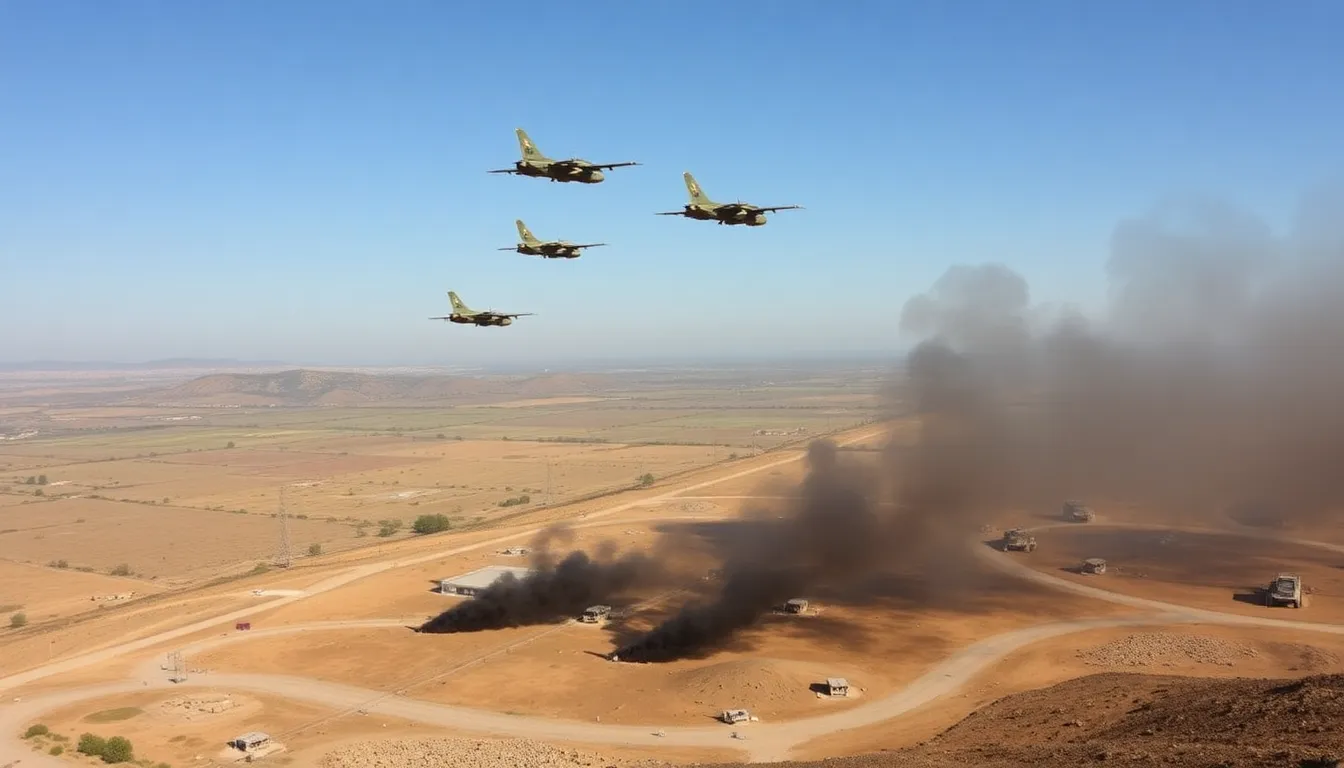
Israel, as a primary actor, is focused on national security and the prevention of Iranian influence in Lebanon, particularly through Hezbollah. The Israeli government views any Iranian military presence or support for militant groups as a direct threat to its sovereignty and safety. This leads to continued military operations aimed at neutralizing perceived threats, even amidst calls for cease-fires.
On the other hand, Iran seeks to bolster its regional influence and support allied groups such as Hezbollah in Lebanon. This support is rooted in a broader strategy to counteract Israeli and Western presence in the Middle East. Iran’s involvement is also driven by its ideological commitment to resist what it perceives as aggression from Israel and its allies.
Hezbollah, as a key player in Lebanon, has its own interests that often align with Iran. The organization aims to maintain its military capabilities and political power within Lebanon, which can be threatened by Israeli strikes. Hezbollah’s actions are influenced by both local Lebanese politics and its ties to Iran, complicating the regional stability further.
- Military Escalation: Continuous Israeli strikes against Iranian positions may provoke further retaliation from Hezbollah, escalating military tensions in the region.
- International Diplomacy: The conflict draws in global powers, with the U.S. supporting Israel and Iran seeking backing from Russia and China, complicating diplomatic resolutions.
- Humanitarian Concerns: Ongoing violence raises significant humanitarian issues in Lebanon, impacting civilians and complicating aid efforts amidst the conflict.
- Economic Implications: The conflict affects regional economies, especially in Lebanon, where instability can deter investment and exacerbate existing economic crises.
The potential impact on civilians and regional stability
The ongoing conflict between Israel and Iran, particularly regarding the situation in Lebanon, poses significant risks to various groups and regions. Civilians in both Israel and Lebanon are likely to face heightened tensions and potential violence, affecting their daily lives and safety. The escalation of military actions could lead to increased casualties and displacement, particularly in border areas.
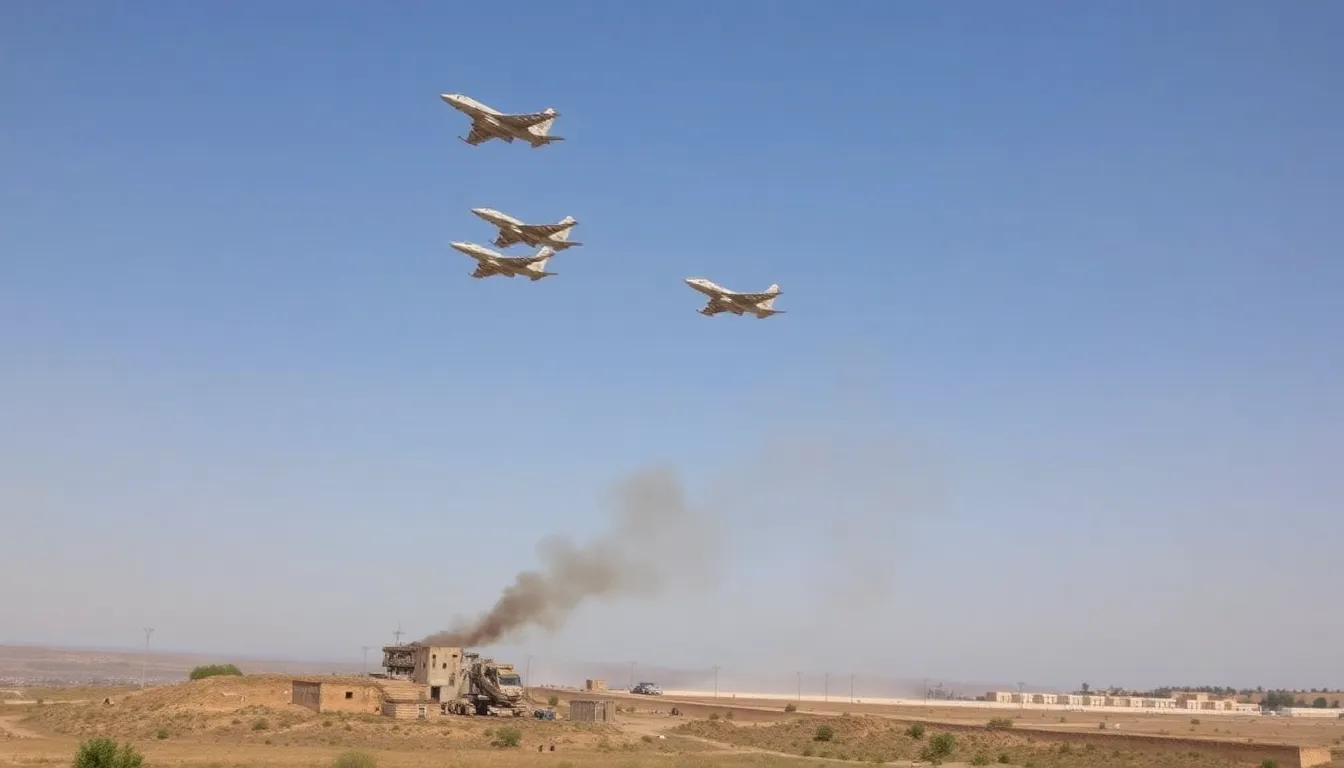
Industries such as tourism, agriculture, and trade in Lebanon may experience immediate disruptions. The uncertainty created by military strikes can deter tourists and investors, leading to a decline in economic activity. In the mid-term, businesses reliant on cross-border trade may also suffer from supply chain interruptions, impacting local economies and livelihoods.
Policy responses from regional governments are expected as they navigate the complexities of the conflict. Countries neighboring Lebanon may bolster their military readiness or adjust diplomatic relations with Israel and Iran. This could lead to a realignment of regional alliances, with some nations potentially seeking to mediate while others may take sides, further complicating the geopolitical landscape.
- Civilians: Increased risk of violence and displacement.
- Industries: Tourism and trade disruptions, impacting local economies.
- Policy Changes: Possible shifts in regional alliances and military readiness.
- Opportunities: Humanitarian aid organizations may find opportunities to provide support and relief.
While the risks are substantial, there may also be opportunities for dialogue and peacebuilding efforts. Humanitarian organizations could step in to assist affected populations, potentially fostering goodwill and cooperation among conflicting parties. Additionally, businesses involved in reconstruction and recovery efforts may find new avenues for growth in the aftermath of the conflict.
A: Israel is indicating that the cease-fire agreement with Iran does not include any limitations on military actions in Lebanon, suggesting ongoing hostilities. A: Iran has not officially commented on Israel’s statements but has historically supported groups in Lebanon that oppose Israeli actions. A: Continued military strikes could lead to increased civilian casualties and displacement, worsening the humanitarian situation in Lebanon. A: Various countries and international organizations have expressed concern over the escalating tensions and called for restraint from both sides. A: Both nations may continue to engage in military posturing, but diplomatic efforts could emerge to de-escalate the situation.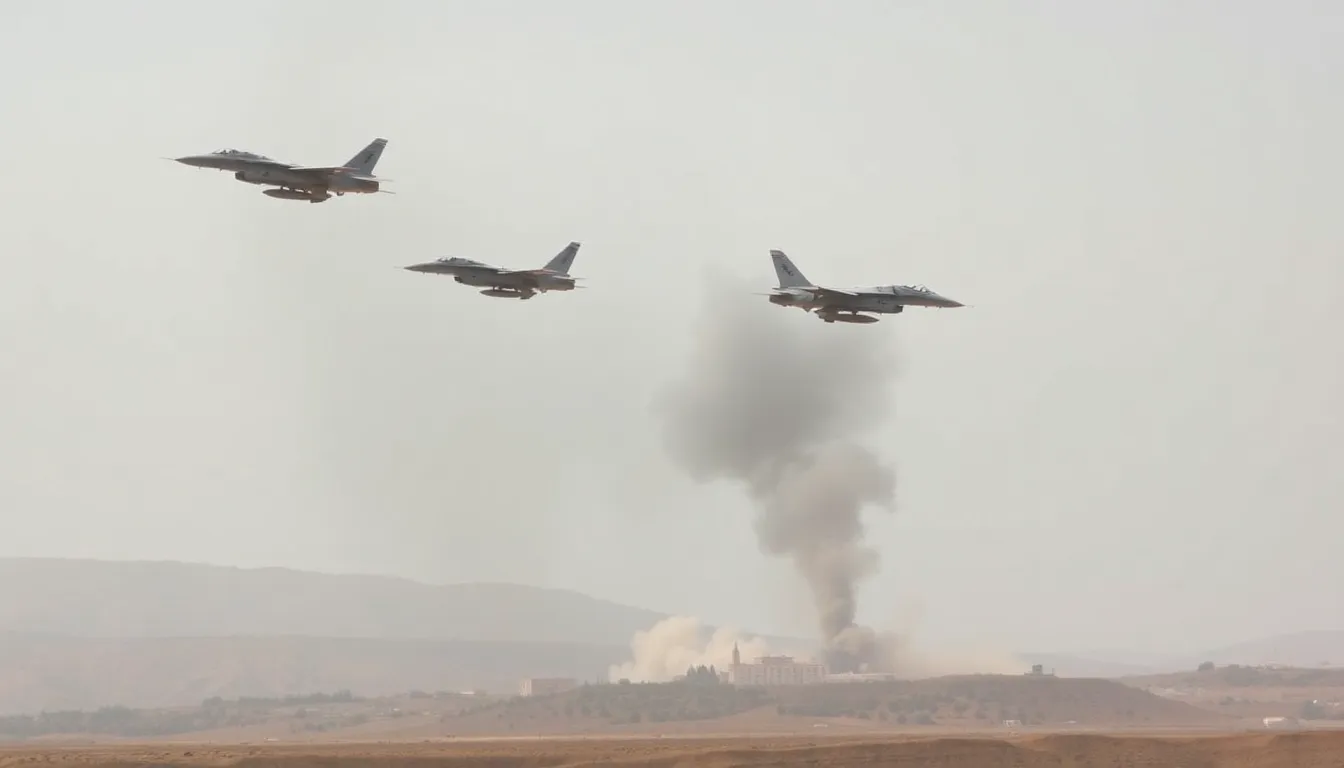
Frequently asked questions about the current situation
Outlook on the future of Israel-Iran relations and regional security
The recent declaration by Israel regarding the non-extension of the cease-fire to Lebanon underscores the complexity of the ongoing tensions in the region. As military actions continue, the implications for both Israel and Iran are profound, particularly in the context of Lebanon’s role as a potential battleground. This situation not only affects bilateral relations but also has broader ramifications for regional stability and the involvement of other nations.
Going forward, the dynamics between Israel, Iran, and their respective allies will be critical to monitor. The potential for escalation remains high, especially if Iran perceives a need to support its allies in Lebanon. Additionally, the international community’s response to these developments will play a vital role in shaping future interactions and peace efforts in the region.
- Watch for increased military engagements along the Israel-Lebanon border as tensions rise.
- Monitor Iran’s strategic decisions regarding its support for Hezbollah and other groups in Lebanon.
- Observe the reactions from major powers, including the United States and Russia, as they may influence the conflict’s trajectory.
- Consider the humanitarian implications for civilians caught in the crossfire, which could prompt international intervention.
- Stay alert for shifts in public opinion within Israel and Iran that could affect government policies and military strategies.