


Argerich, known for her fiery interpretations and technical brilliance, shared the stage with Lim, a rising star in the classical music world. Their collaboration highlighted not only their individual artistry but also the deep musical connection that has developed over years of mentorship, which is crucial in the arts. The performance featured a selection of classical masterpieces, including works by Chopin and Rachmaninoff, showcasing their complementary styles.
This concert is significant as it marks a continuation of Argerich’s legacy in nurturing young musicians. Lim, who has been under her guidance for several years, embodies the future of classical music, bridging the gap between established and emerging talent. The event drew a diverse audience, reflecting the widespread appreciation for both artists and the importance of mentorship in the arts.
As the evening progressed, the chemistry between the two pianists became increasingly evident, creating an atmosphere of palpable excitement. Critics praised their performance for its emotional depth and technical precision, further solidifying their status in the classical music community. This collaboration not only celebrates their individual achievements but also emphasizes the power of artistic collaboration in enriching the cultural landscape.
The significance of mentorship in classical music
Mentorship has long played a crucial role in the development of classical musicians, shaping not only their technical skills but also their artistic identities. The relationship between established artists and their protégés fosters a unique environment where knowledge, experience, and passion can be shared. This dynamic is particularly evident in the world of piano, where the lineage of great performers often traces back through a series of influential teachers and mentors.
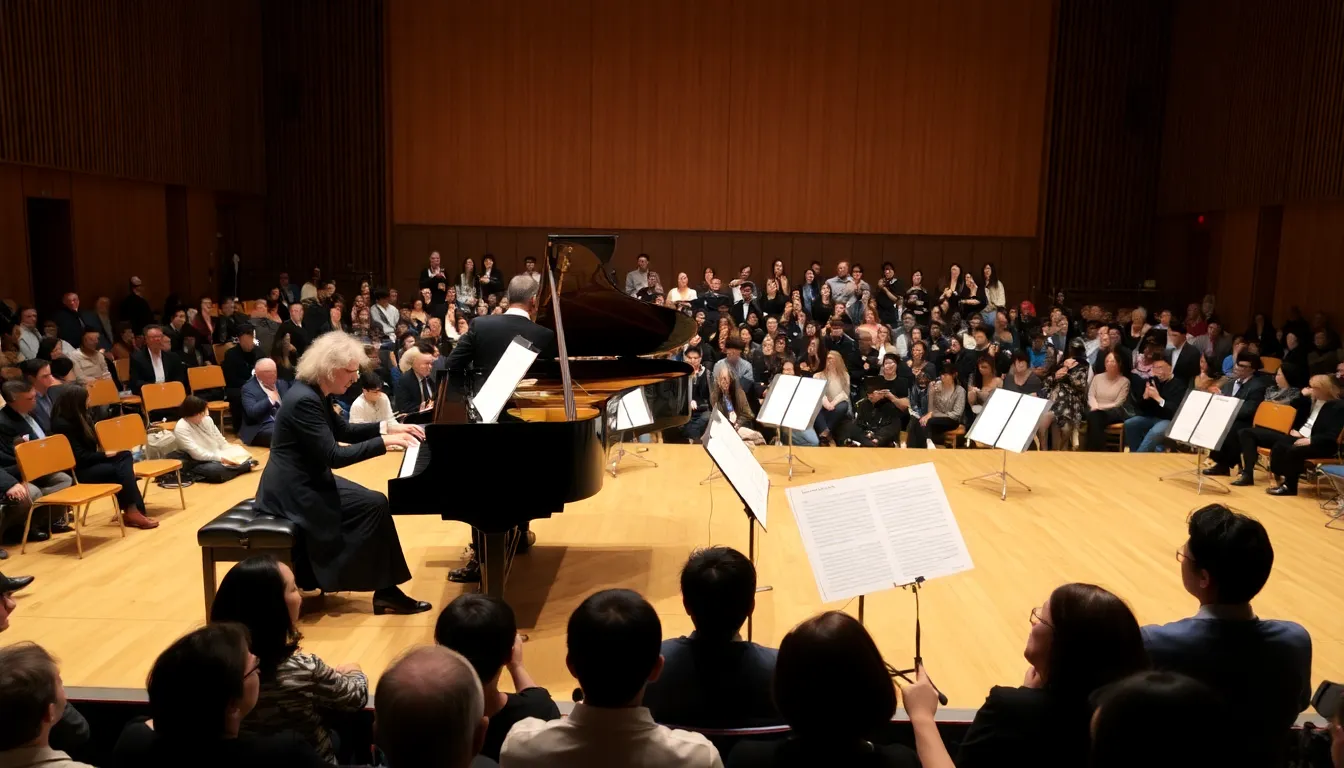
Martha Argerich, a legendary pianist renowned for her fiery performances and profound interpretations, embodies the essence of mentorship in her own career. Over the decades, she has taken on numerous young talents, guiding them through the complexities of musical expression and performance. Her partnership with Dong-Hyek Lim, a rising star in the classical music scene, exemplifies the powerful outcomes of such relationships, blending Argerich’s vast experience with Lim’s fresh perspective, similar to the dynamics seen in collaborative projects in other fields.
The historical context of mentorship in classical music can be traced back to the early conservatories of Europe, where master-apprentice relationships were standard. Composers like Beethoven and Liszt not only trained students but also influenced the musical landscape through their teachings. This tradition has persisted, with many contemporary musicians seeking guidance from established figures to navigate the competitive and often challenging music industry.
Key milestones in mentorship
Several key milestones highlight the impact of mentorship on classical music. For instance, the founding of institutions such as the Juilliard School and the Royal Academy of Music has created structured environments for mentorship to thrive. Additionally, prestigious competitions like the Van Cliburn International Piano Competition have not only showcased talent but also facilitated mentorship opportunities for winners, connecting them with established artists who can further their careers.
In recent years, the rise of social media and digital platforms has transformed how mentorship occurs, allowing for greater accessibility and connection between artists across the globe. This evolution has enabled musicians like Lim, who studied under Argerich, to reach wider audiences and gain invaluable insights from their mentors, ultimately enriching the classical music community as a whole, resonating with the impactful stories found in other realms of exploration.
Exploring the dynamics of their musical partnership
The collaboration between legendary pianist Martha Argerich and her mentee Dong-Hyek Lim exemplifies the intricate relationships that often define the world of classical music. Each artist brings a unique set of skills and experiences to the partnership, influencing their artistic choices and interpretations. Argerich, known for her passionate and dynamic performances, seeks to inspire and nurture the next generation of musicians, while Lim, an accomplished pianist in his own right, aims to carve out his identity in the competitive classical music landscape.
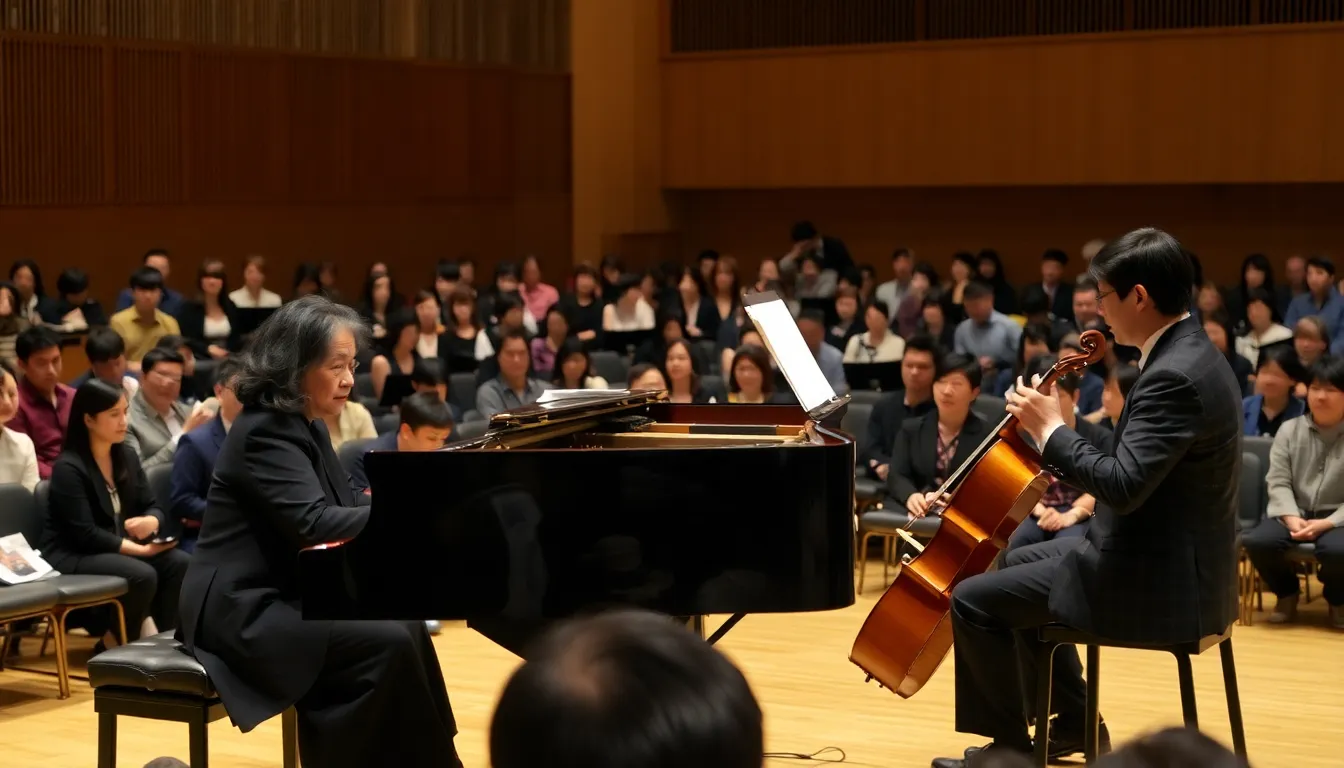
One of the primary stakeholders in this partnership is the classical music community, which benefits from the mentorship dynamic. Organizations such as music conservatories and festivals often seek to promote collaborations between established artists and emerging talents, recognizing the value of shared knowledge and experience. This relationship not only enhances the performers’ careers but also enriches the audience’s experience, as they witness the evolution of artistry through mentorship.
However, the partnership also brings to light several conflicts and trade-offs. The pressure for Lim to meet the high expectations set by Argerich and the industry can create a challenging environment. Moreover, the differing artistic visions and interpretations can lead to tensions during rehearsals and performances. Balancing the desire for individual expression with the need for cohesive collaboration is a delicate act that both musicians must navigate.
- Artistic Identity: Lim’s struggle to establish his own voice while being mentored by a towering figure like Argerich.
- Expectations vs. Freedom: The challenge of meeting industry expectations while maintaining artistic freedom.
- Audience Reception: The impact of audience perceptions on both artists’ careers and reputations.
- Institutional Support: The role of music institutions in fostering such partnerships and providing resources.
- Legacy and Influence: Argerich’s influence on Lim’s style and the broader implications for the future of classical music.
In addition to these personal and artistic considerations, there are broader economic issues at play. The classical music industry relies heavily on ticket sales, sponsorships, and media coverage. The success of performances featuring both Argerich and Lim could enhance their marketability, attracting greater attention and financial support for future projects. This economic incentive underscores the importance of their partnership, not just for their individual careers, but for the sustainability of the classical music sector as a whole.
The influence of their collaboration on the classical music scene
The collaboration between legendary pianist Martha Argerich and her mentee Dong-Hyek Lim has profound implications for various groups within the classical music community. This partnership not only highlights the importance of mentorship in the arts but also invigorates the classical music scene, attracting both seasoned enthusiasts and new audiences.
In the short term, audiences attending their performances can expect a unique blend of artistry that showcases both Argerich’s seasoned expertise and Lim’s fresh perspective. This collaboration is likely to foster increased attendance at concerts, benefiting local venues and the broader classical music industry. Additionally, music schools and conservatories may see a surge in interest as young musicians aspire to emulate their success.
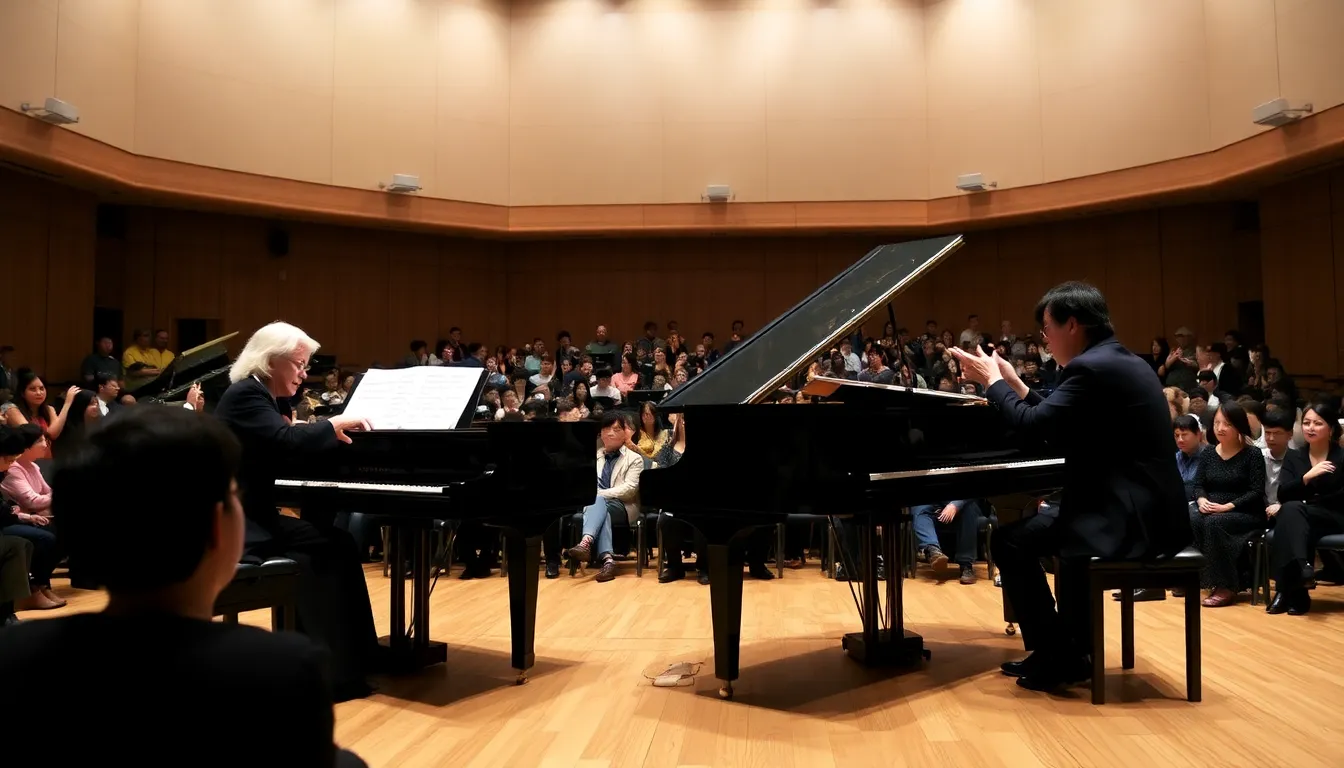
In the mid-term, the impact extends to the recording industry, where the release of collaborative works could lead to new opportunities for both artists. Record labels may invest more in classical music projects, recognizing the potential for commercial success. This could also prompt increased funding for classical music initiatives, benefiting composers, orchestras, and performers alike.
- Audience Engagement: Increased attendance and interest in classical music performances.
- Music Education: Growth in enrollment at music schools and conservatories.
- Recording Opportunities: Potential for new collaborations and increased investment in classical music recordings.
However, there are risks associated with such high-profile collaborations. The pressure to meet expectations can be daunting for emerging artists like Lim, and any perceived failure may deter other young musicians from pursuing similar paths. Additionally, the classical music market remains competitive, and the success of this partnership may not guarantee long-term stability for all involved.
A: They performed a selection of classical pieces, showcasing both solo and duet arrangements that highlighted their individual talents and synergy. A: Martha Argerich has been a significant mentor to Dong-Hyek Lim, providing guidance and support that has shaped his development as a pianist. A: The performance took place at a prestigious concert hall known for hosting renowned classical musicians and orchestras. A: Critics have praised their collaboration for its emotional depth and technical brilliance, noting the seamless connection between the two artists. A: While specific future performances have not been announced, both artists have expressed interest in continuing their collaboration.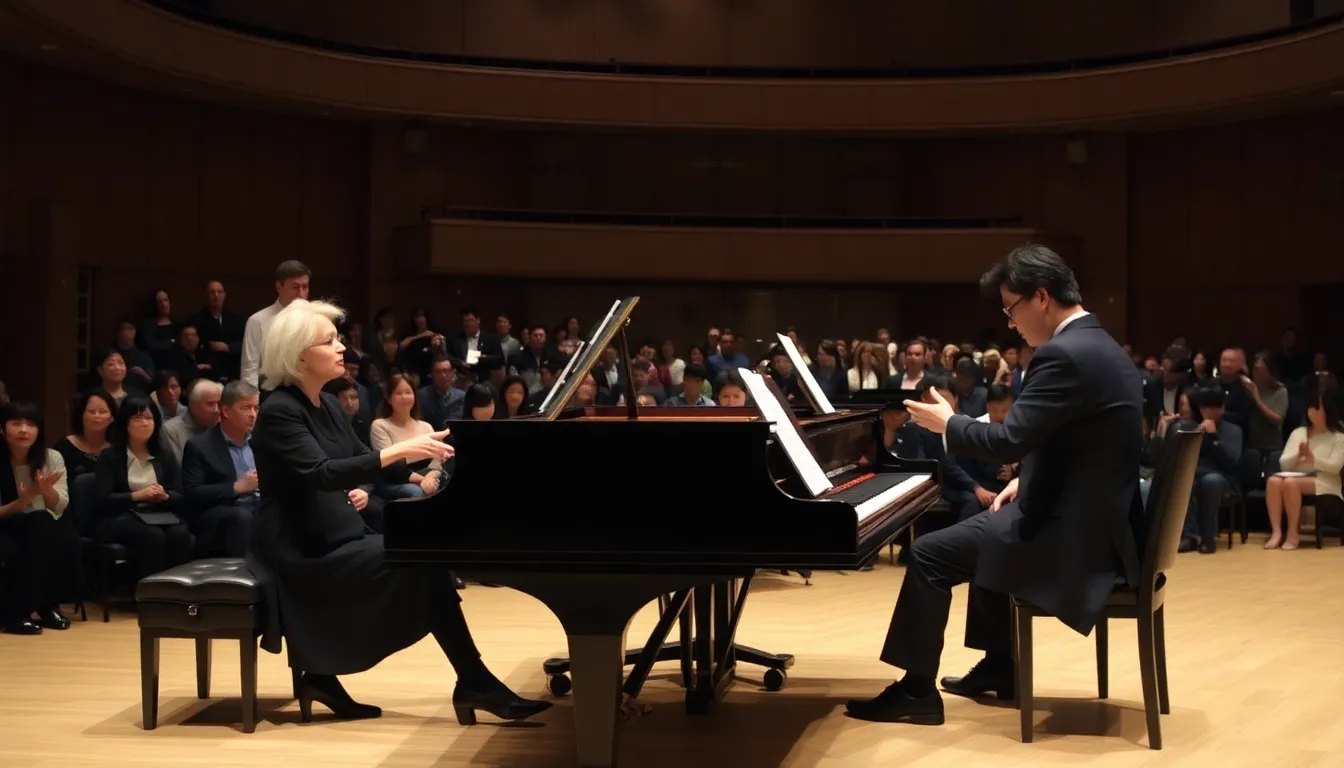
Frequently asked questions about the performance
Key takeaways from the musical collaboration
The recent performance by Martha Argerich and Dong-Hyek Lim showcased not only the exceptional talent of both musicians but also the profound impact of mentorship in the classical music world. Their unique synergy highlighted the importance of collaboration between seasoned artists and emerging talents, creating a rich tapestry of sound that resonated with audiences. This partnership serves as a reminder of the transformative power of music, bridging generational gaps and fostering artistic growth.
As we reflect on this remarkable collaboration, several implications arise for both performers and audiences alike. The interplay of styles and interpretations invites us to consider the evolving nature of classical music and the potential for innovation within traditional frameworks.
- The importance of mentorship in fostering the next generation of musicians cannot be overstated; established artists can provide invaluable insights and guidance.
- Collaborative performances can lead to new interpretations of classical works, encouraging audiences to engage with music in fresh ways.
- Investing in the development of young talent is crucial for the sustainability of classical music, ensuring a vibrant future for the genre.
- Audience engagement with live performances can deepen appreciation for the art form, highlighting the emotional connections that music can evoke.