


The launch team, which includes engineers and support staff from the space agency, is optimistic about the predictions. They have been preparing for various weather scenarios, but the current outlook allows them to proceed with confidence. Wind speeds are expected to remain below the critical threshold, further enhancing the likelihood of a successful liftoff.
This proactive approach is crucial, as weather conditions can change rapidly, making real-time data assessment essential for ensuring safety protocols are met. If you’re interested in understanding more about the critical role of safety in space missions, check out Exploring the Moon and Mars and the Importance of NASA’s Mission.
Public interest in the launch remains high, with many eager to witness the event. The favorable weather conditions not only bolster the mission’s prospects but also enhance the viewing experience for spectators both on-site and online. As the countdown continues, all eyes are on the skies, hoping for a smooth launch day.
Understanding the significance of weather in launch operations
This incident highlighted the need for stringent weather assessments prior to any launch, which has become standard practice in the industry. For additional insight on how recent advancements have improved safety, you may want to read about NASA’s Artemis II Crew and their journey to the Moon.
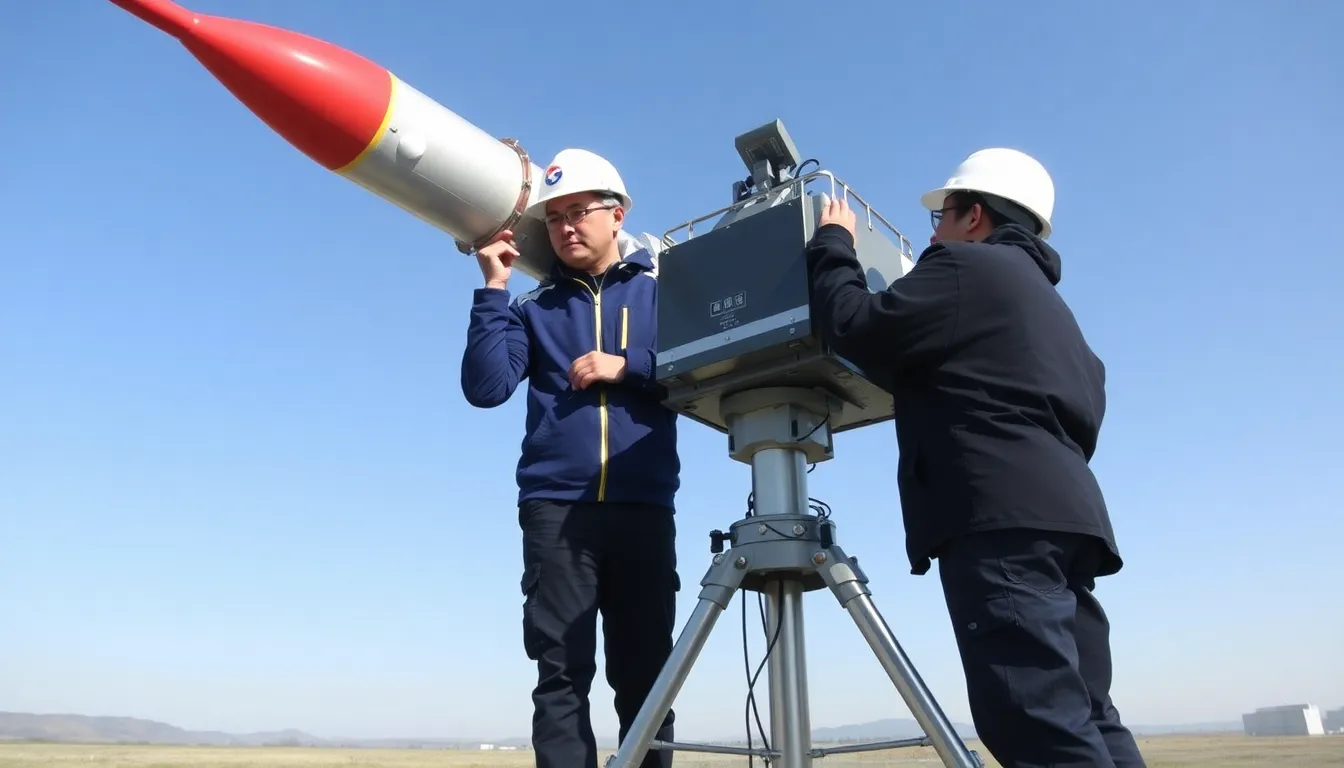
In the years following Challenger, space agencies and private companies have invested heavily in developing sophisticated meteorological tools and systems to predict weather patterns accurately. The integration of advanced satellite imagery and real-time data analysis has improved the ability to assess conditions such as wind speed, cloud cover, and precipitation, which are vital for launch safety.
Key milestones in weather assessment for launches
One of the significant milestones in this area was the establishment of the Launch Weather Officer (LWO) role by NASA, which became standard practice for all launches. The LWO is responsible for monitoring weather conditions and making informed decisions regarding launch readiness. This role has evolved over the decades, incorporating advanced technology and methodologies to ensure that launches are conducted under optimal conditions.
Moreover, the collaboration between meteorological agencies and space organizations has strengthened over time. For example, partnerships with the National Oceanic and Atmospheric Administration (NOAA) have allowed for more accurate forecasting and better communication of weather-related risks. This cooperation has proven essential, especially during critical launch windows when timing is paramount.
The history of launches affected by weather has shaped current practices, ensuring that safety remains the top priority while striving for successful missions. To learn more about past missions and their significance, consider exploring NASA’s Artemis II Crew and their journey to the Moon.
Key stakeholders and their concerns regarding weather conditions
As the launch date approaches, various stakeholders are closely monitoring weather conditions that could impact the event. These stakeholders include government agencies, aerospace companies, and local communities, each with their own interests and concerns.
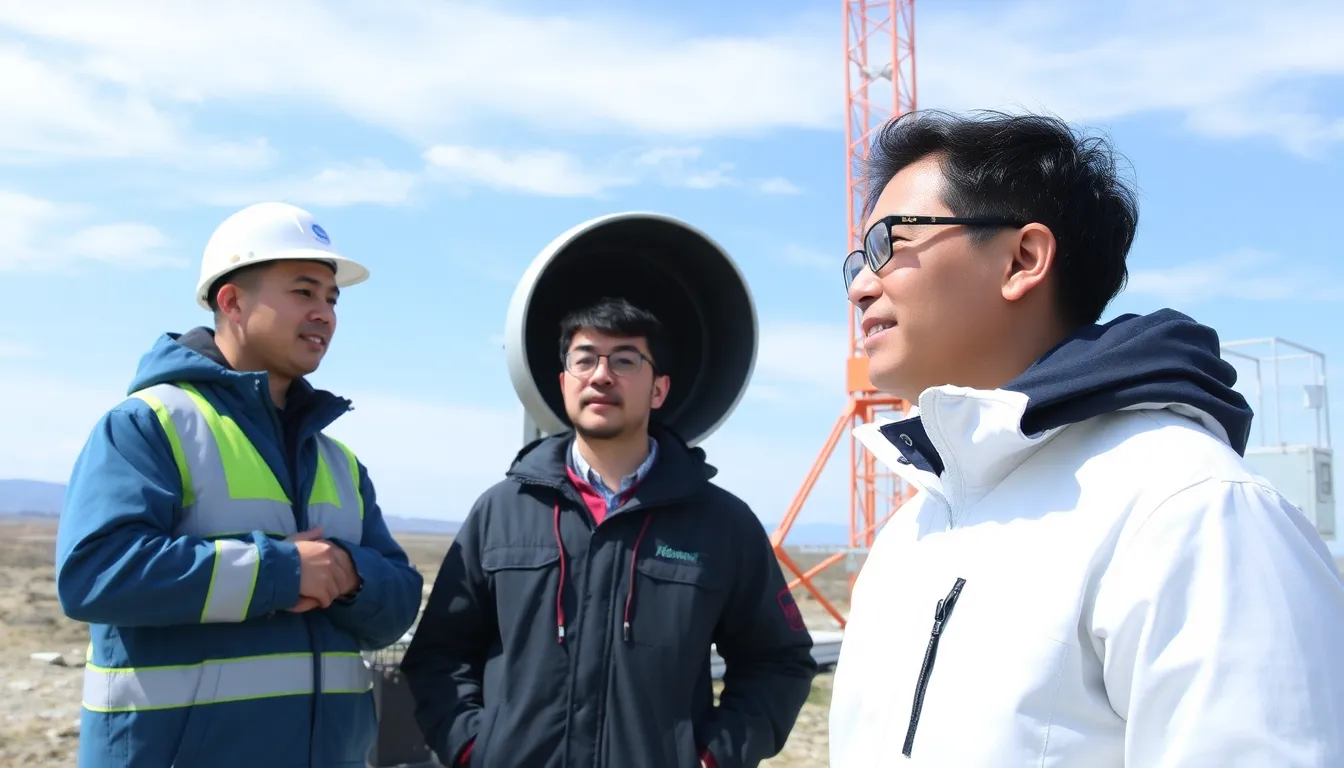
Government agencies, such as the Federal Aviation Administration (FAA) and the National Oceanic and Atmospheric Administration (NOAA), play a crucial role in ensuring that the launch adheres to safety regulations. Their primary concern is to mitigate risks associated with adverse weather, which could jeopardize both the mission and public safety. They rely on accurate weather forecasts to make informed decisions about launch windows.
Aerospace companies, including those directly involved in the launch, are focused on the technical aspects and timing of the event. Favorable weather conditions are essential for a successful launch, as they can affect rocket performance and trajectory. These companies are also interested in minimizing delays, as each postponement can lead to increased costs and resource allocation challenges.
Local communities near the launch site have their own set of concerns. They may worry about the environmental impact of the launch, including noise and potential hazards associated with rocket launches. Additionally, favorable weather conditions could lead to increased tourism and economic activity in the area, which some local businesses may support.
- Government agencies prioritize safety and regulatory compliance.
- Aerospace companies seek optimal launch conditions to avoid delays.
- Local communities are concerned about environmental impacts and economic opportunities.
- Weather forecasts must balance the interests of all stakeholders involved.
- Potential conflicts may arise if weather conditions do not align with launch schedules.
How favorable weather can influence the launch and related industries
The upcoming launch is set to benefit a variety of groups, particularly those in the aerospace, tourism, and local service industries. Favorable weather conditions can enhance visibility and safety, which are crucial for successful launches. This can lead to increased public interest and participation, thereby impacting local economies positively.
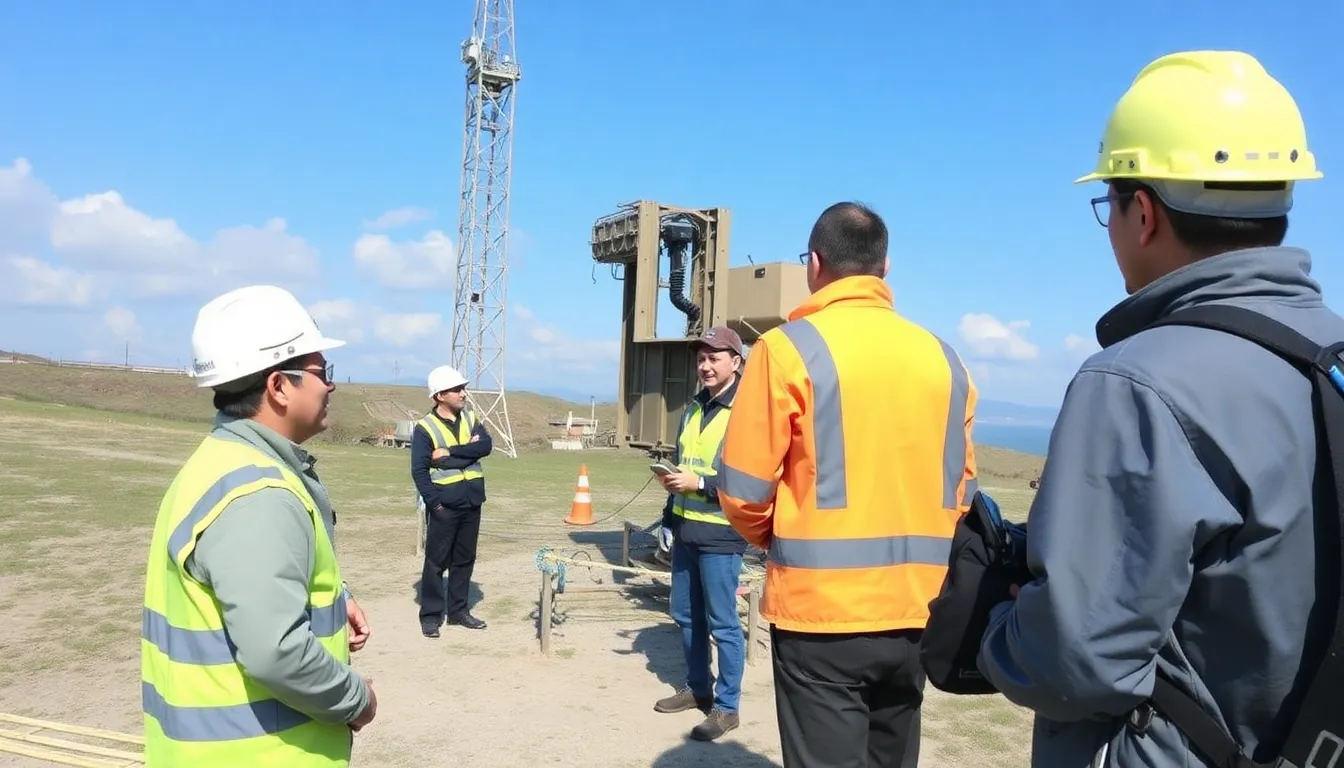
In the short term, businesses in the vicinity of the launch site may experience a surge in activity. Hotels, restaurants, and transportation services could see an influx of visitors eager to witness the event. This uptick can translate into higher revenues and job opportunities for local residents. Additionally, media coverage may boost tourism in the region, as people become more aware of the launch and its significance.
However, there are also risks involved. While favorable weather can enhance the launch, unexpected changes or localized weather events could pose challenges. Industries reliant on predictable conditions, such as agriculture and outdoor recreation, might face disruptions if weather patterns shift suddenly. Furthermore, the heightened attention on the launch could lead to increased scrutiny and regulatory considerations for future projects.
In the mid-term, the successful launch under favorable conditions can pave the way for more ambitious projects within the aerospace sector. This could lead to increased investments and innovations, benefiting not only the industry but also associated sectors such as technology and engineering. Moreover, positive public sentiment towards space exploration may influence policy decisions, encouraging governments to allocate more resources towards research and development.
- Increased local business activity and tourism.
- Potential regulatory scrutiny and challenges.
- Opportunities for innovation in aerospace and related industries.
- Enhanced public interest in space exploration.
A: Favorable weather conditions for a launch typically include clear skies, low wind speeds, and minimal precipitation. Meteorologists assess these factors to ensure safety and optimal performance. A: Weather forecasts are updated frequently, often multiple times a day, especially as the launch date approaches. This ensures that all stakeholders have the most current information. A: If weather conditions deteriorate unexpectedly, the launch may be delayed or rescheduled to ensure the safety of the crew and equipment. Safety is always the top priority. A: Yes, there are specific weather criteria that must be met, which can include visibility, wind speed, and cloud cover. These criteria are established by the launch agency. A: Weather conditions can significantly impact the launch vehicle’s trajectory and stability. For instance, high winds can affect lift-off and ascent, while lightning poses a serious risk.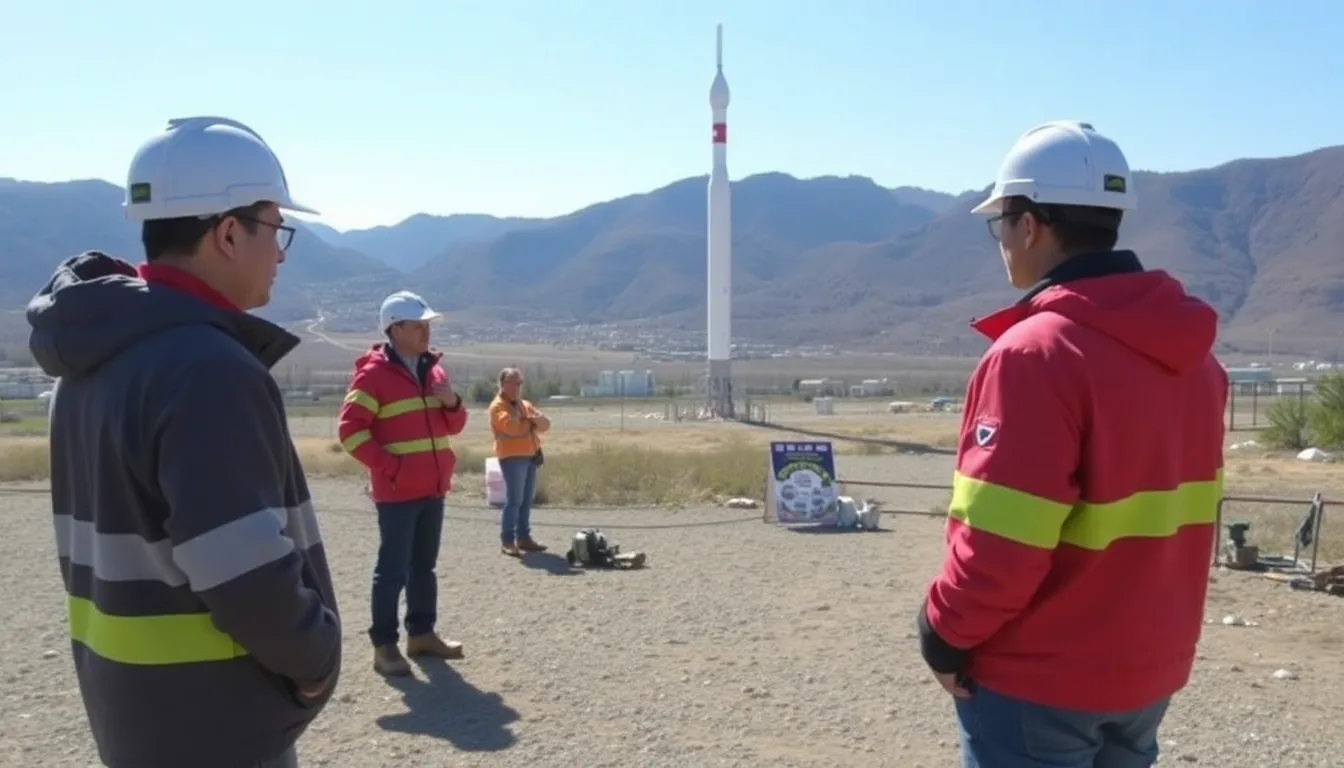
Frequently asked questions about the launch and weather conditions
Looking ahead: the implications of favorable weather for the launch
As the launch date approaches, the promising weather conditions signal a smooth path forward for the mission. The current forecasts suggest minimal disruptions, which could enhance the overall success rate of the operation. This favorable climate not only boosts confidence among the teams involved but also ensures that all systems can be tested under optimal conditions.
Monitoring the weather in the days leading up to the launch will remain crucial. Any sudden changes could still impact the timeline, but for now, the outlook is encouraging. Stakeholders should remain informed about potential shifts in the forecast to ensure readiness for any adjustments that may arise.
- Continued monitoring of weather patterns is essential as launch day approaches.
- Favorable weather may lead to increased public interest and engagement with the mission.
- Success in this launch could set a positive precedent for future missions scheduled in similar seasons.
- Teams should prepare contingency plans in case of unexpected weather changes closer to the launch.
- Effective communication with the public about weather conditions can enhance transparency and trust in the mission.