


On October 15, 2023, the United States presented a resolution advocating for a multinational naval presence to deter threats in the region. However, this proposal has faced significant pushback from countries like Russia and China, which argue that military intervention could exacerbate tensions and lead to further instability in the Middle East. For more insights into geopolitical maneuvering, read our article on Understanding the U.K. Leader’s Decision on U.S. Bombers Against Iran.
Furthermore, the ongoing conflict in Yemen and Iran’s recent military activities have raised alarms among international observers. The U.S. and its allies maintain that ensuring freedom of navigation in the Strait is crucial for global energy security, while opponents of the military approach emphasize diplomatic solutions as a more effective means to address the underlying issues.
As discussions continue, the potential for a stalemate looms large. The Security Council’s inability to reach a consensus could hinder international efforts to stabilize the region, leaving the Strait vulnerable to further disruptions and heightening the risk of military confrontations among involved nations. This ongoing uncertainty reflects a broader trend in global security dynamics.
Historical background of the Strait of Hormuz tensions
The Strait of Hormuz, a narrow waterway connecting the Persian Gulf to the Gulf of Oman, has been a focal point of geopolitical tensions for decades. This vital maritime corridor is crucial for global oil transportation, with approximately 20% of the world’s oil supply passing through it. Historically, the strategic significance of the strait has made it a flashpoint for conflict, particularly between Iran and Western powers, as well as neighboring Gulf states.
The roots of current tensions can be traced back to the 1979 Iranian Revolution, which transformed Iran from a pro-Western monarchy into an Islamic Republic. This shift not only altered Iran’s domestic policies but also its foreign relations, particularly with the United States and its allies in the region. To understand more about the recent implications of such shifts, check out our article on Pitchify introducing new services.
Key Milestones in Strait of Hormuz Conflicts
Over the years, several key incidents have heightened tensions in the Strait of Hormuz. In 2007, Iran conducted military exercises in the strait, showcasing its naval capabilities and signaling its willingness to assert control over this critical passage. In 2011, the Iranian government threatened to block the strait in response to international sanctions, raising alarms among oil-importing nations. More recently, incidents involving the seizure of oil tankers and attacks on maritime vessels have underscored the volatility of the region.
The United States has repeatedly emphasized its commitment to ensuring freedom of navigation in the strait, leading to the formation of international coalitions aimed at safeguarding maritime security. However, these efforts have often met resistance from Iran, which views such actions as encroachments on its sovereignty. The ongoing diplomatic standoffs and military posturing have created a precarious environment, where any miscalculation could escalate into broader conflict.
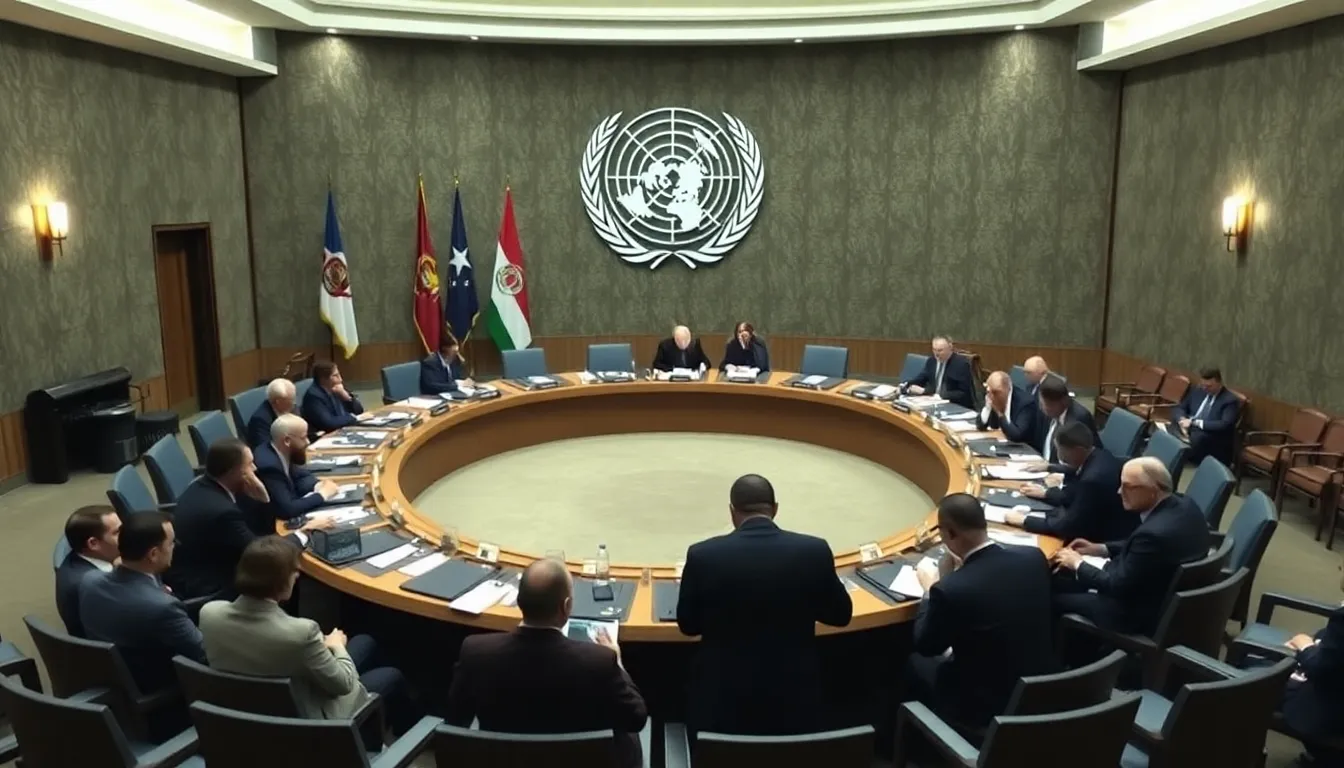
As discussions at the U.N. Security Council continue regarding the use of force to open the Strait of Hormuz, it is essential to consider the historical context that has shaped the current dynamics. The interplay of national interests, regional rivalries, and the global dependence on oil makes the strait a critical and contentious area in international relations.
Key stakeholders and their interests in the Strait of Hormuz
The Strait of Hormuz is a critical waterway for global oil transportation, making it a focal point for various stakeholders with divergent interests. The primary actors include the United States, Iran, Gulf Cooperation Council (GCC) countries, and international shipping companies. Each has distinct motivations that influence their stance on security and access to this vital passage.
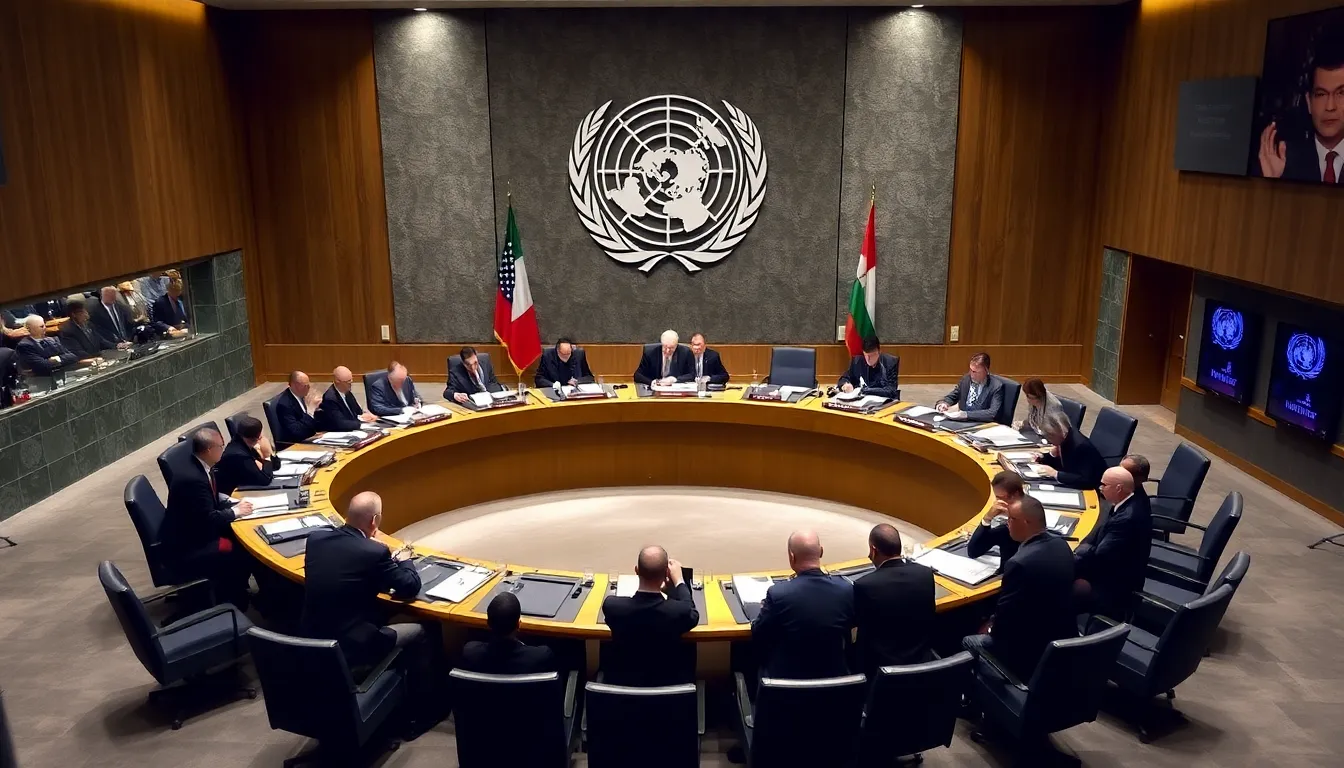
The United States views the Strait of Hormuz as essential for maintaining global energy security and ensuring free navigation. The U.S. has historically taken an active role in safeguarding this route, often citing the need to counter Iranian influence in the region. The American government is concerned about potential disruptions that could arise from Iranian military actions or threats, which could impact global oil prices and economic stability.
Iran, on the other hand, sees the Strait as a symbol of its sovereignty and a strategic asset for exerting regional power. The Iranian government is likely to oppose any foreign military presence in the area, perceiving it as a direct threat to its national security. Iran’s interests are further complicated by its need to maintain its oil exports amid international sanctions, making the Strait a critical lifeline for its economy.
- The Gulf Cooperation Council (GCC) countries, including Saudi Arabia and the UAE, are heavily reliant on the Strait for their oil exports. They support U.S. efforts to ensure security but also seek to balance their relationships with Iran.
- International shipping companies prioritize safe passage through the Strait, as any conflict could lead to increased shipping costs and insurance premiums.
- Legal issues arise regarding freedom of navigation, with various international laws governing maritime conduct. The U.N. Security Council’s role becomes crucial in mediating disputes and establishing frameworks for peacekeeping efforts.
As tensions mount, the interplay between these stakeholders reveals a complex web of interests. The potential for conflict in the Strait of Hormuz not only affects regional stability but also has far-reaching implications for global energy markets and international relations.
Potential impacts on global oil markets and regional stability
The ongoing tensions surrounding the Strait of Hormuz significantly affect various groups, industries, and regions. As a critical chokepoint for global oil transportation, any attempt to use force to open this vital passage can have far-reaching consequences. Countries heavily reliant on oil imports, particularly in Europe and Asia, are likely to face immediate supply disruptions, leading to increased energy prices and inflationary pressures.
In the short term, businesses that depend on stable oil prices, such as transportation and manufacturing, may experience heightened operational costs. Consumers could see rising prices at the pump and higher costs for goods, as companies pass on their increased expenses. Furthermore, uncertainty in oil supply can lead to volatility in financial markets, affecting investments and economic growth.
In the mid-term, the geopolitical landscape may shift as countries reassess their energy strategies. Nations may seek to diversify their energy sources or invest in alternative energy technologies to reduce their dependence on oil from the region. This could create opportunities for renewable energy industries and innovations in energy efficiency.
- Increased oil prices: Immediate impact on consumers and businesses due to supply disruptions.
- Market volatility: Financial markets may react negatively to geopolitical tensions.
- Shift in energy policies: Countries may accelerate diversification of energy sources.
- Opportunities for renewable energy: Growth potential for alternative energy sectors.
Moreover, regional stability is at risk as nations involved may engage in retaliatory measures, escalating conflicts and potentially drawing in global powers. This could lead to a prolonged state of unrest, further disrupting trade routes and economic activities in the Middle East. Conversely, a successful diplomatic resolution could foster cooperation and stability, opening avenues for investment and development in the region.
A: The Strait of Hormuz is a crucial maritime chokepoint for global oil shipments, with about 20% of the world’s oil passing through it. Its stability is vital for energy security worldwide. A: Various nations have proposed using military force to ensure the safe passage of vessels through the Strait, but these proposals face opposition and complex geopolitical dynamics. A: Several countries, including those with vested interests in regional stability, have expressed concerns about the escalation of military actions and potential conflicts. A: Military action could lead to significant geopolitical tensions, disrupt global oil supplies, and potentially spark wider conflicts in the Middle East. A: Any perceived threat to the stability of the Strait of Hormuz can lead to increased volatility in global oil prices, affecting economies worldwide.
Frequently asked questions about the Strait of Hormuz situation
Insights and future outlook on the Strait of Hormuz tensions
The ongoing tensions surrounding the Strait of Hormuz have reached a critical juncture, particularly with the recent attempts to galvanize international support for a forceful intervention. The challenges faced at the U.N. Security Council underscore the complexities of international diplomacy and the diverse interests of member states. As the geopolitical landscape evolves, stakeholders must navigate a multifaceted scenario where military action is weighed against diplomatic solutions.
Looking ahead, the situation remains fluid, and several factors will influence the trajectory of these tensions. The interplay between regional powers, global energy markets, and international diplomatic efforts will be pivotal in determining whether the Strait of Hormuz remains a flashpoint for conflict or moves towards a more stable environment.
- Monitor the responses of key players in the region, particularly Iran and Gulf states, as their actions will significantly impact security dynamics.
- Watch for shifts in U.S. foreign policy and military presence in the region, as these could alter the balance of power and influence negotiations.
- Observe how global oil prices react to developments in the Strait, as economic implications can drive further diplomatic engagement or escalation.
- Consider the role of international organizations and alliances in mediating tensions, as their effectiveness will be crucial in preventing conflict.
- Stay informed about public sentiment in nations involved, as domestic pressures can influence governmental decisions regarding military or diplomatic strategies.