


In parallel, Nasa is also preparing for its long-term goal of sending astronauts to Mars. The agency has been developing the Space Launch System (SLS) and the Orion spacecraft, which are critical for deep space exploration. As part of this effort, Nasa is conducting extensive research and technology development to address the challenges of human travel to Mars, targeted for the 2030s. For more insights on these developments, check out NASA’s Artemis II Crew.
The significance of these missions extends beyond mere exploration. They are designed to test new technologies and gather data that will inform future Mars missions. By establishing a sustainable presence on the Moon, Nasa aims to create a platform for learning how to live and work on another planetary body, which is essential for the eventual journey to Mars, as detailed in articles about SpaceX’s ambitions.
International collaboration is also a key aspect of Nasa’s lunar and Martian missions. Partnerships with space agencies like the European Space Agency (ESA) and private companies are being leveraged to enhance capabilities and share knowledge. This collaborative approach not only strengthens the missions but also fosters a global interest in space exploration.
Historical context of lunar exploration and plans for Mars
The quest for lunar exploration has deep roots in human history, dating back to ancient civilizations that gazed at the Moon with wonder and curiosity. However, the modern era of space exploration began in the mid-20th century during the Cold War, when the United States and the Soviet Union engaged in a fierce competition for technological supremacy. This rivalry culminated in the space race, which saw significant milestones such as the launch of Sputnik by the USSR in 1957 and the subsequent establishment of NASA in 1958.

The Apollo program, initiated in the 1960s, marked a pivotal moment in human space exploration. The most notable achievement was Apollo 11 in 1969, when astronauts Neil Armstrong and Buzz Aldrin became the first humans to set foot on the lunar surface. This monumental event not only showcased American ingenuity but also served as a symbol of national pride and technological advancement, inspiring generations to dream of exploring beyond our planet.
Following the Apollo missions, interest in lunar exploration waned, and funding for space programs diminished. However, the turn of the 21st century saw a resurgence of interest in both the Moon and Mars, driven by advancements in technology and a renewed understanding of the potential benefits of space exploration. The discovery of water ice on the Moon and evidence of past water on Mars has reignited scientific curiosity, prompting discussions about the feasibility of establishing a human presence on these celestial bodies. One such insightful resource discusses the implications of these missions and the changing landscape in space exploration.
The Artemis Program: A New Era of Lunar Exploration
In 2017, NASA announced the Artemis program, aimed at returning humans to the Moon by the mid-2020s. Artemis seeks not only to land the first woman and the next man on the lunar surface but also to establish a sustainable human presence by the end of the decade. This initiative is seen as a stepping stone for future manned missions to Mars, with the goal of sending astronauts to the Red Planet in the 2030s. The program emphasizes international collaboration and partnerships with private companies, reflecting a shift in how space exploration is approached in the modern era.
As the world watches these developments unfold, the implications of lunar exploration extend beyond scientific discovery. They encompass geopolitical dynamics, economic opportunities in space resources, and the potential for inspiring future generations to pursue careers in science, technology, engineering, and mathematics (STEM). The mission to the Moon and beyond is not just about reaching new frontiers; it is about uniting humanity in the pursuit of knowledge and exploration.
Key stakeholders and issues surrounding Nasa’s missions
Nasa’s ambitious plans for lunar and Martian exploration involve a multitude of stakeholders, each with distinct interests and objectives. Key players include government agencies, private companies, international partners, and scientific communities. The U.S. government, through Nasa, aims to advance space exploration, enhance national security, and foster technological innovation. Meanwhile, private aerospace companies see opportunities for commercial ventures and partnerships that could reshape the space economy.
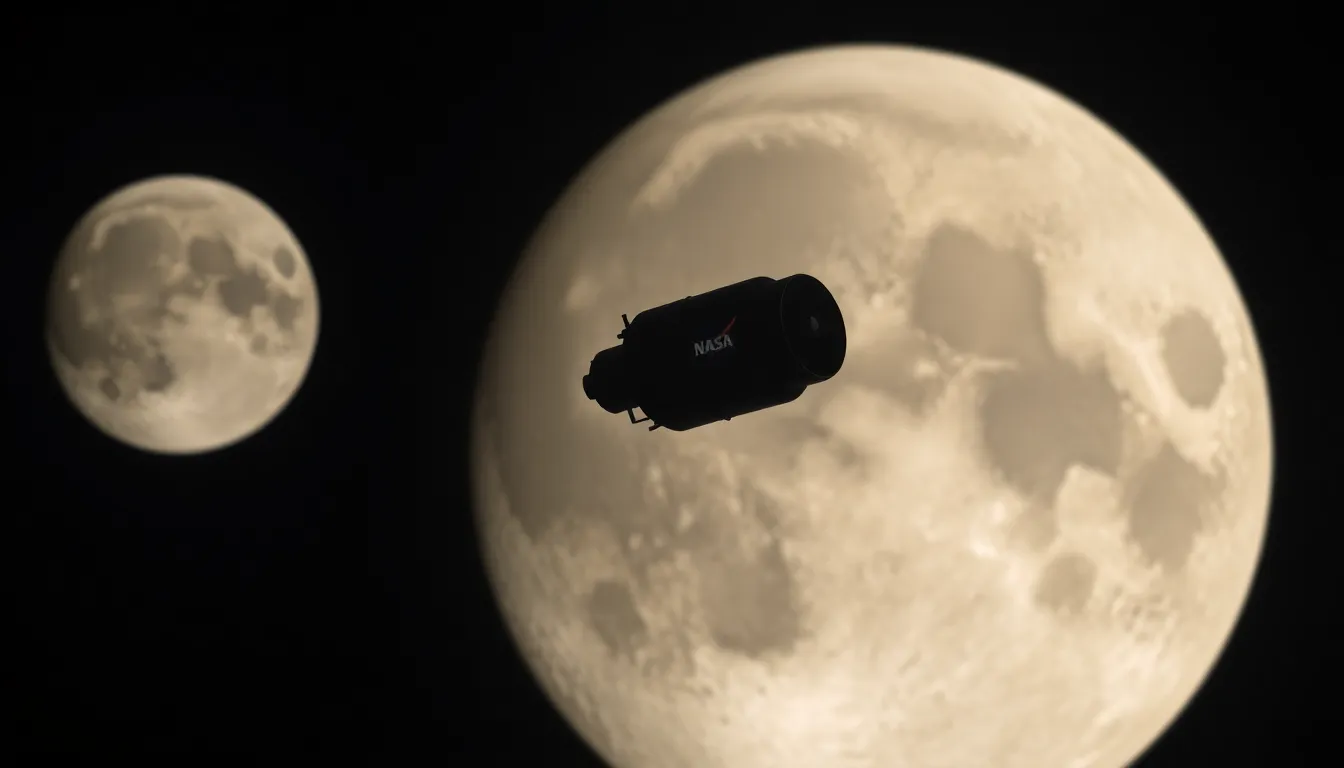
International collaboration is another crucial aspect, as countries like the European Union, China, and Russia have their own space agendas. These nations may seek to establish their presence on the Moon and Mars, leading to potential conflicts over resources and territorial claims. The involvement of international partners can also create trade-offs between cooperation and competition, particularly in the context of scientific research and exploration goals.
Legal and economic issues are at the forefront of discussions surrounding Nasa’s missions. The Outer Space Treaty of 1967, which governs the activities of countries in space, raises questions about the ownership of lunar and Martian resources. As nations and private entities push for mining and utilization of extraterrestrial materials, the need for updated regulations becomes increasingly critical. The economic implications of these missions, including funding, investment, and potential returns, will also play a significant role in shaping future endeavors.
- Resource allocation: Balancing funding between lunar and Martian missions while addressing domestic needs.
- Technological innovation: Encouraging private sector involvement to drive advancements in space technology.
- International treaties: Navigating existing laws and potentially creating new frameworks for space resource utilization.
- Public interest: Ensuring that missions align with public support and scientific curiosity.
- Environmental concerns: Addressing the ecological impact of space missions on celestial bodies.
Impact of Nasa’s missions on science and society
Nasa’s ambitious missions to the Moon and Mars have far-reaching implications for various groups, industries, and regions. Scientists, engineers, and researchers are at the forefront, as these missions provide invaluable data that can enhance our understanding of planetary science and astrobiology. The aerospace industry also stands to benefit significantly, as advancements in technology and engineering are required to support these missions.
In the short term, local economies in regions involved in space exploration, such as Florida and Texas, may experience a boost due to increased employment opportunities in the aerospace sector. Businesses that provide goods and services to support Nasa’s missions, including construction, logistics, and technology firms, can expect increased demand. Additionally, educational institutions may see a rise in interest in STEM (Science, Technology, Engineering, and Mathematics) fields as students become inspired by these groundbreaking missions.

In the mid-term, the potential for international collaboration on space exploration can foster diplomatic relationships and promote peace. Countries that engage in joint missions or share research may find new avenues for cooperation in other areas, such as climate change and technology transfer. However, this global engagement also comes with risks, including geopolitical tensions over space resources and technology sharing.
Moreover, the push for sustainable practices in space exploration can lead to innovations that benefit life on Earth. For instance, technologies developed for water recycling or energy efficiency in space could be adapted for use in developing regions, addressing critical issues like water scarcity and energy access.
- Economic growth in aerospace and related industries.
- Increased STEM engagement among students and young professionals.
- International collaboration fostering global partnerships.
- Technological innovations with potential Earth applications.
- Geopolitical risks related to space resources.
A: The main goal is to establish a sustainable human presence on the Moon and prepare for future missions to Mars, which will help advance our understanding of the solar system. A: Nasa plans to use the Artemis program to land the first woman and the next man on the Moon by 2024, utilizing advanced technologies and international partnerships. A: Mars offers the potential for discovering past life and understanding planetary evolution, making it a prime target for human exploration and scientific research. A: Technologies such as the Space Launch System, Orion spacecraft, and lunar landers are being developed to support safe travel and exploration on the Moon and Mars. A: The research and technologies developed through these missions can lead to advancements in science, engineering, and even potential solutions for challenges faced on Earth.
Frequently asked questions about Nasa’s missions
Key insights and future outlook for Nasa’s exploration efforts
Nasa’s renewed focus on lunar missions serves as a crucial stepping stone for future interplanetary exploration, particularly the ambitious goal of reaching Mars. The Artemis program not only aims to establish a sustainable human presence on the Moon but also to test technologies and strategies that will be vital for the challenges of a manned mission to Mars. As we observe the developments from the Moon missions, it is essential to consider their broader implications for space exploration and international collaboration.
As Nasa advances its lunar objectives, the lessons learned will inform not only technical innovations but also policy frameworks that govern space exploration. The collaboration with international partners and private enterprises will play a pivotal role in shaping the future landscape of space travel, making it imperative to monitor these partnerships and their outcomes.
- Technological Innovation: Expect advancements in life support systems and habitat construction that will benefit both lunar and Martian missions.
- International Collaboration: Watch for increasing partnerships between nations and private companies, which could redefine global space exploration efforts.
- Scientific Research: Anticipate significant scientific discoveries stemming from lunar missions that could inform our understanding of Mars and beyond.
- Public Engagement: The growing excitement around lunar exploration may enhance public interest and investment in STEM fields, fostering the next generation of explorers.
- Policy Development: Keep an eye on evolving policies regarding space governance, particularly concerning resource utilization and planetary protection.