


The current average price reflects a notable rise from previous months, with some regions experiencing even higher costs. For instance, states like California have reported prices exceeding $5 per gallon, intensifying the financial strain on consumers who are already facing inflationary pressures in other areas of their lives, a topic that resonates with discussions around economic challenges in various sectors.
This increase in gas prices is not only a financial burden for everyday Americans but is also becoming a focal point in political discussions. Former President Donald Trump has publicly criticized the Biden administration’s energy policies, arguing that they have contributed to the rising fuel costs, which he describes as a ‘headache’ for drivers.
The implications of these rising prices extend beyond individual budgets; they also threaten to impact the broader economy. Higher fuel costs can lead to increased transportation expenses, which may eventually be passed on to consumers in the form of higher prices for goods and services.
The surge in U.S. gas prices to an average of $4 a gallon is a multifaceted issue rooted in a combination of historical, political, and economic factors. Over the past few decades, fluctuations in oil prices have been influenced by global supply and demand dynamics, geopolitical tensions, and domestic policy decisions. This situation is similarly discussed in contexts like the impact of external events on market stability.
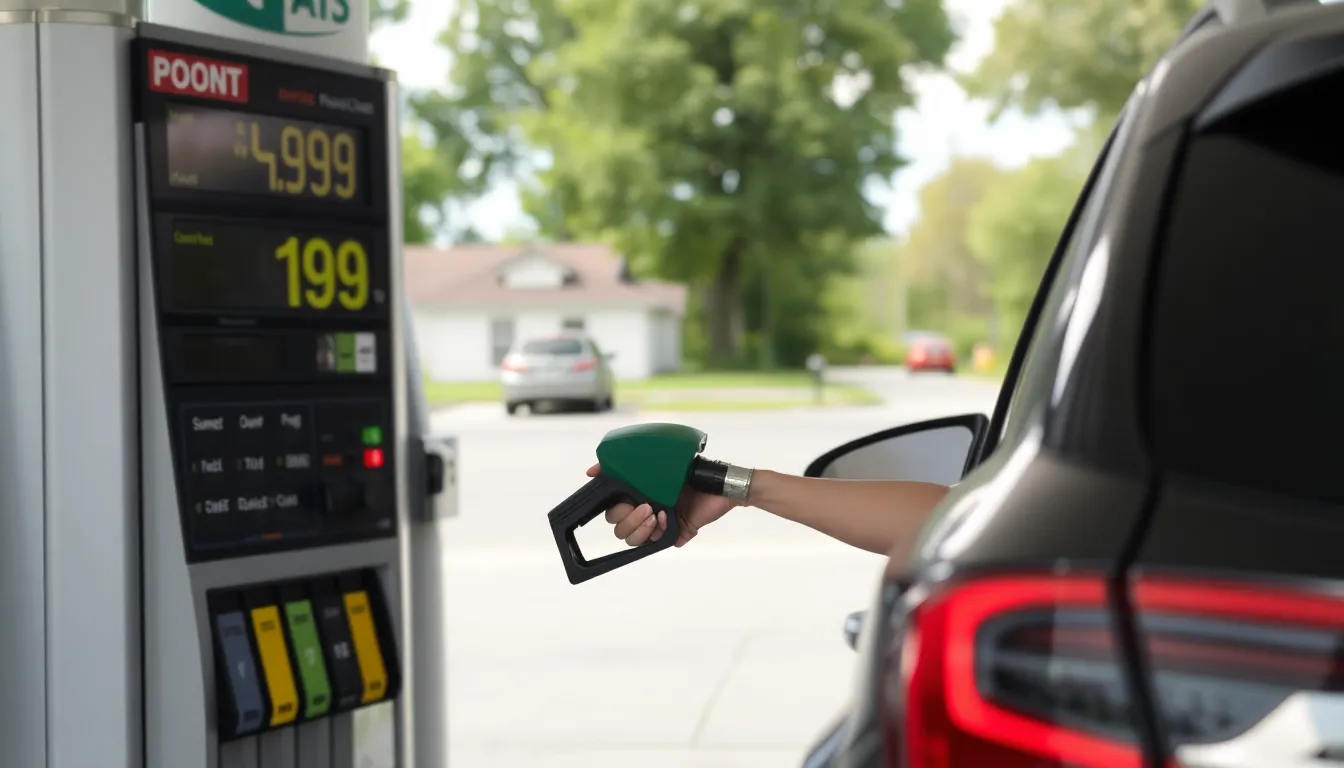
Understanding the factors contributing to rising gas prices
The surge in U.S. gas prices to an average of $4 a gallon is a multifaceted issue rooted in a combination of historical, political, and economic factors. Over the past few decades, fluctuations in oil prices have been influenced by global supply and demand dynamics, geopolitical tensions, and domestic policy decisions. As the economy recovers from the impacts of the COVID-19 pandemic, increased demand for fuel has coincided with supply chain disruptions, leading to significant price hikes at the pump.
Historically, oil prices have been volatile, often spiking due to conflicts in oil-rich regions or decisions made by major oil-producing nations. The Organization of the Petroleum Exporting Countries (OPEC) has played a pivotal role in regulating oil supply, and any shifts in their production quotas can lead to immediate price changes. For instance, the 1973 oil crisis, triggered by an OPEC embargo, caused prices to soar and had lasting effects on U.S. energy policy and consumer behavior.
In recent years, the U.S. has seen a push toward energy independence, with domestic production reaching record levels thanks to advancements in drilling technology and fracking. However, this independence is fragile and can be easily disrupted by external factors. The ongoing conflict between Russia and Ukraine has exacerbated global energy uncertainties, as sanctions on Russian oil have tightened supply and driven prices higher. This geopolitical landscape has created a ‘perfect storm’ for American drivers, who are now feeling the pinch at the gas station.
The Political Landscape and Its Influence
The political environment also plays a critical role in shaping gas prices. Decisions made by the current administration regarding energy policies, environmental regulations, and relations with oil-producing nations can have immediate effects on fuel costs. Former President Donald Trump, who championed energy independence during his tenure, has criticized the current administration’s policies, arguing that they have contributed to rising gas prices. As political debates intensify, the impact of gas prices on voters’ sentiments could shape upcoming elections and influence future energy strategies.
Examining the implications for drivers and political figures
The recent surge in U.S. gas prices, reaching an average of $4 a gallon, has created significant concern among various stakeholders, including drivers, political leaders, and energy companies. Each group has distinct interests and perspectives that shape their reactions to this economic challenge.
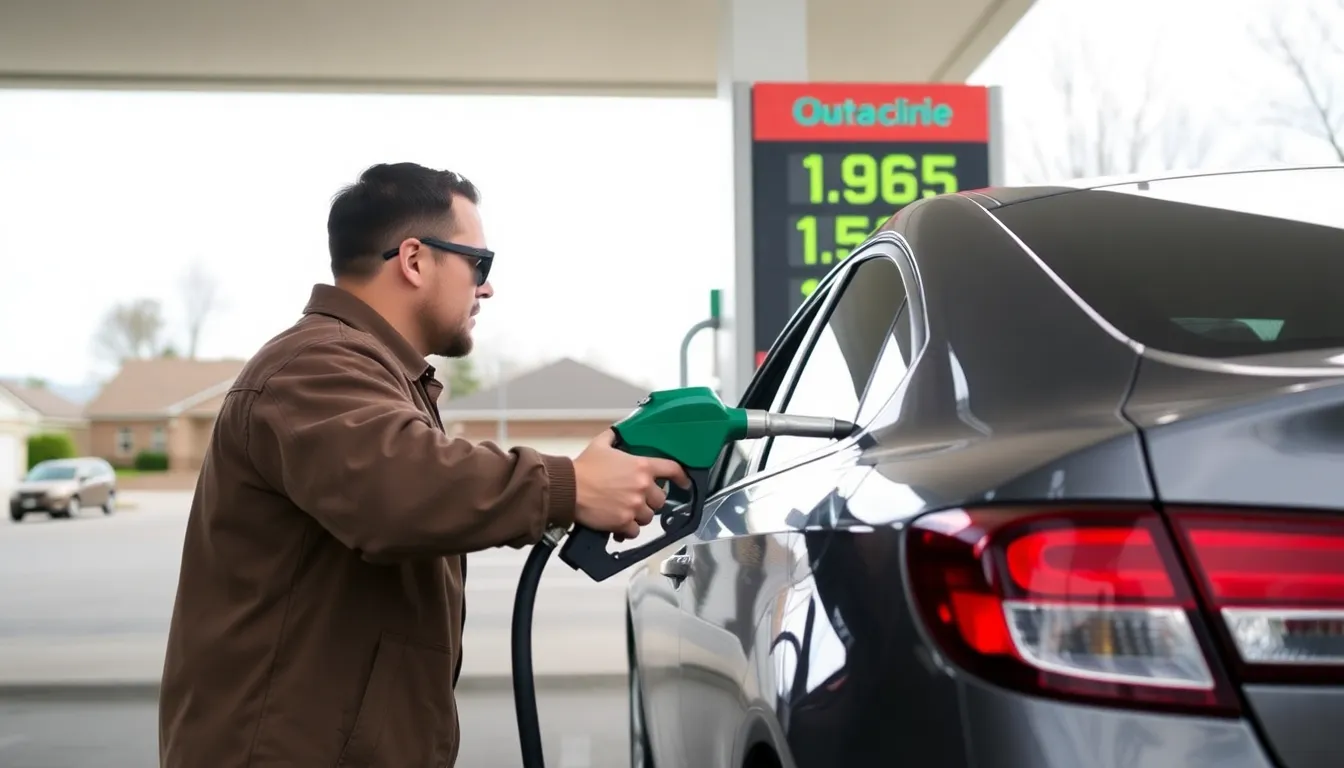
For everyday drivers, rising gas prices translate directly into increased transportation costs, impacting their budgets and overall spending power. Many families are feeling the pinch, with commuting expenses taking a larger share of their income. This situation has led to heightened frustration and calls for action from government officials to alleviate the financial burden on consumers.
On the political front, former President Donald Trump has positioned himself as a vocal critic of the current administration’s energy policies. His interest lies in leveraging the gas price crisis to galvanize support for his party ahead of upcoming elections, reflecting the broader interplay between economic issues and political strategy.
Meanwhile, energy companies are navigating a complex landscape of supply chain challenges and regulatory pressures. Their interests often conflict with those of consumers, as higher prices can lead to increased profits for these companies, even as public dissatisfaction grows. This creates a trade-off between corporate profitability and consumer affordability, raising questions about the sustainability of current pricing trends.
- Drivers face increased costs that affect their daily lives and spending habits.
- Political figures, especially those in opposition, may use the crisis to challenge current policies and gain electoral support.
- Energy companies balance profit motives with public perception and regulatory scrutiny.
- Rising prices could lead to broader economic implications, including inflationary pressures.
- Long-term solutions may require collaboration among stakeholders to address supply and demand dynamics.
How rising gas prices affect consumers and the economy
The recent surge in U.S. gas prices, now averaging $4 a gallon, is impacting a wide range of groups and industries. Primarily, everyday consumers are feeling the pinch, particularly those who rely heavily on their vehicles for commuting, work, and daily errands. Families with tight budgets may find it challenging to accommodate increased fuel costs, leading to adjustments in spending habits.
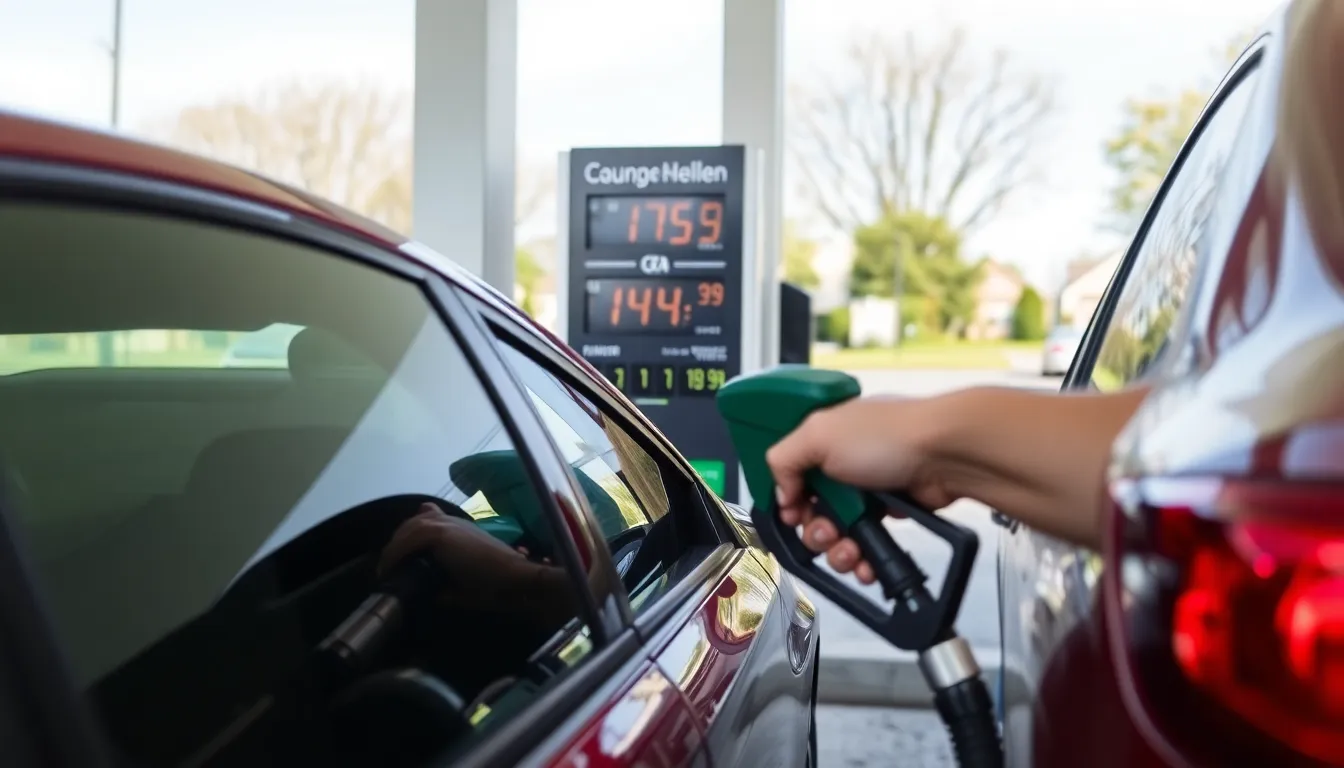
Additionally, industries such as transportation and logistics are facing significant challenges. Higher fuel costs can lead to increased shipping expenses, which may be passed on to consumers in the form of higher prices for goods. This can affect everything from grocery bills to the cost of online shopping, ultimately impacting inflation rates and consumer spending.
Regions that are heavily dependent on driving, such as suburban and rural areas, are particularly vulnerable. In these areas, public transportation options may be limited, making residents more reliant on gasoline-powered vehicles. The strain on budgets could lead to reduced travel and leisure activities, impacting local businesses that rely on consumer spending.
- Short-term impacts: Increased commuting costs, reduced disposable income, and potential shifts in consumer behavior.
- Mid-term impacts: Strain on small businesses, potential shifts to alternative transportation, and changes in policy regarding energy and fuel.
- Risks: Economic slowdown, increased inflation, and political backlash against current policies.
- Opportunities: Growth in electric vehicle sales, increased investment in public transport, and potential innovations in fuel efficiency.
As these dynamics unfold, policymakers may feel pressured to address rising fuel costs, potentially leading to new energy policies or subsidies aimed at alleviating the burden on consumers. The political landscape could also shift, with candidates like Trump using the situation to rally support against the current administration’s energy policies.
A: Gas prices have surged due to a combination of factors including supply chain disruptions, increased demand, and geopolitical tensions affecting oil production. A: Higher gas prices lead to increased transportation costs, which can affect the prices of goods and services, ultimately straining household budgets. A: Politicians, including former President Trump, have voiced concerns over rising gas prices, linking them to broader economic issues and energy policies. A: While predictions vary, analysts suggest that prices may remain high due to ongoing market volatility and seasonal demand fluctuations. A: Consumers can look for ways to reduce fuel consumption, consider carpooling, or use public transportation to mitigate the impact of high gas prices.
Frequently Asked Questions about gas prices
Key takeaways and future outlook on gas prices
The recent surge in U.S. gas prices, reaching an average of $4 a gallon, has significant implications for consumers and the broader economy. As drivers face increased costs at the pump, the potential for reduced consumer spending in other areas becomes a pressing concern. Additionally, the political ramifications, particularly for figures like Donald Trump, highlight how energy prices can influence public sentiment and electoral dynamics.
Looking ahead, several factors will play a crucial role in determining the trajectory of gas prices. Global oil supply dynamics, geopolitical tensions, and domestic energy policies will all contribute to market fluctuations. Observing these trends will be essential for understanding how long consumers may grapple with high prices and how this could shape the economic landscape.
- Monitor global oil supply: Changes in production levels from major oil-exporting countries could significantly impact gas prices.
- Watch for policy shifts: Legislative measures aimed at energy independence or climate initiatives may influence long-term pricing strategies.
- Consumer behavior trends: Increased adoption of electric vehicles and public transportation could alter demand patterns in the coming years.
- Political implications: The effect of gas prices on voter sentiment could reshape upcoming elections and influence policy priorities.
- Economic indicators: Keep an eye on inflation rates and consumer spending, as high gas prices may lead to broader economic challenges.