


Prominent directors such as Pedro Almodovar and Nicolas Winding Refn are expected to take center stage at the festival, showcasing their unique storytelling styles. Almodovar, known for his vibrant narratives and complex characters, has been a regular at Cannes, while Winding Refn’s provocative films have also garnered critical acclaim. Their presence could signal a renewed emphasis on artistic cinema over commercial blockbusters, similar to the artistic achievements highlighted in Slick Rick’s influence on hip-hop.
Industry analysts suggest that the absence of major studios could alter the festival’s dynamics, potentially leading to a more diverse array of films. With the rise of independent cinema, Cannes 2026 may highlight voices that are often overshadowed in mainstream Hollywood. This shift could provide a platform for emerging talents and innovative storytelling.
The festival is scheduled to take place from May 17 to May 28, 2026, and anticipation is building around how this new landscape will affect both the event and the global film community. As the industry continues to evolve, Cannes may emerge as a crucial venue for showcasing the future of cinema, reflecting broader trends and the changing tastes of audiences worldwide.
The Historical Significance of Cannes Film Festival
Since its inception in 1946, the Cannes Film Festival has served as a prestigious platform for filmmakers from around the globe. It has not only showcased exceptional cinematic works but has also played a pivotal role in shaping the film industry. The festival’s red carpet has become synonymous with glamour and creativity, attracting filmmakers, actors, and industry insiders, making it a barometer for the evolving tastes and trends in cinema.
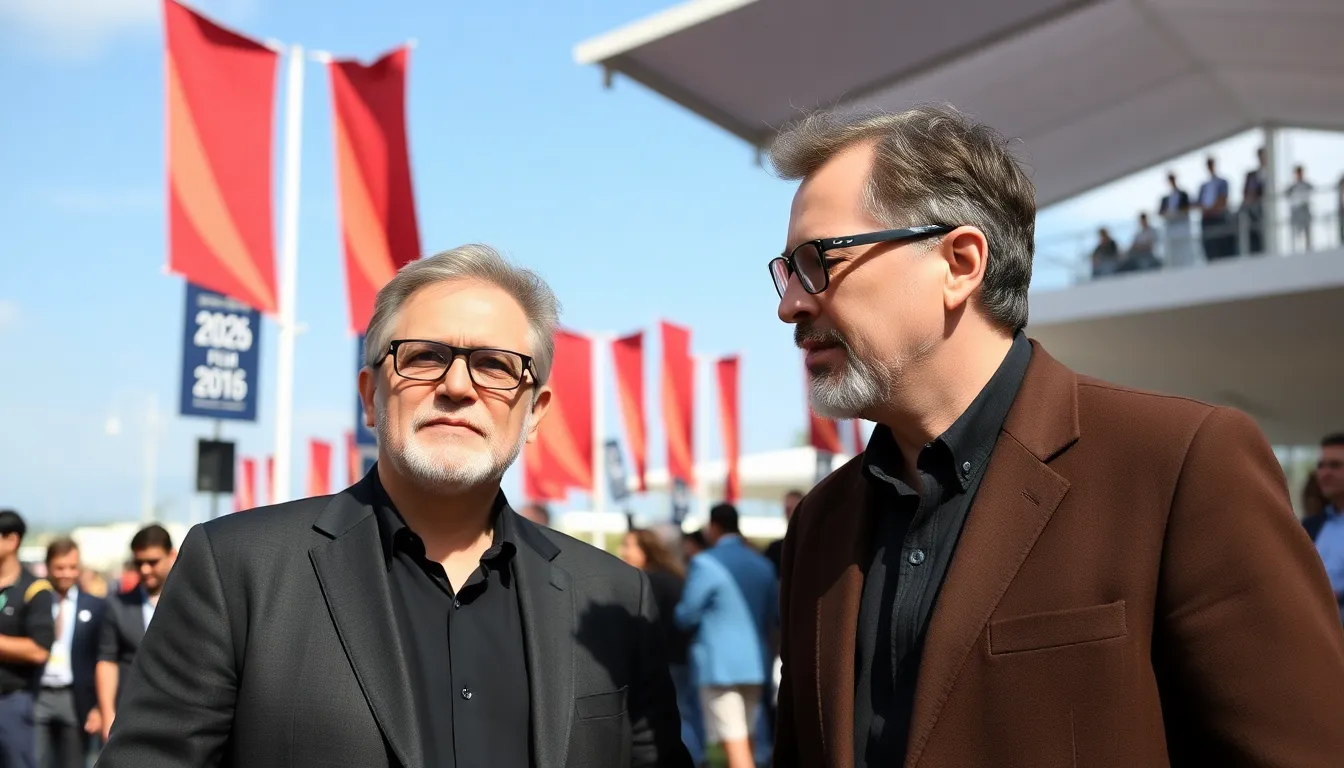
However, the landscape of cinema has changed dramatically, particularly with the rise of streaming platforms and shifts in audience consumption patterns, leading to a notable absence of major Hollywood studios in recent years. This evolution reflects similar shifts seen in various fields, such as those discussed in BBC Inside Science.
Shifts in Industry Dynamics
The decision of Hollywood studios to sit out Cannes 2026 can be traced to a broader trend in the film industry. The increasing dominance of streaming services has altered how films are produced, marketed, and distributed. Studios are now prioritizing direct-to-streaming releases over traditional theatrical debuts, which has been a key factor in their diminished presence at Cannes.
This shift has paved the way for auteur filmmakers like Pedro Almodovar and Nicolas Winding Refn to reclaim the spotlight, driving a lineup that emphasizes artistic vision over commercial viability. This trend is not unlike the evolution of services provided by new platforms like Pitchify, which aim to adapt to changing industry needs.
As the film industry continues to evolve, the implications of these changes on festivals like Cannes are profound. The absence of Hollywood studios may signal a new era where independent and auteur-driven films dominate, reshaping the festival’s identity and its role in the global cinematic landscape.
Key Auteurs Shaping the 2026 Lineup
The 2026 Cannes Film Festival is poised to highlight a range of influential filmmakers, particularly those who have established themselves as key auteurs in the industry. With Hollywood studios opting out of the festival, figures like Pedro Almodovar and Nicolas Winding Refn are expected to take center stage, bringing their unique visions to the forefront of the cinematic conversation.

This shift in focus raises questions about the interests of various stakeholders involved in the festival. Auteurs like Almodovar and Refn are driven by a desire for creative freedom and recognition, while festival organizers aim to maintain Cannes’ reputation as a premier platform for innovative cinema. Meanwhile, the absence of major Hollywood studios may signal a changing landscape in film distribution and production.
Several key issues arise from this dynamic, including:
- Economic Impact: The withdrawal of Hollywood studios could affect the festival’s financial ecosystem, potentially reducing sponsorship and media coverage.
- Cultural Shifts: A focus on auteur-driven films may lead to a resurgence of independent cinema, challenging mainstream narratives and diversifying the types of stories told.
- Competition for Attention: With fewer big-budget films, smaller productions may struggle to gain visibility amidst the hype surrounding established auteurs.
- Legal Considerations: Intellectual property rights and distribution agreements may become more complex as independent filmmakers navigate international markets.
As Cannes 2026 approaches, the interplay between these stakeholders and issues will shape the festival’s identity and influence the broader film industry. The outcome could redefine what it means to be a part of this prestigious event, highlighting the importance of artistic vision in an era increasingly dominated by commercial interests.
Potential Impact on the Film Industry and Audiences
The decision of Hollywood studios to sit out Cannes 2026 is poised to have significant repercussions across various sectors of the film industry. Independent filmmakers and international auteurs, such as Pedro Almodovar and Nicolas Winding Refn, may find themselves in the spotlight, potentially reshaping the festival’s narrative and appeal. This shift could lead to a more diverse lineup, showcasing a range of voices that might otherwise be overshadowed by major studio productions.
In the short term, audiences may experience a richer cinematic experience at Cannes, as the absence of Hollywood blockbusters opens the door for innovative storytelling and unique artistic expressions. However, this shift could also lead to a disconnect for mainstream audiences who typically flock to high-profile premieres. The festival’s traditional allure may be challenged, impacting ticket sales and overall attendance.
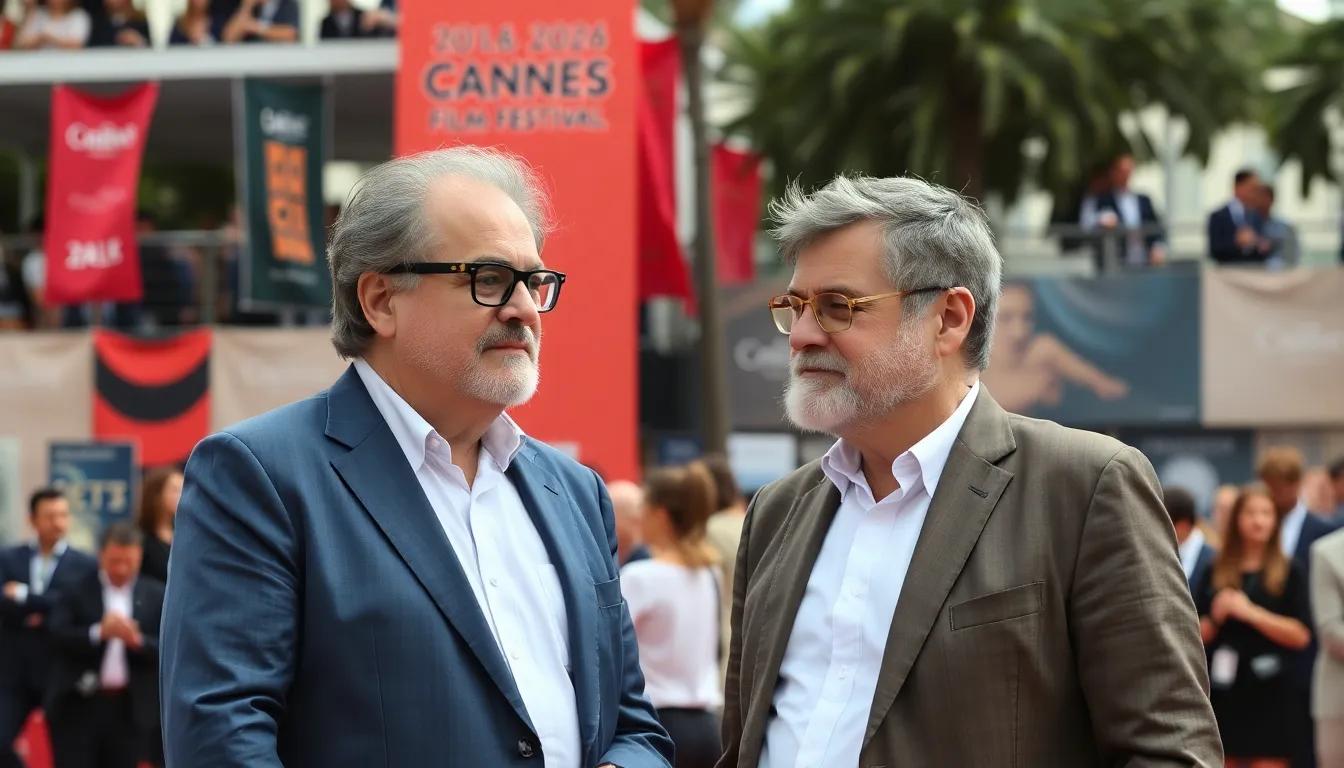
From a business perspective, independent film distributors and production companies may see an uptick in opportunities as the festival highlights their work. This could foster a more competitive market, encouraging creativity and collaboration among filmmakers. Conversely, the lack of major studio presence might lead to reduced sponsorship and investment in the festival, affecting its financial viability and long-term sustainability.
- Short-term impacts: Increased visibility for independent films, potential decline in mainstream audience engagement.
- Mid-term impacts: Shift in festival dynamics, potential changes in funding and sponsorship models.
- Risks: Financial instability for the festival, possible alienation of traditional audiences.
- Opportunities: Greater diversity in film selection, enhanced platform for emerging filmmakers.
Regions that traditionally rely on the glamour of Cannes to boost tourism and local economies may also feel the effects. The festival’s ability to draw international attention and visitors could be diminished, impacting local businesses that thrive on the influx of festival-goers. However, if the festival successfully embraces its new direction, it could attract a different demographic, potentially revitalizing interest in the arts and culture scene in Cannes.
A: Hollywood studios are reportedly focusing on streaming platforms and other film festivals, which may offer better exposure and financial returns. A: Notable filmmakers like Pedro Almodovar and Nicolas Winding Refn are anticipated to lead the lineup, bringing unique and artistic visions to the festival. A: The absence of major studios may create more opportunities for independent filmmakers to gain visibility and recognition at Cannes. A: Cannes is a prestigious platform that can significantly boost a film’s international profile, impacting distribution and audience reception worldwide. A: While Hollywood blockbusters may be absent, the festival is expected to feature several highly anticipated films from acclaimed directors.
Frequently Asked Questions About Cannes 2026
Looking Ahead: The Future of Cannes 2026
The absence of major Hollywood studios at Cannes 2026 signals a significant shift in the festival landscape, potentially opening the door for a more diverse array of films. With renowned auteurs like Pedro Almodovar and Nicolas Winding Refn taking center stage, the festival may prioritize artistic vision over commercial viability, reshaping audience expectations and industry dynamics. This evolution could lead to a richer exploration of global narratives and innovative storytelling.
As the festival approaches, it will be crucial to monitor how this shift influences not only the selection of films but also the conversations surrounding them. The emphasis on auteur-driven projects may foster a new appreciation for independent cinema and challenge traditional marketing strategies within the film industry.
- Watch for a surge in independent films: With Hollywood studios stepping back, expect a greater focus on indie filmmakers and their unique narratives.
- Increased global representation: Auteurs from various countries may bring fresh perspectives, highlighting underrepresented voices in cinema.
- Shifts in audience engagement: The festival’s focus on art over commerce may lead to new ways for audiences to interact with films, possibly through immersive experiences.
- Potential for new partnerships: Independent filmmakers may seek collaborations with tech companies and streaming platforms to reach wider audiences.