


Despite the joyous occasion, the celebration is overshadowed by ongoing controversy regarding the legitimacy of their title. Questions have emerged about officiating decisions during the tournament, particularly concerning a disputed penalty awarded in the final match against Egypt, which has sparked debate among fans and analysts alike. For more information on tournament outcomes and officiating decisions, visit the link.
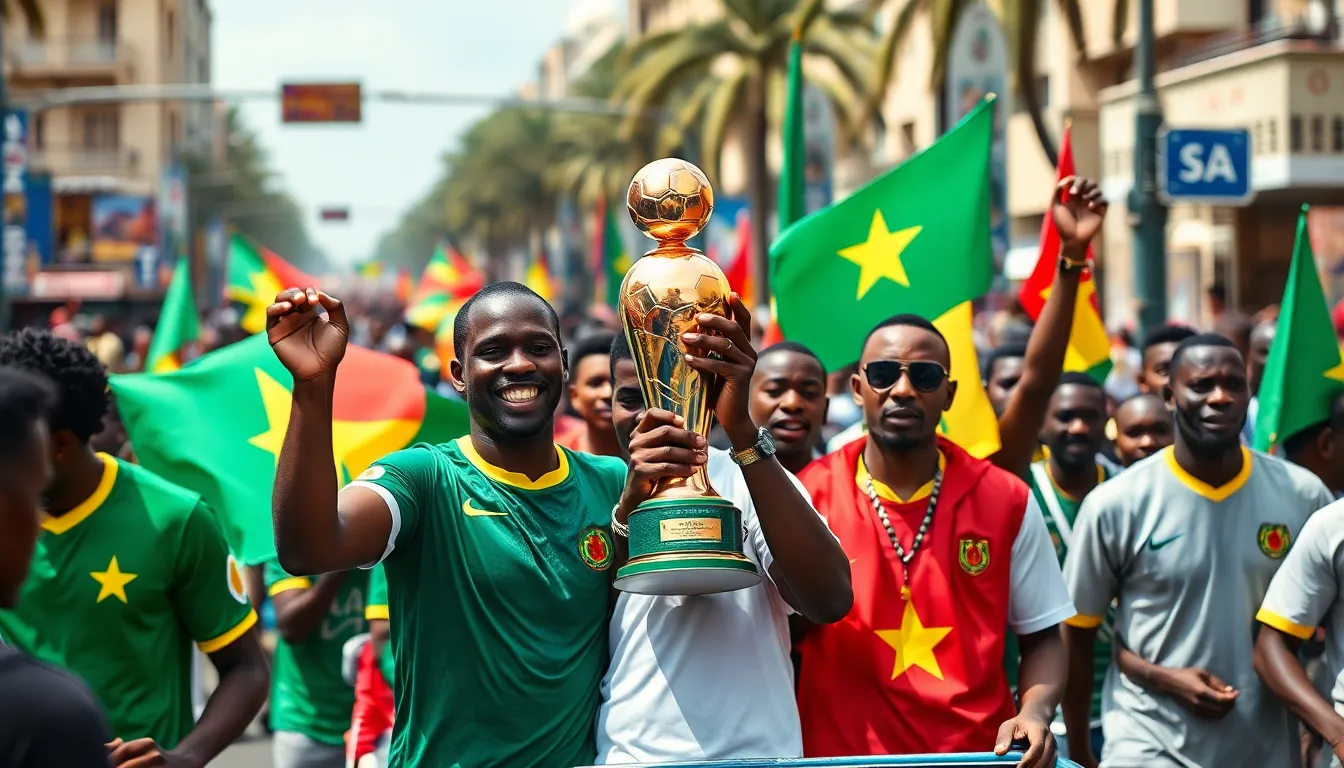
The parade featured a procession of players and coaching staff, who were greeted with cheers and accolades from supporters. Senegal’s Minister of Sports, who attended the event, emphasized the importance of unity and national pride, urging fans to celebrate the team’s achievements while also addressing the controversies in a constructive manner.
As the team prepares for an upcoming friendly match against Morocco on October 7, the atmosphere remains a mix of celebration and scrutiny. The friendly serves as an opportunity for the team to build on their success while navigating the challenges posed by the ongoing discussions surrounding their Afcon victory.
Understanding the background of the Afcon title controversy
The Africa Cup of Nations (AFCON) has long been a symbol of pride and unity for African nations, showcasing the continent’s rich footballing talent and cultural heritage. Senegal’s recent triumph in the tournament has been overshadowed by controversy regarding the legitimacy of their title. This situation stems from a complex interplay of historical rivalries, administrative disputes, and the evolving nature of football governance in Africa, as discussed in detail in our recent article about football governance.
Historically, Senegal has been a formidable contender in African football, with a passionate fan base that has supported the national team through various ups and downs. The nation clinched its first AFCON title in 2021, a milestone that was celebrated nationwide. However, the circumstances surrounding this victory have been marred by allegations of irregularities in officiating and administrative decisions during the tournament, raising questions about the integrity of the competition that are similarly reflected in other sports controversies.
The Role of Governance in African Football
The governance of football in Africa has faced scrutiny over the years, with accusations of corruption and mismanagement often surfacing. The Confederation of African Football (CAF) has been at the center of these issues, struggling to maintain transparency and fairness in its operations. The AFCON title controversy reflects broader concerns about how football is administered in Africa, and the need for reform to ensure that such prestigious tournaments are conducted with integrity.
In addition to governance issues, the economic implications of football in Africa cannot be understated. The sport serves not only as a source of national pride but also as a significant economic driver. The investments made by governments and sponsors in football infrastructure and talent development underscore the importance of maintaining the credibility of competitions like AFCON. The controversy surrounding Senegal’s title could have lasting effects on the future of football in the region, impacting sponsorship deals and public trust.
As Senegal prepares to parade the AFCON trophy despite the ongoing debate, it highlights a nation grappling with the duality of celebration and controversy. The response from fans, players, and officials will be crucial in shaping the narrative moving forward and determining how Senegal’s footballing legacy will be viewed in the years to come.
Examining the stakeholders involved in the title dispute
The recent controversy surrounding Senegal’s AFCON title has brought several key stakeholders into the spotlight. These include the Senegalese Football Federation (FSF), the Confederation of African Football (CAF), various football clubs, and the players themselves. Each of these actors has distinct interests that shape their involvement in the ongoing discussions and disputes.

The Senegalese Football Federation is primarily concerned with maintaining the legitimacy of their title and the reputation of Senegalese football on the continental stage. They aim to defend the integrity of the championship and ensure that any issues regarding the title do not tarnish their achievements. Furthermore, the FSF seeks to foster national pride and unity through the celebration of the trophy.
On the other hand, the Confederation of African Football, as the governing body, has a vested interest in upholding the rules and regulations of the tournament. Their role includes addressing any disputes that arise and ensuring that fairness prevails in all competitions. This situation presents a challenge for CAF, as they must balance the interests of the Senegalese Federation with those of other member associations that may have conflicting views.
Additionally, players and clubs have their own stakes in this issue. Players want to be recognized for their contributions to the team’s success, while clubs are concerned about the implications of the title controversy on player contracts and transfers. The economic impact of the title dispute could also affect sponsorship deals and revenue streams for both the FSF and individual clubs.
- Potential legal ramifications: The dispute could lead to legal challenges if any party decides to contest the title formally.
- Economic repercussions: A prolonged controversy may affect sponsorship and financial support for Senegalese football.
- Impact on player morale: Ongoing disputes can lead to uncertainty, affecting players’ performance and commitment.
- International relations: The situation may influence Senegal’s standing within the African football community and beyond.
Impact of the controversy on players and fans
The recent controversy surrounding Senegal’s AFCON trophy has significant implications for various stakeholders, particularly the players and fans. The players, who have worked tirelessly to achieve this victory, may experience mixed emotions as the celebration of their success is overshadowed by disputes regarding the legitimacy of the title. Fans, who are passionate about their national team, may feel a sense of disillusionment or frustration, leading to a potential decline in support for the team during upcoming matches.
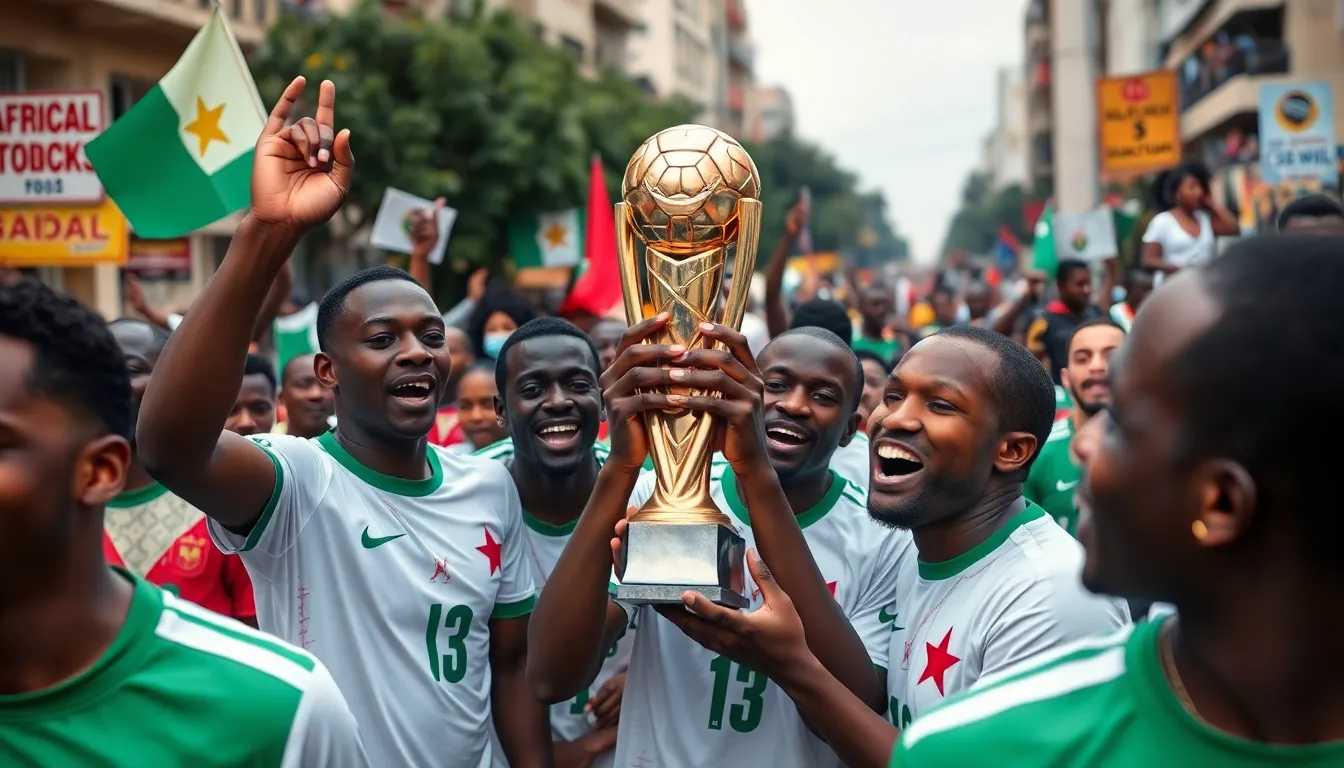
In the short term, businesses associated with the football industry, such as merchandise retailers and local vendors, may see fluctuations in sales. The excitement of the parade could initially boost sales, but if the controversy lingers, it may dampen enthusiasm for purchasing team-related products. Additionally, local businesses that rely on match-day foot traffic might experience a decline in patronage if fans choose to boycott games or events due to dissatisfaction with the situation.
From a policy perspective, the controversy may prompt discussions among sports authorities and government officials about the need for clearer regulations regarding tournament eligibility and title recognition. This could lead to potential reforms in how future tournaments are governed, impacting the administrative landscape of football in Senegal and beyond.
However, there are also opportunities that could arise from this situation. The controversy can serve as a catalyst for dialogue among stakeholders, fostering a sense of unity and purpose among fans and players alike. It may lead to increased media attention, which could benefit the sport in terms of visibility and sponsorship opportunities. Furthermore, if managed well, the situation could galvanize support for the team, ultimately strengthening their resolve and performance in future competitions.
- Players may face emotional challenges due to mixed sentiments.
- Local businesses could experience fluctuating sales tied to fan engagement.
- Potential policy reforms could reshape sports governance.
- Opportunities for increased media attention and sponsorship.
- Unity among fans and players could strengthen team morale.
A: The controversy revolves around allegations of unfair play and disputes regarding officiating during the tournament, which has led to debates among fans and analysts. A: Senegal organized a parade to showcase the Afcon trophy, allowing fans to celebrate their national team’s achievement despite the ongoing controversies. A: Players may feel pressure from both supporters and critics, which could affect their performance in upcoming matches, including friendly games. A: It remains to be seen, but the ongoing discussions could influence team morale and public perception as they prepare for future competitions. A: Fans have mixed feelings; while many celebrate the victory, others express frustration over the unresolved issues surrounding the title.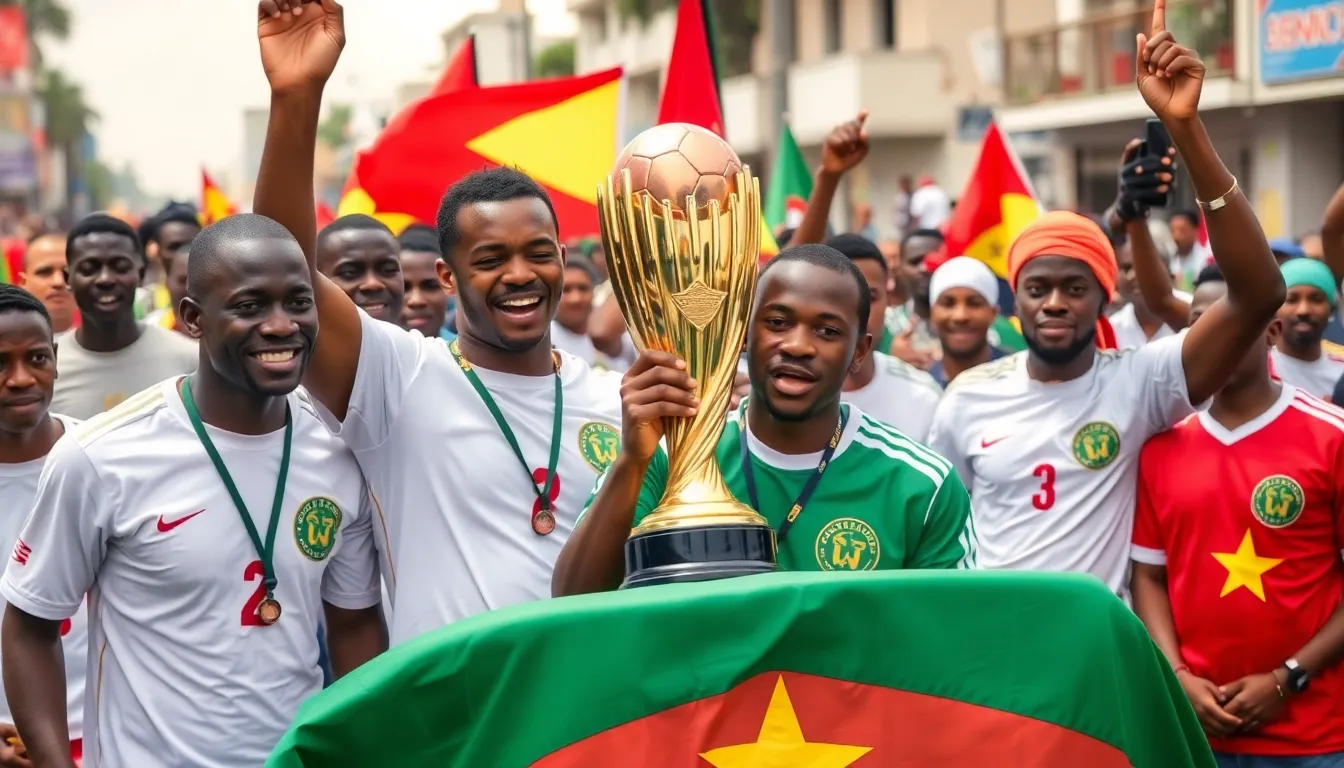
Frequently asked questions about the Afcon controversy
Key takeaways and future outlook on Senegal’s football journey
Senegal’s recent parade of the AFCON trophy, despite the surrounding controversy, highlights the nation’s resilience and determination to celebrate its footballing achievements. The friendly match that followed serves as a reminder of the importance of maintaining team morale and unity, especially in the face of challenges. As the national team prepares for future competitions, the focus will likely be on leveraging this moment to build momentum and confidence among players and fans alike.
Looking ahead, it will be crucial for the Senegalese football community to navigate the implications of the title controversy while fostering a positive environment that encourages growth and development. The team’s performance in upcoming matches will be closely monitored as they seek to establish their legacy in African football.
- Monitor the team’s performance in friendly matches to assess their readiness for future tournaments.
- Watch for potential changes in coaching strategies or player selections as the team adapts to recent controversies.
- Observe how the Senegalese football federation addresses the title controversy to maintain public support and trust.
- Consider the impact of fan engagement and media coverage on the team’s morale and public perception.
- Evaluate the long-term implications of this event on the development of football in Senegal, particularly at the grassroots level.