


In addition, the administration’s focus on fossil fuels and rollback of environmental regulations have created an uneven playing field. The withdrawal from the Paris Agreement in 2017 signaled a shift away from global climate commitments, impacting investor confidence in renewable energy sectors. This political climate has resulted in increased competition from traditional energy sources, further challenging the viability of clean energy initiatives.
Moreover, major clean energy firms, including those in solar and wind, have reported layoffs and project delays as they adjust to the changing landscape. According to a report by the Solar Energy Industries Association in 2019, nearly 10,000 jobs were lost in the solar sector alone, highlighting the tangible effects of policy shifts. Companies are now navigating a landscape where federal support is uncertain, forcing them to rethink their strategies, as discussed in our article on climate plans.
Despite these challenges, some clean energy companies are adapting by focusing on innovation and cost reduction. Many are investing in new technologies to enhance efficiency and compete with lower-cost fossil fuels. However, the long-term sustainability of these companies remains at risk without consistent federal backing and a clear commitment to renewable energy development.
Understanding the political landscape affecting clean energy
The clean energy sector has faced a tumultuous journey in recent years, particularly during the Trump administration, which marked a significant shift in U.S. energy policy. Historically, the clean energy movement gained momentum in the early 2000s, driven by growing concerns over climate change and the need for sustainable energy sources. However, the political landscape began to change dramatically with the election of Donald Trump in 2016, who prioritized fossil fuel development over renewable energy initiatives.

One of the pivotal moments for clean energy companies was the withdrawal of the United States from the Paris Agreement in 2017. This decision not only signaled a retreat from international climate commitments but also fostered an environment where regulatory rollbacks became commonplace. The Trump administration’s focus on deregulation and support for coal and natural gas industries created significant challenges for solar and wind energy companies, which struggle to compete in a landscape increasingly dominated by traditional energy sources. For more information on energy crises in a global context, see our article on global energy crises.
Additionally, tariffs on imported solar panels imposed in 2018 further complicated the situation for clean energy firms. These tariffs, aimed at protecting domestic manufacturers, inadvertently raised costs for solar installations, slowing down growth in the sector. As a result, many clean energy companies faced financial strain, leading to layoffs and even bankruptcies, as they navigated an uncertain economic climate fueled by shifting policies.
The rise of state-level initiatives
In response to federal policy changes, many states began to take matters into their own hands, implementing ambitious clean energy goals and incentives. States like California and New York became leaders in the transition to renewable energy, setting aggressive targets for emissions reductions and investing in clean technology. This state-level activism provided a glimmer of hope for clean energy companies, showcasing that despite federal setbacks, there remained a robust demand for sustainable solutions at the local level.
Key stakeholders and issues in the clean energy sector
The clean energy sector is influenced by a diverse array of stakeholders, each with distinct interests and motivations. Key players include government entities, private companies, environmental organizations, and the general public. Understanding their roles and the conflicts that arise between them is essential for grasping the complexities of the sector during the Trump era.
Government policies have a significant impact on clean energy companies. The Trump administration’s focus on fossil fuels and deregulation has created an uncertain environment for renewable energy investments. This has led to tensions between federal and state governments, as some states pursue aggressive clean energy initiatives while others align with federal priorities. Additionally, the withdrawal from international agreements like the Paris Accord has raised concerns among environmental advocates about the long-term viability of clean energy goals.
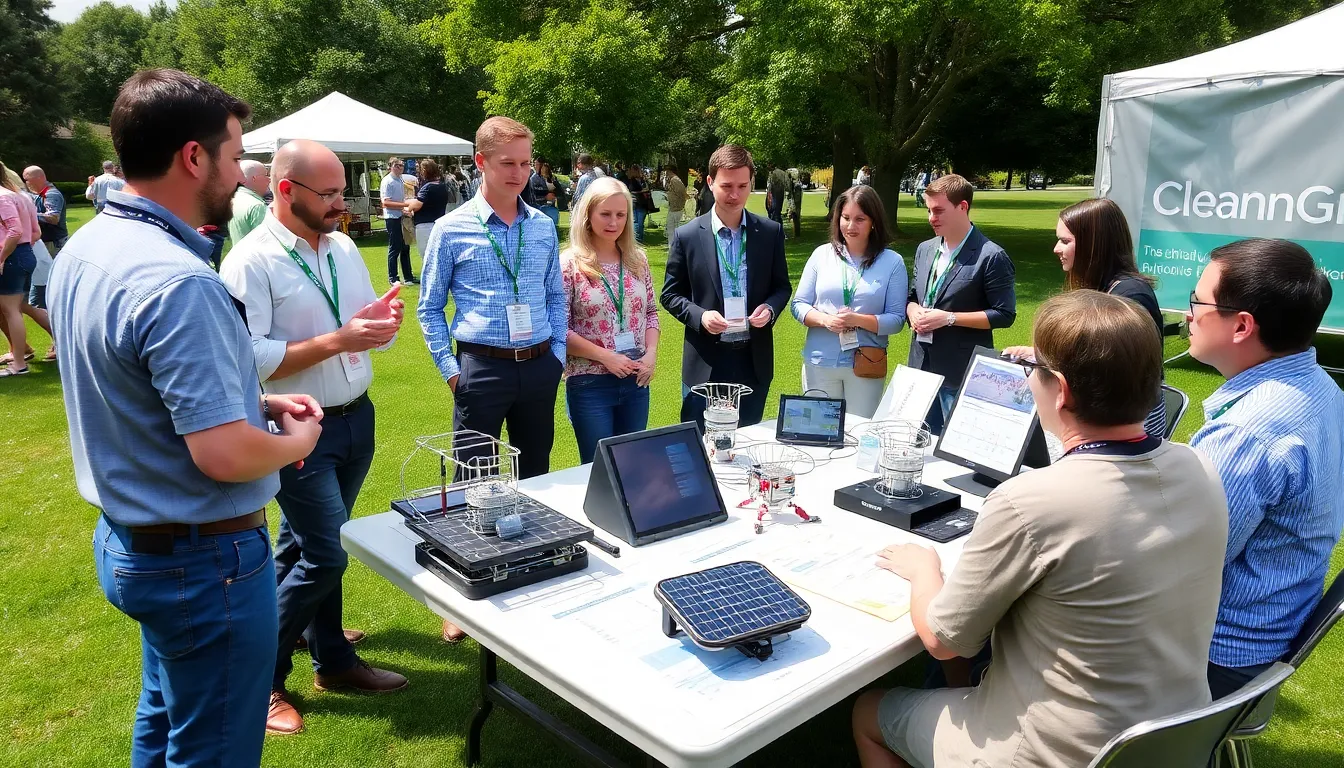
Private companies in the clean energy sector, ranging from solar and wind energy firms to innovative tech startups, face numerous challenges. They must navigate fluctuating market conditions and regulatory landscapes that can either support or hinder their growth. Conflicts often arise between traditional energy companies and clean energy firms, as the former may lobby against policies that promote renewable energy in favor of maintaining their market dominance.
- Economic pressures: Clean energy companies are often caught in a struggle between the need for investment and the impact of changing regulations.
- Legal challenges: The shift in federal policy has led to legal battles over subsidies and incentives that were previously available to renewable energy projects.
- Public opinion: Growing public awareness and support for clean energy can clash with political agendas that prioritize fossil fuels.
- Technological innovation: The race for advancements in clean energy technology presents both opportunities and competition among stakeholders.
Environmental organizations play a crucial role in advocating for clean energy policies and holding stakeholders accountable. Their efforts often intersect with those of local communities, who may be directly affected by energy projects. This creates a dynamic where grassroots movements can influence larger policy decisions, further complicating the relationship between various stakeholders in the clean energy sector.
Effects on the market and affected communities
The shift in energy policy during the Trump era has had profound implications for clean energy companies, affecting various groups and industries. Regions heavily reliant on renewable energy, such as California and parts of the Northeast, are particularly impacted as federal support for clean energy initiatives diminishes. This has created a challenging environment for companies striving to innovate and expand their offerings.
In the short term, many clean energy businesses face increased uncertainty regarding regulatory frameworks and funding opportunities. This uncertainty can lead to stalled projects, layoffs, and a decrease in investment, as investors become wary of the volatile policy landscape. Additionally, utilities that have begun transitioning to renewable sources may find themselves in limbo, impacting energy pricing and availability for consumers.
However, there are also mid-term opportunities that may arise from this tumultuous environment. As traditional fossil fuel industries face scrutiny and potential decline, clean energy companies can position themselves as viable alternatives. The push for energy independence may lead to increased demand for local renewable energy solutions, fostering innovation and job creation in the sector.

- Risks: Decreased federal funding and support for clean energy projects.
- Risks: Increased regulatory uncertainty leading to stalled investments.
- Opportunities: Growth in local renewable energy solutions as alternatives to fossil fuels.
- Opportunities: Potential job creation in the clean energy sector.
Communities that prioritize clean energy may experience a shift in economic dynamics, as local governments and businesses seek to adapt to the changing landscape. This could lead to innovative partnerships and initiatives aimed at promoting sustainability, despite the overarching challenges posed by the current political climate.
A: The Trump administration has rolled back several regulations that supported clean energy, leading to uncertainty in the market. This has made it difficult for companies to plan long-term investments. A: Companies are dealing with reduced federal support, changes in tax incentives, and increased competition from fossil fuels. These factors complicate their ability to grow and innovate. A: Yes, many companies are pivoting their strategies, focusing on efficiency and innovation to remain competitive. They are also seeking partnerships and alternative funding sources. A: State policies can significantly influence the clean energy market, as some states continue to promote renewable energy through incentives and regulations, providing a counterbalance to federal policies. A: The future remains uncertain but optimistic, as public demand for clean energy continues to grow. Companies that adapt to the changing landscape may find new opportunities for growth.
Frequently asked questions about clean energy companies
Outlook for clean energy companies in the future
The landscape for clean energy companies remains precarious in the wake of shifting political priorities, particularly during the Trump era. As policies oscillate between support and skepticism, companies in this sector must navigate a complex environment that could either hinder or propel their growth. The resilience of these firms will largely depend on their ability to adapt to regulatory changes, innovate in technology, and engage with a diverse array of stakeholders.
Looking ahead, the emphasis on sustainability and climate initiatives by various states and private sectors could create new opportunities for clean energy ventures. However, the potential rollback of federal support underscores the need for these companies to cultivate robust business models that can withstand political fluctuations and economic uncertainties.
- Monitor state-level policies that may provide more consistent support for clean energy initiatives.
- Invest in technological advancements to enhance efficiency and reduce costs, ensuring competitiveness.
- Engage with local communities and businesses to build strong partnerships that can foster resilience.
- Prepare for potential shifts in federal regulations that could impact funding and operational frameworks.
- Stay informed about market trends and consumer preferences that could influence demand for clean energy solutions.