


The study specifically identified action games as particularly beneficial for developing spatial awareness and hand-eye coordination, which are crucial for safe driving. Participants who regularly played these types of games demonstrated a marked improvement in their ability to navigate complex driving scenarios compared to non-gamers. This finding has implications for both driver education and gaming industries.
In light of these findings, discussions are emerging about the potential for integrating gaming techniques into driving instruction programs. Experts believe that incorporating simulation-based training could provide a more engaging and effective way to prepare new drivers. As the popularity of gaming continues to rise, understanding its impact on real-world skills becomes increasingly important.
This research not only sheds light on the benefits of gaming but also raises questions about how society views video games. Traditionally seen as a source of entertainment, this study positions gaming as a tool that could enhance critical life skills, potentially reshaping perceptions among educators and policymakers alike.
Exploring the background of gaming and its impact on skill development
The relationship between gaming and skill development has been a topic of interest for decades, particularly as video games have evolved from simple pixelated graphics to complex, immersive experiences. Historically, gaming was often dismissed as a frivolous pastime, but as technology progressed, researchers began to explore its potential benefits. A pivotal moment came in the early 2000s when studies started to suggest that action video games could enhance cognitive skills, such as spatial awareness and reaction times.
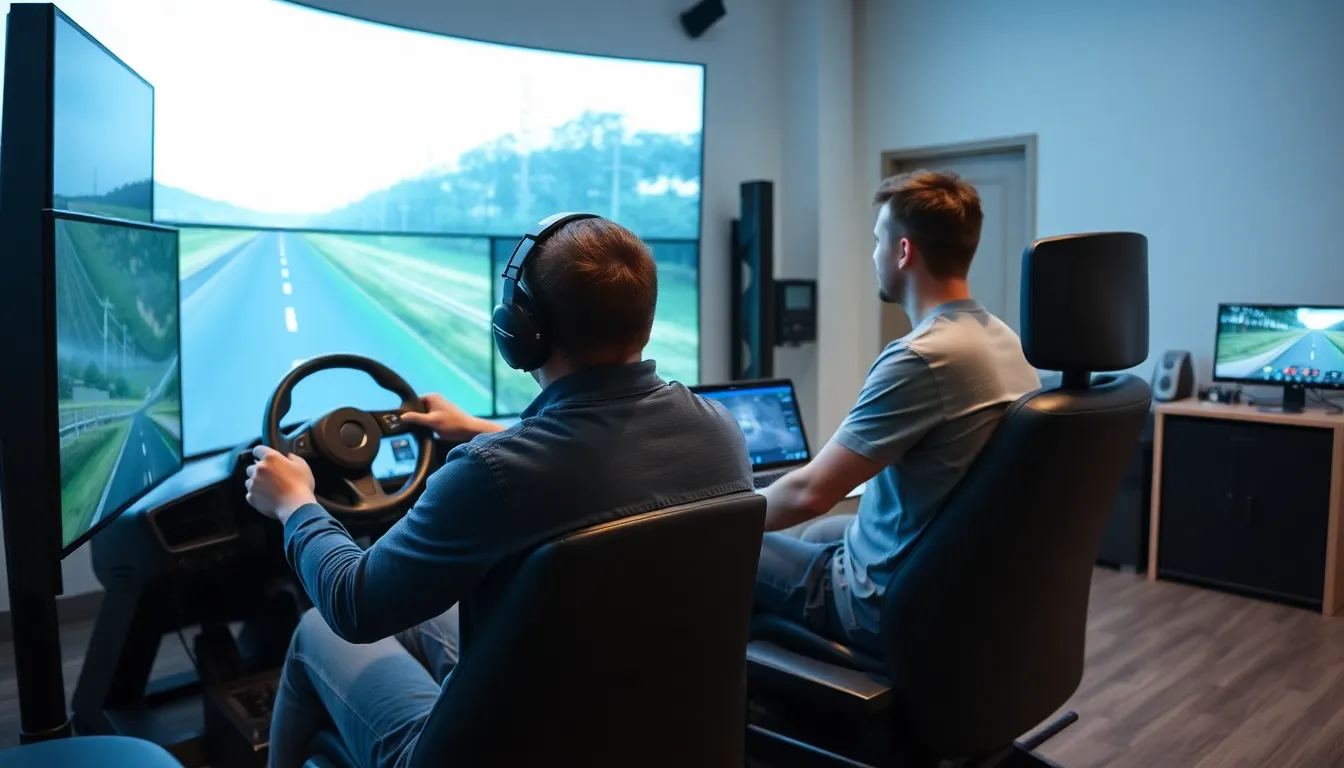
In recent years, the gaming industry has seen exponential growth, with millions of players engaging in various genres that require strategic thinking and quick decision-making. This shift has prompted academics and professionals to investigate the implications of gaming on real-world skills. The rise of simulation games, particularly those that mimic real-life scenarios, has provided a unique platform for understanding how gaming can translate to practical abilities, such as driving. This exploration resonates with the ongoing dialogue about technology’s role in skill development.
Key milestones in this research include studies conducted by institutions like the University of California, Irvine, which found that gamers demonstrated improved visual attention and hand-eye coordination. Additionally, a 2014 study published in the journal “Nature” highlighted how players of action games could make decisions faster without sacrificing accuracy. These findings have laid the groundwork for the recent study that suggests gaming can enhance driving skills, offering a fresh perspective on how virtual experiences can influence real-life performance.
The Evolution of Driving Simulators
Driving simulators have been utilized for training purposes since the 1960s, primarily in professional contexts. However, with the advent of consumer gaming consoles, the accessibility of driving simulation games has surged. These games often incorporate realistic physics and environments, allowing players to practice driving techniques in a risk-free setting. The integration of these elements has sparked interest in how skills acquired through gaming can improve actual driving abilities, leading to further research and development in this area.
Key stakeholders and issues surrounding gaming’s influence on driving
The recent study highlighting the potential benefits of gaming on driving skills has drawn attention from various stakeholders, including game developers, automotive manufacturers, government agencies, and educational institutions. Each of these actors has distinct interests that shape their perspectives on this emerging intersection of technology and transportation.
Game developers are primarily interested in the commercial potential of creating driving simulation games that can enhance real-world skills. As the gaming industry continues to evolve, the ability to market games that not only entertain but also educate could lead to new revenue streams. However, they must also navigate the ethical implications of promoting gaming as a serious training tool, ensuring that their products are designed with safety and effectiveness in mind.
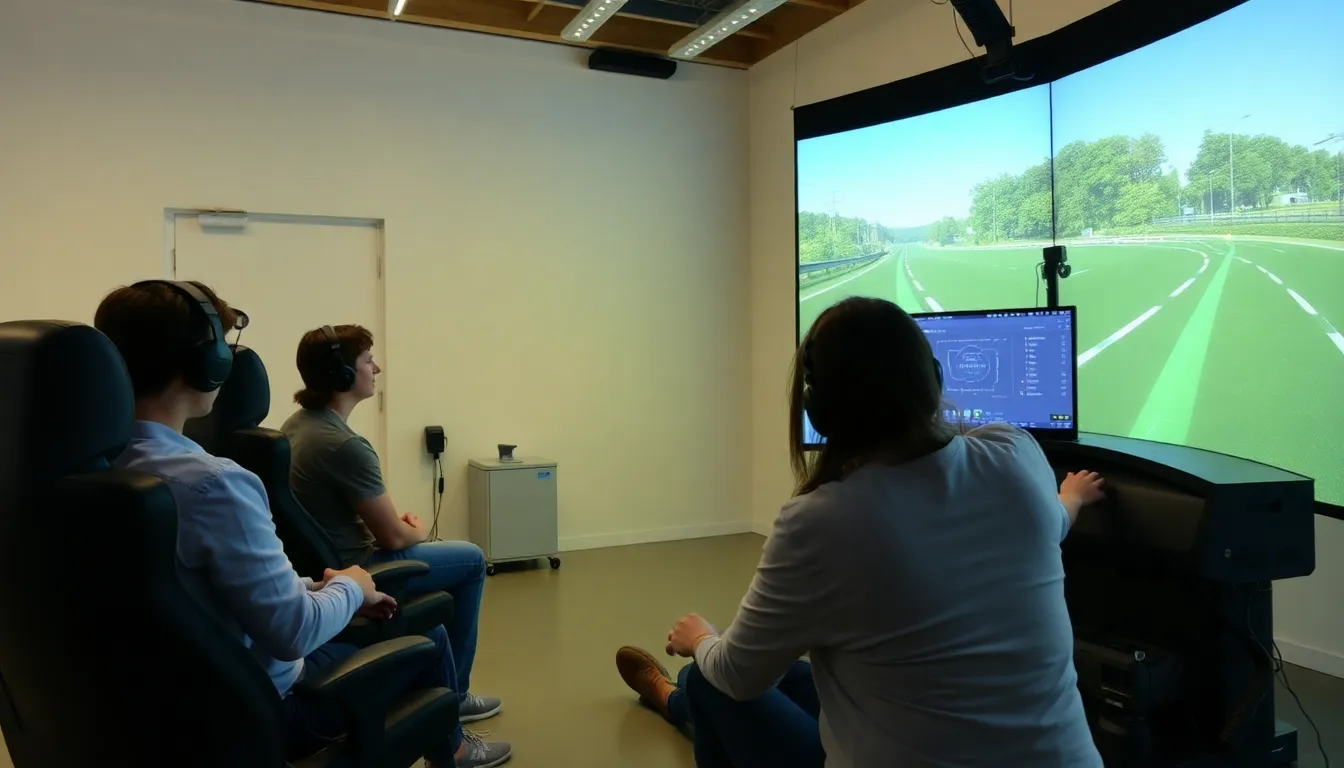
Automotive manufacturers are keen on exploring how gaming technology can be integrated into driver training programs. By collaborating with game developers, they can create innovative solutions that improve driver safety and reduce accident rates. However, this partnership may lead to conflicts over intellectual property rights and the sharing of proprietary technology, as both parties seek to protect their interests while promoting safer driving practices.
Government agencies have a vested interest in the implications of gaming on public safety and policy. They must consider how to regulate the use of gaming in driver education and assess the effectiveness of such programs. Key legal issues may arise regarding the certification of gaming-based training as a legitimate form of driver education, as well as potential liability concerns if gamers experience accidents while applying their skills in real-life scenarios, similar to the discussions surrounding current educational methods.
Additionally, educational institutions may see an opportunity to incorporate gaming into their curricula, enhancing traditional driver education methods. However, trade-offs exist between adopting new technologies and the need to maintain rigorous educational standards. Stakeholders must weigh the benefits of innovative training methods against the potential risks of over-reliance on gaming.
- Potential benefits of gaming in enhancing cognitive and motor skills relevant to driving.
- Commercial interests of game developers versus ethical responsibilities.
- Collaborative opportunities between automotive manufacturers and gaming companies.
- Regulatory challenges faced by government agencies in integrating gaming into driver education.
- Balancing innovation in educational practices with traditional training methods.
How this study affects drivers and the gaming industry
The recent study highlighting the positive correlation between gaming and improved driving skills has significant implications for various groups. Primarily, it affects drivers of all ages, particularly younger individuals who are more inclined to engage in gaming. This demographic may find themselves not only entertained but also better equipped to handle real-world driving scenarios.
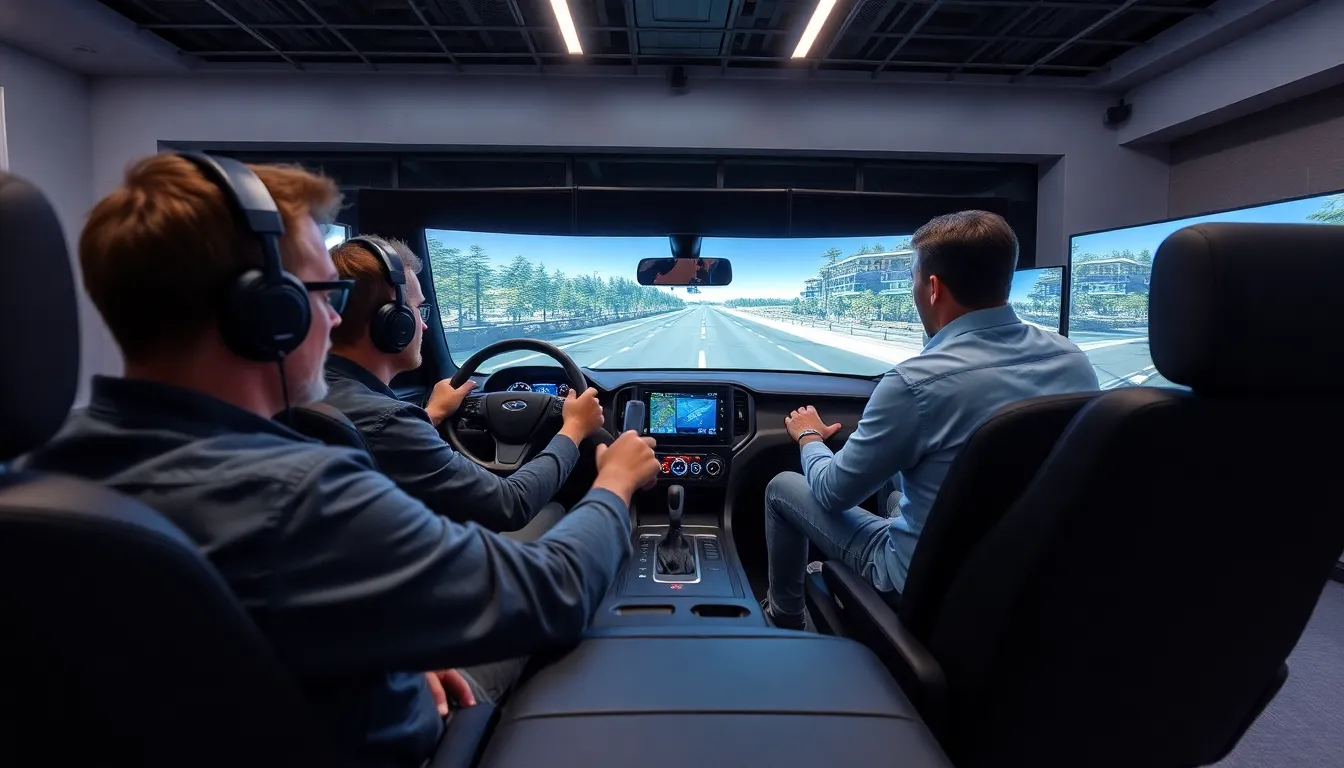
Furthermore, the gaming industry stands to gain from this research. Game developers may seek to create more sophisticated driving simulation games, which could attract a wider audience interested in both gaming and practical skill development. This could lead to a surge in sales for driving-related games, benefiting the industry financially.
In the short term, we may see an increase in interest from driving schools and educational institutions. They might incorporate gaming simulations into their curricula, potentially transforming how driving skills are taught. In the mid-term, insurance companies could adjust their policies to offer discounts for gamers who can demonstrate improved driving capabilities, thus incentivizing safer driving practices.
- Increased interest in driving simulation games.
- Potential changes in driving education methods.
- Insurance policy adjustments based on gaming experience.
However, there are risks associated with this trend. Some may argue that reliance on gaming could lead to overconfidence in driving abilities, particularly among inexperienced drivers. Additionally, the gaming industry may face scrutiny regarding the portrayal of driving scenarios, as unrealistic representations could mislead players about real-life driving conditions.
Ultimately, while the study opens doors for innovation and improved driving skills, it also calls for a balanced approach to ensure that the benefits of gaming do not overshadow the importance of real-world driving experience and safety awareness.
A: Gaming enhances hand-eye coordination, reaction times, and strategic thinking, all of which are crucial for driving. This study shows that players can translate these skills to real-world driving scenarios. A: Not all games have the same impact. Racing games and simulations are particularly effective in developing driving-related skills compared to other genres. A: Yes, the findings may encourage the integration of gaming techniques into driver education, potentially making training more engaging and effective. A: While gamers of all ages can benefit, younger individuals may experience more significant improvements due to their adaptability and familiarity with technology. A: While gaming can enhance skills, it should not replace traditional driver education. Balance is key to ensure comprehensive training.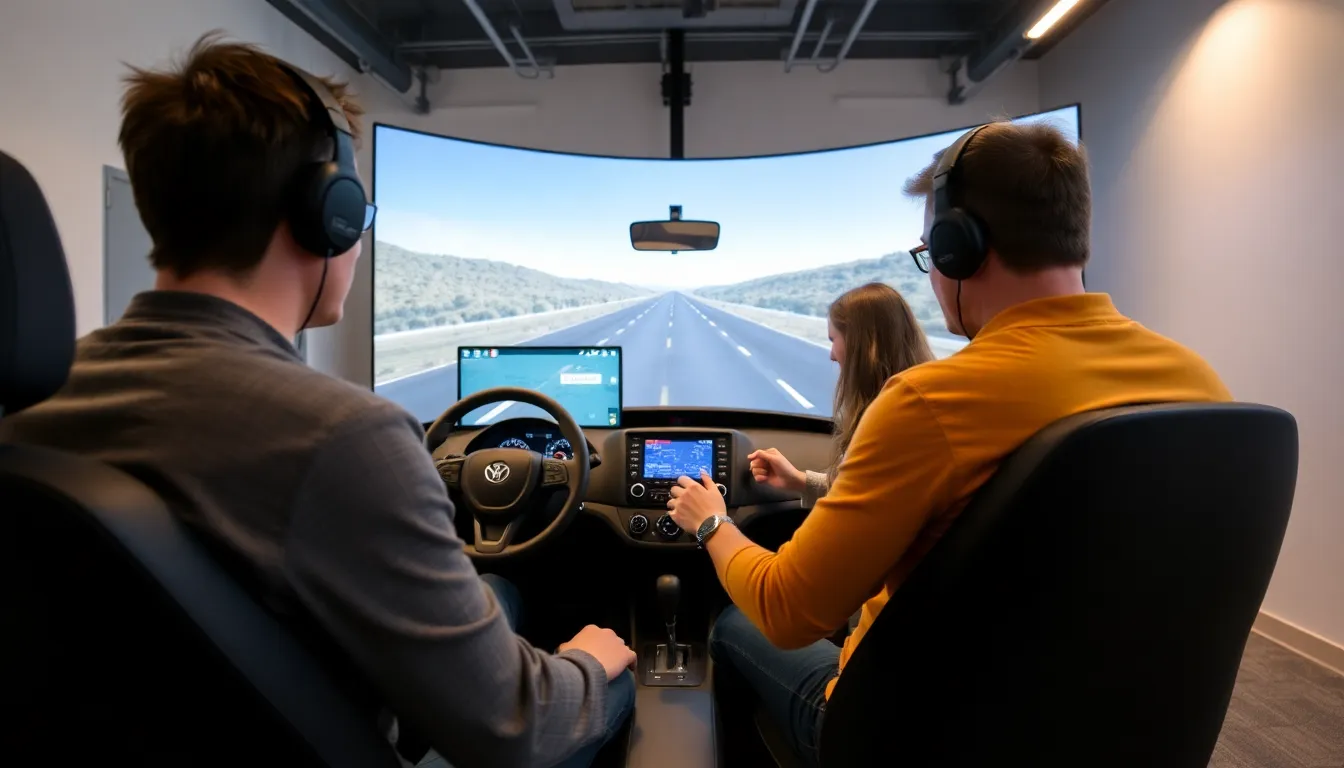
Frequently asked questions about gaming and driving skills
Key takeaways and future implications of the study
The recent study highlighting the positive correlation between gaming and improved driving skills opens new avenues for both the gaming industry and driver education programs. As virtual environments become increasingly sophisticated, they offer a unique platform for enhancing real-world skills. This research suggests that integrating gaming into training regimens could lead to more effective and engaging learning experiences for new drivers.
Furthermore, as technology continues to evolve, the potential for gamified training tools in various fields, including emergency response and military training, may also expand. Stakeholders in driver safety and education should consider the implications of these findings and explore innovative methods to incorporate gaming elements into their curricula.
- Enhanced Training Tools: Driving schools could adopt simulation-based training that incorporates gaming techniques to improve learner engagement and skill acquisition.
- Policy Development: Regulatory bodies may need to evaluate and potentially endorse gaming platforms that demonstrate efficacy in skill development.
- Broader Applications: The principles derived from this study could be applied to other areas requiring rapid decision-making and coordination, such as aviation or emergency services.
- Research Opportunities: Future studies may explore the long-term effects of gaming on driving performance and safety, providing deeper insights into behavioral changes.