


Since the beginning of the 2020s, the abbey has seen a significant rise in bookings from Chinese couples, with over 300 weddings held at the site in the past two years alone. The allure of the abbey lies not only in its stunning architecture and scenic grounds but also in the prestige associated with hosting a wedding in a location steeped in history, dating back to the 12th century. This transformation mirrors the broader trends discussed in The Journey of a Medieval English Abbey to a Chinese Wedding Destination.
Several wedding planning agencies in China have begun to specialize in organizing destination weddings in the UK, catering specifically to this emerging market. These agencies highlight the abbey’s picturesque landscapes and the opportunity for couples to create memorable experiences, combining traditional Chinese customs with Western wedding practices.
This shift in wedding preferences is significant as it illustrates broader cultural exchanges and the globalization of wedding trends. As Chinese couples increasingly seek to express their individuality and creativity through their ceremonies, venues like Fountains Abbey are becoming symbols of a new era in wedding celebrations, merging history with modern romance.
Historical significance of the English abbey
The medieval English abbey, originally built in the 12th century, stands as a testament to the architectural and spiritual ambitions of its time. Established during a period of significant religious fervor, the abbey served as a center for monastic life, education, and agricultural innovation. Its foundations were laid by monks who sought to create a sanctuary for worship and community, reflecting the socio-political dynamics of medieval England.
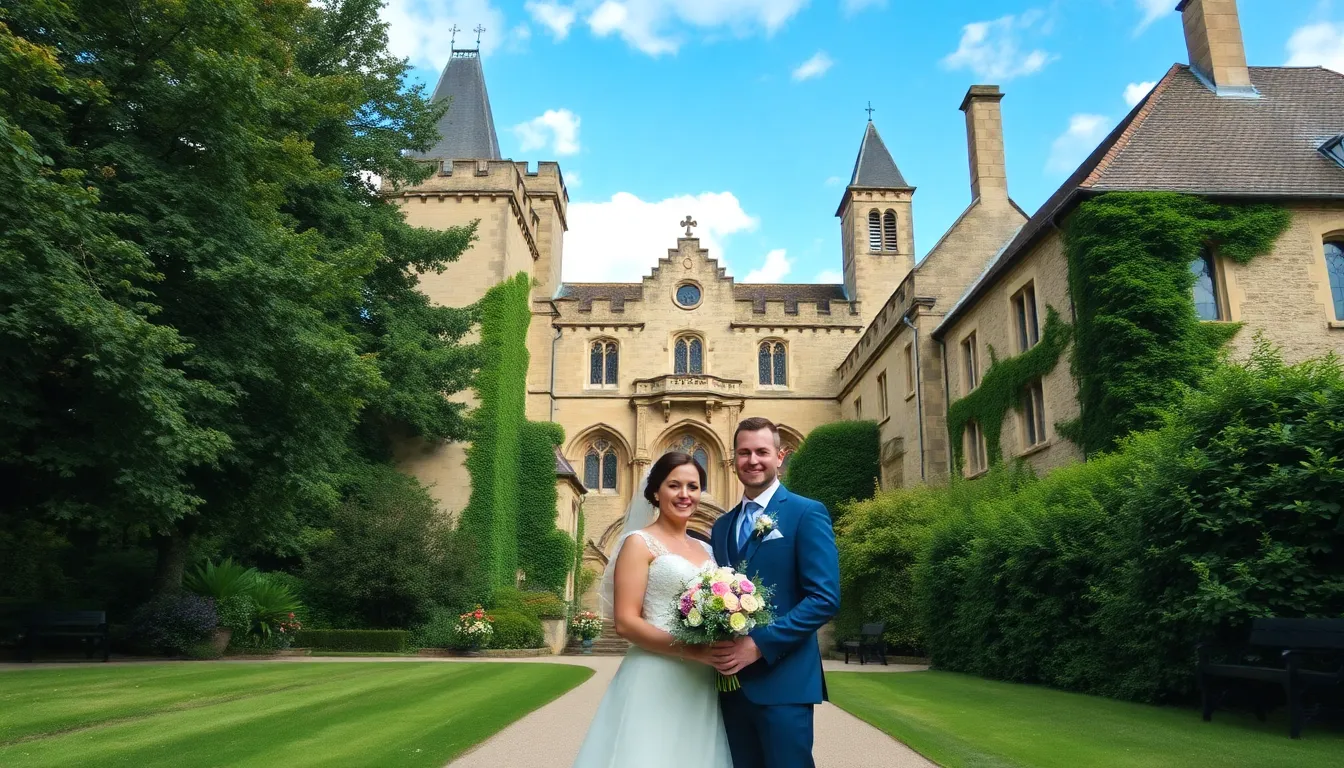
In the centuries that followed, the abbey underwent various transformations, influenced by the shifting tides of the English Reformation and the dissolution of monasteries in the 16th century. These historical events not only altered the religious landscape of England but also led to the abbey’s repurposing as a secular site. Despite these changes, the structure retained its historical significance, attracting visitors and scholars interested in its rich past.
The rise of tourism and cultural exchange
Fast forward to the 21st century, the abbey has found a new lease on life as a popular wedding destination, particularly among Chinese couples. This phenomenon can be traced back to the growing trend of destination weddings, where couples seek unique and picturesque locations to celebrate their union. The juxtaposition of the abbey’s ancient architecture against the backdrop of modern love stories has captivated many, leading to a surge in interest from international couples, similar to other global trends such as the rise of wedding ceremonies influenced by cultural events.
Moreover, the increasing cultural exchange between the West and China has further fueled this trend. As Chinese couples look for ways to incorporate Western traditions into their ceremonies, venues like the abbey offer an enchanting setting that symbolizes both romance and history. This shift not only highlights the abbey’s adaptability but also underscores the evolving nature of wedding customs in a globalized world.
As the demand for unique wedding experiences continues to rise, the abbey stands out as a prime example of how historical sites can be revitalized and reimagined. The blending of ancient heritage with contemporary celebrations illustrates the enduring appeal of such locations, bridging the gap between past and present in an increasingly interconnected society.
Cultural exchanges and business opportunities
The transformation of a medieval English abbey into a sought-after Chinese wedding destination highlights a complex interplay of cultural exchange and economic opportunity. Various stakeholders, including local governments, business owners, cultural organizations, and couples seeking unique wedding experiences, are involved in this phenomenon. Each group has distinct interests and motivations that shape the dynamics of this emerging trend.
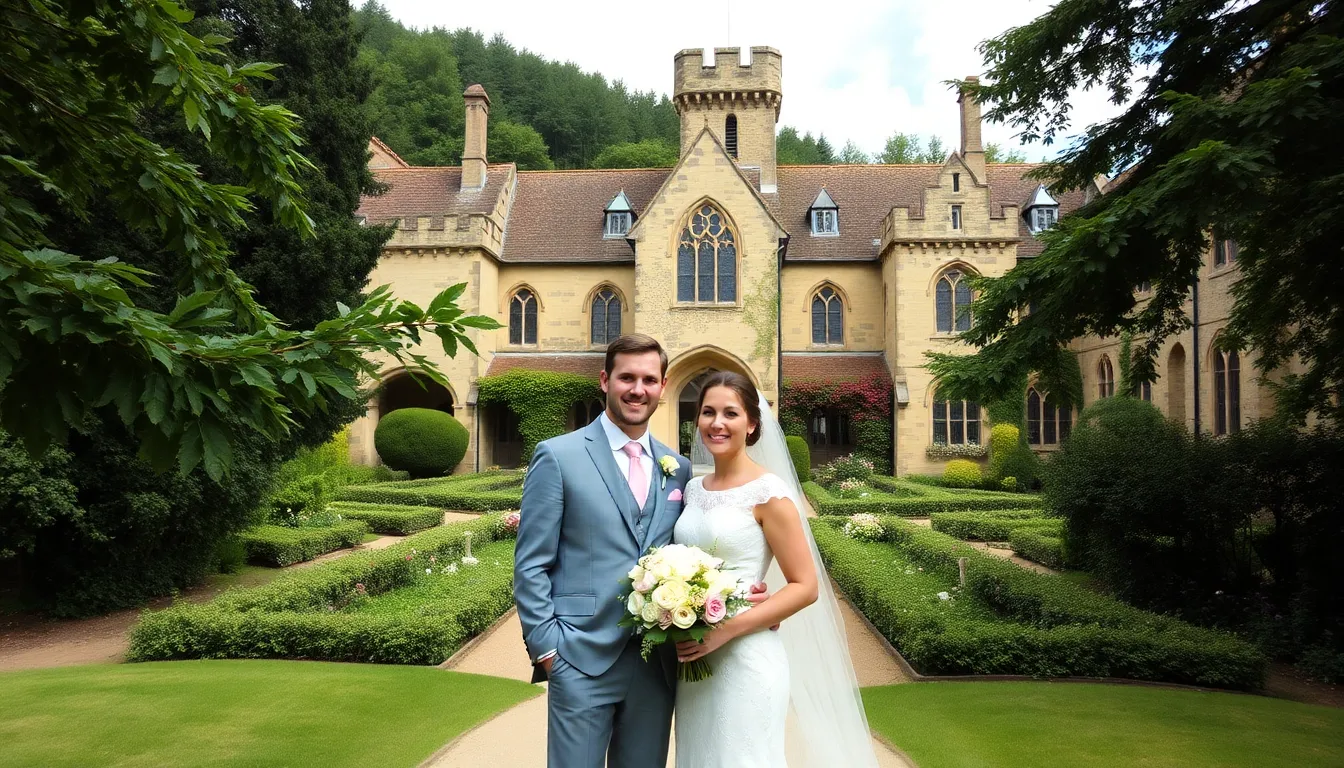
Local governments in England see the potential for increased tourism and economic benefits. By promoting the abbey as a wedding venue, they aim to attract visitors from China and other countries, which can lead to higher revenue for local businesses, including hotels, catering services, and transportation. However, there is also a concern about preserving the historical integrity of the site while accommodating modern wedding ceremonies.
Chinese couples and wedding planners are drawn to the abbey’s historical ambiance and picturesque settings, which offer a stark contrast to typical wedding venues in China. This interest is fueled by a growing trend among young Chinese couples who seek unique and memorable experiences for their weddings, much like the fascination with reality TV personalities making headlines in the wedding industry.
- Conflicts over preservation: Balancing the need for modernization with the preservation of the abbey’s historical features is a key issue that stakeholders must navigate.
- Economic trade-offs: While local businesses may benefit from increased tourism, there are concerns about the potential commercialization of a sacred site.
- Cultural sensitivity: Ensuring that wedding ceremonies respect both English traditions and Chinese customs is essential for a harmonious experience.
- Legal considerations: The use of historical sites for commercial purposes may involve navigating complex regulations and obtaining necessary permits.
- Market competition: As more venues seek to attract international couples, the abbey must differentiate itself to remain competitive.
In summary, the rise of the abbey as a wedding destination illustrates the multifaceted nature of cultural exchanges and the various interests at play. By understanding these dynamics, stakeholders can work towards a mutually beneficial arrangement that respects both cultural heritage and modern aspirations.
Effects on local tourism and economy
The transformation of a medieval English abbey into a popular Chinese wedding destination has far-reaching effects on various groups and industries. Local businesses, particularly those in the hospitality and service sectors, stand to benefit significantly from the influx of tourists and wedding parties. This increased foot traffic can lead to higher sales for restaurants, hotels, and local shops.
In the short term, the immediate impact on daily life may include an increase in traffic and noise levels in the vicinity of the abbey, as wedding parties and their guests arrive from abroad. This could lead to mixed reactions from local residents, some of whom may welcome the economic boost while others might find the changes disruptive. The local government may also need to adapt its policies to accommodate the growing number of visitors, potentially leading to new regulations or infrastructure developments.
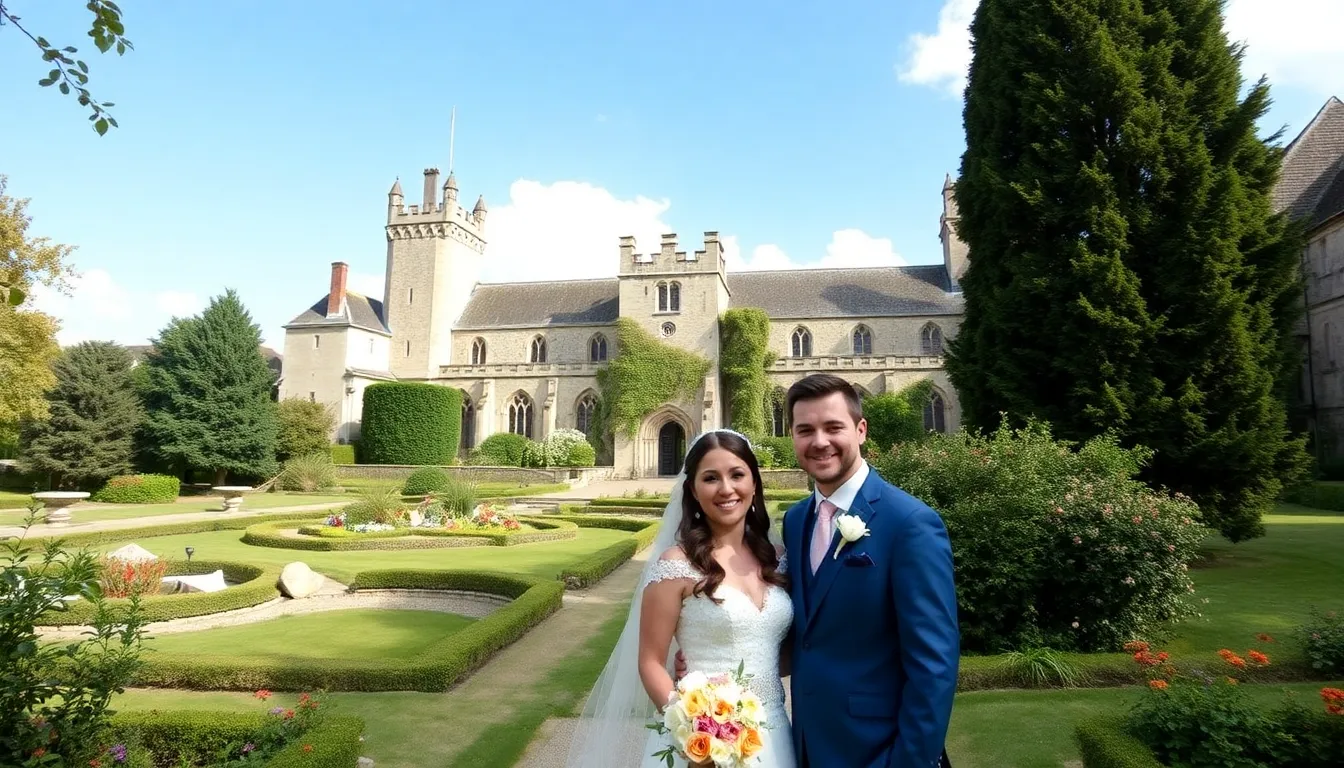
Mid-term impacts may include the establishment of new businesses catering specifically to the needs of Chinese couples, such as wedding planners, photographers, and cultural consultants. This could create job opportunities for locals, fostering a more vibrant economy. However, there is also a risk that the cultural significance of the abbey could be overshadowed by its commercial use, leading to concerns about heritage preservation.
- Increased tourism revenue for local businesses
- Job creation in hospitality and service sectors
- Potential cultural dilution of historical site
- Need for infrastructure improvements
As the trend continues, local stakeholders may need to collaborate to balance economic benefits with the preservation of the abbey’s historical integrity. This could involve community engagement initiatives to ensure that local voices are heard in the planning process, allowing for a harmonious coexistence of tourism and heritage conservation.
A: Chinese couples are drawn to the romantic and historic ambiance of English abbeys, which offer a picturesque backdrop for their special day. This trend reflects a growing interest in Western wedding traditions and destinations. A: The abbey provides a range of services including wedding planning, catering, and accommodations for guests. They also offer customized packages to cater to the specific cultural needs of Chinese couples. A: Local businesses have benefited significantly from the influx of wedding tourism, with increased demand for catering, photography, and event planning services. This has led to job creation and economic growth in the area. A: Yes, many English abbeys now incorporate traditional Chinese elements into their wedding packages, such as tea ceremonies and specific decor, to honor the couple’s heritage. A: The abbey dates back to the medieval period and has a rich history, making it a unique venue that attracts couples looking for a blend of history and romance.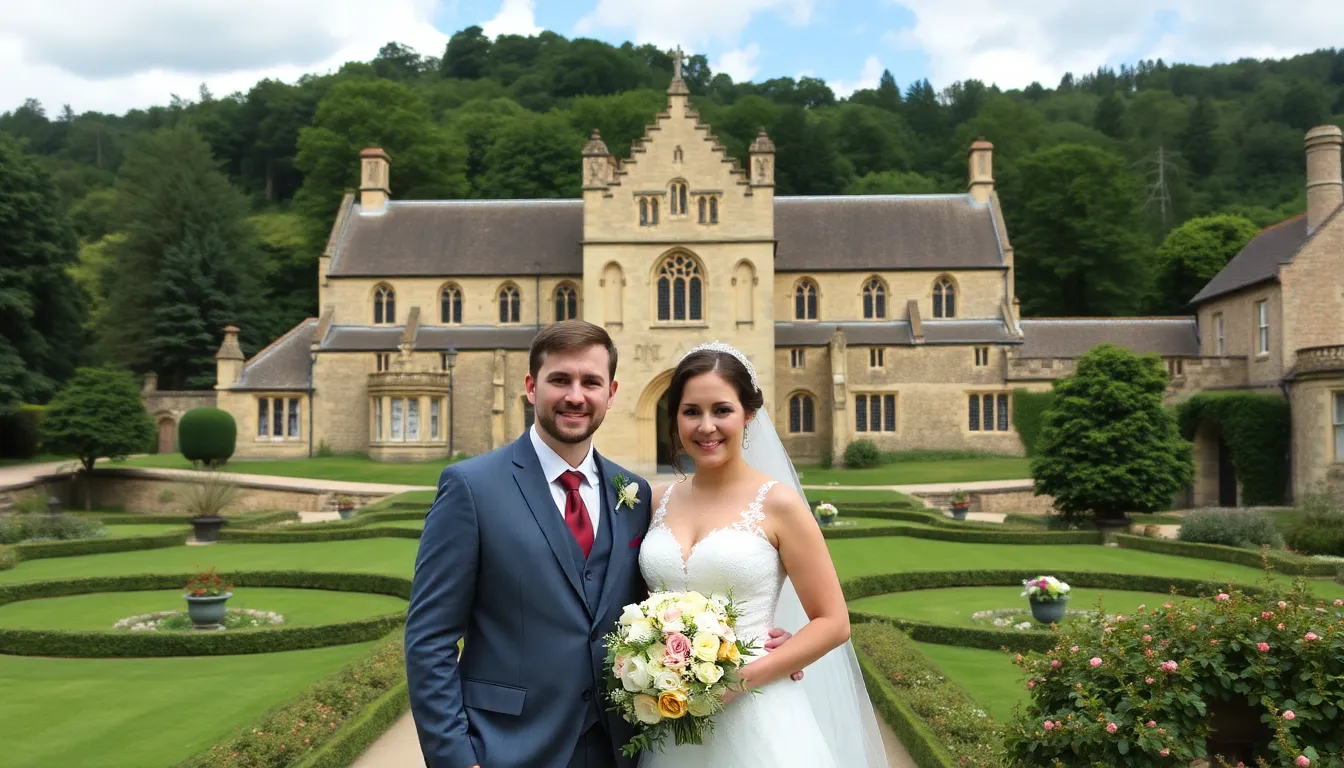
Frequently asked questions about this wedding trend
Future outlook for wedding tourism at the abbey
The transformation of a medieval English abbey into a sought-after Chinese wedding destination highlights the evolving nature of cultural exchange and tourism. As more couples from China seek unique and picturesque venues for their nuptials, the abbey stands as a testament to the blending of traditions and the growing appeal of international wedding experiences. This trend underscores the potential for historical sites to adapt and thrive in a globalized market.
Looking ahead, the abbey’s success in attracting Chinese wedding parties could encourage other historical venues to explore similar opportunities. The interplay of cultural heritage and modern aspirations will likely shape the future of wedding tourism, creating a niche market that benefits both local economies and international couples seeking memorable celebrations.
- Historical venues may increasingly cater to international wedding markets, enhancing their appeal.
- Collaborations between local businesses and foreign wedding planners can drive tourism growth.
- Understanding cultural preferences will be key in tailoring services for diverse clientele.
- Promotional strategies should focus on the unique stories and settings that historical sites offer.
- Future developments may include the incorporation of local traditions to enrich the wedding experience.