


The abbey, originally established in the 12th century, has attracted attention from Chinese couples looking for a romantic and historic backdrop for their nuptials. As of 2023, bookings for weddings at the site have surged by over 40% compared to previous years, highlighting a growing interest in European venues among Chinese nationals. This phenomenon is partly fueled by the rise of social media, where couples showcase their extravagant weddings to a global audience. For more on wedding trends in the UK, see this article.
Key players in this trend include wedding planners and travel agencies specializing in destination weddings, who are actively promoting the abbey as an ideal location. Collaborations between local businesses and international wedding service providers have also emerged, offering tailored packages that cater to the unique needs of Chinese couples. This strategic marketing approach has helped the abbey become a prominent player in the competitive wedding destination market. Learn about the impact of travel trends on local economies in our recent post.
The significance of this trend extends beyond the realm of weddings; it reflects a cultural exchange that fosters understanding and appreciation between different societies. As more couples choose to celebrate their unions in foreign lands, it paves the way for increased tourism and economic benefits for the local community surrounding the abbey. This evolving landscape of international weddings underscores the importance of adaptability in the hospitality and event planning industries.
Historical significance of the English abbey
The English abbey, originally founded in the 12th century, has long been a site of religious and cultural importance. Established during a time of significant political turbulence in England, the abbey served not only as a spiritual center but also as a hub for community gathering and education. The architectural grandeur of the abbey reflects the wealth and influence of the monastic community, which played a crucial role in the agricultural and economic development of the region.
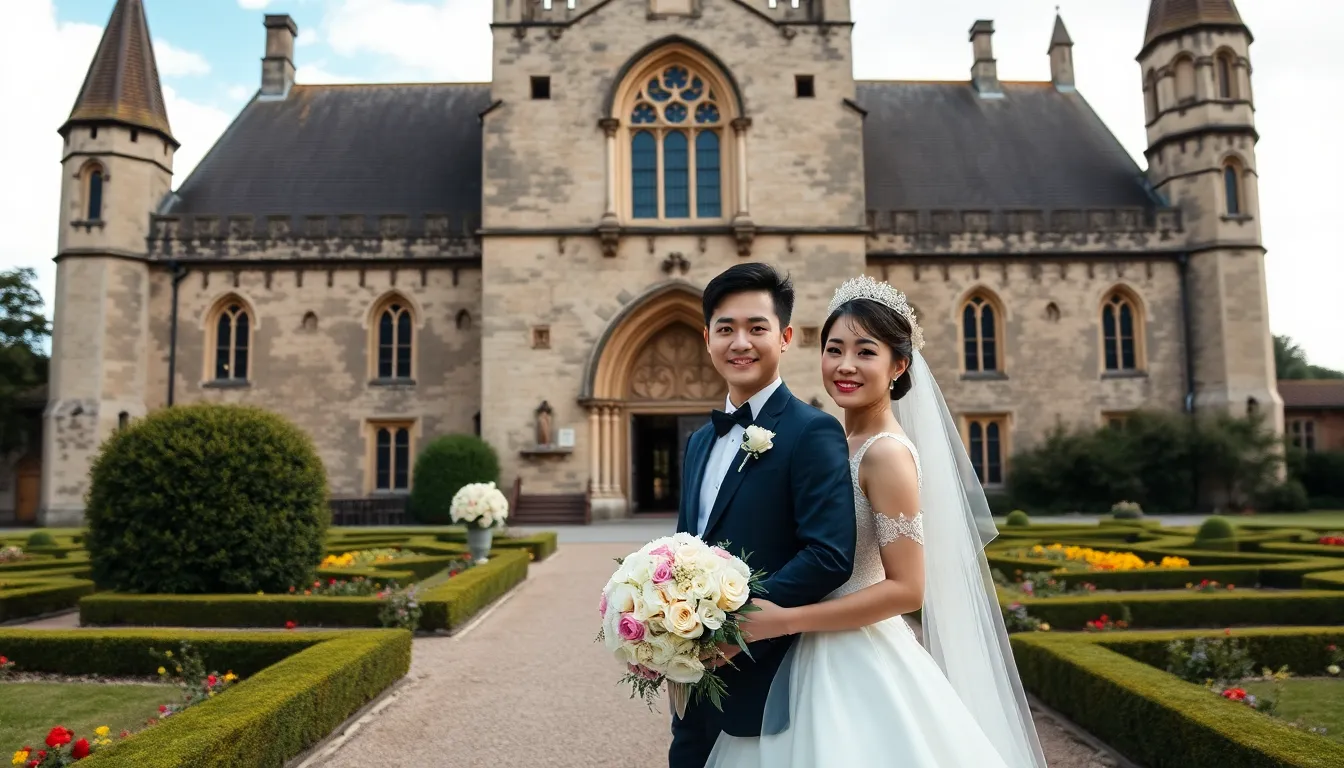
Throughout the centuries, the abbey witnessed numerous historical events, including the dissolution of the monasteries under King Henry VIII in the 16th century. This pivotal moment led to the abbey’s transition from a religious institution to a privately owned estate. Despite the upheaval, the structure retained its historical significance, becoming a symbol of resilience and continuity amidst changing political landscapes.
Modern Rediscovery and Transformation
In the 21st century, the abbey underwent a renaissance of sorts, as efforts to preserve its heritage and promote its historical value gained momentum. The rise of tourism in the UK, coupled with a growing interest in unique wedding venues, prompted the abbey’s management to explore new avenues for revenue generation. This shift coincided with an increasing trend among affluent Chinese couples seeking destination weddings that blend cultural significance with picturesque settings.
This convergence of interests led to the abbey being marketed as a wedding venue tailored to Chinese traditions. The picturesque landscapes, combined with the abbey’s rich history, created an appealing backdrop for couples looking to celebrate their union in a place steeped in heritage. Consequently, the abbey has transformed from a relic of the past into a vibrant site for modern love stories, bridging cultural divides while preserving its historical essence. Explore how cultural exchanges shape tourism in different regions.
Moreover, the economic implications of this transformation have been significant. The influx of Chinese wedding parties has not only provided a boost to the local economy but has also fostered cultural exchange, as local vendors adapt to the specific needs and customs of their new clientele. This evolving relationship between the abbey and its visitors highlights the enduring relevance of historical sites in contemporary society.
Cultural exchange and its implications for the wedding industry
The transformation of a medieval English abbey into a sought-after Chinese wedding destination highlights a fascinating intersection of culture, commerce, and tradition. Key stakeholders in this scenario include the abbey’s management, Chinese couples seeking unique wedding venues, local tourism boards, and the broader wedding industry. Each of these actors has distinct interests that shape the dynamics of this cultural exchange.
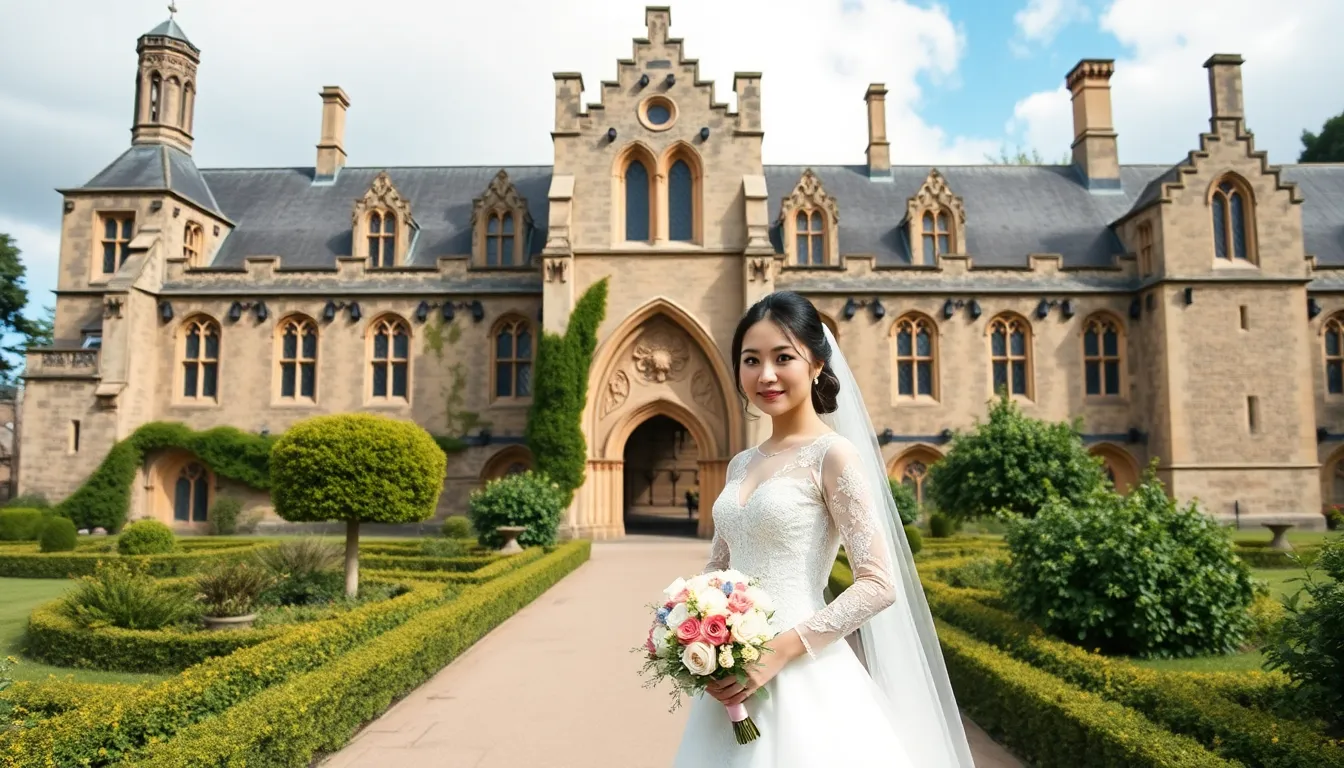
For the abbey’s management, the primary interest lies in maximizing revenue while preserving the historical integrity of the site. By catering to Chinese weddings, they tap into a lucrative market that values unique and picturesque venues. However, this shift raises concerns about the potential commercialization of a historic site, leading to conflicts with preservationists who advocate for maintaining the abbey’s original purpose and character.
Chinese couples, on the other hand, are drawn to the abbey for its romantic ambiance and the cultural significance of marrying in a foreign land. This desire for a unique wedding experience reflects broader trends in globalization and cultural exchange. Yet, this also creates trade-offs, as couples may face challenges related to planning logistics, cultural misunderstandings, and the balancing of traditional Chinese wedding customs with the abbey’s historical context.
- Economic Opportunities: Increased tourism and local business growth from wedding-related activities.
- Cultural Sensitivity: The need for awareness and respect for both English and Chinese wedding traditions.
- Legal Considerations: Compliance with local regulations regarding events and preservation of heritage sites.
- Community Impact: Potential benefits and drawbacks for local residents and businesses.
Local tourism boards have a vested interest in promoting the abbey as a wedding destination, as it can enhance the region’s profile and attract visitors. However, they must navigate the complexities of marketing a site that holds significant historical value while appealing to modern trends. This balancing act can lead to tensions between promoting tourism and protecting cultural heritage.
Effects on local economy and tourism
The transformation of a medieval English abbey into a popular wedding destination for Chinese couples has far-reaching implications for various stakeholders. Local businesses, tourism operators, and the hospitality industry are among the groups that stand to gain or face challenges due to this shift. The influx of visitors from China not only boosts the economy but also alters the cultural landscape of the region.
In the short term, local hotels, restaurants, and service providers are experiencing a surge in demand. This increase can lead to higher revenues and more job opportunities for residents. However, the rapid growth in tourism may strain local infrastructure, resulting in overcrowding and potential disruptions to daily life for local residents.
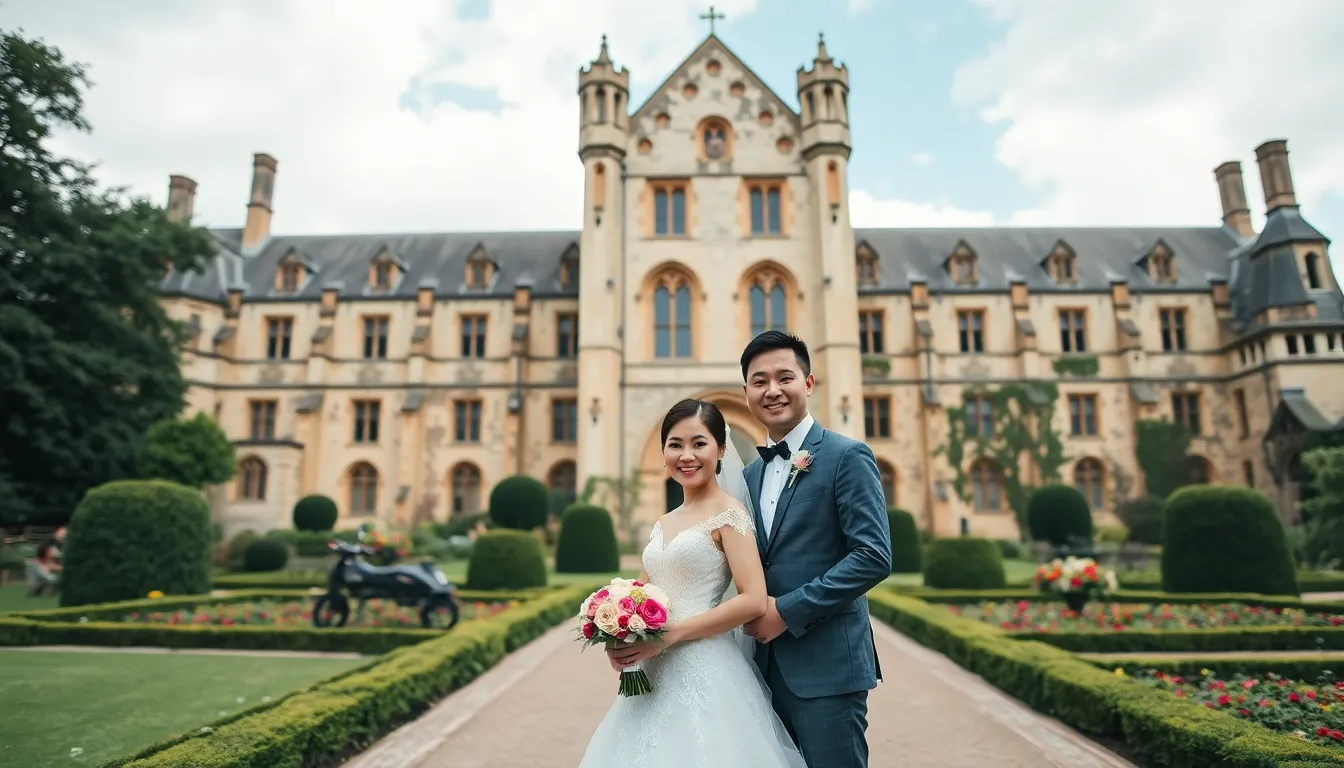
In the mid-term, the local government may need to implement policies to manage the influx of tourists effectively. This could include enhancing transportation services, improving public amenities, and ensuring that the cultural integrity of the abbey and surrounding areas is maintained. While there are risks associated with such rapid development, there are also opportunities for community engagement and cultural exchange.
- Economic boost: Increased revenue for local businesses.
- Job creation: More employment opportunities in tourism and hospitality.
- Cultural exchange: Opportunities for local residents to engage with international visitors.
- Infrastructure strain: Potential challenges in managing increased visitor numbers.
- Policy adjustments: Need for local government to adapt to changing tourism dynamics.
A: The abbey offers a unique blend of historical charm and picturesque scenery, appealing to couples seeking a distinctive wedding experience. A: The abbey provides a range of services including wedding planning, catering, and accommodation for guests, ensuring a seamless experience. A: The influx of Chinese weddings has introduced new customs and practices, fostering a cultural exchange that enriches local traditions. A: Yes, challenges include maintaining the integrity of the historical site while accommodating modern wedding requirements. A: The trend is likely to grow, as couples increasingly seek unique venues that offer both beauty and history.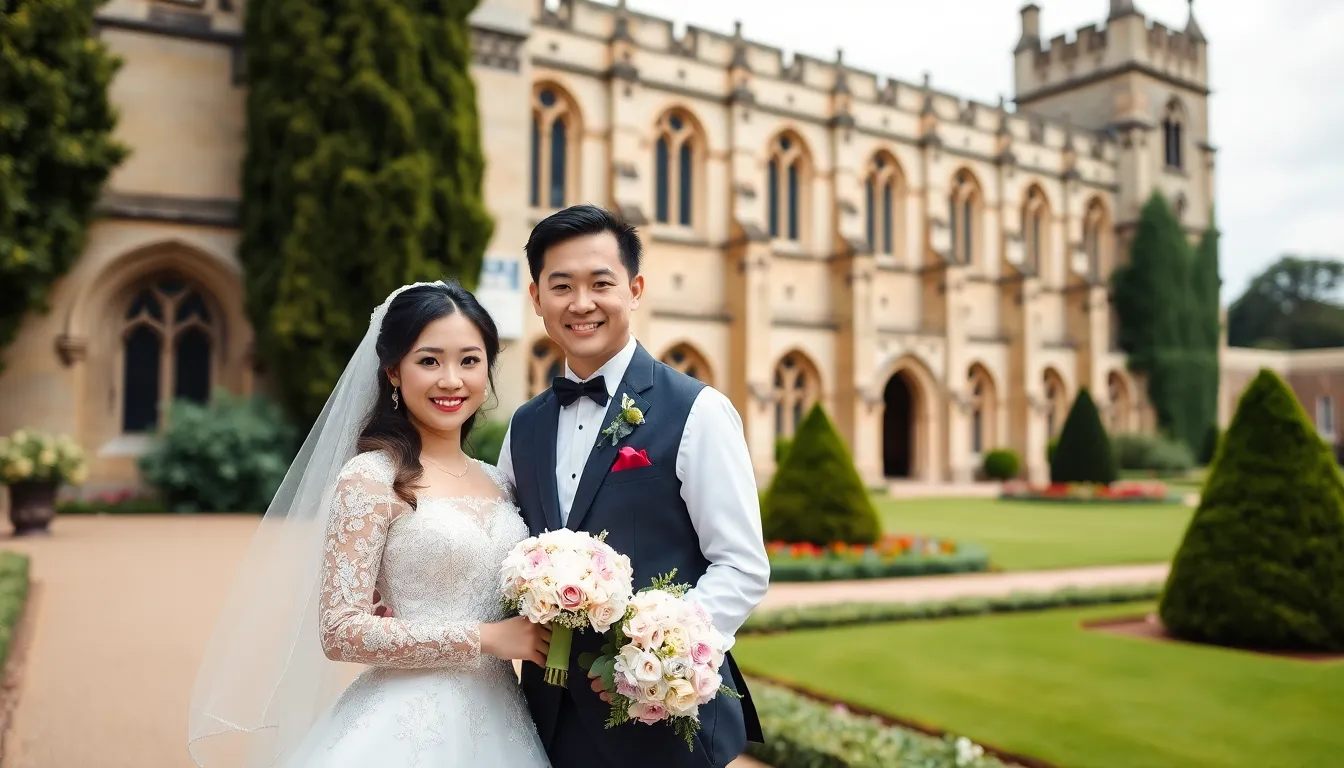
Frequently Asked Questions about the abbey as a wedding venue
Future prospects for heritage sites in the wedding market
The transformation of a medieval English abbey into a sought-after Chinese wedding venue illustrates the evolving nature of cultural exchanges and the adaptability of historical sites. As couples increasingly seek unique and picturesque locations for their nuptials, heritage sites like this abbey can capitalize on their rich histories while catering to modern desires for authenticity and romance.
This trend suggests a broader shift in how heritage sites are perceived and utilized. By embracing diverse cultural practices and preferences, these locations can enhance their appeal, attract international visitors, and drive economic benefits through tourism and related services.
- Heritage sites may need to invest in marketing strategies that highlight their unique offerings to attract global clientele.
- Collaboration with local wedding planners familiar with cultural nuances can enhance the experience for international couples.
- Continued adaptation to modern wedding trends, such as themed events or bespoke services, will be crucial for maintaining relevance.
- Monitoring the impact of international weddings on local communities will be essential to ensure sustainable tourism practices.
- Exploring partnerships with travel agencies could broaden the reach of heritage sites as wedding destinations.