


Major grocery chains, including Tesco and Sainsbury’s, have expanded their hummus offerings, introducing a variety of flavors and brands to cater to diverse tastes. This shift has not only made hummus more accessible but has also encouraged consumers to experiment with it as a versatile condiment, pairing it with everything from sandwiches to salads. For more insights on consumer trends, check out our article on typical new mortgage costs.
The rise of hummus can be attributed to a broader trend towards healthier eating, with many consumers seeking alternatives to traditional spreads. As awareness of dietary choices increases, hummus is often seen as a nutritious option, rich in protein and fiber, appealing to both health-conscious individuals and families alike.
Events like the annual Hummus Festival in London further highlight the condiment’s growing cultural significance, celebrating its Middle Eastern roots while promoting its adoption in British cuisine. This cultural integration indicates not just a culinary trend but a shift in consumer attitudes towards diverse food options, much like the changes discussed in our article about China’s oil stockpiling.
The historical journey of hummus in the UK
Hummus, a creamy dip made from blended chickpeas, tahini, olive oil, lemon juice, and garlic, has its roots in the Middle East, where it has been a staple for centuries. Its introduction to the UK can be traced back to the post-World War II era, when increased immigration from the Mediterranean region brought new culinary influences. Initially, hummus was primarily consumed within specific communities, often regarded as an exotic food item rather than a mainstream option.
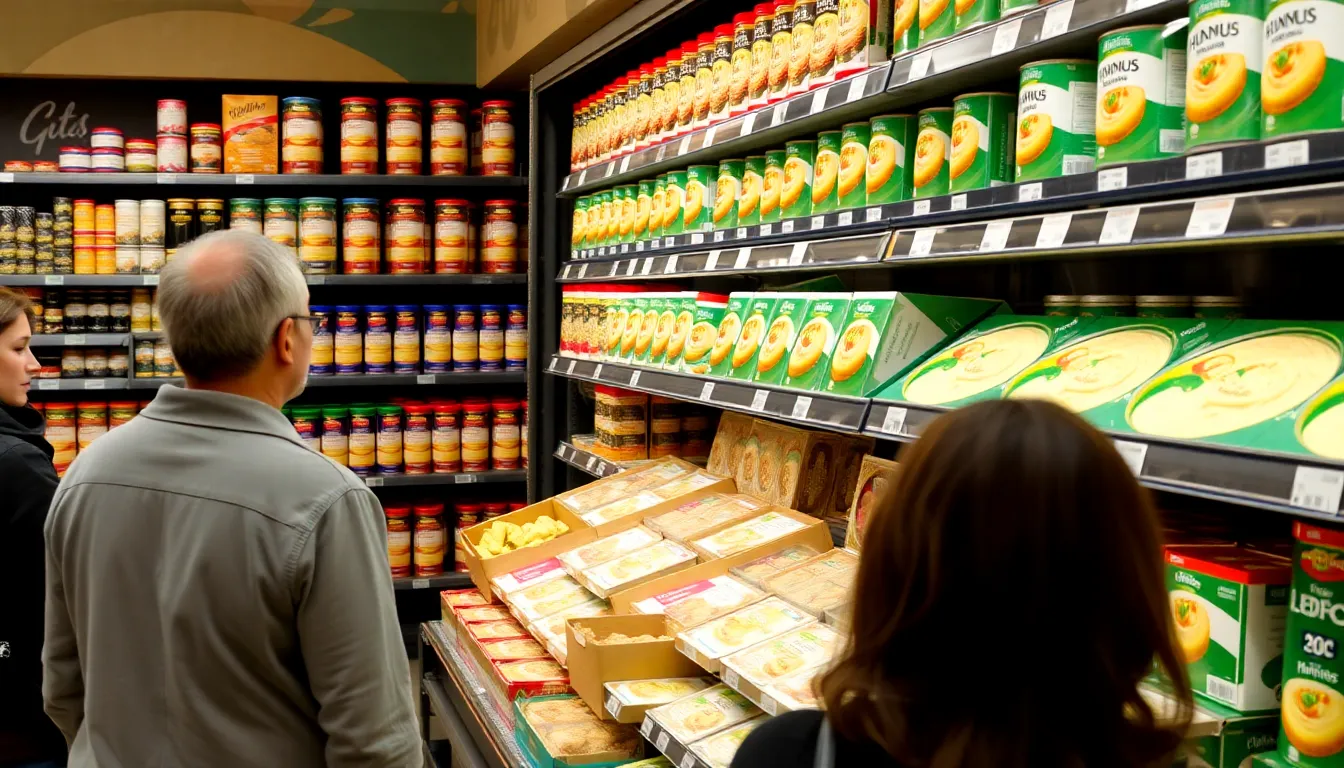
The turning point for hummus in the UK came in the 1990s, coinciding with a growing interest in health and wellness. As consumers began to seek out healthier alternatives to traditional spreads and dips, hummus gained traction due to its nutritious profile. It is high in protein, fiber, and healthy fats, making it an attractive option for those looking to improve their diets. This shift in consumer preferences was also influenced by the rise of vegetarianism and veganism, further embedding hummus into the British food landscape.
Market Expansion and Branding
The commercialization of hummus played a significant role in its transformation from a niche product to a household staple. Food manufacturers recognized the potential market for hummus and began to produce a variety of flavors and brands, making it more accessible to the general public. Supermarkets started to stock hummus alongside traditional British condiments, and marketing campaigns highlighted its versatility, positioning it as a suitable accompaniment for everything from sandwiches to vegetable platters.
By the 2010s, hummus had firmly established itself in the British diet, with reports indicating that it was one of the fastest-growing food categories in the UK. The rise of social media and food blogs also contributed to its popularity, as consumers shared recipes and creative uses for hummus, further embedding it into modern British cuisine. Today, it is not uncommon to find hummus in lunchboxes, at parties, and as a staple in many households across the country.
The journey of hummus in the UK reflects broader trends in globalization and the fusion of culinary traditions. As British palates continue to evolve, hummus stands as a testament to the changing landscape of food preferences, proving that even traditional dishes can find new life and relevance in a different cultural context, similar to how live radio broadcasts have adapted and thrived over the years.
Key players and factors driving hummus popularity
The rise of hummus as a staple in British diets has involved various stakeholders, including food manufacturers, retailers, health advocates, and consumers. Each of these groups has distinct interests that contribute to the growing popularity of this Middle Eastern dip.
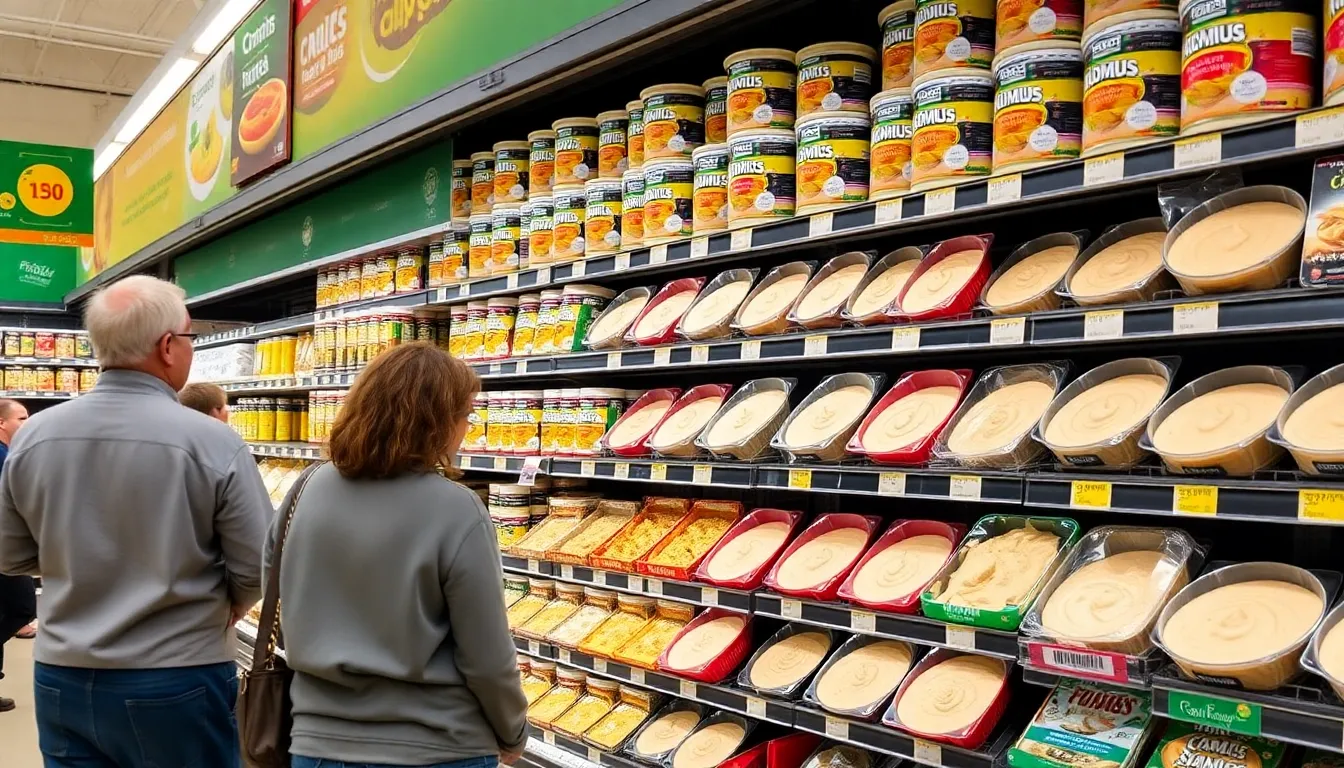
Food manufacturers, particularly those specializing in plant-based products, have recognized the increasing demand for healthier and more sustainable food options. Companies such as Sabra and Osem have expanded their offerings, catering to a market that values convenience and nutrition. This expansion has led to a competitive landscape where innovation in flavors and packaging is key to capturing consumer interest.
Retailers, including major supermarket chains like Tesco and Sainsbury’s, play a crucial role in the distribution of hummus. Their decisions on shelf space and promotional strategies directly impact the visibility and accessibility of hummus to consumers. The growing trend towards plant-based diets has prompted these retailers to prioritize hummus alongside other vegan products, further solidifying its place in mainstream cuisine.
Health advocates and nutritionists have also been instrumental in promoting hummus as a healthy alternative to traditional spreads. Hummus is often lauded for its nutritional benefits, including high protein content and low saturated fat, which aligns with current dietary trends favoring plant-based foods. This endorsement has helped to shift public perception, making hummus a go-to choice for health-conscious consumers.
However, the rapid growth of the hummus market is not without its challenges. Key issues include:
- Competition among brands leading to price wars that may affect quality.
- Concerns over ingredient sourcing and sustainability practices.
- Potential cultural appropriation debates surrounding the commercialization of traditional foods.
- Regulatory challenges regarding labeling and health claims.
These conflicts and trade-offs highlight the complexities of the hummus market as it transitions from a niche product to a beloved British staple, reflecting broader trends in consumer behavior and food culture.
How the rise of hummus affects the food market
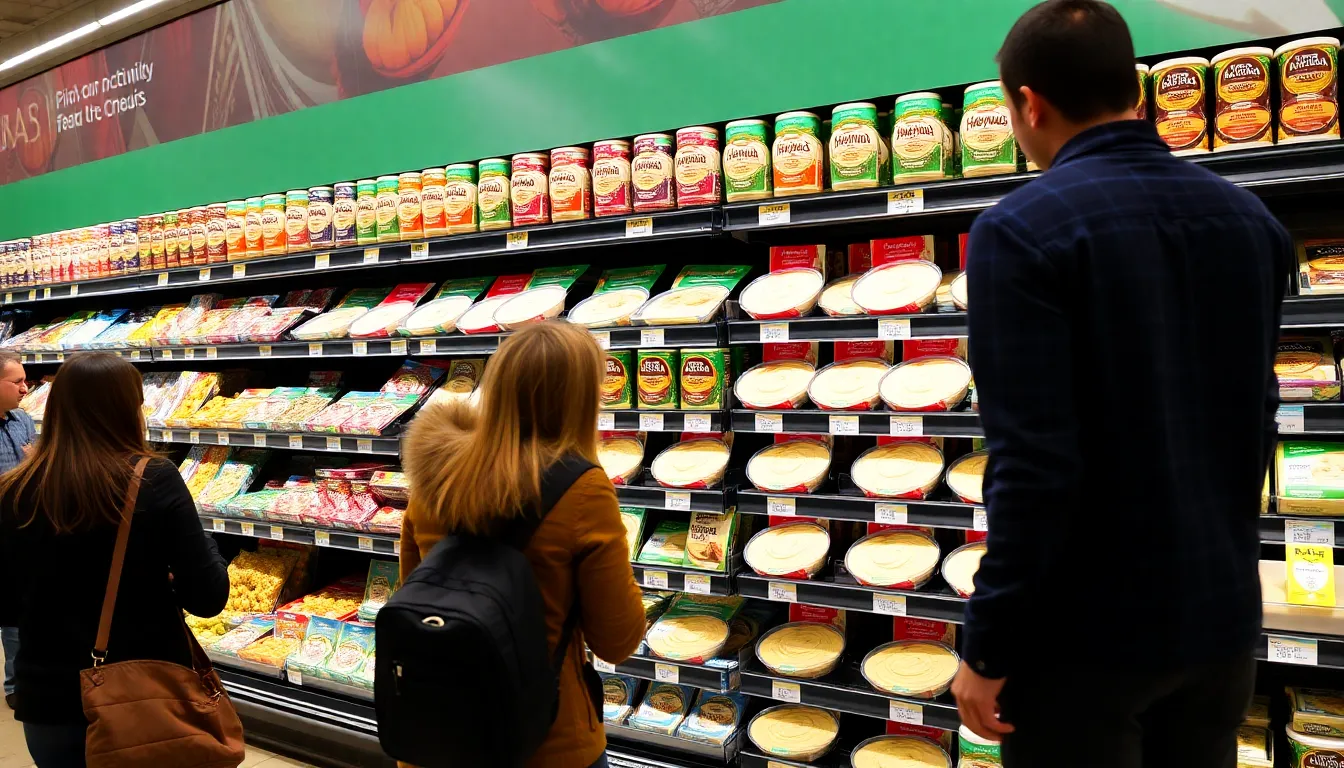
The increasing popularity of hummus as a staple in British households is reshaping the food market, with various groups and industries experiencing significant changes. Food manufacturers, retailers, and consumers are all part of this evolving landscape, as hummus transitions from a niche product to a mainstream condiment.
In the short term, businesses in the food industry, particularly those involved in the production and distribution of hummus, are likely to see a boost in sales. Supermarkets and specialty stores may expand their offerings to include a wider variety of hummus flavors and brands, catering to growing consumer demand. This shift can lead to increased competition among manufacturers, prompting innovation and product diversification.
Mid-term impacts could include changes in agricultural practices, as the demand for chickpeas and other key ingredients rises. Farmers may need to adapt their crop rotations and invest in new farming technologies to meet this demand. Additionally, the food service industry could experience a shift, with restaurants incorporating hummus into their menus more frequently, appealing to health-conscious consumers.
- Opportunities: Increased sales for hummus producers and retailers.
- Risks: Potential supply chain issues related to chickpea sourcing.
- Opportunities: Growth in product innovation and flavor variety.
- Risks: Market saturation if too many brands emerge.
As hummus becomes a staple, it also influences consumer behavior and dietary choices. Health trends may shift towards plant-based diets, prompting more people to incorporate hummus into their meals. This can lead to a broader cultural acceptance of diverse culinary practices, benefiting not just the hummus market but also related sectors such as vegan and vegetarian foods.
A: Hummus is primarily made from blended chickpeas, tahini, olive oil, lemon juice, and garlic. These ingredients combine to create a creamy and flavorful dip. A: Hummus has gained popularity as a versatile condiment that can be used in various dishes, similar to ketchup. Its health benefits and flavor profile appeal to a wide audience. A: Yes, hummus is generally considered a healthy option as it is high in protein, fiber, and healthy fats. It can be a nutritious addition to a balanced diet. A: The market for hummus has seen significant growth, with more brands and flavors emerging. This reflects a shift in consumer preferences towards healthier and plant-based options. A: Absolutely! Hummus can be easily made at home with simple ingredients and a food processor. Many people enjoy customizing their recipes with different spices and flavors.
Frequently asked questions about hummus in the UK
Future outlook for hummus in British cuisine
The rise of hummus as a staple in British cuisine signals a significant shift in consumer preferences towards healthier and more diverse food options. As the demand for plant-based diets continues to grow, hummus is likely to solidify its place not just as a dip but as a versatile ingredient in various dishes. This evolution reflects broader trends in food consumption, where traditional boundaries are increasingly blurred.
Looking ahead, the potential for hummus to inspire new culinary innovations is immense. With its adaptability, it can cater to a wide range of dietary needs and flavor profiles, making it a prime candidate for further integration into everyday meals. The ongoing experimentation with flavors and ingredients will likely keep hummus at the forefront of British culinary trends.
- Watch for increased availability of unique hummus flavors in supermarkets and restaurants, catering to adventurous palates.
- Expect to see hummus featured in more recipes beyond traditional pairings, including as a spread in sandwiches and a base for sauces.
- Monitor the impact of health trends on hummus consumption, as its nutritional profile aligns with growing consumer interest in plant-based diets.
- Consider the role of social media in popularizing hummus recipes and inspiring home cooking, leading to a surge in homemade variations.