


In the agricultural sector, the agreement has altered trade dynamics, particularly for dairy and poultry products. U.S. farmers have gained greater access to Canadian markets, while Mexican farmers are adjusting to new tariff structures. These shifts are significant as they directly affect pricing and availability for consumers across North America.
Labor provisions under the USMCA have also sparked discussions regarding wage standards and working conditions. With a focus on improving labor rights in Mexico, the agreement aims to create a more level playing field for workers in all three nations. This aspect has drawn attention from labor unions and advocacy groups, who are monitoring its implementation closely.
Furthermore, the digital trade provisions are reshaping how businesses operate in the region. The agreement facilitates cross-border data flow and reduces barriers for e-commerce, which is crucial as online transactions continue to grow. Companies are now adapting to these new rules, which may impact everything from logistics to consumer privacy.
As the effects of the USMCA unfold, stakeholders from various sectors are encouraged to share their experiences. Understanding how this agreement is influencing daily life and business operations can provide valuable insights into its overall effectiveness and areas for improvement.

Recommended Articles
- Understanding Section 301 and Section 122 in Trump's Tariff Strategy
- Ex-K-pop Boss Willing to Forgo Million to Keep NewJeans Together
- Exploring the Impact of BBC Inside Science
- US initiates investigation into trading partners including EU, China and India
- China stockpiled more oil before war broke out in Iran
- Understanding Section 301 and Section 122 in Trump's Tariff Strategy
- Ex-K-pop Boss Willing to Forgo Million to Keep NewJeans Together
- Exploring the Impact of BBC Inside Science
- US initiates investigation into trading partners including EU, China and India
- China stockpiled more oil before war broke out in Iran
Background on the United States-Mexico-Canada Agreement
The United States-Mexico-Canada Agreement (USMCA), which came into effect on July 1, 2020, replaced the North American Free Trade Agreement (NAFTA) that had been in place since 1994. NAFTA was designed to eliminate trade barriers between the three nations, promoting economic integration and increasing trade flows. However, over the years, criticisms emerged regarding job losses in certain sectors, wage stagnation, and environmental concerns, prompting a reevaluation of the trade framework.
The negotiation of the USMCA began in 2017 under the Trump administration, which aimed to address these criticisms and modernize trade relations. Key issues included the automotive industry, labor rights, and intellectual property protections. The agreement introduced stricter rules of origin for automobiles, requiring a higher percentage of parts to be made in North America, and included provisions to strengthen labor rights in Mexico, aiming to level the playing field for American workers.
In addition to economic considerations, the USMCA reflects broader political dynamics, including rising nationalism and protectionism in the United States. The agreement sought to reassert American interests in a rapidly changing global trade landscape, particularly in the face of challenges from countries like China. This shift marked a significant departure from previous free trade ideologies, emphasizing the need for equitable trade practices that benefit all parties involved.
Key Milestones in the USMCA Negotiation
Several key milestones marked the journey to the USMCA’s implementation. In August 2018, the United States and Mexico reached a bilateral agreement, setting the stage for Canada to join the negotiations. By September 2018, a trilateral agreement was announced, followed by a lengthy ratification process in each country. The USMCA was officially signed into law in January 2020, reflecting a significant political achievement amid contentious trade debates.
As the USMCA continues to shape trade relations in North America, its implications are being felt across various sectors, raising questions about its impact on jobs, consumer prices, and economic growth. The agreement’s effects are still unfolding, and public input is crucial for understanding its real-world consequences.

Key Stakeholders and Issues Surrounding the Agreement
The United States-Mexico-Canada Agreement (USMCA), which replaced the North American Free Trade Agreement (NAFTA), involves a variety of stakeholders, each with distinct interests and concerns. The primary actors include the governments of the United States, Canada, and Mexico, as well as businesses, labor unions, and consumer advocacy groups. Understanding their motivations is crucial for assessing the agreement’s impact on individuals and industries.
One of the most significant stakeholders is the U.S. government, which aims to protect American jobs and industries, particularly in manufacturing and agriculture. The administration has emphasized the need for fair trade practices that benefit American workers. In contrast, the Canadian and Mexican governments seek to maintain strong economic ties and ensure that their industries remain competitive, particularly in sectors like automotive and agriculture.
Businesses play a pivotal role in the USMCA landscape, as they are directly affected by the trade regulations and tariffs established by the agreement. Large corporations, especially in the automotive and dairy sectors, have expressed both support and concern regarding the changes. Small and medium-sized enterprises (SMEs) may face different challenges, such as navigating new compliance requirements and potential market access issues.
- Labor Unions: Labor organizations in the U.S. advocate for stronger protections for workers, pushing for enhanced labor standards to prevent job losses due to outsourcing.
- Environmental Groups: These stakeholders are focused on ensuring that the agreement addresses environmental concerns, pushing for sustainable practices in trade.
- Consumer Advocacy Groups: They are interested in how the agreement affects prices and product availability, advocating for consumer rights in the face of potential market monopolies.
Key issues surrounding the USMCA include the enforcement of labor standards, intellectual property protections, and environmental regulations. Conflicts may arise when the interests of these stakeholders clash, such as when businesses prioritize profit over labor rights or environmental sustainability. Furthermore, the economic implications of the agreement, including changes in tariffs and trade balances, continue to influence public opinion and stakeholder engagement.
Who is Affected by the Agreement and How
The United States-Mexico-Canada Agreement (USMCA) has a wide-ranging impact on various groups, industries, and regions across North America. Key stakeholders include farmers, manufacturers, service providers, and consumers. Each of these groups experiences both challenges and opportunities stemming from the agreement.
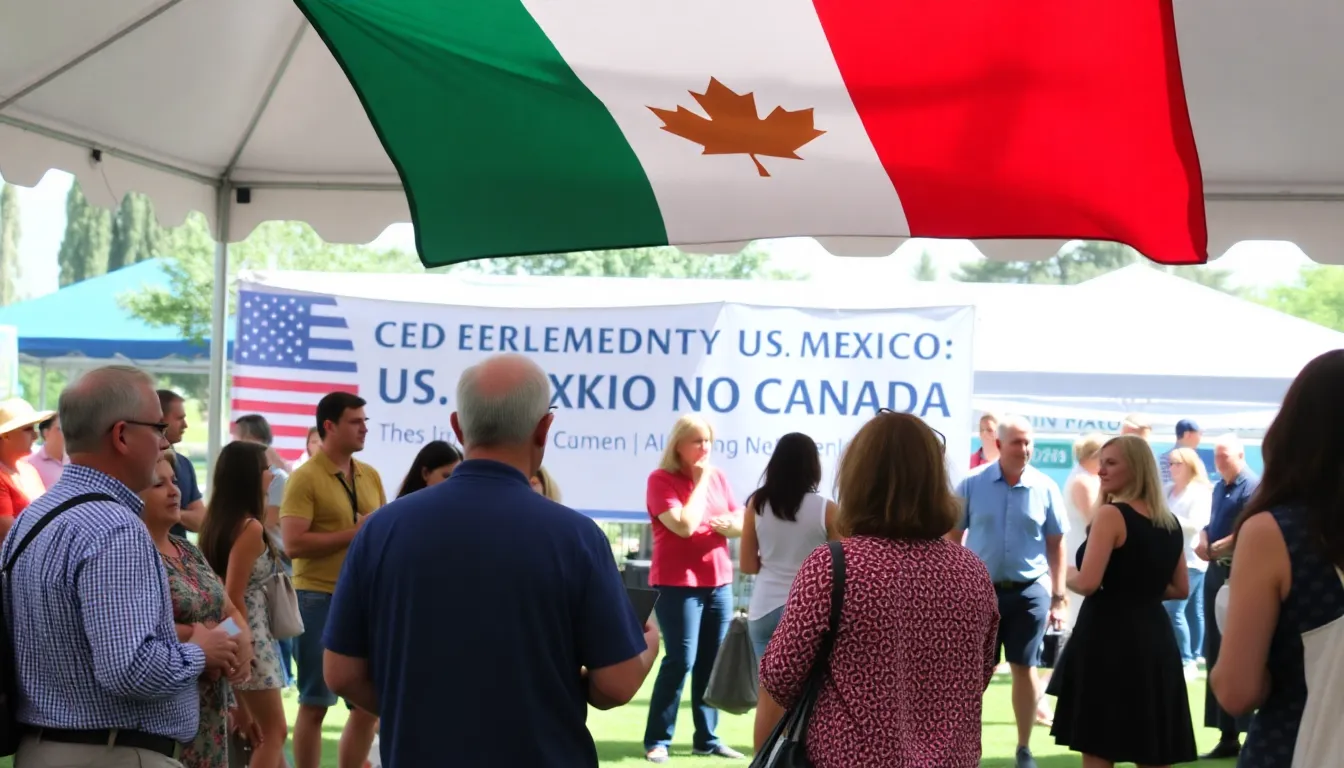
In the agricultural sector, farmers in the U.S. and Canada may benefit from increased access to the Mexican market, particularly for dairy and poultry products. However, Mexican farmers might face heightened competition, potentially affecting their livelihoods. The short-term impact includes fluctuations in market prices and shifts in supply chains, while the mid-term could see a consolidation of larger agricultural enterprises.
Manufacturers, especially in the automotive and technology sectors, are also significantly affected. The USMCA introduces stricter rules of origin, which may compel companies to source materials from within North America. This could lead to short-term disruptions in production but may ultimately strengthen local supply chains and create jobs in the mid-term. However, companies that are unable to adapt may face increased costs and reduced competitiveness.
- Risks: Increased operational costs, potential job losses in vulnerable sectors.
- Opportunities: Enhanced market access, job creation in compliant industries.
Regions along the U.S.-Mexico border stand to experience both direct economic benefits and challenges. Increased trade may boost local economies, but it could also strain infrastructure and resources. Additionally, policymakers must navigate the complexities of labor rights and environmental regulations, which may lead to shifts in local governance and policy-making.
Consumers may notice changes in product availability and pricing as businesses adapt to the new trade landscape. While some goods may become more affordable due to increased competition, others could see price hikes as companies adjust to compliance costs. In the mid-term, consumers might benefit from a greater variety of products as trade barriers are lowered, but they may also face uncertainty in the market as businesses recalibrate their strategies.
A: The USMCA has introduced new trade rules that aim to benefit workers and businesses in the U.S., Mexico, and Canada. It has updated provisions on labor, environmental standards, and digital trade. A: Consumers may benefit from lower prices and increased availability of goods due to improved trade conditions. The agreement also aims to enhance product safety and quality. A: Some small businesses may face challenges adapting to new regulations and compliance requirements. However, the agreement also provides opportunities for growth in export markets. A: Individuals can share their experiences through surveys and public forums organized by trade organizations and government agencies. Feedback is valuable for assessing the agreement’s impact. A: Industries such as agriculture, automotive, and technology are significantly impacted by the USMCA. Changes in tariffs and trade rules can alter competitive dynamics in these sectors.
Frequently Asked Questions About the Agreement
Key Takeaways and Future Outlook on the Agreement
The United States-Mexico-Canada Agreement (USMCA) has initiated significant changes in trade dynamics among the three nations, affecting various sectors from agriculture to technology. As stakeholders navigate the evolving landscape, understanding the implications of these changes is crucial for both businesses and consumers alike.
Looking ahead, the ongoing adjustments and adaptations to the agreement will likely influence market trends and economic relationships. Observers should remain vigilant about the potential impacts on tariffs, labor standards, and environmental regulations, which may shape future trade negotiations and policies.
- Increased Market Access: Businesses may experience new opportunities for export and import, particularly in sectors like dairy and automotive, which could lead to competitive pricing and product availability.
- Labor and Environmental Standards: Enhanced regulations could affect production practices, pushing companies to adopt more sustainable and ethical practices in line with USMCA requirements.
- Technological Innovation: The agreement encourages digital trade, which may lead to increased investment in technology and innovation across industries, fostering growth and efficiency.
- Consumer Impact: Changes in tariffs and market access may directly influence consumer prices and choices, making it essential for individuals to stay informed about how these shifts affect their purchasing power.