


India’s decision to extend support to an Iranian vessel comes amid heightened tensions between Iran and the United States, particularly concerning sanctions and maritime security, as discussed in more detail in this article.
On October 13, 2023, U.S. naval forces executed a targeted operation that resulted in the sinking of the ‘Shahed’. This action has raised questions about international maritime law and the rights of nations to provide assistance to vessels facing threats on the high seas.
The incident has drawn attention from various international observers, who are analyzing the implications for India’s foreign policy and its relationship with both Iran and the United States. As nations navigate these turbulent waters, the situation underscores the delicate balance of diplomacy and security in a rapidly changing geopolitical landscape.
Background on the geopolitical tensions involving Iran and the US
The relationship between Iran and the United States has been fraught with tension since the 1979 Iranian Revolution, which saw the overthrow of the US-backed Shah and the establishment of an Islamic Republic. This pivotal event marked the beginning of a series of conflicts, including the Iran Hostage Crisis, where 52 American diplomats and citizens were held hostage for 444 days. Since then, diplomatic relations have remained largely severed, with both nations often viewing each other as adversaries.
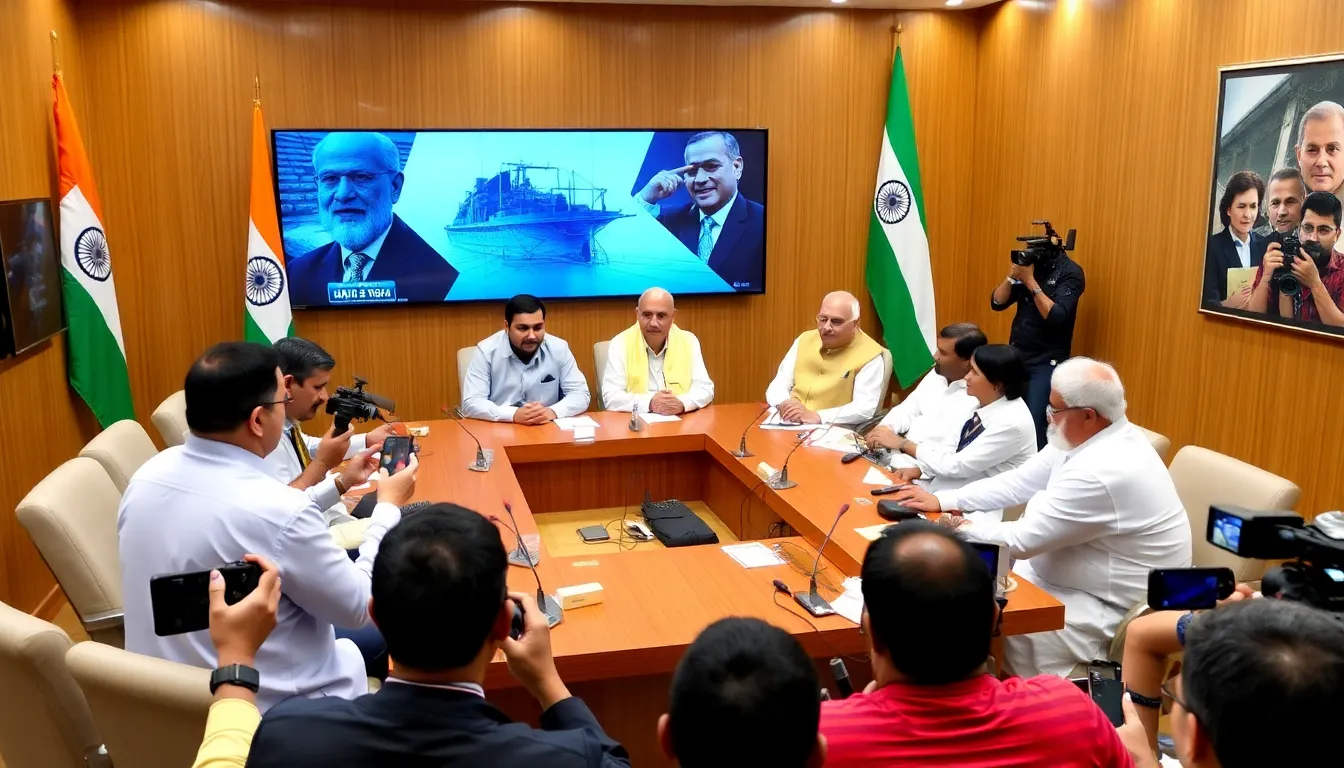
In recent years, the tensions have escalated due to Iran’s nuclear program and its regional activities, which the US perceives as a threat to its interests and allies in the Middle East. The US’s withdrawal from the Joint Comprehensive Plan of Action (JCPOA) in 2018, followed by the reimposition of sanctions on Iran, further exacerbated the situation. These sanctions not only impacted Iran’s economy but also strained its relationships with other countries, creating a complex web of geopolitical alliances and enmities.
India’s decision to offer sanctuary to an Iranian ship just days before the US sank it is indicative of the delicate balancing act that countries like India must perform in the face of US-Iran tensions. As a nation that has historically maintained a non-aligned stance, India seeks to foster good relations with both Iran and the US. This situation underscores India’s strategic interests in the region, particularly in terms of energy security and trade, as well as its commitment to maintaining regional stability.
The significance of maritime trade in the Iran-India relationship
The recent incident involving the Iranian ship highlights the vulnerabilities of maritime routes and the influence of international politics on trade, similar to what was seen when the US submarine sank the Iranian warship.
Analysis of stakeholders and key issues surrounding the incident
The incident involving India’s offer of sanctuary to an Iranian ship just days before it was reportedly sunk by the United States highlights a complex web of geopolitical interests and tensions. Key actors in this scenario include the Indian government, the Iranian government, the United States, and international maritime organizations.
India has significant economic interests in Iran, particularly in the energy sector, which raises questions about India’s foreign policy goals similar to the situation analyzed in the context of China’s oil stockpiling before Iran’s conflict.
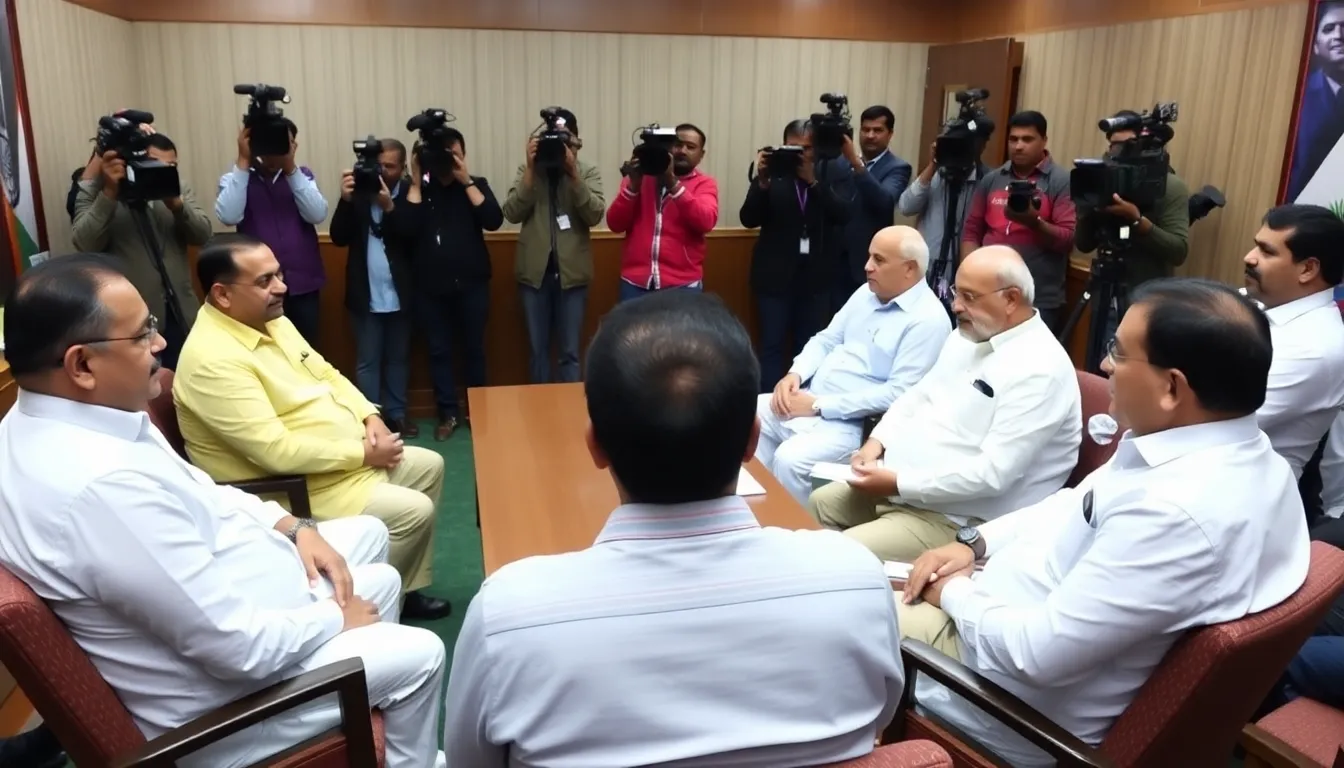
On the other hand, the United States’ actions can be seen as part of its broader strategy to exert pressure on Iran, particularly regarding its nuclear program and regional influence. The U.S. aims to enforce sanctions and limit Iran’s maritime activities, which it views as a threat to regional stability. This creates a conflict with India’s interests, as New Delhi attempts to navigate its diplomatic relations without alienating either party.
- Geopolitical tensions: The incident exemplifies the growing rift between U.S. interests and those of nations that maintain relations with Iran.
- Legal implications: The sinking of the ship raises questions about international maritime law and the legality of military actions in international waters.
- Economic ramifications: India’s ties with Iran are economically significant, particularly in the context of oil imports and investments.
- Regional stability: The actions of the U.S. and the responses from Iran and India could influence the broader security landscape in the Middle East and South Asia.
In summary, the incident serves as a microcosm of larger geopolitical dynamics, where the interests of multiple stakeholders intersect, leading to potential conflicts and trade-offs that could have far-reaching implications for international relations and regional stability.
Impact on regional stability and international relations
The recent incident involving India offering sanctuary to an Iranian ship just days before it was sunk by the United States has far-reaching implications for various groups and industries. This event has the potential to affect diplomatic relations not only between India and the US but also among regional powers in the Middle East and South Asia.
Key stakeholders include the shipping and maritime industries, which may face increased scrutiny and potential disruptions as a result of heightened tensions. Additionally, governments in the region, especially those with ties to Iran, may need to reassess their foreign policy strategies in light of this situation.
- Shipping Industry: Increased insurance costs and shipping delays due to heightened risks.
- Local Businesses: Potential disruptions in trade routes affecting supply chains.
- Government Policies: Possible shifts in diplomatic stances and military readiness in the region.
In the short term, businesses reliant on maritime trade may experience increased operational costs and uncertainty, as companies may hesitate to engage with regions perceived as volatile. This could lead to a temporary slowdown in trade activities, impacting local economies that depend on import and export operations.
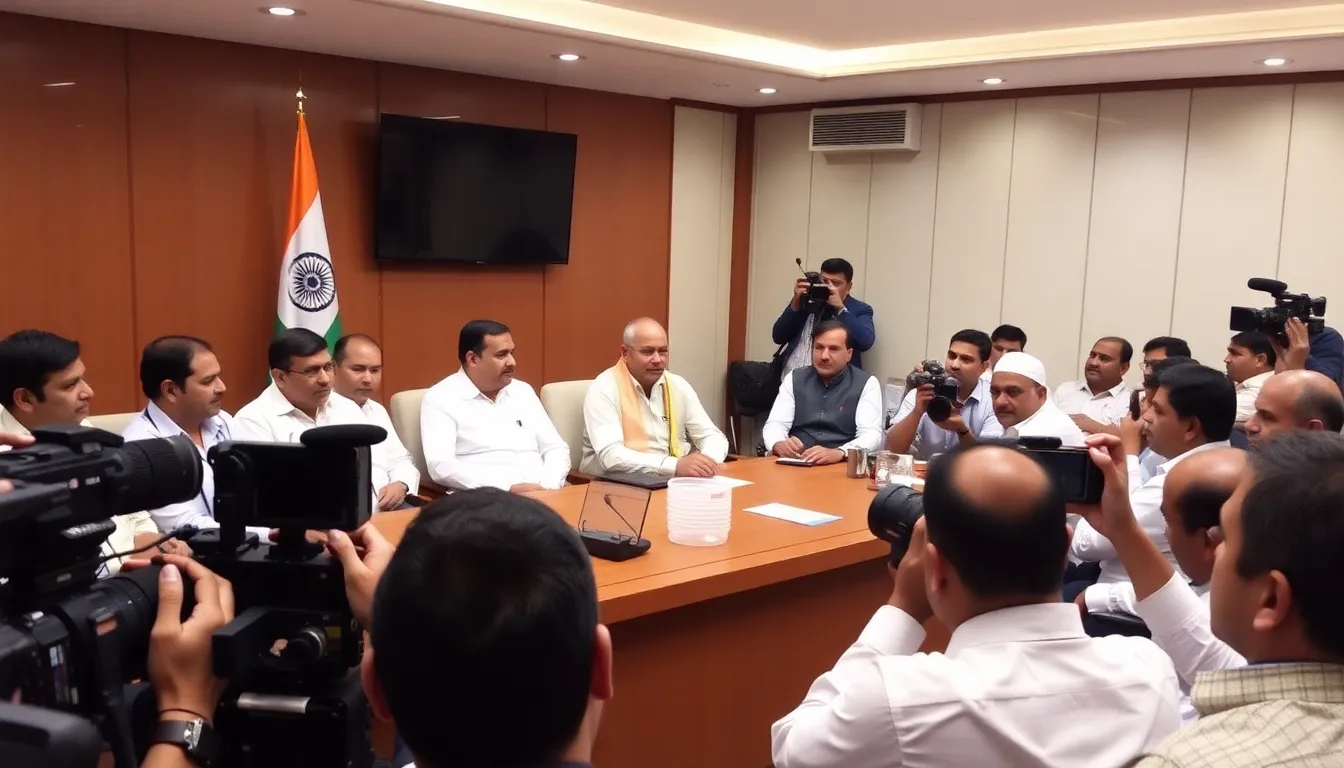
In the mid-term, however, there may be opportunities for India to position itself as a mediator in regional conflicts, potentially enhancing its diplomatic standing. Additionally, businesses that adapt quickly to the changing landscape may find new markets or partnerships, particularly in sectors like security and logistics, which could be in higher demand due to the evolving geopolitical climate.
A: India’s offer was likely a strategic move to maintain diplomatic relations with Iran while navigating the complex dynamics of US-Iran tensions. A: The Iranian ship was reportedly sunk by US forces shortly after India extended its offer of sanctuary, raising concerns over international maritime law. A: This incident could strain US-India relations, as it highlights India’s willingness to engage with Iran despite US sanctions and pressures. A: For Iran, this incident underscores its vulnerability in international waters and may prompt it to seek stronger alliances with countries like India. A: The incident reflects the ongoing power struggles in the region and may influence future diplomatic engagements between major powers.
Frequently asked questions about the Iranian ship incident
Key takeaways and future outlook on the situation
The recent incident involving India offering sanctuary to an Iranian ship, shortly before it was sunk by the US, highlights the complexities of geopolitical dynamics in the region. This development underscores the delicate balance that nations must navigate between their diplomatic relationships and national security interests. As tensions continue to rise, the implications of this event could resonate through international maritime laws and regional alliances.
Moving forward, it will be crucial to monitor how this situation influences India’s foreign policy, particularly in relation to Iran and the United States. The reactions from other regional players and the potential for increased naval presence in contested waters will also be key factors to watch.
- India’s diplomatic stance may shift as it reassesses its relationship with both Iran and the US amidst changing geopolitical tides.
- Increased scrutiny on maritime security and the rights of nations to offer refuge could emerge from this incident.
- Potential ripple effects on trade routes and energy supplies in the region may occur as nations react to heightened tensions.
- Regional alliances may be tested or strengthened as countries navigate their positions in light of this event.
- Monitoring of international maritime law interpretations could reveal shifts in enforcement and compliance by various nations.