


The Iranian government has been facing mounting pressure from international sanctions and military threats, particularly from the United States. As hostilities grow, the situation in the region remains precarious, prompting many countries, including China, to reassess their energy security strategies. China’s actions suggest a proactive approach to safeguard its energy supplies in anticipation of possible disruptions, such as the recent escalation in tensions highlighted in related articles.
Data from the Chinese customs office reveal that imports in October reached their highest levels in over a year, with a notable increase in shipments from countries like Saudi Arabia and Russia. This uptick in procurement is seen as a strategic maneuver to ensure that China has sufficient reserves should the situation in Iran escalate further, affecting global oil prices and supply chains.
Experts are closely monitoring these developments, as they highlight the intricate interplay between energy security and geopolitical dynamics. China’s growing dependence on foreign oil, coupled with its recent stockpiling activities, underscores the importance of maintaining stable energy supplies amid uncertainty in the Middle East. The implications of these actions could reverberate through global markets, influencing not only oil prices but also international relations.
Understanding the geopolitical landscape leading to the conflict
The recent escalation in tensions between Iran and the West has prompted various nations, particularly China, to reassess their energy security strategies. Historically, Iran has been a significant player in the global oil market, possessing one of the largest reserves of crude oil. However, the imposition of sanctions and fluctuating diplomatic relations have created an environment of uncertainty, pushing countries to stockpile essential resources such as oil, a topic discussed further in another related article.
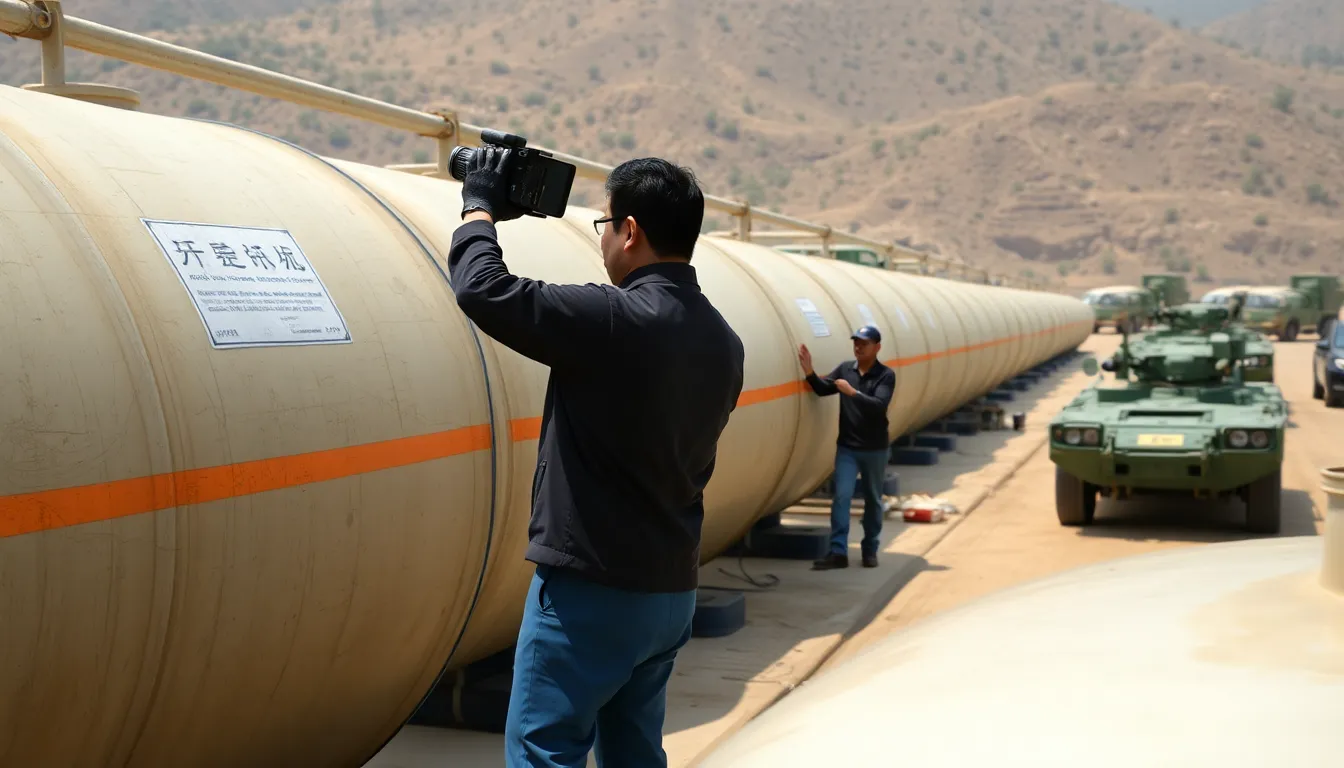
China’s strategic decision to stockpile oil ahead of the conflict can be traced back to its growing energy demands. As the world’s second-largest economy, China relies heavily on oil imports to fuel its industrial growth and maintain its economic stability. The increasing volatility in the Middle East, especially concerning Iran’s nuclear program and its confrontations with the United States, has made Chinese policymakers wary of potential supply disruptions.
The impact of sanctions on Iran’s oil exports
Over the past decade, Iran’s oil exports have faced significant challenges due to international sanctions aimed at curbing its nuclear ambitions. These sanctions have not only limited Iran’s ability to sell oil but have also affected its relationships with key trading partners. In response, Iran has sought to diversify its oil markets, particularly towards nations like China, which have continued to import Iranian oil despite Western pressures. This dynamic has created a precarious balance where China must navigate its energy needs while managing its diplomatic ties with the United States and other Western nations.
Key milestones such as the Joint Comprehensive Plan of Action (JCPOA) in 2015 temporarily eased tensions and allowed for increased Iranian oil exports. However, the U.S. withdrawal from the agreement in 2018 and the subsequent reinstatement of sanctions reignited fears of supply shortages. As a result, China’s proactive measures to stockpile oil can be viewed as a strategic maneuver to safeguard its energy interests amidst an unpredictable geopolitical climate.
In summary, the backdrop of rising tensions and economic considerations has led China to bolster its oil reserves in anticipation of potential disruptions from the ongoing conflict in Iran. This situation underscores the intricate interplay of global politics and energy security, reflecting how nations adapt to an ever-changing landscape.
Key stakeholders and their interests in the oil market
The unfolding situation surrounding the stockpiling of oil by China prior to the outbreak of war in Iran involves a complex web of stakeholders, each with distinct interests. Key actors include the Chinese government, Iranian authorities, oil-exporting nations, multinational oil corporations, and global consumers. The interplay of these stakeholders shapes the broader dynamics of the oil market and international relations.
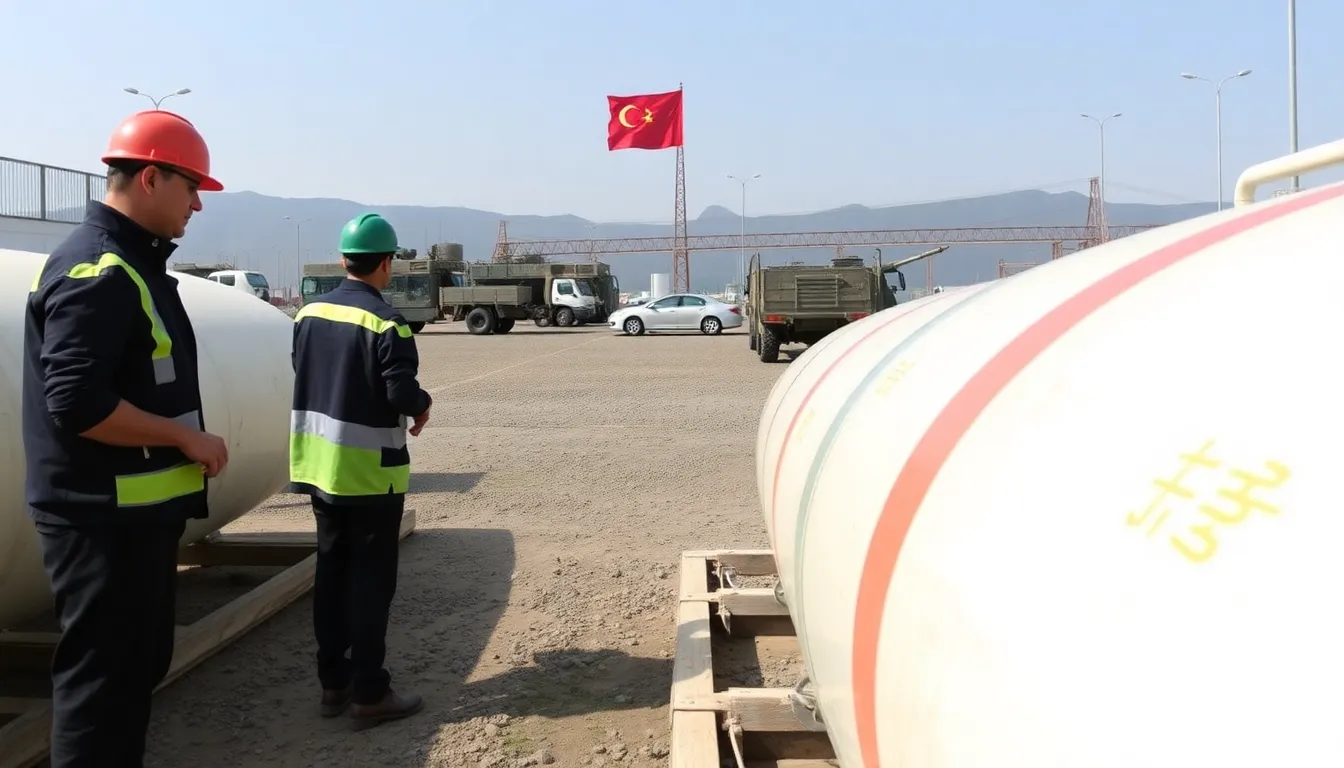
The Chinese government is primarily motivated by energy security and economic stability. By stockpiling oil, China aims to safeguard its energy needs in anticipation of potential disruptions caused by conflict in the Middle East, a region critical to its oil supply. This strategy reflects a broader trend of nations seeking to bolster their reserves amid geopolitical uncertainties.
Iran, on the other hand, faces a dual challenge. The Iranian government seeks to maintain its oil exports while navigating international sanctions and the threat of military action. The conflict not only affects its economy but also its geopolitical standing. Iran’s ability to manage its oil production and export levels is crucial for its economic survival and regional influence, which is increasingly relevant considering the geopolitical shifts outlined in recent developments.
- Conflicts of Interest: The interests of China and Iran can sometimes align, particularly in resisting U.S. sanctions, yet they may also clash over pricing and trade agreements.
- Trade-offs: Nations may prioritize short-term gains from oil trade over long-term diplomatic relations, complicating alliances.
- Legal Issues: International laws regarding sanctions and trade can create barriers for countries attempting to navigate the complexities of oil transactions.
- Economic Implications: Fluctuations in oil prices due to geopolitical tensions can have widespread effects on global markets, influencing everything from consumer prices to investment strategies.
Multinational oil corporations also play a pivotal role, as they seek to maximize profits while managing risks associated with geopolitical instability. Their investments in oil-producing regions can be jeopardized by conflict, leading to a reevaluation of strategies and potential withdrawal from markets deemed too risky. This creates a dynamic where corporate interests may influence governmental policies and vice versa.
Lastly, global consumers are indirectly affected by these developments. Changes in oil supply and price volatility can impact fuel costs, transportation expenses, and overall economic conditions. Understanding the motivations of these stakeholders provides a clearer picture of the intricate relationships and potential outcomes in the oil market amid geopolitical tensions.
Potential effects on global oil prices and markets
The recent stockpiling of oil by China ahead of the unfolding conflict in Iran has significant implications for various groups and industries worldwide. As one of the largest consumers of oil, China’s actions could lead to heightened volatility in global oil prices, affecting not just oil-producing nations but also importing countries reliant on stable energy supplies.
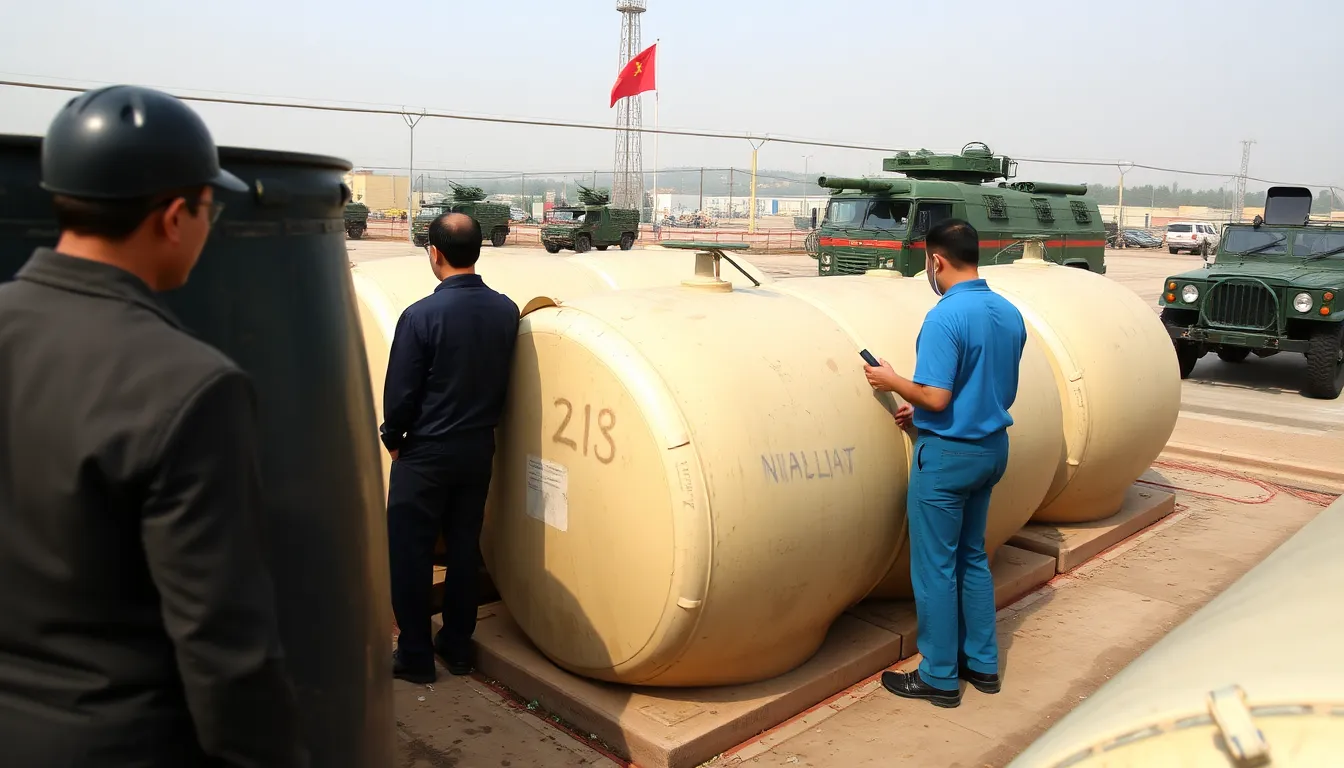
Industries such as transportation, manufacturing, and energy are particularly vulnerable. Airlines, shipping companies, and logistics firms may face increased operational costs due to rising fuel prices, which could ultimately be passed on to consumers. In contrast, oil-producing nations may see a short-term boost in revenues, but the long-term stability of these prices remains uncertain.
Regions heavily dependent on oil imports, such as Europe and parts of Asia, may experience economic strain as energy costs rise. This could lead to inflationary pressures, impacting consumer spending and slowing down economic growth. Governments may need to reassess their energy policies and consider strategic reserves to mitigate the impact on their economies.
- Short-term impacts: Increased oil prices, higher transportation costs, inflationary pressures.
- Mid-term impacts: Potential shifts in energy policy, changes in consumer behavior, and adjustments in global supply chains.
- Risks: Economic instability in oil-dependent regions, potential for conflict escalation, and supply chain disruptions.
- Opportunities: Investment in alternative energy sources, innovation in energy efficiency, and potential market shifts favoring local production.
As the situation evolves, stakeholders across the globe must remain vigilant and adaptable to the changing landscape, balancing the immediate risks with the potential for long-term strategic shifts in energy consumption and production. The interplay between geopolitical tensions and market dynamics will shape the future of the oil industry and its broader economic implications.
A: China likely anticipated disruptions in oil supply due to the impending conflict, prompting it to secure additional reserves to stabilize its energy needs. A: Increased demand from China can lead to higher global oil prices, especially if other countries also begin to stockpile in response to the conflict. A: By stockpiling oil, China aims to enhance its energy security and reduce vulnerability to supply shocks during geopolitical crises. A: Major oil-producing countries, global investors, and countries reliant on oil imports are all significantly impacted by China’s actions and the conflict in Iran. A: China may continue to diversify its energy sources, invest in alternative energy, and strengthen diplomatic ties with key oil-producing nations to mitigate risks.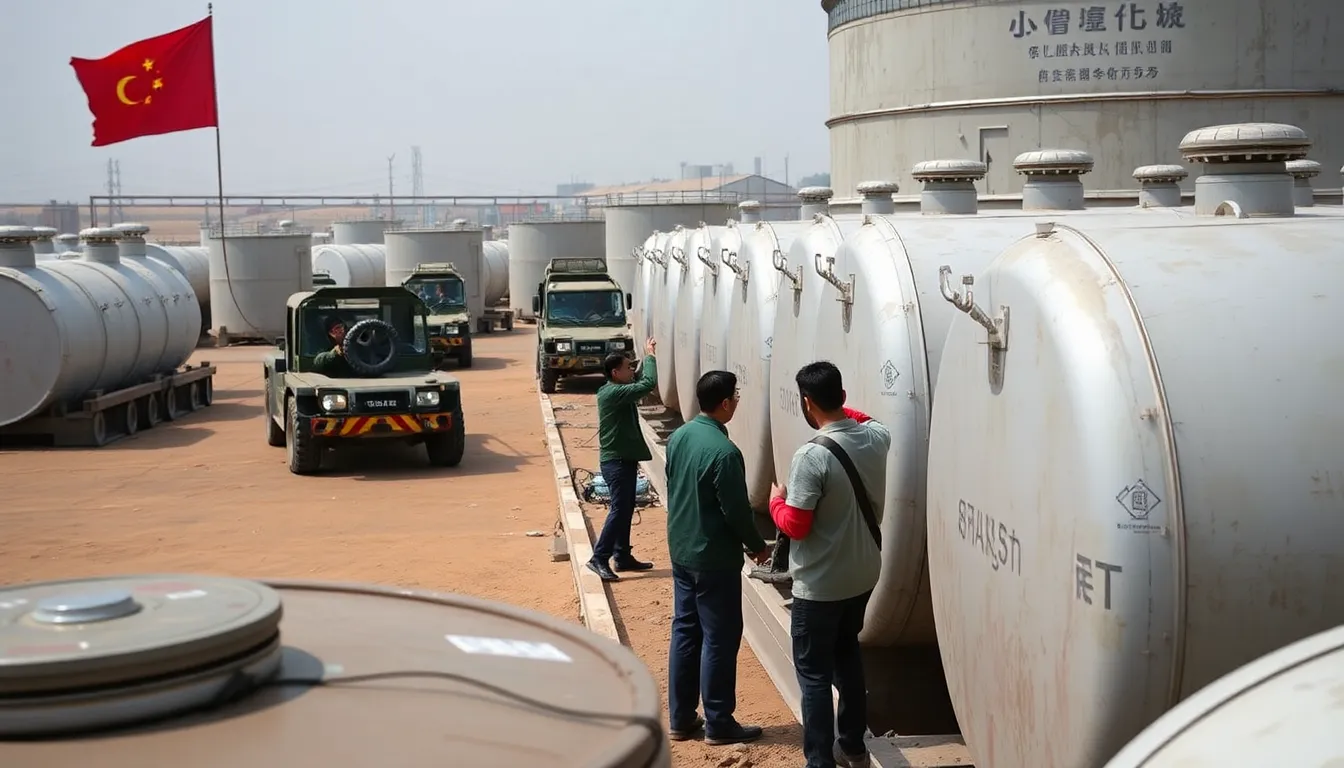
Frequently asked questions about China’s oil strategy
Key takeaways and future outlook on oil supply
The recent escalation in Iran has prompted significant shifts in global oil dynamics, particularly with China’s strategic stockpiling of oil. This proactive measure reflects not only China’s anticipation of potential supply disruptions but also its broader strategy to secure energy resources amid geopolitical tensions. As the situation evolves, the implications for oil supply chains and pricing are becoming increasingly complex.
Investors and policymakers should closely monitor how these developments may influence global oil markets, trade relationships, and energy security strategies. The interplay between geopolitical events and economic policies will be crucial in determining future oil supply stability.
- Monitor China’s inventory levels: Changes in China’s oil stockpiles may signal shifts in demand and supply dynamics.
- Watch for price volatility: Geopolitical tensions in the Middle East could lead to fluctuations in global oil prices, impacting economies worldwide.
- Assess energy diversification strategies: Countries may seek to diversify their energy sources to mitigate risks associated with supply disruptions.
- Consider the impact on global trade: Disruptions in oil supply may affect shipping routes and international trade agreements.
- Stay informed on diplomatic developments: Ongoing negotiations and diplomatic efforts in the region will play a critical role in shaping the future oil landscape.