


Key political players include the ruling coalition led by the Nepali Congress, which has been in power since the last election, and the main opposition party, the Communist Party of Nepal (Unified Marxist-Leninist). Additionally, emerging parties and independent candidates are gaining traction, reflecting a diverse political landscape.
The recent political developments, including debates over electoral reforms and party alliances, have intensified discussions among voters about governance and accountability. The outcome of these elections is crucial, as it will influence not only domestic policies but also Nepal’s international relations, particularly with neighboring countries.
With voter sentiment shifting and various parties positioning themselves for the upcoming vote, the stakes are high. The elections will not only test the current government’s popularity but also the resilience of Nepal’s democratic processes in a rapidly changing political environment.
Historical context of elections in Nepal
Nepal has a rich and tumultuous political history, marked by a series of political transformations that have shaped its current electoral landscape. The country transitioned from a monarchy to a federal democratic republic in 2008, following a decade-long civil war that ended in 2006. This conflict was primarily fueled by deep-seated grievances over inequality, governance, and social justice, leading to the rise of Maoist insurgents who sought to overthrow the monarchy.
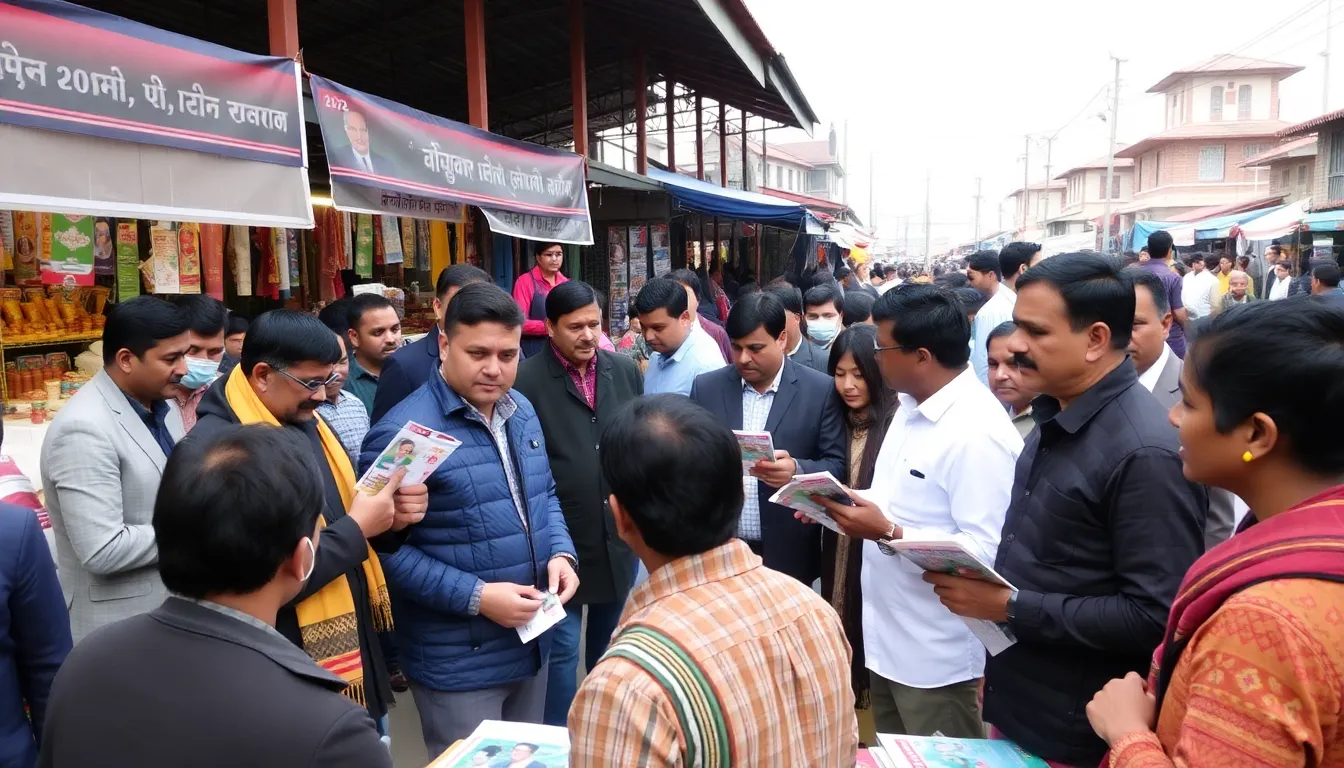
The first post-monarchy elections were held in 2008, leading to the establishment of the Constituent Assembly tasked with drafting a new constitution. However, political instability has been a recurring theme in Nepalese politics, with frequent changes in government and a lack of consensus among major political parties. The promulgation of the new constitution in 2015 was a significant milestone, but it also sparked protests from various ethnic and indigenous groups who felt marginalized by the political process.
Key milestones in Nepalese electoral history
Since the establishment of the federal democratic republic, Nepal has witnessed several significant elections, including the local elections in 2017, which were the first in two decades. These elections marked a crucial step in the implementation of the federal system outlined in the 2015 constitution. The 2017 parliamentary elections further solidified the political landscape, resulting in the formation of a government led by the Nepal Communist Party.
The political environment in Nepal remains complex, with major parties often forming coalitions to secure a parliamentary majority. The upcoming elections in 2026 will be critical, as they will not only determine the future leadership of the country but also test the resilience of Nepal’s democratic institutions amidst ongoing challenges such as economic development, social inequality, and political fragmentation.
As the nation gears up for the 2026 elections, the historical context of its political evolution will play a pivotal role in shaping the electoral dynamics and the strategies of the main candidates vying for power.
Key candidates and their political platforms
The 2026 Nepal election is shaping up to be a pivotal moment for the country’s political landscape. Several key candidates are vying for leadership, each representing different political ideologies and interests. The main contenders include leaders from established parties as well as emerging political figures, each with their vision for Nepal’s future.
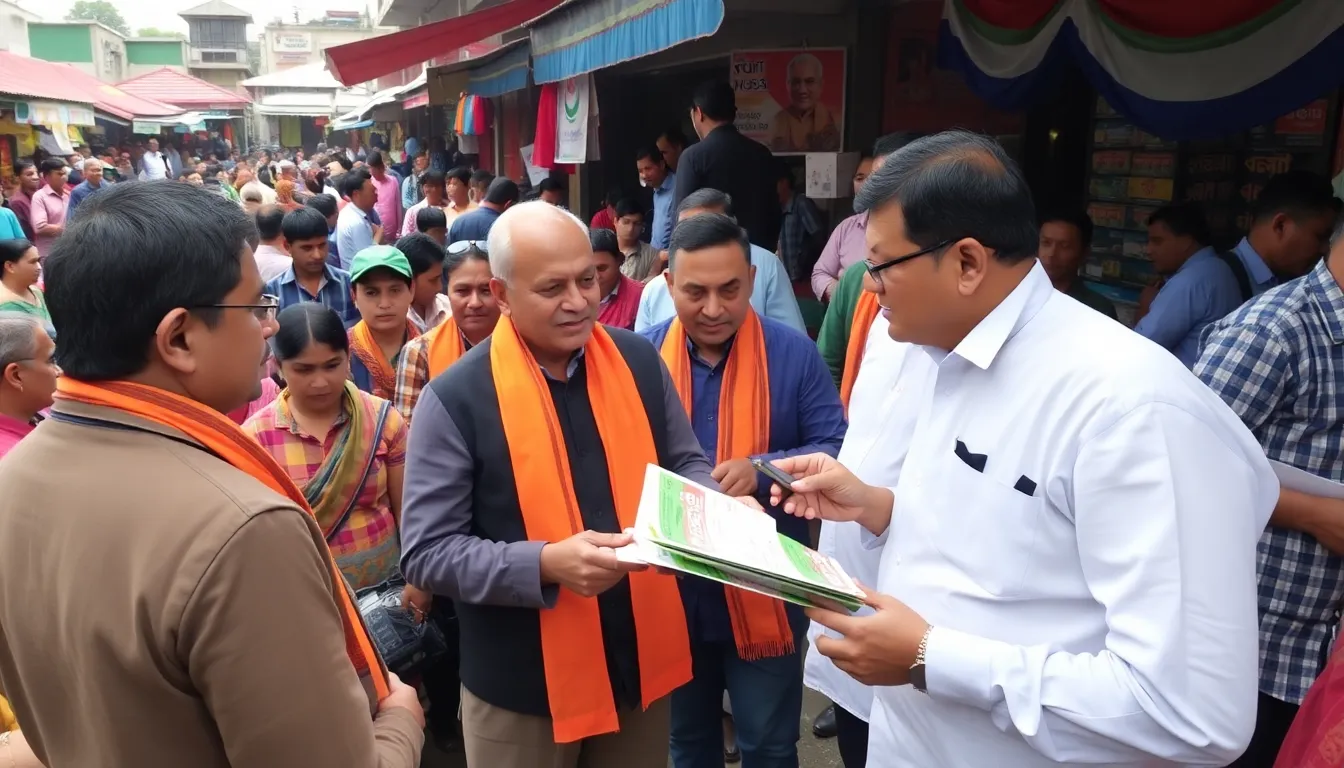
Among the prominent candidates is Pushpa Kamal Dahal, the leader of the Communist Party of Nepal (Maoist Centre). Dahal advocates for a socialist agenda aimed at addressing economic inequality and promoting social justice. His platform emphasizes the need for land reforms and increased investment in public services.
On the other side, KP Sharma Oli, former Prime Minister and leader of the Communist Party of Nepal (Unified Marxist-Leninist), is campaigning on a platform focused on national sovereignty and economic development through infrastructure projects. Oli’s supporters argue that his experience in governance will be crucial for stability and growth.
Additionally, the Nepali Congress party, led by Sher Bahadur Deuba, aims to unify the nation under a democratic framework. Deuba’s agenda includes enhancing civil liberties, promoting tourism, and fostering international relations, particularly with neighboring countries, similar to the discussions mentioned in our article on Nepal election 2026 overview and key candidates.
- Political Stability: The election’s outcome could significantly affect the stability of Nepal’s coalition government.
- Economic Policies: Candidates’ differing approaches to economic development may lead to trade-offs between immediate growth and long-term sustainability.
- Social Issues: Key issues such as caste discrimination and gender equality are central to the platforms of several candidates, potentially influencing voter turnout.
- Foreign Relations: The candidates’ stances on relations with India and China will be critical in shaping Nepal’s geopolitical strategy.
- Environmental Concerns: Policies related to climate change and environmental preservation are becoming increasingly important in candidate platforms.
Potential impacts of the election on Nepalese society
The upcoming 2026 elections in Nepal are set to influence various groups and industries across the nation. Political stability, economic growth, and social welfare are all at stake, impacting citizens from urban centers to rural communities. Key demographics including youth, women, and marginalized groups may experience significant changes in their political representation and opportunities for engagement.
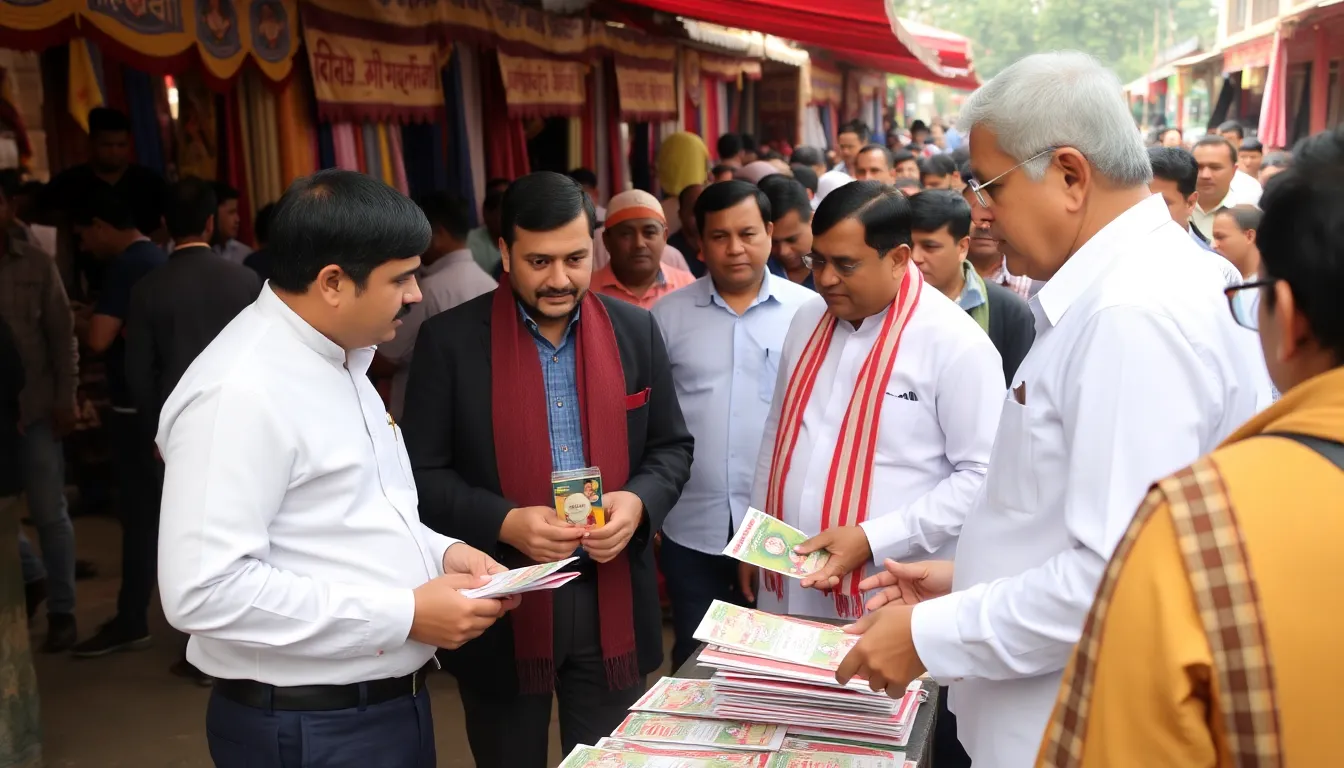
In the short term, daily life could be affected by heightened political activity, including rallies and campaign events. This may disrupt transportation and business operations, particularly in urban areas where crowds are expected. Additionally, businesses may face uncertainty regarding regulations and policies, which can lead to a cautious approach in investment and hiring.
In the mid-term, the election results will shape policies that impact various sectors such as agriculture, tourism, and technology. For instance, a government focused on sustainable development may prioritize eco-friendly initiatives, benefiting industries like tourism and renewable energy. Conversely, a government that favors rapid industrialization may pose risks to environmental sustainability.
- Potential Risks: Political instability could deter foreign investment.
- Potential Opportunities: New policies may open doors for startups and innovation.
- Social Change: Increased representation for marginalized groups could lead to more inclusive policies.
Regions that have historically faced neglect may see renewed attention and investment, particularly if candidates focus on equitable development. The outcome of the election will not only determine leadership but also set the tone for national priorities that affect the livelihoods of millions of Nepalese citizens.
A: The Nepal election is scheduled for November 2026, although the exact date may vary as the election approaches. A: The main candidates include leaders from major political parties such as the Nepali Congress, CPN-UML, and others, each presenting their vision for Nepal’s future. A: Nepal’s election process involves a multi-stage voting system where citizens elect representatives for various levels of government, including the federal and provincial assemblies. A: Key issues include economic development, governance, corruption, and social justice, which are critical to the electorate. A: Citizens can participate by registering to vote, attending candidate rallies, and engaging in discussions about the election.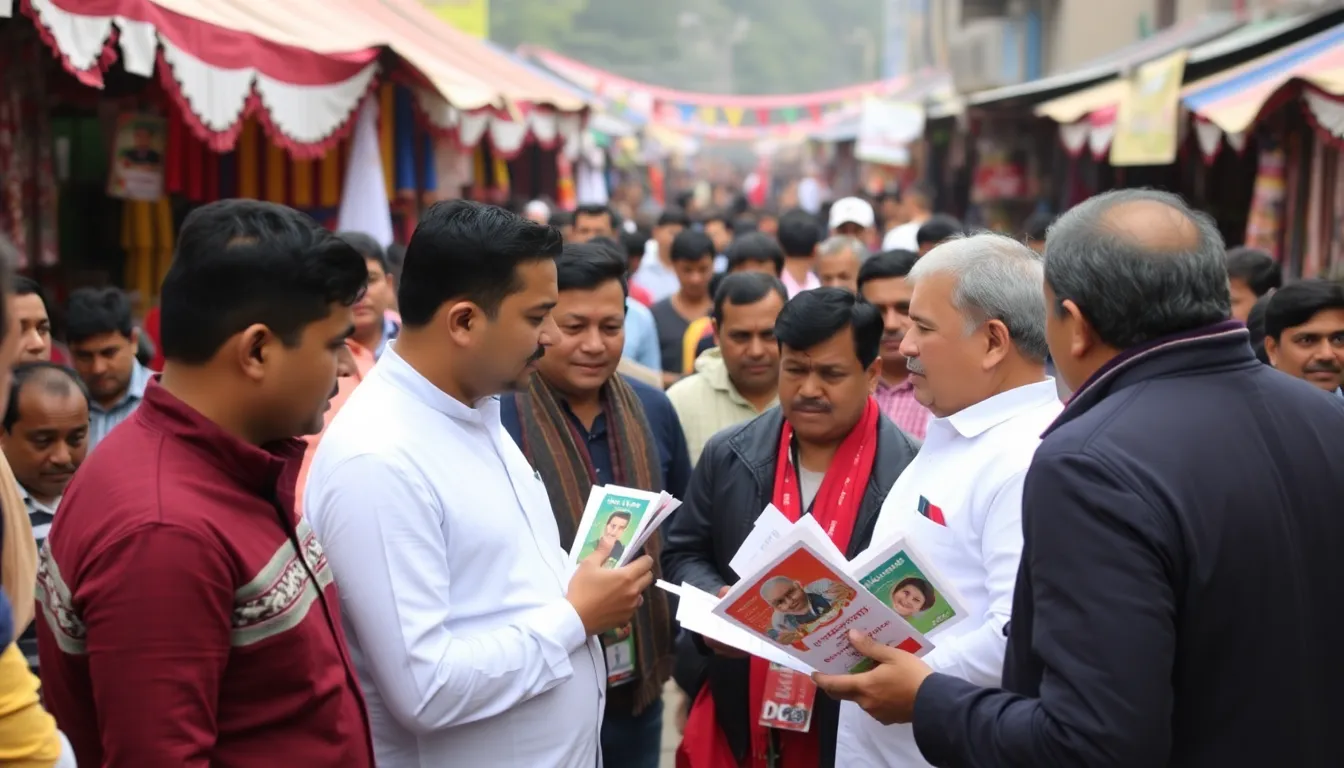
Frequently asked questions about the Nepal election
Key takeaways and future outlook for Nepal’s political scene
The upcoming 2026 elections in Nepal are poised to be a pivotal moment for the country’s democratic trajectory. With a diverse array of candidates and parties vying for power, the political landscape will likely shift significantly, reflecting the aspirations and concerns of the electorate. As the nation navigates its complex socio-political environment, the implications of these elections will extend beyond immediate governance, influencing Nepal’s international relations and economic prospects.
<pVigilance will be essential as the election date approaches, particularly regarding the evolving alliances among political factions and the public's response to key issues such as economic stability, governance, and social equity. Observers should pay close attention to the candidates' platforms and their ability to resonate with a population eager for change.
- Candidate Dynamics: Watch for shifts in alliances and the emergence of new political figures who may disrupt traditional power structures.
- Voter Engagement: Increased participation from younger voters could reshape electoral outcomes, emphasizing the need for candidates to address youth-centric issues.
- Policy Focus: Key issues such as economic recovery, corruption, and infrastructure development will dominate campaign discussions and influence voter sentiment.
- International Relations: The election results may impact Nepal’s foreign policy, particularly its relations with neighboring countries and global powers.
- Post-Election Stability: The potential for coalition governments could lead to both opportunities for collaboration and challenges in governance, necessitating careful monitoring of political developments.