


Several factors contribute to the difficulties councils are encountering. Limited resources, logistical issues, and a lack of public awareness are among the primary hurdles. Councils have reported that securing the necessary funding and infrastructure for effective waste collection systems has proven to be a significant barrier, as outlined in the related article.
In addition, some local authorities are grappling with staffing shortages and procurement delays, which further complicate their ability to meet the deadline. The situation is particularly concerning for smaller councils, which may lack the capacity to implement the required changes swiftly. Without timely action, these councils risk falling behind in their environmental commitments, similar to the challenges faced in other sectors.
The implications of missing the food waste collection deadline extend beyond local governance. It could hinder national efforts to achieve waste reduction targets, ultimately impacting the UK’s overall sustainability goals. As the deadline looms, stakeholders are urging councils to prioritize food waste initiatives and seek collaborative solutions to meet the impending requirements.
Understanding the background of food waste management policies
Food waste has emerged as a critical environmental issue over the past few decades, prompting governments worldwide to implement policies aimed at reducing waste and promoting sustainability. The rise in awareness about the environmental impact of food waste, including greenhouse gas emissions and resource depletion, has led to increased pressure on local councils to establish effective waste management systems. However, many councils are struggling to meet the deadlines set by national initiatives, resulting in significant discrepancies in food waste collection across regions.
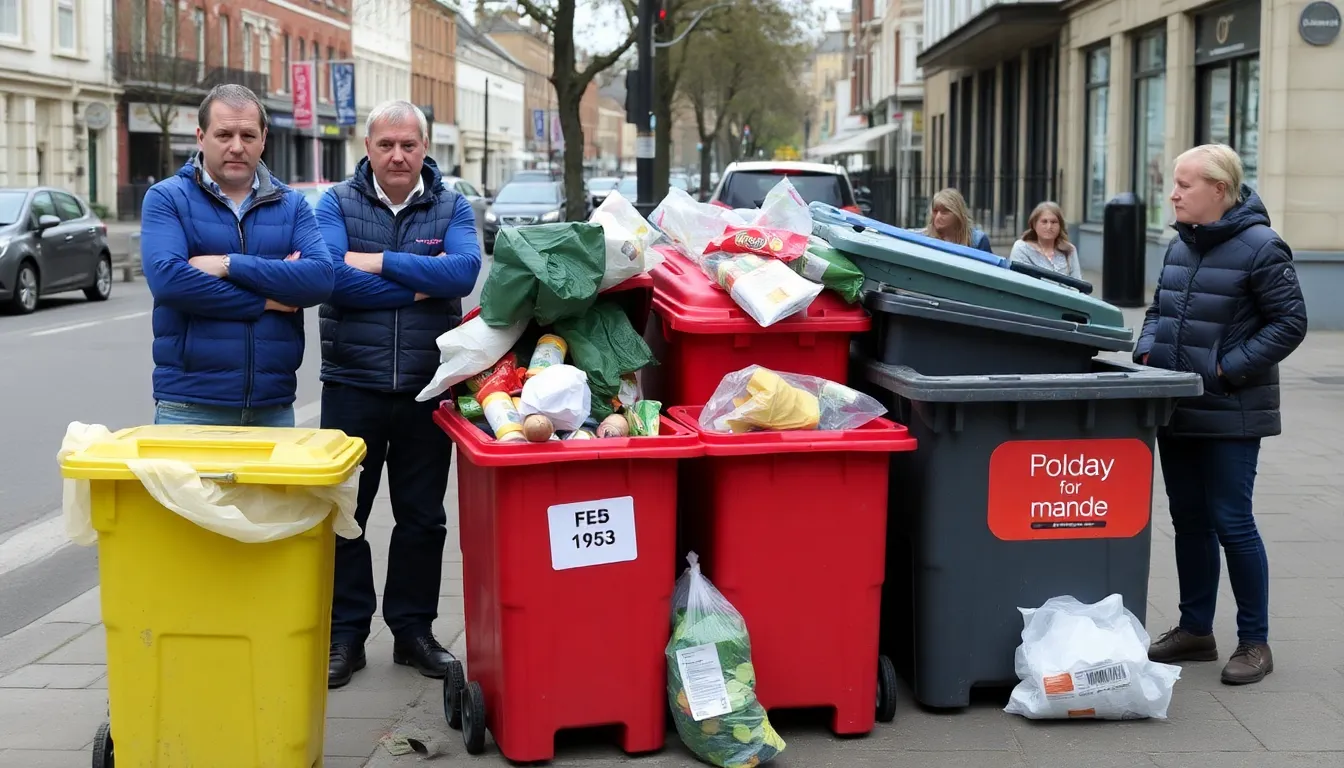
The introduction of the Food Waste Reduction Act in the early 2000s marked a pivotal moment in food waste management policy in many countries. This legislation aimed to set ambitious targets for food waste reduction and mandated local governments to develop comprehensive waste management strategies. Over the years, various councils have made strides in implementing these strategies, but the lack of funding and resources has hindered progress, leaving many councils unable to meet the required deadlines for food waste collection, as seen in ongoing discussions about national policies.
Political and Economic Challenges
The political landscape surrounding waste management has also played a crucial role in shaping food waste policies. With budget constraints and competing political priorities, many councils have found it difficult to allocate sufficient resources toward food waste initiatives. Economic factors, such as rising operational costs and the need for investment in infrastructure, have further complicated the implementation of these policies. As a result, one in four councils are now expected to miss the upcoming food waste collection deadline, raising concerns about the effectiveness of national policies and the commitment of local authorities to address this pressing issue.
Moreover, public awareness and participation in food waste reduction efforts have been inconsistent. While some communities have embraced composting and recycling initiatives, others remain unaware of the importance of proper food waste management. This disparity in public engagement highlights the need for targeted educational campaigns and community involvement to foster a culture of sustainability. Without a collective effort from both councils and residents, achieving the goals set forth by food waste management policies will remain a significant challenge.
Key stakeholders and issues surrounding food waste collection
The issue of food waste collection involves a diverse group of stakeholders, each with their own interests and concerns. Local councils are at the forefront, responsible for implementing waste management policies and ensuring compliance with government regulations. Their primary interest lies in meeting deadlines set by national frameworks while managing budget constraints and public expectations.
Another key actor is the government, particularly environmental agencies that set the standards for waste management and sustainability. These agencies aim to reduce food waste at a national level, aligning with broader environmental goals. Their interests include promoting recycling, reducing landfill use, and encouraging sustainable practices among local authorities and residents.
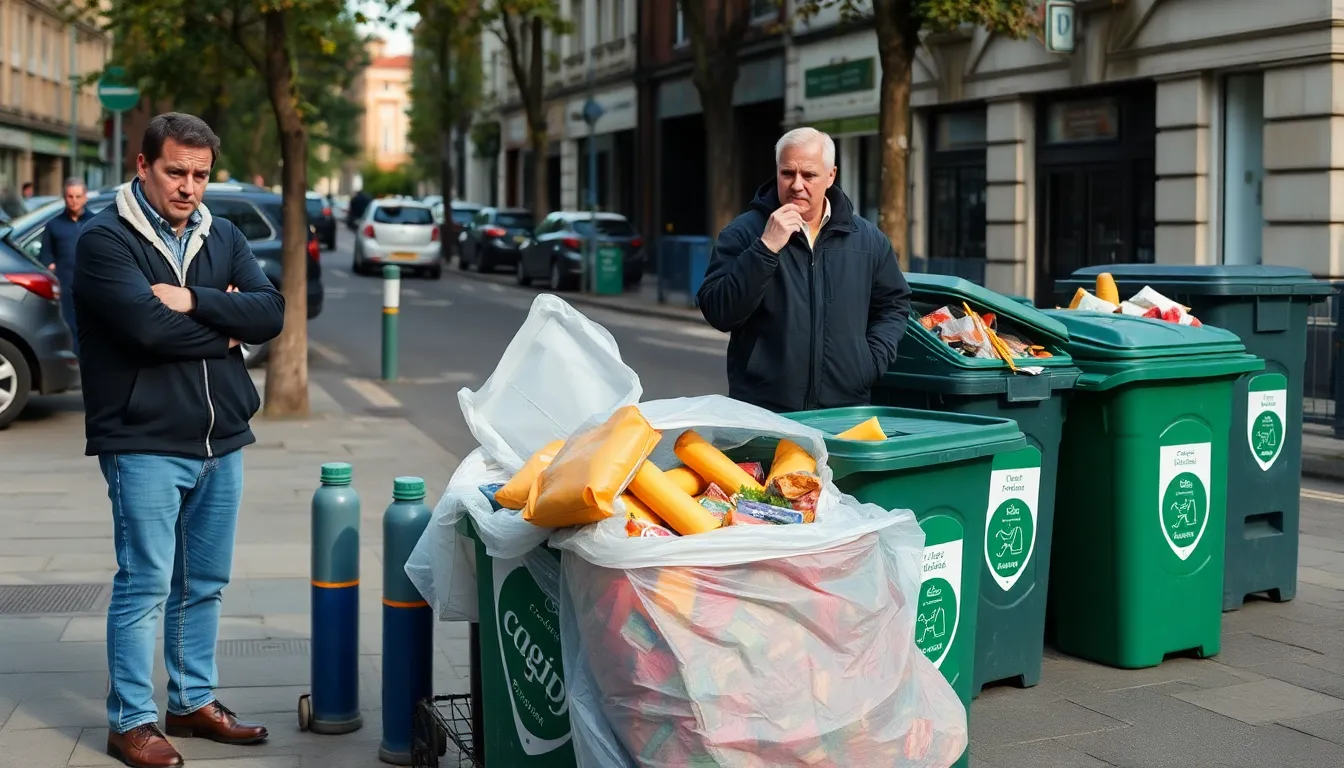
Residents and community organizations also play a critical role in this landscape. Their interests revolve around convenience, accessibility, and the environmental impact of waste management practices. Many community groups advocate for better services and education on food waste reduction, emphasizing the need for active participation in recycling initiatives.
- Conflicts of interest: Local councils may struggle with budget limitations while trying to meet government mandates.
- Trade-offs: Balancing effective waste collection with public satisfaction can lead to compromises in service quality.
- Legal issues: Councils that fail to meet waste collection deadlines may face penalties or legal challenges from regulatory bodies.
- Economic factors: The financial burden of implementing new waste collection systems can strain local budgets, impacting other essential services.
In summary, the interplay between these stakeholders reveals a complex web of interests and challenges. Understanding these dynamics is crucial for addressing the impending deadlines and ensuring effective food waste management across councils.
The impact on communities and the environment
The recent announcement that one in four councils will miss the food waste collection deadline has significant repercussions for various stakeholders. Primarily, affected groups include local residents, waste management companies, and environmental advocacy organizations. Households that rely on these services may face increased waste and potential fines for improper disposal, while waste management firms could experience disruptions in their operations and revenue streams.
In the short term, communities may see a rise in food waste in landfills, exacerbating environmental concerns such as greenhouse gas emissions and pollution. This situation could lead to increased public frustration and a decline in community morale as residents grapple with the inconvenience of managing their organic waste without proper collection services.
Mid-term impacts could extend to policy changes, as councils may face pressure to reassess their waste management strategies. This could result in a shift towards more sustainable practices or the adoption of new technologies. However, it may also lead to budget reallocations that could affect other essential services.
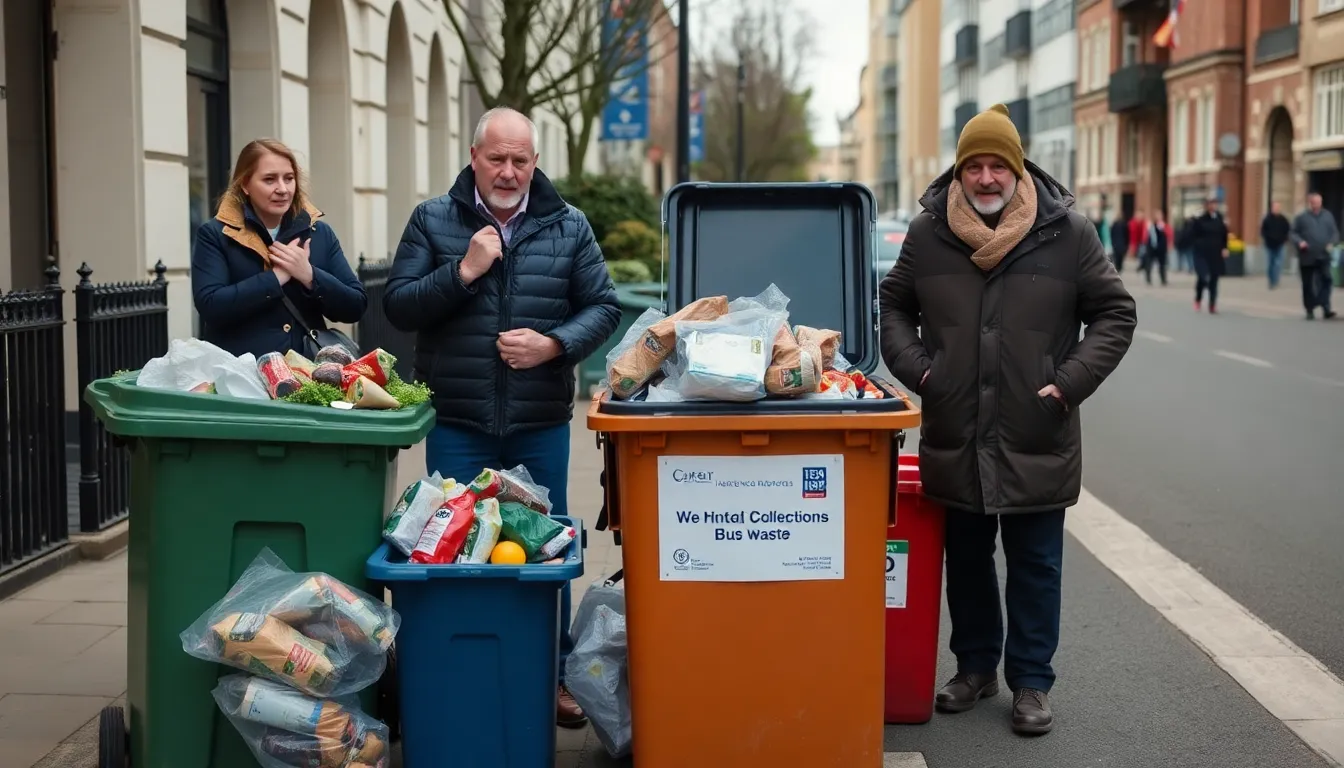
- Increased landfill waste: More organic material will end up in landfills, affecting local ecosystems.
- Public health risks: Improper disposal could lead to pest issues and health hazards in communities.
- Economic challenges: Waste management companies may face operational disruptions, affecting their workforce and finances.
- Policy shifts: Potential reforms in waste management policies could emerge as councils respond to public outcry.
Despite the risks, there are opportunities for innovation within the waste management sector. Companies may explore new technologies for composting and recycling, creating a market for sustainable solutions. Additionally, community initiatives could arise, encouraging residents to engage in composting at home, fostering a culture of sustainability.
A: Councils are facing budget constraints, staffing shortages, and logistical challenges that hinder their ability to implement food waste collection effectively. A: Missing the deadline can lead to increased landfill waste, higher greenhouse gas emissions, and potential fines for non-compliance with regulations. A: Councils can enhance their efforts by investing in better infrastructure, increasing public awareness campaigns, and collaborating with local organizations. A: Yes, several councils have successfully implemented food waste collection programs that have significantly reduced landfill waste and improved recycling rates. A: Residents can participate by properly sorting their waste, using designated bins, and educating themselves and others about the importance of food waste reduction.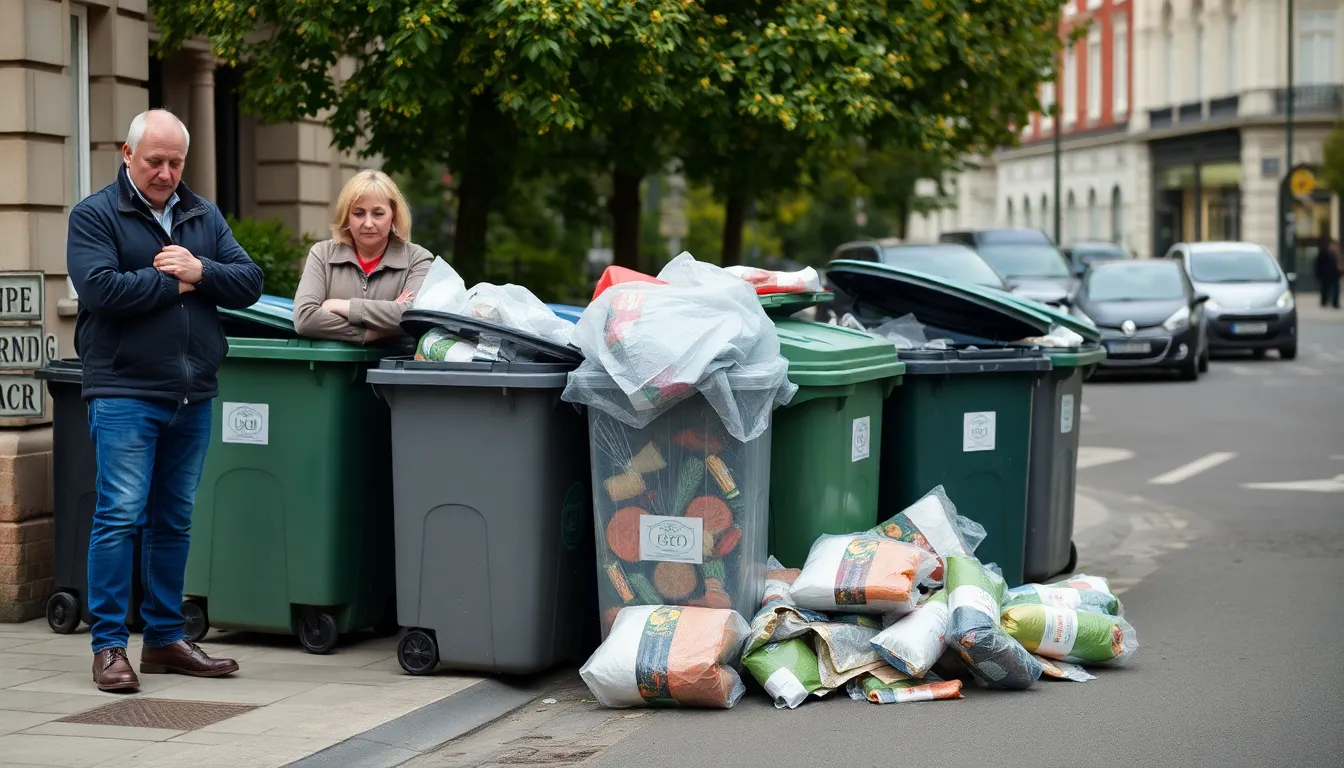
Frequently asked questions about food waste collection
Looking ahead at food waste collection efforts and challenges
The impending deadline for food waste collection has revealed significant challenges facing local councils, with one in four expected to fall short. This situation highlights the need for enhanced planning and resource allocation to meet environmental goals. As councils grapple with logistical issues and funding constraints, the implications for waste management strategies and community engagement become increasingly critical.
Moving forward, it will be essential for councils to explore innovative solutions and foster collaboration with local stakeholders. This not only includes improving collection infrastructure but also raising public awareness about the importance of food waste reduction and recycling. The path ahead will require adaptability and commitment to ensure that food waste initiatives are both effective and sustainable.
- Resource Allocation: Councils must prioritize funding and resources for food waste initiatives to meet upcoming deadlines.
- Public Engagement: Increasing community awareness and participation in food waste programs will be crucial for success.
- Collaboration: Partnerships with local businesses and organizations can enhance the effectiveness of food waste management efforts.
- Monitoring Progress: Establishing metrics to track the success of food waste collection will help councils adjust strategies as needed.
- Innovation: Exploring new technologies and methods for waste collection can improve efficiency and compliance.