


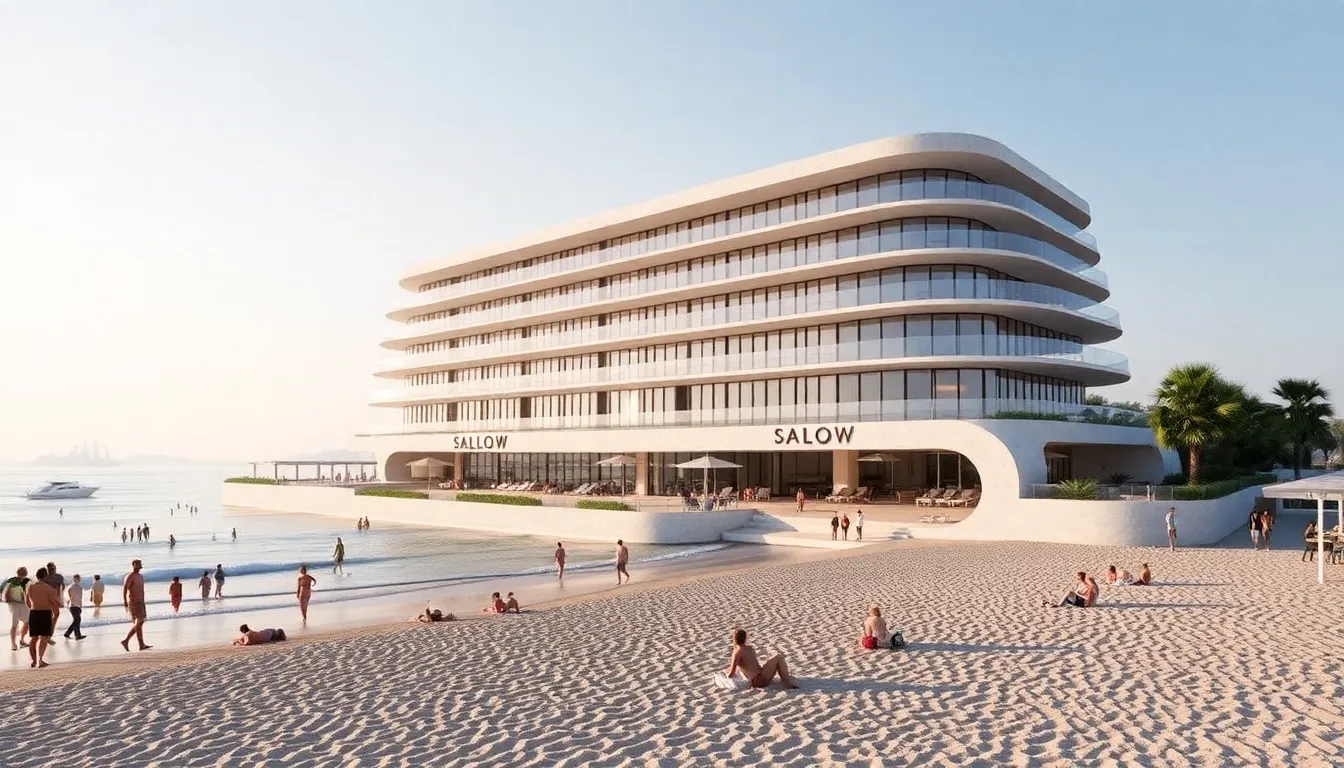
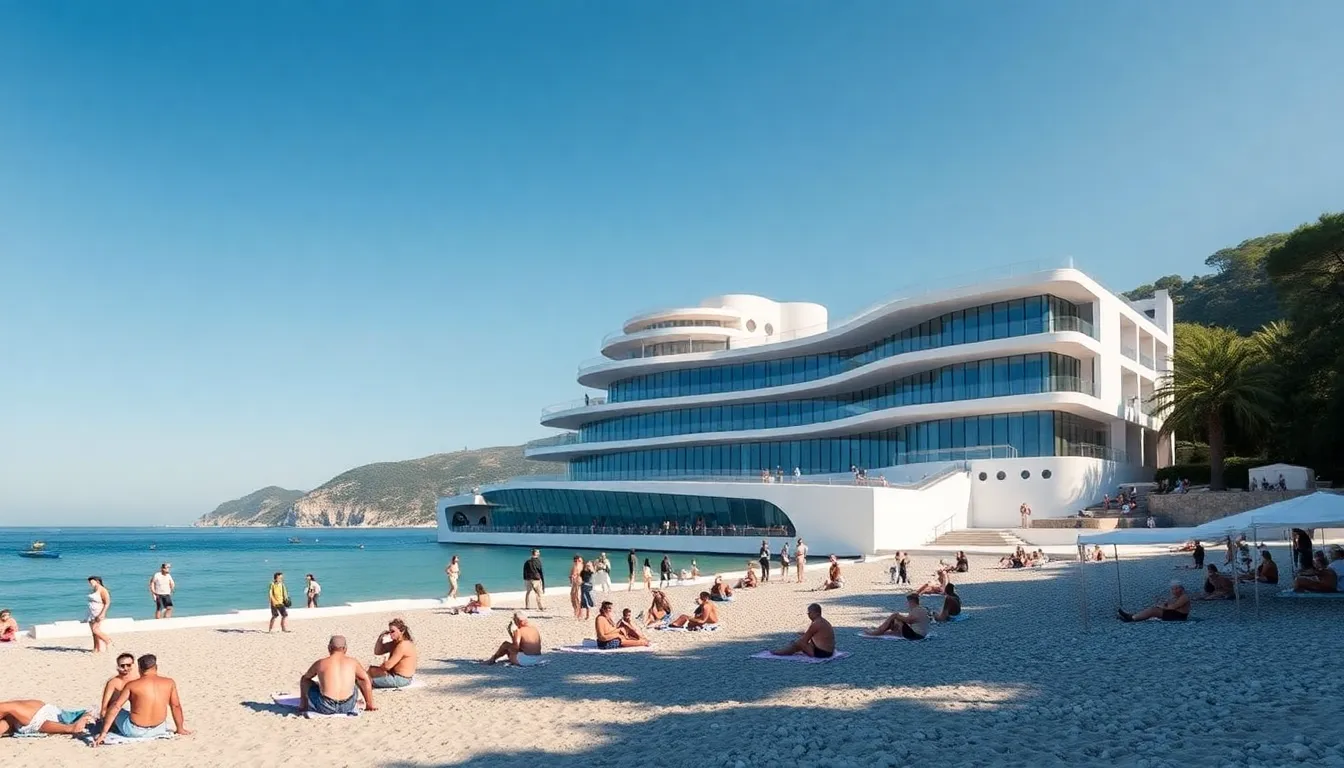
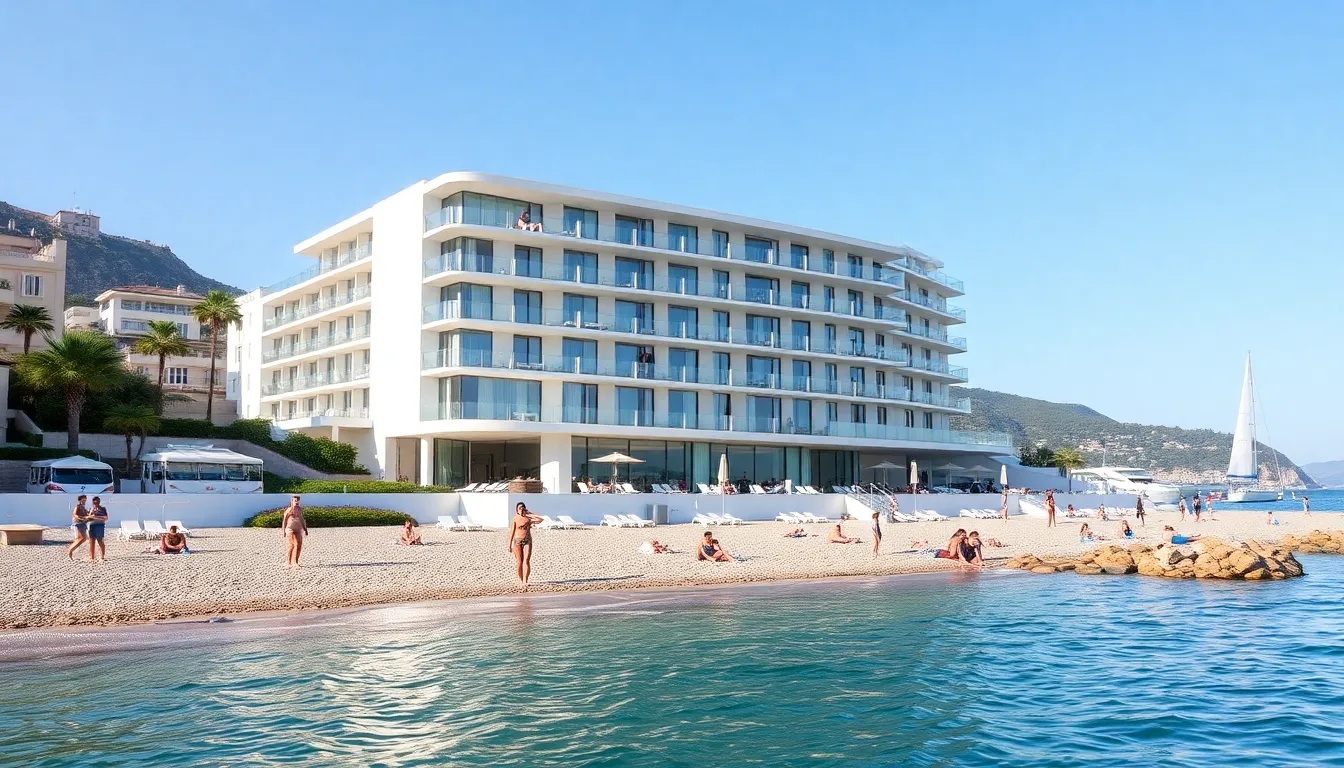
In the French Riviera, a renowned destination for celebrities and jet-setters, a new hotel is scheduled to open in June 2024. This property promises to blend modern design with the region’s rich history, offering stunning views of the Mediterranean and exclusive services tailored to guests’ needs. The opening is anticipated to bolster the local economy and enhance the area’s appeal to international tourists, making it a perfect spot for those looking to explore luxury travel options in France.
Meanwhile, in Kyoto, a city famous for its traditional temples and gardens, a luxury hotel is set to debut in early 2025. This hotel will feature a design that harmonizes with its surroundings, showcasing local craftsmanship and materials. With an increasing number of travelers seeking immersive cultural experiences, this hotel aims to provide guests with a deeper connection to the city’s heritage.
These developments reflect a broader trend in the luxury hotel market, where brands are increasingly focused on sustainability and personalized guest experiences. As travelers become more discerning, hotels are adapting their offerings to meet the evolving expectations of their clientele. The emergence of these new properties highlights the ongoing transformation within the industry and the growing importance of unique, high-quality accommodations.
The rise of luxury travel and its impact on the hospitality industry
In recent years, the luxury travel sector has experienced a remarkable transformation, driven by a combination of economic growth, evolving consumer preferences, and increased accessibility to remote destinations. As the global economy has rebounded post-pandemic, affluent travelers are seeking unique and personalized experiences that go beyond traditional luxury offerings. This shift has prompted hospitality brands to innovate and expand their portfolios, leading to the emergence of new luxury hotels in some of the world’s most desirable locations.
The concept of luxury travel has evolved significantly over the decades. Historically, luxury was synonymous with opulence and exclusivity, often reserved for the elite. However, modern luxury travelers prioritize authenticity, sustainability, and immersive experiences. This change has been influenced by social media, where travelers share their unique journeys, inspiring others to seek out bespoke accommodations that reflect local culture and heritage. As a result, hotels are increasingly designed to offer a sense of place, blending seamlessly with their surroundings.
Key milestones in luxury hotel development
The luxury hotel industry has seen several pivotal moments that have shaped its current landscape. The 1980s marked the rise of boutique hotels, which offered personalized service and distinctive design, challenging the dominance of large hotel chains. This movement laid the groundwork for the luxury travel boom of the 2000s, as travelers began to seek out unique, high-end accommodations that provided more than just a place to stay, including those found in iconic destinations worldwide.
In recent years, the focus on sustainability has also become a key driver in luxury hotel development. Many new hotels are designed with eco-friendly practices in mind, appealing to a growing demographic of environmentally conscious travelers. This trend reflects a broader societal shift towards sustainability, as consumers increasingly demand that brands align with their values. The combination of these factors has led to a flourishing market for luxury hotels, particularly in iconic destinations like the French Riviera and Kyoto, Japan.
As the hospitality industry continues to adapt to these changing dynamics, the introduction of new luxury hotels represents not only an opportunity for growth but also a reflection of the evolving desires of modern travelers. The emergence of these establishments in sought-after locations signals a promising future for luxury travel, as hotels strive to meet the demands of a discerning clientele eager for both comfort and authenticity.
Key players in the luxury hotel market and their strategies
The luxury hotel market is characterized by a diverse array of stakeholders, including hotel chains, local governments, investors, and consumers. Each of these players has distinct interests that influence the development and operation of high-end accommodations. For instance, hotel chains like Four Seasons and Ritz-Carlton aim to expand their global footprint while maintaining brand exclusivity and premium service quality.
Local governments often play a crucial role in the luxury hotel sector by providing regulatory frameworks and incentives for development. Their interests typically revolve around boosting tourism, creating jobs, and enhancing local economies. However, there can be conflicts between government objectives and community concerns, such as the preservation of cultural heritage and environmental sustainability.
Investors are another key group, motivated by potential returns on investment in luxury properties. They are often drawn to emerging markets, such as Japan, where the demand for luxury accommodations is growing. However, economic issues, such as fluctuating currency values and changing consumer preferences, can pose risks to profitability.
- Competition among hotel brands: As luxury hotels vie for market share, they must differentiate themselves through unique offerings and exceptional service.
- Regulatory challenges: Compliance with local laws and regulations can impact development timelines and costs.
- Environmental considerations: Sustainability practices are increasingly important to consumers, pushing hotels to adopt greener initiatives.
- Cultural sensitivity: Hotels must navigate local customs and traditions to ensure respectful integration into the community.
- Economic fluctuations: Global economic conditions can affect travel patterns and luxury spending, influencing hotel occupancy rates.
In summary, the interplay among these stakeholders creates a complex landscape for luxury hotels, where strategic decisions must balance profit motives with community and environmental considerations. Understanding these dynamics is essential for stakeholders looking to navigate the evolving luxury market effectively.
How these hotels are reshaping local tourism and economies
The introduction of five new luxury hotels across diverse locations such as the French Riviera and Kyoto, Japan, is set to significantly impact various groups, industries, and regions. Local economies, tourism sectors, and hospitality industries are likely to experience both immediate and long-term changes as these establishments open their doors.
In the short term, local businesses, including restaurants, shops, and transportation services, may see a surge in demand as affluent travelers flock to these new destinations. This influx can lead to increased revenue for small businesses, creating a ripple effect throughout the community. However, it may also strain local resources and infrastructure, particularly in areas that are not equipped to handle a sudden rise in tourist numbers.
Mid-term impacts may include shifts in local employment dynamics, as these luxury hotels will require a skilled workforce. This could lead to job creation in hospitality and service sectors, offering opportunities for local residents. However, there is a risk that the demand for high-skilled labor may outpace the local workforce’s capabilities, necessitating training programs or even attracting talent from other regions.
- Opportunities: Increased tourism revenue and job creation.
- Risks: Strain on local infrastructure and potential displacement of local businesses.
- Policy Implications: Local governments may need to adapt regulations to manage tourism growth sustainably.
Furthermore, these hotels can elevate the global profile of their respective regions, potentially attracting further investment and development. As luxury travel trends evolve, regions that successfully integrate these developments into their tourism strategies may thrive, while others may struggle to keep up with changing market demands.
A: These hotels offer unique architectural designs, personalized services, and exclusive amenities such as private pools and gourmet dining experiences. A: New luxury hotels create jobs, boost tourism, and stimulate local businesses, significantly impacting the economic landscape of their locations. A: Many new luxury hotels are incorporating sustainable practices, such as energy-efficient technologies and locally sourced materials, to minimize their environmental footprint. A: The featured hotels are located in the French Riviera, Kyoto, Japan, and other exclusive locations known for their beauty and cultural significance. A: Reservations can typically be made directly through the hotel’s website or through luxury travel agencies that specialize in high-end accommodations.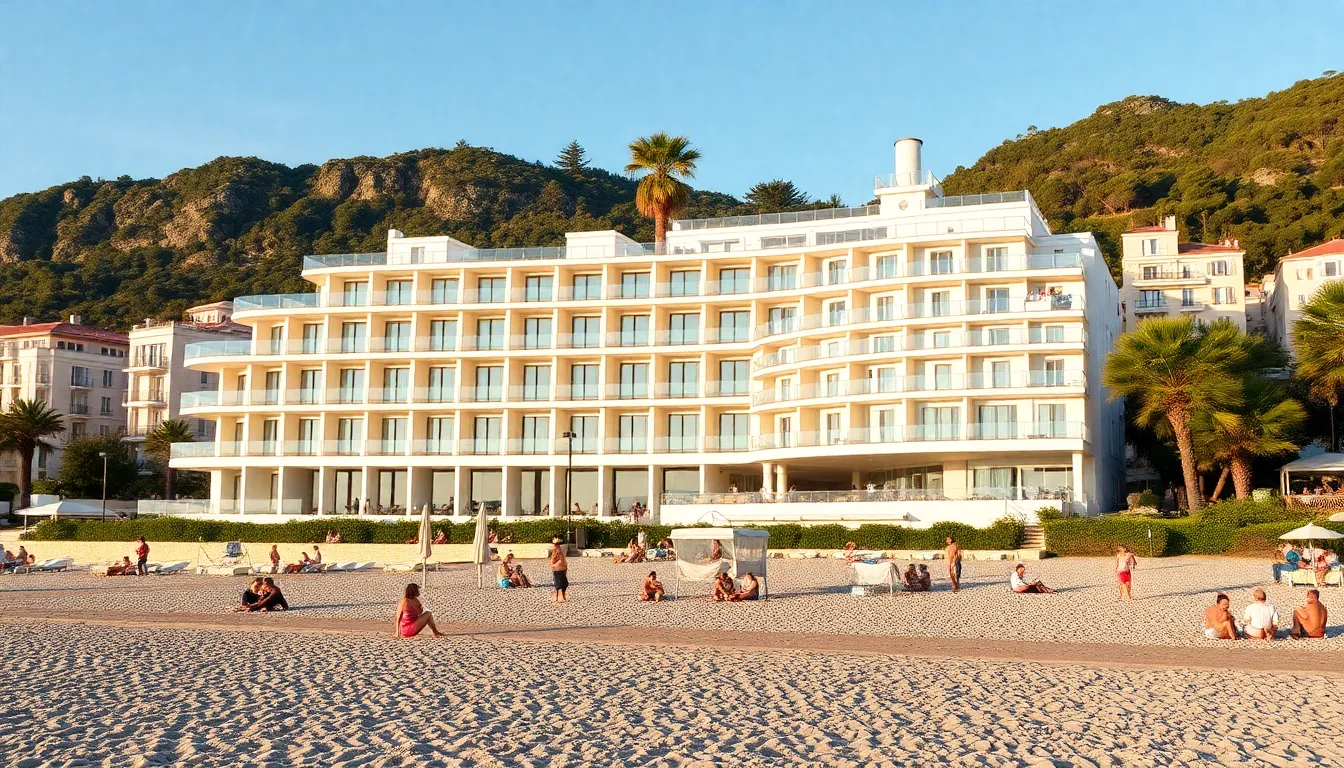
Frequently Asked Questions about New Luxury Hotels
The future of luxury hospitality and emerging trends
The recent openings of luxury hotels from the French Riviera to Kyoto highlight a significant shift in the hospitality industry, where bespoke experiences and cultural immersion are becoming paramount. As travelers increasingly seek personalized services and unique environments, these new establishments are setting a precedent for what luxury means in a global context. The integration of local culture and sustainability into their offerings not only enhances guest experiences but also aligns with the growing consumer demand for responsible travel.
As we look ahead, the implications of these trends suggest that luxury hotels will need to continually adapt to meet the evolving expectations of their clientele. This may involve leveraging technology to enhance service, focusing on wellness and sustainability, and curating experiences that resonate on a personal level with guests.
- Personalization will be key: Hotels that prioritize tailored experiences will likely see greater guest satisfaction and loyalty.
- Sustainability initiatives: Eco-friendly practices are becoming non-negotiable, influencing both guest choices and hotel operations.
- Cultural connections: Properties that offer authentic local experiences will stand out in a crowded market.
- Technology integration: The use of advanced technology for seamless service will enhance guest convenience and engagement.
- Wellness focus: An emphasis on health and wellness amenities will attract a growing demographic of health-conscious travelers.