


In 2023, a total of 1,500 giant tortoise hatchlings were released into their native habitat, marking a pivotal moment in conservation efforts. This project is part of a broader strategy to revive the tortoise population, which had been decimated due to human activity and introduced species that disrupted their natural environment. For more on conservation initiatives, see this article.
The reintroduction not only symbolizes a successful conservation effort but also highlights the importance of protecting endemic species. The giant tortoise is a keystone species in the Galápagos ecosystem, playing a crucial role in shaping the environment and supporting other wildlife.
This project reflects a growing commitment to conservation in the Galápagos, a UNESCO World Heritage site, and aims to engage local communities in protecting their unique natural heritage. As the tortoises adapt to their new surroundings, researchers will monitor their progress to ensure the sustainability of the population and the health of the ecosystem.
Understanding the historical absence of giant tortoises in the Galápagos
The Galápagos Islands, renowned for their unique biodiversity, were once home to a thriving population of giant tortoises. However, by the late 19th century, these magnificent creatures faced near extinction due to human activities. The introduction of invasive species, hunting for food, and habitat destruction significantly diminished their numbers, leading to their absence from several islands for nearly two centuries.
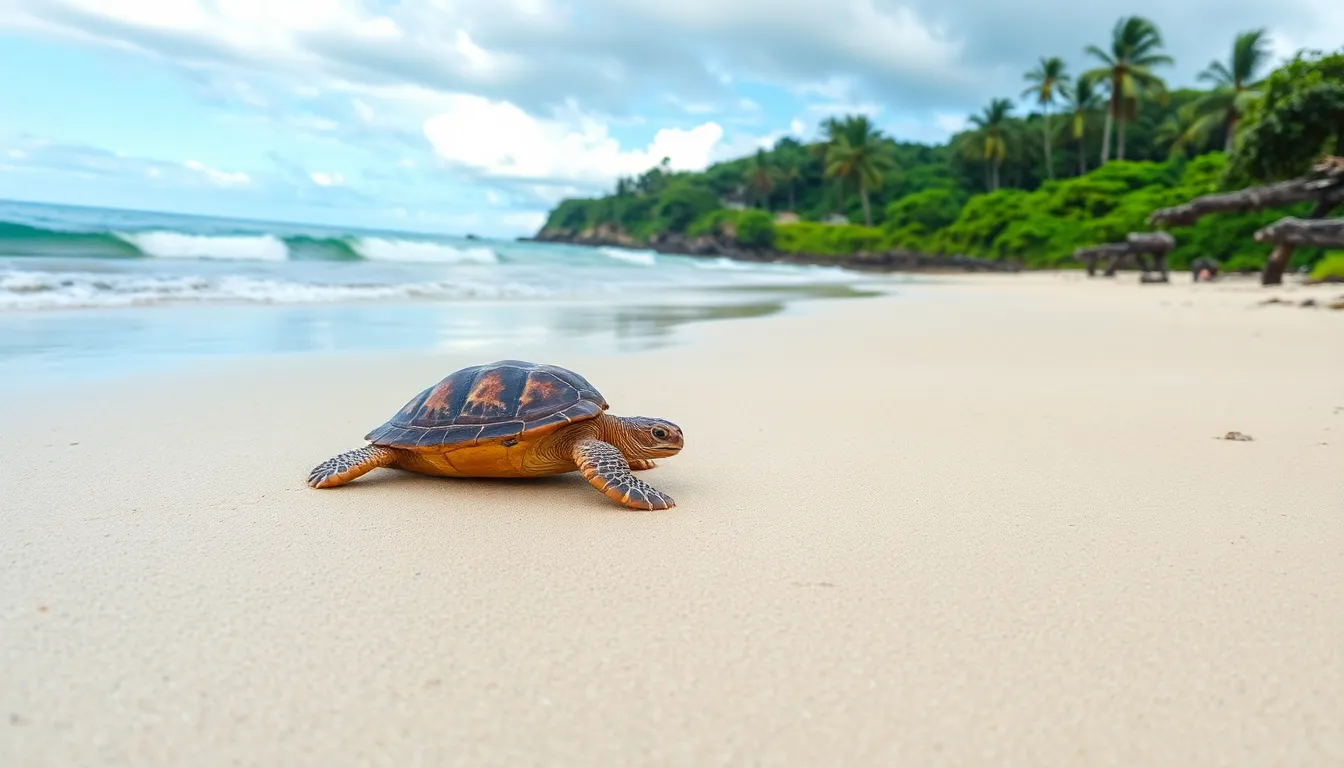
One of the pivotal moments in this decline occurred during the 19th century when sailors and whalers hunted giant tortoises for their meat, which was a valuable source of protein during long sea voyages. The tortoises’ slow reproduction rates made it impossible for their populations to recover from such extensive harvesting. Additionally, non-native species, such as goats and rats, further exacerbated the situation by competing for resources and preying on tortoise eggs.
Conservation Efforts and Milestones
In the late 20th century, conservation initiatives began to take shape, aimed at restoring the fragile ecosystems of the Galápagos. The establishment of the Galápagos National Park in 1959 marked a significant milestone, providing a protected environment for the remaining wildlife. Subsequent breeding programs and habitat restoration projects have been crucial in reintroducing giant tortoises to their native islands, a process that is further elaborated in this related discussion.
In recent years, the successful hatching and release of tortoises back into the wild have sparked hope for their future. The return of giant tortoises to islands like Española and Floreana represents a remarkable achievement in conservation, showcasing the resilience of nature when given a chance to recover. These efforts not only aim to restore the tortoise population but also to preserve the unique ecosystems of the Galápagos for future generations.
Key stakeholders involved in the tortoise reintroduction project
The reintroduction of giant tortoises to the Galápagos Islands after nearly 200 years involves a variety of stakeholders, each with distinct interests and concerns. These stakeholders include local governments, conservation organizations, scientists, and the local communities that inhabit the islands. Their engagement is crucial for the success of the reintroduction project and the long-term preservation of the unique ecosystem of the Galápagos.
Local governments, particularly the Galápagos National Park Directorate, play a vital role in overseeing environmental policies and conservation efforts. Their interest lies in promoting sustainable tourism and preserving the islands’ biodiversity. However, they must balance these goals with the needs of local communities who rely on tourism for their livelihoods.
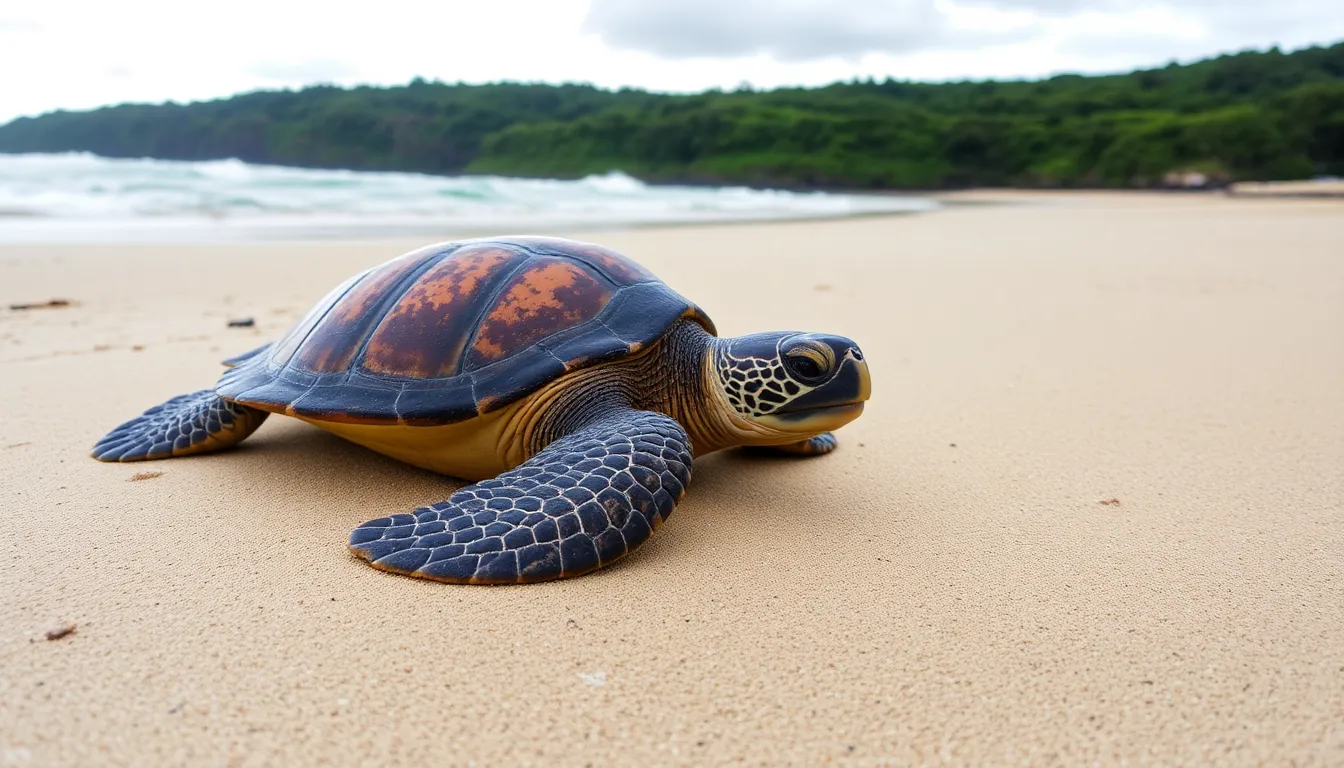
Conservation organizations, such as the Galápagos Conservancy and the Charles Darwin Foundation, are heavily invested in the reintroduction project. Their primary aim is to restore the natural habitat and ensure the survival of the giant tortoise species. They face the challenge of securing funding and support while navigating potential conflicts with local economic interests.
- Community Engagement: Local residents may have mixed feelings about the project, as they may perceive it as a threat to their economic activities or a benefit to tourism.
- Legal Framework: The project must comply with national and international conservation laws, which can complicate implementation and funding.
- Ecological Concerns: There are ongoing discussions about the ecological impact of reintroducing a species that has been absent for nearly two centuries.
- Funding and Resources: Securing adequate financial resources for the project poses a significant challenge, particularly in the face of competing conservation needs.
- Tourism Management: Balancing increased tourism due to the tortoise reintroduction with environmental protection is a critical concern for all stakeholders.
Overall, the successful reintroduction of giant tortoises to the Galápagos Islands hinges on effective collaboration among these stakeholders. Understanding their diverse interests and addressing potential conflicts will be essential for fostering a sustainable future for both the tortoises and the local communities. The project exemplifies the intricate interplay between conservation efforts and human activity in one of the world’s most unique ecosystems, similar to the findings discussed in this article.
The ecological impact of giant tortoises on the Galápagos ecosystem
The return of giant tortoises to the Galápagos Islands marks a significant moment for both the local environment and the communities that depend on it. Various groups, including conservationists, local residents, and tourism operators, are directly affected by this ecological resurgence. The tortoises play a crucial role in maintaining the balance of the ecosystem, influencing plant growth and providing habitats for other species.
In the short term, the presence of giant tortoises is expected to enhance biodiversity, which can lead to a healthier ecosystem. This change may also attract more tourists eager to witness these iconic creatures in their natural habitat, providing a boost to local businesses. However, the increased foot traffic can pose risks to the delicate environment, necessitating careful management to mitigate potential negative impacts.
In the mid-term, the return of giant tortoises could lead to policy changes aimed at further protecting the Galápagos ecosystem. Local governments may implement stricter regulations on tourism and conservation efforts, which could create opportunities for new eco-friendly businesses. Additionally, educational programs may emerge to raise awareness about the tortoises’ role in the ecosystem, fostering community involvement in conservation efforts.
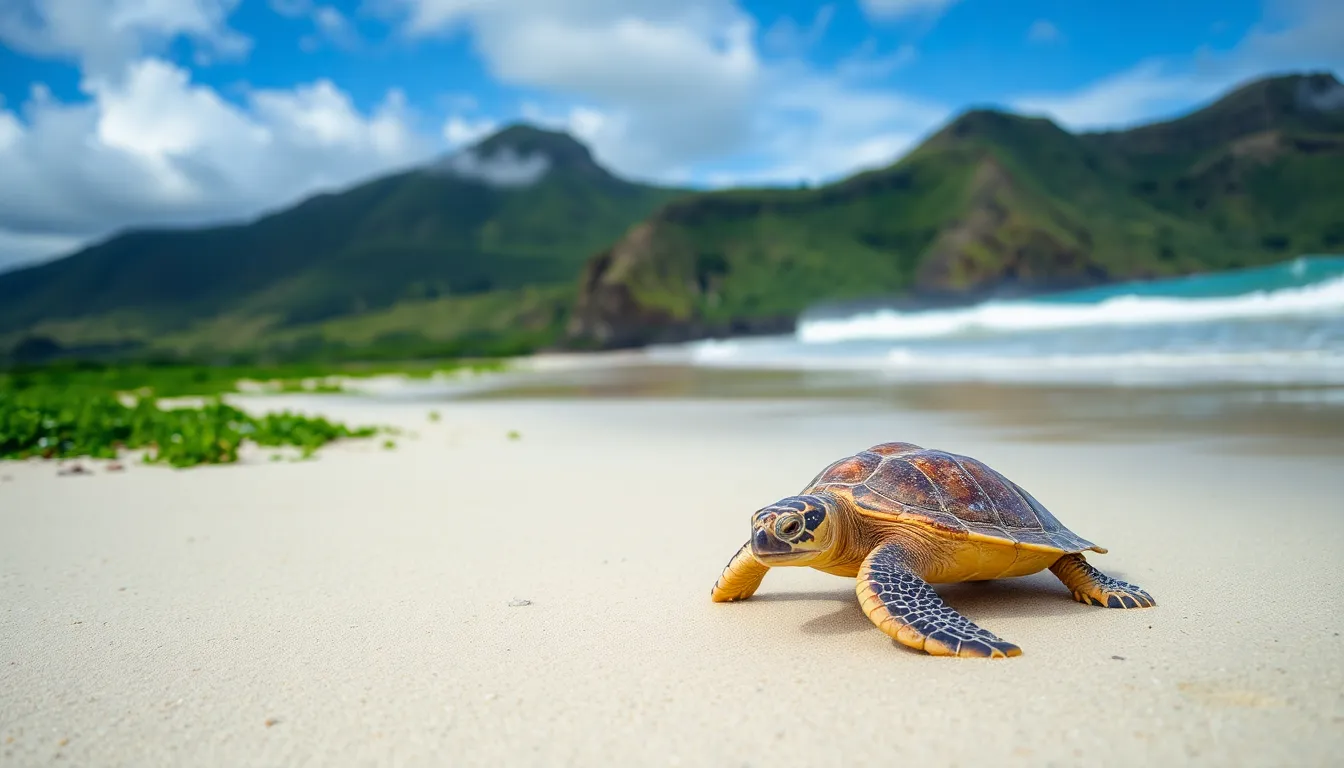
- Tourism Growth: Increased visitor interest could lead to economic benefits for local businesses.
- Conservation Efforts: Heightened awareness may spark new initiatives to protect the ecosystem.
- Environmental Risks: Potential damage from increased human activity could threaten the fragile habitat.
- Policy Changes: New regulations may emerge to balance tourism and conservation.
Overall, while the return of giant tortoises presents challenges, it also opens up avenues for sustainable development and community engagement in conservation. The balance between protecting the ecosystem and fostering economic growth will be crucial in the coming years.
A: Giant tortoises were driven to extinction on several islands due to hunting and habitat destruction by humans and introduced species. A: Conservationists collected eggs from remaining populations and raised the hatchlings in controlled environments before releasing them back into their native habitats. A: Giant tortoises are essential for seed dispersal and maintaining the health of their habitats, influencing plant growth and soil composition. A: The tortoises face threats from invasive species, climate change, and habitat loss, which can hinder their survival and reproduction. A: The public can support conservation by donating to wildlife organizations, participating in awareness campaigns, and advocating for sustainable practices.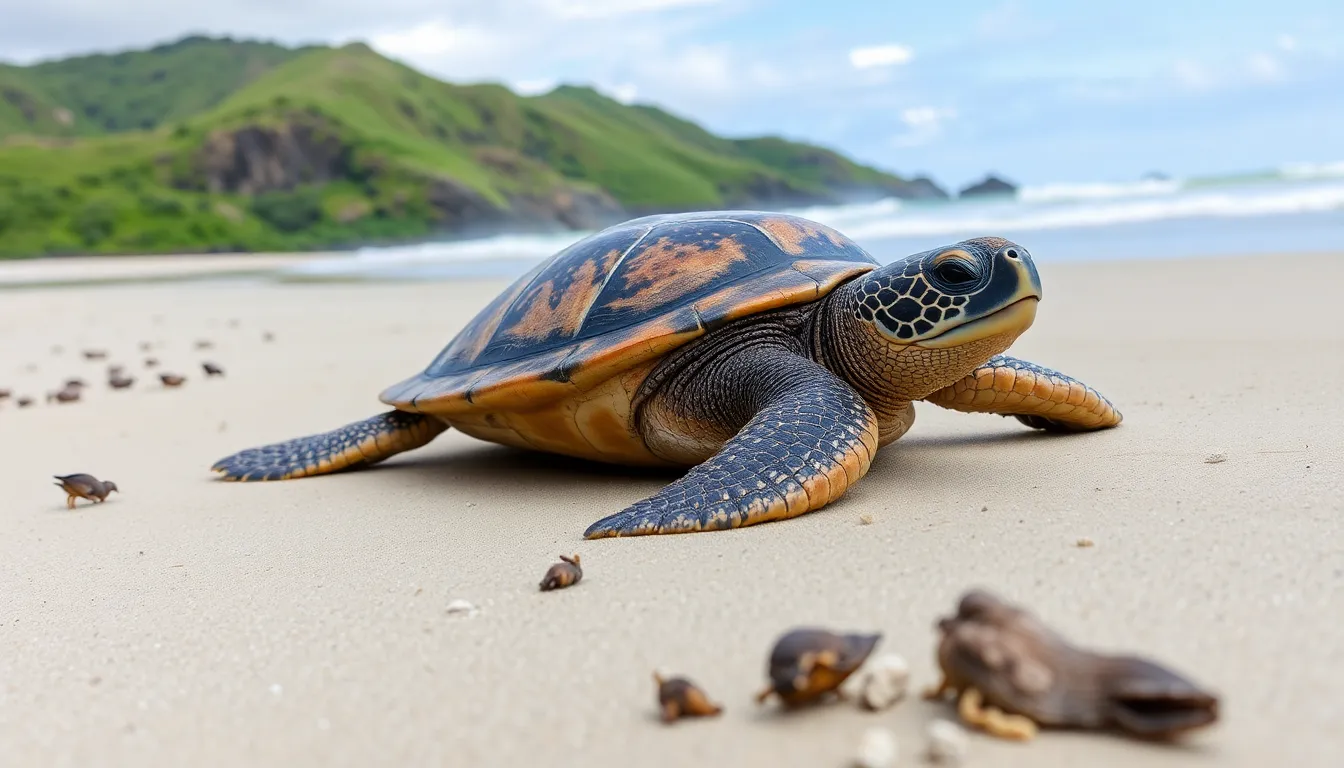
Frequently asked questions about the giant tortoise reintroduction
Looking ahead: the future of giant tortoises in the Galápagos
The successful return of giant tortoises to their native habitat on the Galápagos Islands marks a significant milestone in conservation efforts. This event not only highlights the resilience of nature but also emphasizes the importance of ongoing restoration initiatives. As these iconic creatures begin to repopulate the islands, their impact on the ecosystem and local biodiversity will be closely monitored.
Future efforts will likely focus on ensuring the sustainability of tortoise populations and addressing potential challenges posed by climate change and human activity. The reintroduction of these tortoises serves as a reminder of the delicate balance within the Galápagos ecosystem and the need for continued vigilance in conservation practices.
- Monitoring Ecosystem Impact: Observing how the return of giant tortoises influences vegetation and other wildlife will be crucial for understanding ecosystem dynamics.
- Community Engagement: Involving local communities in conservation efforts can foster a sense of stewardship and support for ongoing initiatives.
- Climate Resilience Strategies: Developing strategies to mitigate the effects of climate change will be essential for the long-term survival of tortoise populations.
- Research Opportunities: The return of giant tortoises provides a unique opportunity for scientific research on species recovery and ecological balance.
- Tourism and Education: Promoting eco-tourism centered around the tortoises can raise awareness and generate funds for conservation efforts.