


The incident occurred near the southern end of the lake, an area known for its unpredictable weather and challenging conditions. Eyewitnesses reported that the tourists were attempting to navigate the lake when their vessel was overwhelmed by strong waves, prompting the emergency response that followed.
This recovery operation highlights the ongoing risks associated with recreational activities in natural bodies of water, especially in regions prone to sudden weather changes. Authorities are urging both locals and visitors to exercise caution and adhere to safety guidelines while exploring the lake’s vast expanse.
The Chinese embassy in Russia has been informed about the situation, and officials are working to assist the families of the deceased. This tragic event has raised concerns about the safety measures in place for tourists engaging in water activities at Lake Baikal, a popular destination known for its stunning beauty and ecological significance.
Understanding the circumstances surrounding the incident at Lake Baikal
Lake Baikal, located in Siberia, Russia, is the world’s deepest and oldest freshwater lake, renowned for its unique biodiversity and cultural significance. This UNESCO World Heritage site attracts numerous tourists each year, drawn by its stunning landscapes and recreational opportunities.
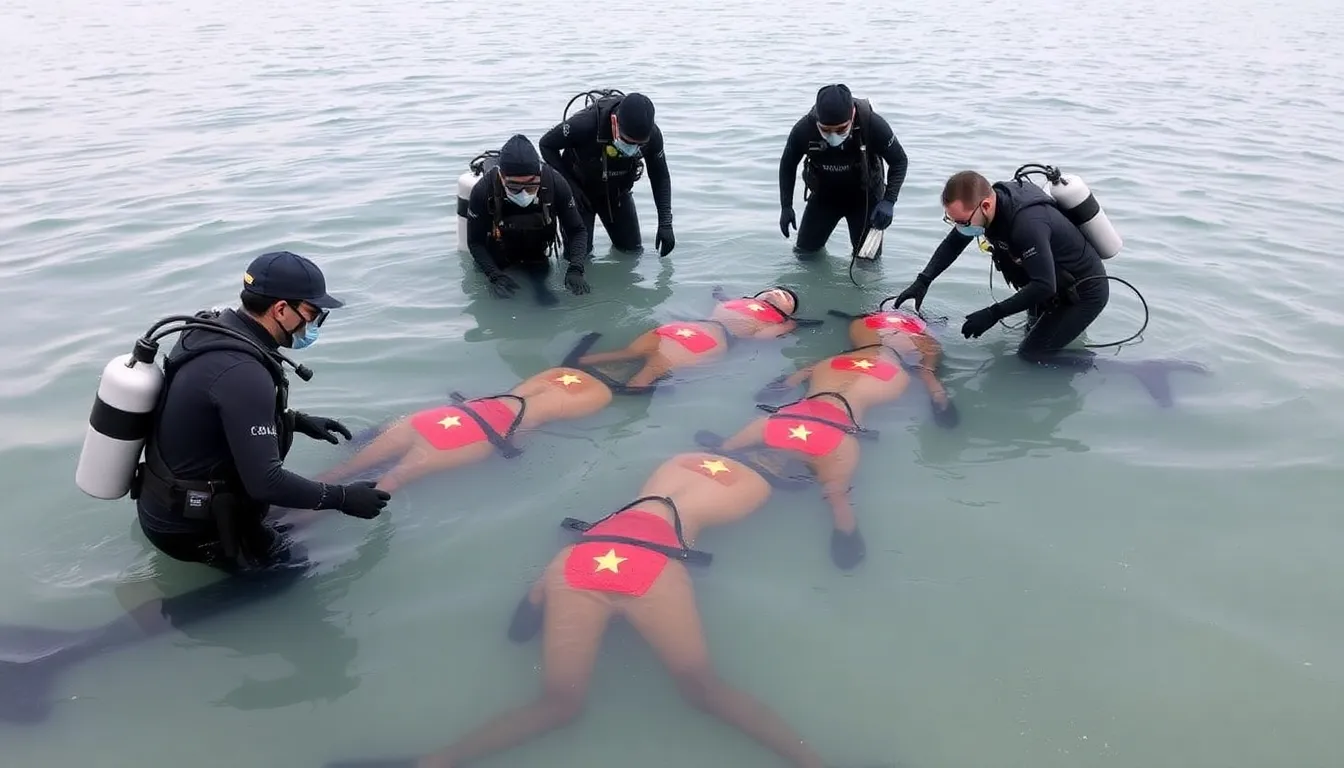
The recent tragedy involving the recovery of seven Chinese tourists’ bodies highlights the potential dangers associated with tourism in this region. Reports indicate that the group was engaged in leisure activities when they encountered difficulties, leading to a disastrous outcome. This incident underscores the importance of stringent safety measures and awareness of local conditions for tourists exploring remote natural sites.
The rise of tourism in Lake Baikal
Over the past two decades, tourism in the Lake Baikal region has surged, driven by both domestic and international interest. The Russian government has promoted the area as a key destination for eco-tourism, resulting in increased infrastructure and accessibility. However, this rapid development has sometimes outpaced safety regulations and emergency response capabilities, creating a precarious situation for visitors.
Previous incidents in the area have raised concerns about the adequacy of safety protocols for tourists. In 2015, a similar drowning incident involving a group of hikers prompted discussions about the need for better guidance and support for those exploring the lake’s treacherous terrain. As tourism continues to grow, the need for comprehensive safety measures and education becomes increasingly critical to prevent further tragedies, similar to the recent tragedy.
In the context of international relations, the incident also reflects the complexities of cross-border tourism. The involvement of Chinese tourists has drawn attention to the need for improved collaboration between Russian authorities and foreign governments to ensure the safety of visitors. As tourism dynamics evolve, fostering a safe and enjoyable experience for all travelers remains a pressing challenge for the region.
Examining the implications for tourism and safety in the region
The tragic incident involving the recovery of seven Chinese tourists from the depths of Lake Baikal has raised significant concerns among various stakeholders, including local authorities, tourism operators, and international governments. Each of these actors has distinct interests and perspectives regarding the safety and future of tourism in this historically rich yet perilous region.
Local authorities, including the Irkutsk region government, are primarily focused on enhancing safety regulations and improving emergency response protocols. Their interest lies in preventing future incidents that could tarnish the region’s reputation as a tourist destination. Additionally, they must balance tourism growth with the preservation of Lake Baikal’s unique ecosystem, which is a UNESCO World Heritage site.
Tourism operators, on the other hand, face the challenge of maintaining customer confidence while navigating the fallout from this tragedy. They may advocate for increased safety measures and better training for guides, but they also need to balance these improvements with the economic implications of potentially higher operational costs. The financial viability of their businesses depends on attracting tourists, many of whom may now be hesitant to visit.
International stakeholders, particularly the Chinese government, are likely to seek assurances regarding the safety of their citizens traveling abroad. This incident may prompt diplomatic discussions aimed at enhancing safety standards for tourists, which could include stricter regulations for tour operators and more comprehensive insurance policies for travelers.
- Increased scrutiny of tour operators’ safety practices and emergency preparedness.
- Potential diplomatic negotiations to establish bilateral safety agreements for tourists.
- Heightened public awareness regarding the risks associated with adventure tourism in remote areas.
- Impacts on local economies reliant on tourism, with possible shifts towards more sustainable practices.
- Long-term effects on Lake Baikal’s environmental policies and conservation efforts.
The emotional and economic impact on families and local communities
The tragic incident involving the recovery of seven Chinese tourists from Lake Baikal has deeply affected their families and the local communities. The emotional toll on the victims’ families is immeasurable, as they navigate their grief and loss. This incident not only disrupts the lives of those directly involved but also reverberates through the local community, which often relies on tourism for economic stability.
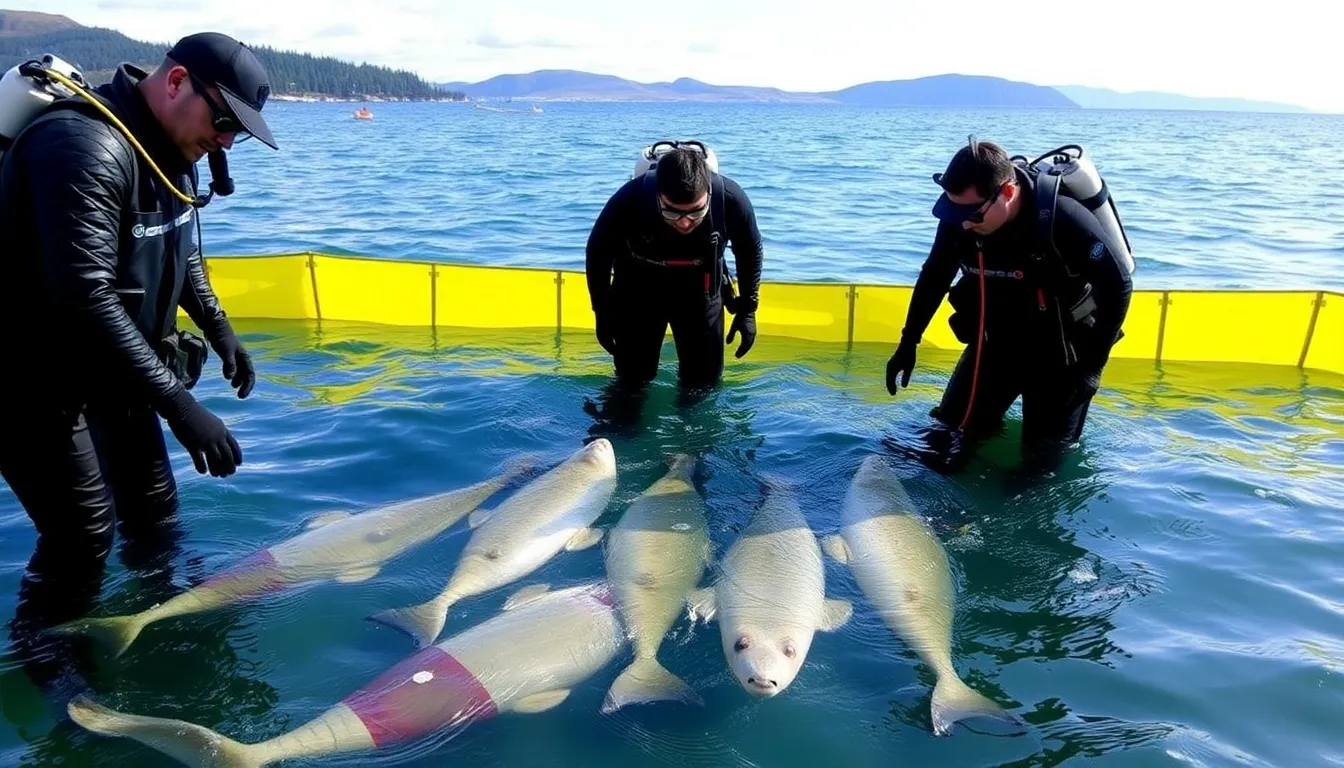
In the short term, local businesses that cater to tourists, such as hotels, restaurants, and tour operators, may experience a decline in patronage. The news of the tragedy can deter potential visitors, leading to immediate financial losses. Additionally, the local economy, which is significantly supported by tourism, may face challenges as the community grapples with the aftermath of this incident.
In the mid-term, there may be shifts in tourism policies and safety regulations. Authorities might implement stricter safety measures for water activities, which could lead to increased operational costs for businesses in the tourism sector. While this could initially pose challenges, it also presents opportunities for businesses to innovate and enhance safety protocols, potentially attracting more safety-conscious tourists in the future.
- Families of the victims facing emotional and financial hardships.
- Local tourism businesses experiencing a potential decline in visitors.
- Increased scrutiny and regulation of tourism safety practices.
- Opportunities for businesses to improve safety measures and attract new clientele.
Furthermore, this incident may lead to a broader conversation about the responsibilities of tour operators and the need for enhanced training for guides. As the community seeks to recover, there could be a push for more sustainable and responsible tourism practices that prioritize safety and environmental preservation.
A: The incident occurred due to adverse weather conditions that affected the safety of the tourists while they were engaging in water activities. A: Local authorities are providing support services to the families, including counseling and assistance with funeral arrangements. A: Authorities are reviewing safety protocols and considering stricter regulations for water activities to prevent future tragedies. A: The incident has raised concerns among potential visitors, leading to a temporary decline in tourist bookings and heightened scrutiny of safety measures.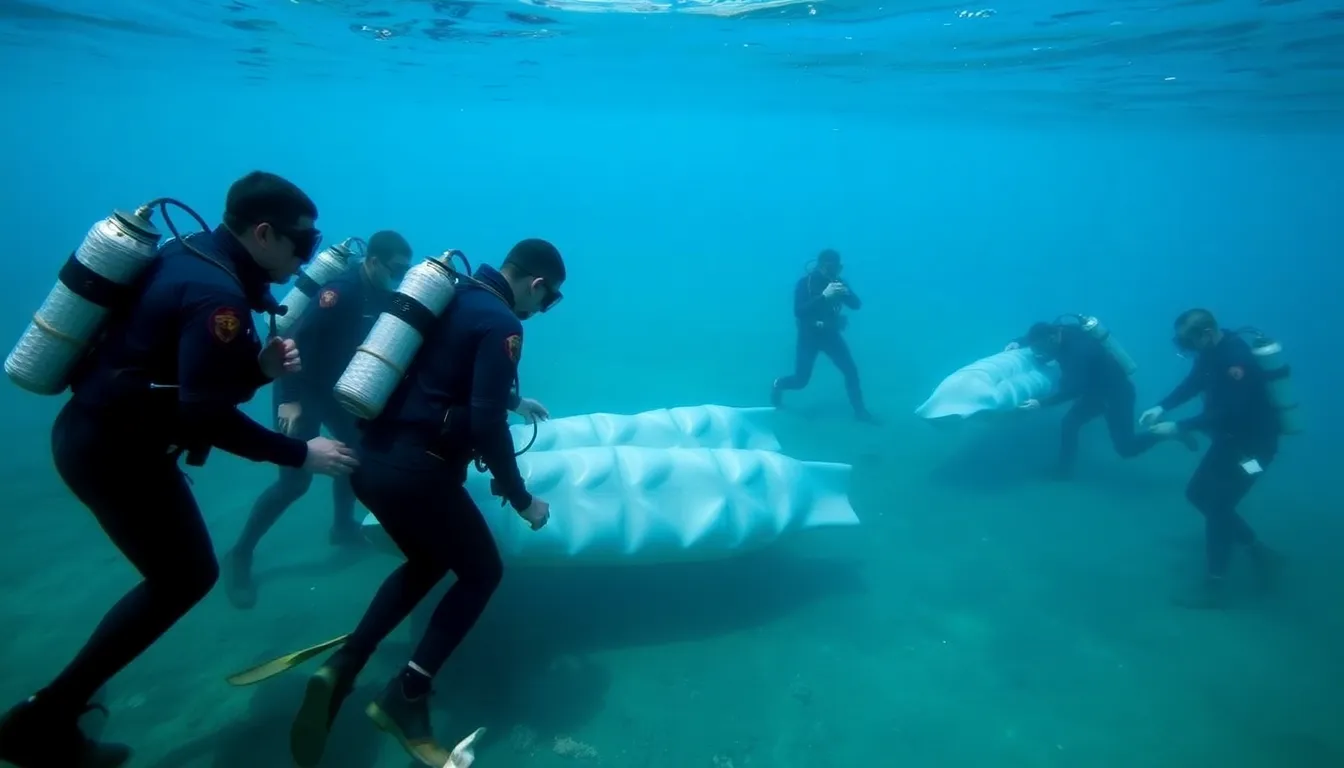
Frequently asked questions about the incident
Key takeaways and future outlook on tourism safety
The tragic incident at Lake Baikal underscores the critical importance of safety measures in tourism, particularly in regions known for their natural hazards. As the recovery efforts for the seven Chinese tourists conclude, it is essential to reflect on the broader implications for both local authorities and the tourism industry. Enhanced safety protocols and better communication with visitors can help prevent such tragedies in the future.
Moving forward, stakeholders must prioritize the implementation of comprehensive safety guidelines and emergency response training for tour operators. This incident serves as a reminder of the unpredictable nature of outdoor activities and the necessity of preparedness in ensuring the well-being of tourists.
- Increased Safety Regulations: Expect stricter safety regulations and guidelines for tour operators in high-risk areas.
- Enhanced Training Programs: Tour guides may undergo more rigorous training focused on emergency response and safety management.
- Improved Communication: Better information dissemination regarding potential risks will be crucial for tourist safety.
- Monitoring Tourist Activities: Authorities might implement monitoring systems to track tourist activities in hazardous locations.
- Collaboration with Local Communities: Engaging local communities in safety initiatives can foster a more secure environment for visitors.