


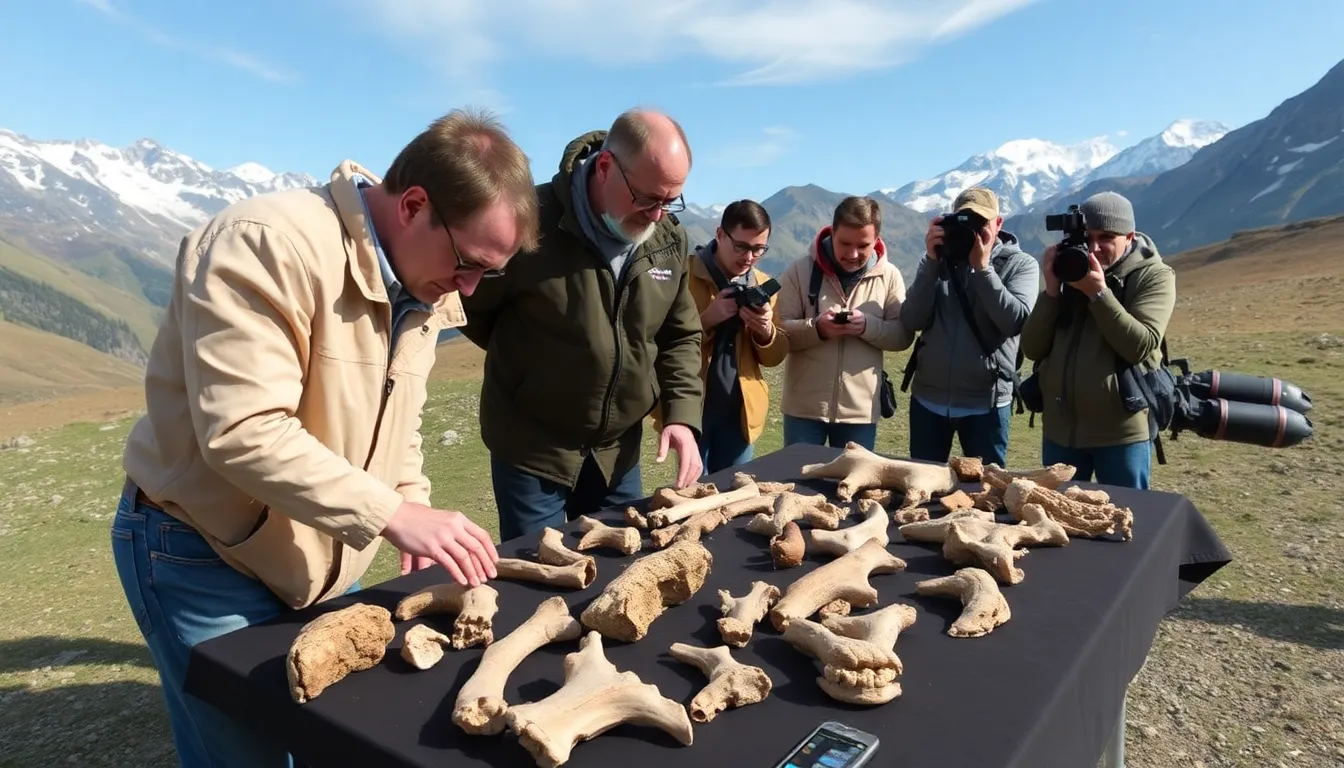
The bones were identified by a team of scientists from various European universities, who conducted extensive analysis using modern radiocarbon dating techniques. Their findings suggest that these remains could indeed be linked to the elephants that Hannibal is said to have used in his audacious military strategy against Rome, making this a pivotal moment in both history and archaeology.
This discovery not only adds a tangible element to the legendary narrative of Hannibal’s campaign but also raises questions about the logistics and challenges of transporting such large animals across treacherous mountain terrain. Experts are now re-evaluating historical texts and considering the implications of these findings on our understanding of ancient warfare and animal use in military contexts.
As the research continues, the implications of these findings could reshape historical perspectives on the Second Punic War. With further analysis expected in the coming months, historians and archaeologists alike are watching closely to see how this evidence will influence the narrative surrounding one of history’s most famous military maneuvers.
Understanding the historical significance of war elephants
War elephants have long been a symbol of military might and strategic innovation in ancient warfare. Their use dates back to the 4th century BCE, with notable examples found in the armies of India, Persia, and Carthage. These majestic creatures were not only formidable in battle due to their size and strength but also served as a psychological weapon, instilling fear in enemy troops. The legendary crossing of the Alps by Hannibal Barca during the Second Punic War (218-201 BCE) is perhaps the most famous instance of war elephants being used in a military campaign.
The political backdrop of Hannibal’s campaign was marked by the intense rivalry between Carthage and Rome. After the First Punic War, which ended in 241 BCE, Carthage sought to expand its influence in the western Mediterranean. Hannibal, a general known for his tactical genius, aimed to strike at the heart of Rome by invading Italy from the north. His decision to cross the Alps with a contingent of war elephants was both audacious and unprecedented, aiming to surprise and demoralize the Roman forces.
The journey across the Alps was fraught with peril, as Hannibal faced not only harsh weather conditions but also hostile tribes. Despite these challenges, he successfully led his army, including several elephants, into the Italian Peninsula. This remarkable feat has been the subject of much historical debate and fascination, with scholars examining the logistics and implications of such a bold military maneuver. The presence of elephants in battle, however, was not merely a spectacle; it represented a significant evolution in the tactics of warfare during that era.
The archaeological significance of the ancient bone discovery
Recent discoveries, including an ancient bone thought to belong to one of Hannibal’s elephants, have reinvigorated interest in this historical narrative. Such findings provide tangible evidence of the legendary crossing and open new avenues for understanding the relationships between humans and animals in ancient warfare.
Exploring the implications for historians and archaeologists
The recent discovery of ancient bones, potentially linked to the legendary war elephants that crossed the Alps, has sparked significant interest among historians and archaeologists. The main stakeholders in this matter include academic institutions, archaeological organizations, local governments in the regions surrounding the Alps, and the broader public interested in historical narratives.
Historians are particularly invested in this find as it could provide concrete evidence supporting historical accounts of Hannibal’s campaign during the Second Punic War. This discovery could challenge or reinforce existing theories about the logistics and feasibility of such a monumental crossing, thereby reshaping our understanding of ancient military strategies.
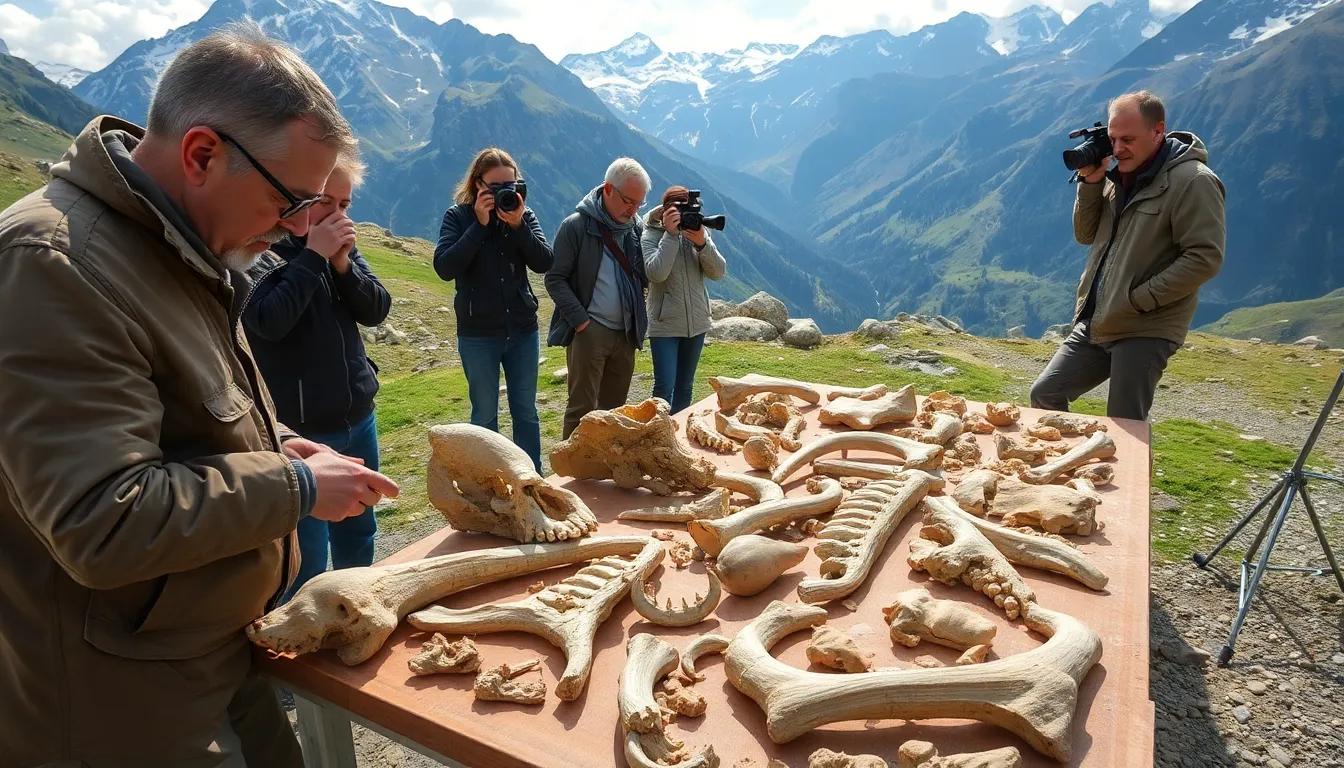
Archaeologists, on the other hand, face the challenge of validating the authenticity of the bones and determining their age and origin. This involves not only scientific analysis but also navigating the legal frameworks surrounding archaeological digs and the protection of cultural heritage. Conflicts may arise between researchers and local authorities regarding excavation rights and the preservation of archaeological sites.
- Interests of Academic Institutions: They seek to publish findings that enhance their reputation and contribute to the academic field.
- Local Governments: They are interested in promoting tourism and local heritage, which could be bolstered by significant archaeological discoveries.
- Public Interest: The general public may have a vested interest in historical narratives that shape their understanding of cultural identity and heritage.
- Legal Issues: Potential disputes over excavation rights and the ownership of discovered artifacts may arise.
- Economic Implications: The potential for increased tourism and funding for further research could lead to economic benefits for local communities.
As the analysis unfolds, it will be essential to consider how these interests intersect and where conflicts may arise, particularly regarding the ethical implications of excavation and the commercialization of historical findings. Balancing the pursuit of knowledge with the preservation of cultural heritage will be a key challenge for all stakeholders involved.
Potential effects on historical narratives and tourism
The discovery of ancient bone fragments that may confirm the legendary crossing of war elephants over the Alps could have significant implications for various groups and industries. Historians, archaeologists, and anthropologists stand to gain from new insights into ancient military strategies and cultural exchanges.
Tourism in regions associated with Hannibal’s journey, particularly in parts of Italy and France, may experience a boost as interest in ancient history grows. Local economies could benefit from increased visitor numbers, leading to higher revenues for museums, guided tours, and historical reenactments. This influx may also encourage the development of new attractions centered around the historical significance of the Alps and its ancient routes.
However, the excitement surrounding the discovery also brings risks. There may be concerns about the preservation of archaeological sites as increased tourism could lead to environmental degradation. Local governments might face pressure to balance economic growth with the need to protect cultural heritage, potentially leading to stricter regulations on tourism and construction in sensitive areas.
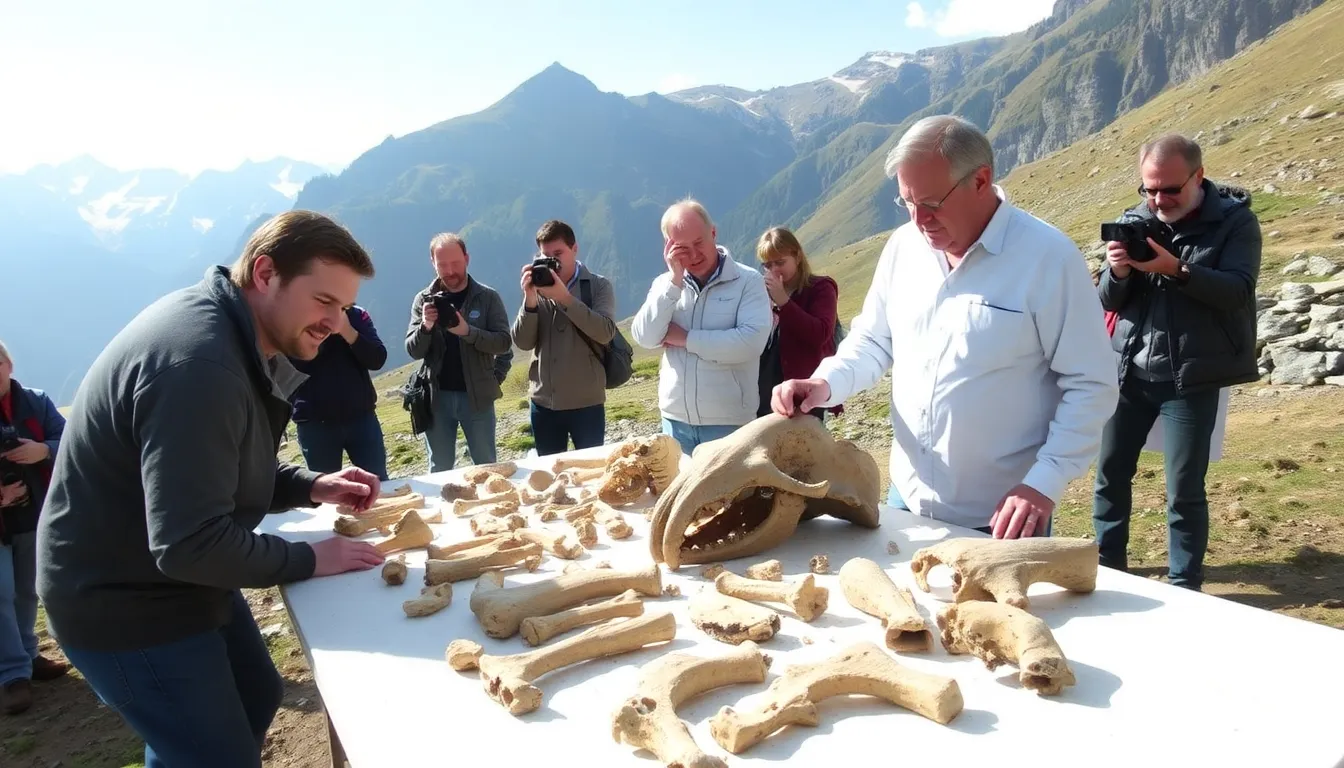
- Short-term impacts: Increased interest in historical narratives, immediate tourism boosts, and potential for new educational programs.
- Mid-term impacts: Development of new tourist infrastructure, potential regulatory changes to protect archaeological sites, and shifts in local economic strategies.
- Opportunities: Enhanced collaboration between historians and tourism boards, increased funding for archaeological research, and promotion of cultural heritage as a key economic driver.
In conclusion, while the discovery presents exciting opportunities for growth and learning, it also necessitates careful consideration of the implications for local communities and their historical landscapes.
A: The discovery includes large bones believed to belong to elephants, which may have been used in ancient warfare. A: It could provide crucial evidence that supports historical accounts of elephants being used in military campaigns, particularly during the crossing of the Alps. A: Historians use a combination of archaeological evidence, historical texts, and scientific analysis to validate claims about ancient events. A: If confirmed, this discovery could enhance interest in historical sites related to the Alps and ancient warfare, potentially boosting local tourism. A: Yes, researchers are currently conducting further excavations and analyses to gather more data and insights about the elephants and their historical context.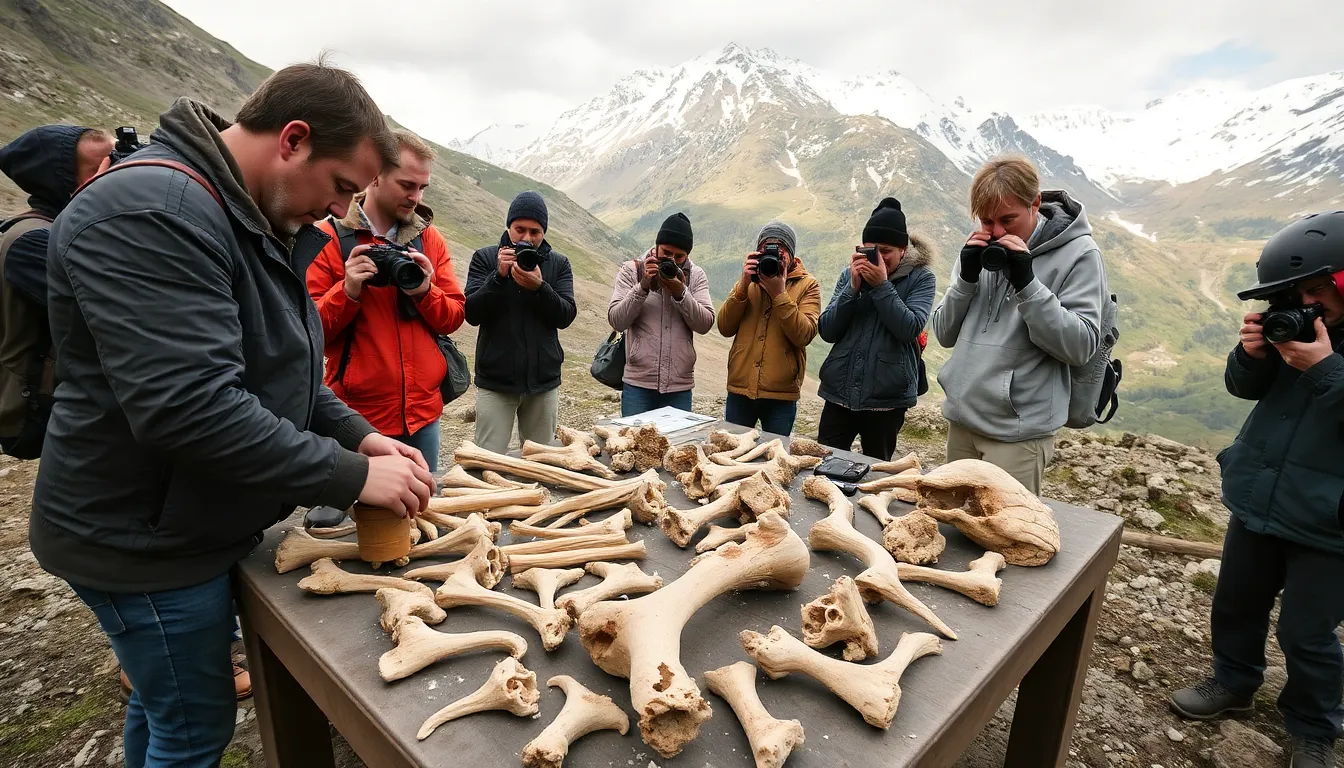
Frequently asked questions about the discovery
Key insights and future research directions
The discovery of ancient bone remains in the Alps may significantly reshape our understanding of historical events, particularly the legendary crossing of war elephants during the Second Punic War. This finding not only supports the accounts of ancient historians but also opens avenues for further archaeological exploration in the region. As researchers delve deeper into the implications of this discovery, it may lead to a reevaluation of military strategies and animal use in ancient warfare.
Future investigations will likely focus on the genetic analysis of the bones to ascertain the species and health of the elephants used in these crossings. Additionally, interdisciplinary studies combining archaeology, history, and environmental science could provide richer insights into the logistical challenges faced by Hannibal’s army during their treacherous journey across the Alps.
- Continued excavation in the Alps may uncover more evidence supporting ancient accounts of war elephants.
- Genetic studies on the discovered bones could reveal insights into the species and their adaptations to harsh environments.
- Interdisciplinary research may enhance our understanding of the broader implications of animal use in warfare.
- This discovery could stimulate interest in ancient military logistics and strategies, leading to new scholarly discussions.
- Potential for increased public engagement and tourism focused on historical sites related to Hannibal’s campaign.