


This decision comes as part of a broader strategy by Square Enix to reach a wider audience while ensuring that the visual quality of the game remains uncompromised, a commitment that fans have come to expect from the franchise. The developers have emphasized their dedication to delivering a visually stunning experience that meets the expectations set by the previous installments.
Industry analysts note that the move to a multiplatform release could enhance the game’s market potential, tapping into the growing PC gaming community. However, the challenge remains to optimize the game’s graphics across different hardware specifications without sacrificing the immersive quality that fans have come to expect.
As the gaming landscape continues to evolve, the commitment to high-quality graphics in Final Fantasy 7 Remake 3 serves as a pivotal moment for Square Enix. The company aims to set new standards for visual storytelling in video games, reinforcing its reputation as a leader in the RPG genre.
Understanding the transition to multiplatform gaming
The gaming industry has undergone significant transformation over the past two decades, with a notable shift towards multiplatform releases. This evolution can be traced back to the early 2000s when developers began recognizing the potential for broader audience reach by making titles available on multiple consoles and PCs. The advent of high-speed internet and digital distribution platforms further facilitated this transition, allowing developers to easily access a global market.
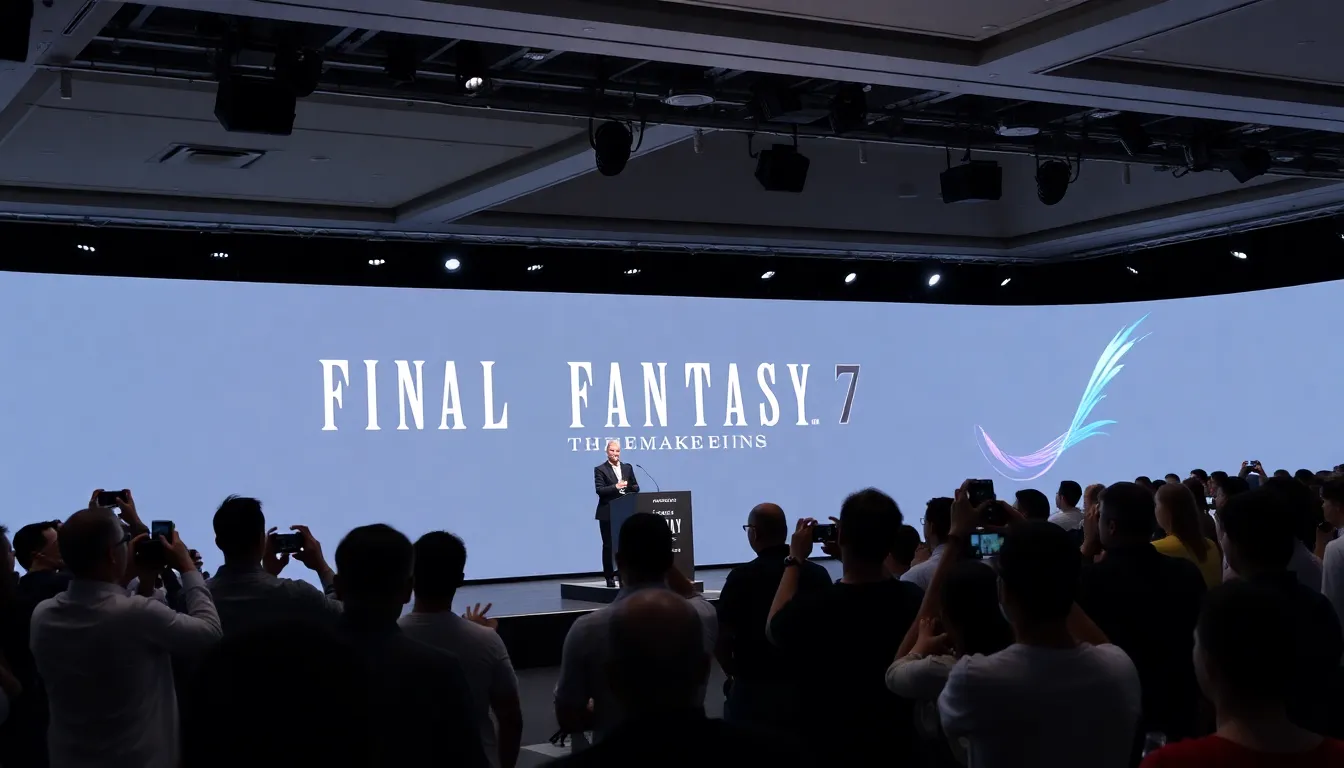
Historically, franchises like Final Fantasy have been closely associated with specific platforms, with earlier titles often exclusive to Sony’s PlayStation. However, as competition intensified among console manufacturers, the need to appeal to a wider demographic became paramount. This led to strategic decisions by developers to release games across various platforms, ensuring that they do not alienate potential players while maximizing revenue opportunities.
The announcement that Final Fantasy 7 Remake 3 will not “compromise on graphics whatsoever” despite its multiplatform release is a testament to this commitment, aligning with the growing trend seen in modern gaming. It reflects a growing trend where developers prioritize graphical fidelity, even when navigating the complexities of multiple hardware specifications.
The impact of technological advancements
The rise of powerful gaming engines and cross-platform development tools has also played a significant role in this transition. Technologies such as Unreal Engine and Unity have allowed developers to create visually stunning games that can run efficiently across different systems. This democratization of game development tools has empowered studios to focus on quality without the constraints of platform exclusivity. As a result, fans of the Final Fantasy series can look forward to a title that embraces both its rich heritage and modern gaming standards, ensuring that the legacy of the franchise continues to thrive in an increasingly competitive market.
Key stakeholders and their perspectives on graphics fidelity
The announcement that ‘Final Fantasy 7 Remake 3’ will maintain its high graphic standards despite transitioning to a multiplatform release has garnered attention from various stakeholders. These include game developers, publishers, consumers, and industry analysts, each with their own interests and concerns regarding the game’s visual fidelity.
Square Enix, the developer and publisher of the Final Fantasy series, is primarily focused on maintaining its reputation for high-quality visuals, which are a hallmark of the franchise. The company aims to attract both new players and long-time fans by delivering a visually stunning experience that aligns with the expectations set by previous installments. This commitment to graphics is crucial for brand integrity and market competitiveness.

Consumers, particularly gamers who have invested in high-end gaming systems, have a vested interest in the graphical performance of ‘Final Fantasy 7 Remake 3’. They expect that the transition to multiple platforms will not dilute the quality of the graphics. Any compromise in visual fidelity could lead to dissatisfaction and impact sales negatively. Additionally, the growing trend of cross-platform gaming raises questions about how graphics will be optimized across different systems.
- Conflict of Interests: Developers must balance the desire for high-quality graphics with the technical limitations of various platforms.
- Economic Considerations: Investment in advanced graphics technology can be costly, impacting the overall budget and pricing strategy of the game.
- Consumer Expectations: Players expect that a move to multiplatform will not result in a downgrade in graphics, which could affect brand loyalty.
- Market Trends: As the gaming industry evolves, staying ahead in graphics technology is essential for maintaining competitive advantage.
Industry analysts are also closely monitoring this situation, as it reflects broader trends in the gaming sector. The ability of a franchise to maintain high standards while expanding its audience is a critical factor for success. Analysts will be looking at how well Square Enix navigates these challenges and whether they can deliver on their promise of uncompromised graphics, which may set a precedent for future multiplatform releases in the industry.
How this decision affects gamers and the gaming market
The announcement that Final Fantasy 7 Remake 3 will not compromise on graphics despite its move to a multiplatform release has significant implications for various stakeholders in the gaming industry, ensuring that gamers across different platforms can access a title known for its stunning visuals and compelling gameplay, much like Anderson Cooper highlighting critical shifts in media.
In the short term, the gaming community can expect a surge in interest and discussions surrounding the game, leading to increased engagement on social media and gaming forums. This heightened visibility may translate into higher pre-order numbers and initial sales, benefiting retailers and digital distribution platforms. Additionally, developers and publishers may observe a shift in consumer expectations regarding graphics quality in future multiplatform releases.
In the mid-term, as the game reaches a wider audience, there could be a ripple effect on related industries, such as merchandise, streaming, and esports. For instance, content creators may find new opportunities for gameplay streaming and video production, which can enhance their revenue streams. Furthermore, the game’s success could encourage other developers to prioritize high-quality graphics in their multiplatform titles, raising the overall standard within the industry.

- Gamers: Increased access to high-quality gaming experiences.
- Retailers: Potential for higher sales and increased foot traffic.
- Content creators: New opportunities for engagement and monetization.
- Developers: A shift in industry standards for graphics quality.
However, this transition also presents risks. Developers may face pressure to maintain high graphics standards across multiple platforms, which could lead to longer development times and increased costs. Additionally, if the final product does not meet the high expectations set by its predecessors, it could result in backlash from fans, potentially harming the franchise’s reputation. Balancing quality and accessibility will be crucial in navigating these challenges.
A: Yes, the developers have assured that the graphics will be optimized for each platform, maintaining high quality across the board. A: The game will be released on multiple platforms including PlayStation, Xbox, and PC, catering to a wider audience. A: While developing for multiple platforms can be challenging, the team is committed to ensuring that the graphics and gameplay experience remain top-notch. A: The release date has not been officially announced yet, but fans are eagerly awaiting updates from the developers. A: The developers have indicated that gameplay mechanics will remain consistent with previous installments, focusing on enhancing the overall experience.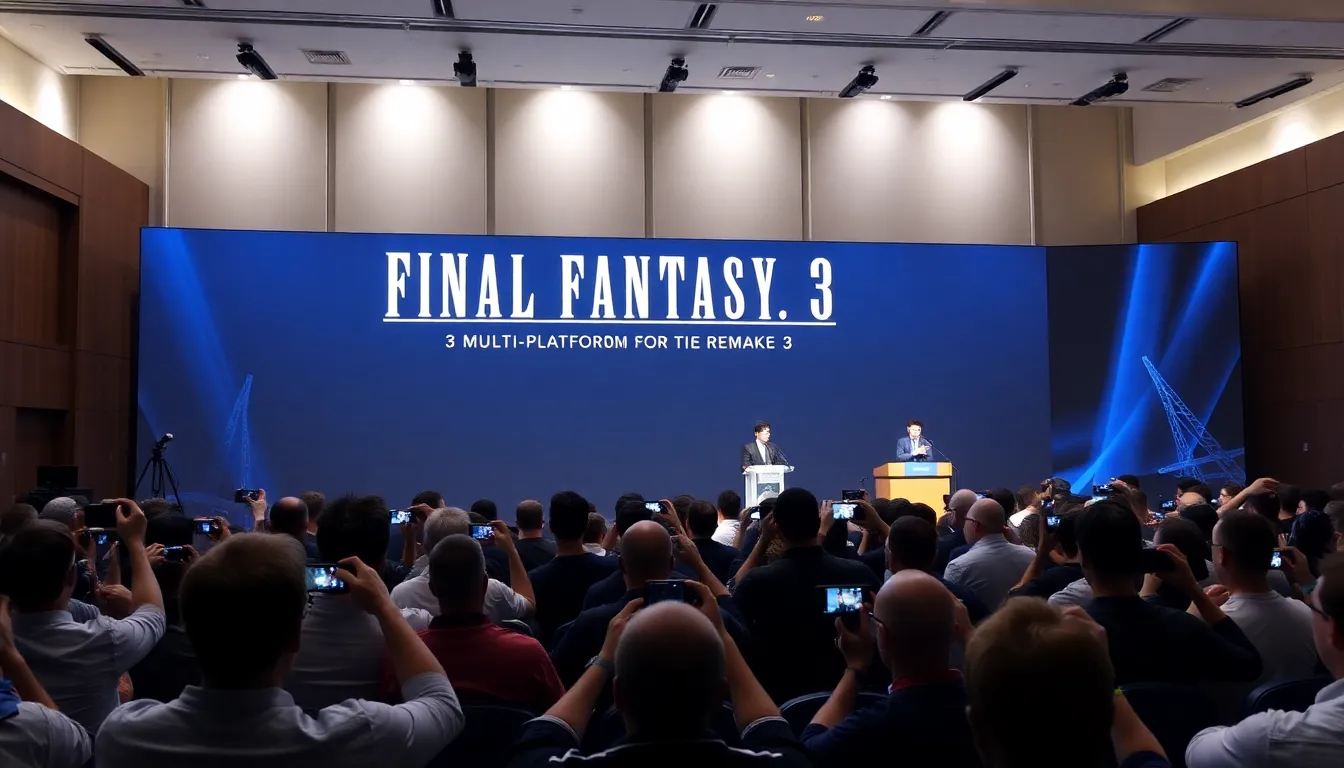
Frequently asked questions about Final Fantasy 7 Remake 3
Looking ahead at the future of Final Fantasy 7 Remake 3
The announcement that Final Fantasy 7 Remake 3 will maintain its graphical integrity despite its transition to a multiplatform release marks a significant commitment from Square Enix. This decision not only reassures fans about the quality of the game but also highlights the studio’s confidence in their technology and development capabilities. As they aim to deliver an experience that meets high expectations, the implications for both gameplay and narrative depth are substantial.
With this focus on graphics, players can anticipate a visually stunning world that enhances storytelling and immersion. It will be essential to monitor how the game balances its ambitious visual goals with performance across different platforms, especially as it reaches a broader audience. This approach could set a new standard for future titles in the franchise and beyond.
- Expect enhanced visual fidelity that leverages the capabilities of next-gen consoles while optimizing for older platforms.
- Watch for innovative gameplay mechanics that utilize the graphical advancements to deepen player engagement.
- Consider the potential for expanded narrative elements that could benefit from the immersive environments created by high-quality graphics.
- Keep an eye on community feedback regarding performance across different systems, as this could influence future updates or patches.
- Anticipate potential cross-promotional opportunities with other platforms that could arise from the game’s multiplatform strategy.