


Key exhibitions have played a significant role in this revival. In 2021, the Brooklyn Museum showcased her work in a major exhibition titled “Edmonia Lewis: The First Sculptor,” highlighting her impact on the art world and her influence on contemporary artists. This exhibition, along with others, has brought her story to a broader audience, prompting discussions about the importance of diversity in art history. For further insights into how artists influence the world, you can read about Wim Wenders’ impact on movies.
Furthermore, the increasing interest in Lewis’s life and work has been bolstered by recent publications and documentaries that delve into her experiences as a Black woman in the 19th century. Scholars are now revisiting her legacy, emphasizing her struggles and triumphs in a predominantly white male art world. This renewed scholarship is crucial in understanding the complexities of her identity and the barriers she overcame.
The significance of this renaissance extends beyond art appreciation; it reflects a larger societal movement toward acknowledging and celebrating marginalized voices in history. As institutions begin to embrace a more inclusive narrative, Lewis’s work serves as a powerful reminder of the contributions made by underrepresented artists. This shift not only honors her legacy but also encourages future generations to explore and uplift diverse narratives in the arts.
Understanding the historical significance of Edmonia Lewis
Edmonia Lewis, born in 1844 in New York, stands as a pivotal figure in the history of American art, particularly as one of the first African American and Native American women to gain recognition as a sculptor. Her journey reflects the complex interplay of race, gender, and art in the 19th century, a time when societal norms often marginalized individuals who did not conform to the dominant cultural narratives. Lewis’s work not only captured the essence of her dual heritage but also challenged the prevailing artistic conventions of her time.
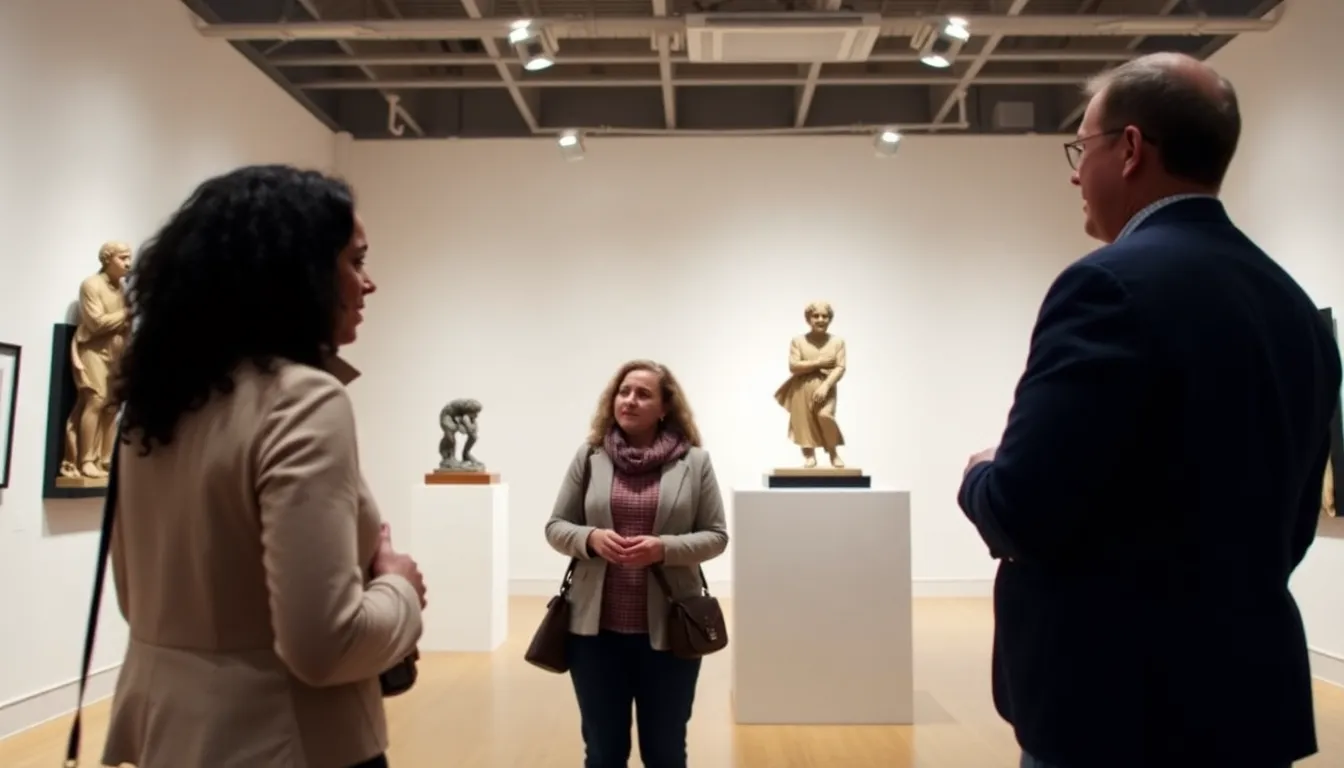
Lewis rose to prominence during a period of significant social upheaval in the United States, marked by the Civil War and the subsequent Reconstruction era. This was a time when the fight for civil rights was gaining momentum, and Lewis’s success as a sculptor can be viewed as both a personal triumph and a broader commentary on the evolving landscape of American identity. Her sculptures, which often depicted themes of racial and social justice, resonated with the struggles of marginalized communities, further solidifying her role as a cultural icon. Her journey is similar to the themes explored in Arundhati Roy’s cult classic film, which deals with representation.
The Art World of the 19th Century
The 19th-century art world was predominantly male and Eurocentric, with few opportunities for women and people of color. Despite these barriers, Lewis found a way to carve out a space for herself. She studied at the prestigious Oberlin College and later in Europe, where she gained exposure to various artistic styles and techniques. Her works, such as “Forever Free” and “The Death of Cleopatra,” showcased her technical skill and deep engagement with themes relevant to her identity and the societal issues of her time. These milestones in her career highlight the challenges she faced and the resilience she exhibited in overcoming them.
However, Lewis’s fame was fleeting. After achieving notable success in the late 19th century, she gradually faded from public consciousness, overshadowed by the male-dominated art world and the societal changes that followed World War I. It wasn’t until recent years that there has been a resurgence of interest in her work, as contemporary audiences seek to reclaim and celebrate the contributions of artists who have been historically overlooked. This renaissance speaks to a broader movement within the art community to recognize and honor the diverse narratives that shape our cultural heritage, akin to the discussions in the review of Wuthering Heights that explores complex character dynamics.
Key stakeholders in the revival of Edmonia Lewis’s legacy
The resurgence of interest in Edmonia Lewis, a pioneering African American and Native American sculptor, involves a diverse array of stakeholders, each with their own interests and motivations. These include art historians, museums, cultural organizations, and the descendants of Lewis’s contemporaries, all of whom play a role in shaping her legacy and ensuring her contributions to art are recognized and celebrated.
Art historians and academics are key players in this revival, as they conduct research and publish works that highlight Lewis’s significance in the context of 19th-century art. Their interest lies in re-evaluating the narratives surrounding marginalized artists and integrating Lewis into broader discussions about race, gender, and identity in art history.
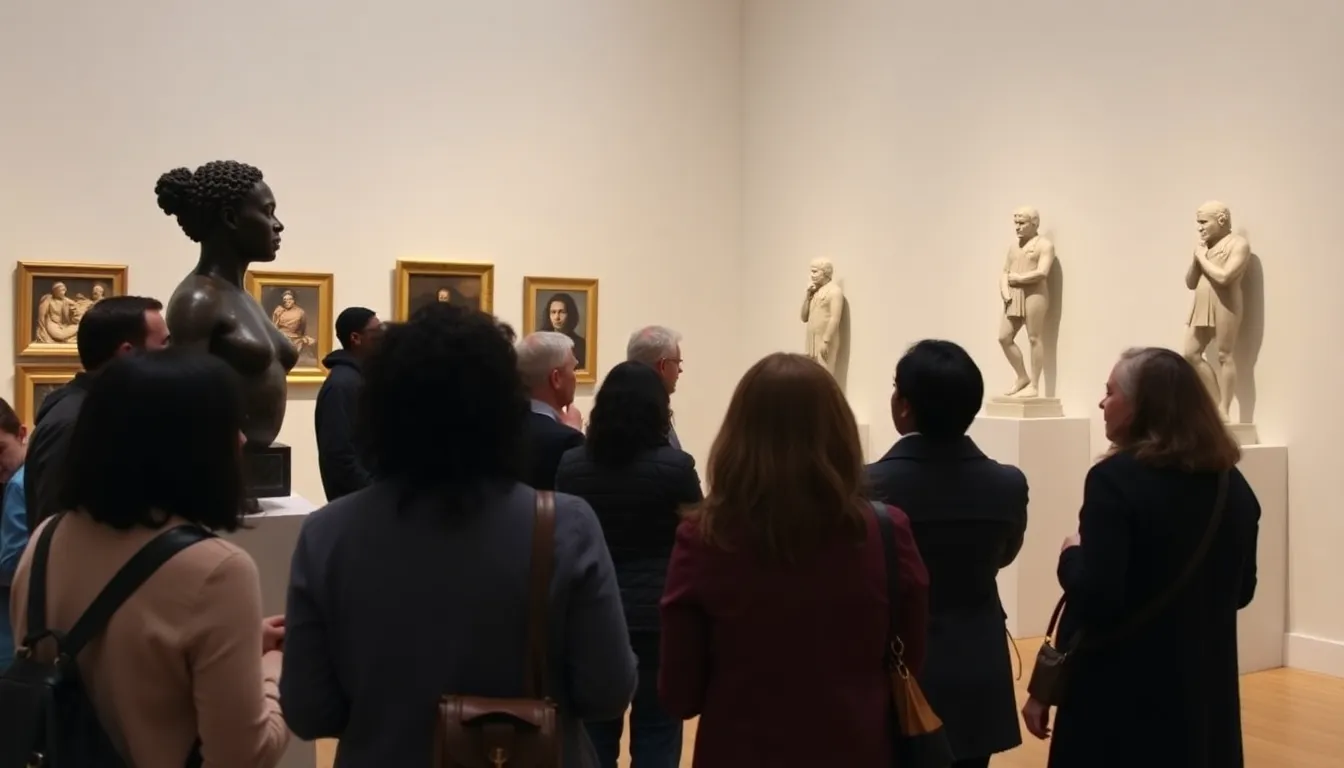
Museums and galleries are also pivotal stakeholders, as they curate exhibitions that feature Lewis’s work, thereby influencing public perception and appreciation. These institutions often face the challenge of balancing commercial interests with educational missions, navigating the trade-offs between showcasing well-known artists and promoting overlooked figures like Lewis.
- Organizations focused on diversity in the arts advocate for increased visibility of artists from underrepresented backgrounds, emphasizing the importance of Lewis’s story.
- Legal issues surrounding copyright and provenance can complicate the display and sale of Lewis’s works, affecting how her art is valued and accessed.
- Economic factors, such as funding for exhibitions and grants for research, play a crucial role in determining the extent to which Lewis’s legacy is promoted and preserved.
Finally, the descendants of Lewis’s contemporaries and community advocates are essential in this narrative, as they seek recognition for her contributions and the broader historical context of her life and work. Their involvement underscores the importance of community engagement in the arts and the ongoing efforts to rectify historical oversights in representation.
The influence of Edmonia Lewis on contemporary art and culture
Edmonia Lewis, once a celebrated figure in the 19th century, is experiencing a renaissance that resonates deeply with various groups, including artists, historians, and cultural institutions. This resurgence not only highlights her contributions but also prompts a reevaluation of representation in the art world, particularly for marginalized communities. As her story gains traction, it affects the way contemporary art is perceived and appreciated.
The art industry is witnessing a renewed interest in Lewis’s work, leading to increased visibility for artists of color and women artists. Galleries and museums are now more inclined to curate exhibitions that feature diverse artists, creating a ripple effect that encourages inclusivity. This shift is particularly impactful in regions where art institutions have historically underrepresented minority groups.
In the short term, the growing recognition of Lewis’s legacy may lead to an uptick in sales for artworks inspired by her style or themes. Artists and creators can capitalize on this trend by exploring similar narratives, thus attracting new audiences. Additionally, educational programs may integrate her story into curricula, fostering a deeper understanding of her influence and the broader context of race and gender in art.
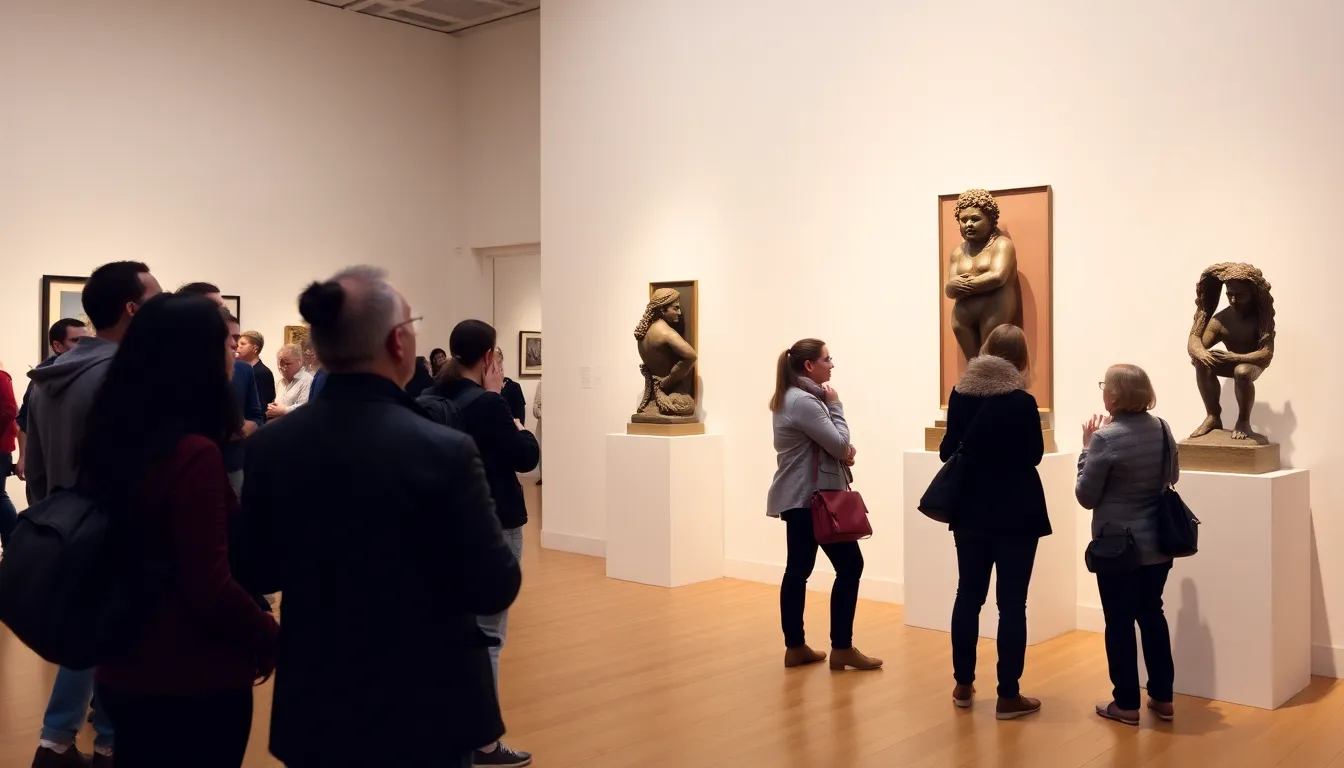
- Increased visibility for marginalized artists.
- Potential for new exhibitions focusing on diversity.
- Opportunities for educational initiatives that highlight her contributions.
However, this renaissance also poses risks, such as the potential for commodification of Lewis’s legacy. As her name becomes more marketable, there is a concern that the authenticity of her story may be overshadowed by commercial interests. Balancing the celebration of her work with genuine representation remains a challenge for the art community.
In the mid-term, the impact of Lewis’s resurgence could lead to policy changes within art institutions, advocating for more equitable practices in curation and funding. This could result in a more diverse art landscape that not only honors historical figures like Lewis but also paves the way for future generations of artists. By embracing her legacy, communities can foster a richer cultural dialogue that benefits all stakeholders involved.
A: Edmonia Lewis was a 19th-century sculptor known for her unique blend of African American and Native American heritage. She gained fame for her works that often depicted themes of racial and gender identity. A: The recent resurgence in interest is due to a broader movement to recognize underrepresented artists in history. Exhibitions and publications have highlighted her contributions to art. A: Some of her notable works include ‘The Death of Cleopatra’ and ‘Forever Free’. These pieces showcase her skill in marble sculpture and her thematic focus on freedom and identity. A: Lewis’s mixed heritage deeply influenced her artistic themes, often addressing issues of race, identity, and social justice, which resonate with contemporary audiences. A: Lewis paved the way for future artists of color, inspiring them to explore their identities and experiences through their work. Her legacy continues to influence discussions around diversity in art.
Frequently Asked Questions about Edmonia Lewis
Key insights and future outlook on Edmonia Lewis’s legacy
Edmonia Lewis’s journey from obscurity to recognition highlights the complexities of cultural memory and the dynamics of artistic legacy. As her work gains renewed attention, it serves as a reminder of the importance of diverse narratives in art history. The resurgence of interest in Lewis not only celebrates her contributions but also prompts a reevaluation of the historical context in which she created her masterpieces.
Looking ahead, it is essential to consider how this renaissance might influence contemporary discussions around representation and inclusivity in the arts. The revival of Lewis’s legacy could inspire future generations of artists and scholars to explore underrepresented voices, fostering a richer and more nuanced understanding of art history.
- The increasing recognition of Edmonia Lewis may encourage a broader examination of overlooked artists from marginalized backgrounds.
- Art institutions and galleries could leverage Lewis’s story to promote diversity in their collections and programming.
- Educational initiatives may emerge to highlight the significance of Lewis’s work in discussions about race, gender, and identity in art.
- As interest in Lewis grows, there may be opportunities for new exhibitions, publications, and scholarly research centered on her contributions.