


According to a report from the luxury real estate firm Knight Frank, the demand for properties featuring advanced security systems has risen by 30% in the past two years. Homebuyers are prioritizing features such as gated entrances, surveillance systems, and reinforced structures to deter potential intruders. This shift is not merely a reaction to crime rates but also reflects broader anxieties about societal instability and personal safety.
Prominent figures in the entertainment and tech industries have been at the forefront of this movement, commissioning high-tech security installations in their homes. For instance, celebrities and CEOs are reportedly hiring private security consultants to create bespoke safety solutions tailored to their specific needs. This has led to a burgeoning market for luxury security services, with companies now offering everything from drone surveillance to underground bunkers.
The implications of this trend extend beyond individual safety concerns; they raise questions about social inequality and the perception of safety in society. As the wealthy invest in increasingly fortified homes, the divide between different socioeconomic groups may widen, with the affluent retreating into isolated, heavily protected enclaves. This phenomenon reflects a growing sentiment that safety is a privilege accessible only to those who can afford it, further complicating the landscape of urban living.
Recommended Articles
- Exploring the Effectiveness of Olive Oil and Bone Broth for Gut Health
- Businesses face extinction unless they protect nature
- Exploring the Latest Trends in Technology Now
- MPs express concerns over data centre expansion impacting Miliband's net zero targets
- Jacob Elordi, Heathcliff and the Controversy Over Wuthering Heights
- Exploring the Effectiveness of Olive Oil and Bone Broth for Gut Health
- Businesses face extinction unless they protect nature
- Exploring the Latest Trends in Technology Now
- MPs express concerns over data centre expansion impacting Miliband's net zero targets
- Jacob Elordi, Heathcliff and the Controversy Over Wuthering Heights
Understanding the factors driving this security trend
In recent years, the ultra-rich have increasingly transformed their residences into fortified compounds, reflecting a growing concern over personal safety and the perceived threats posed by crime and social unrest. This trend can be traced back to various historical, political, and social developments that have shaped the landscape of wealth and security.
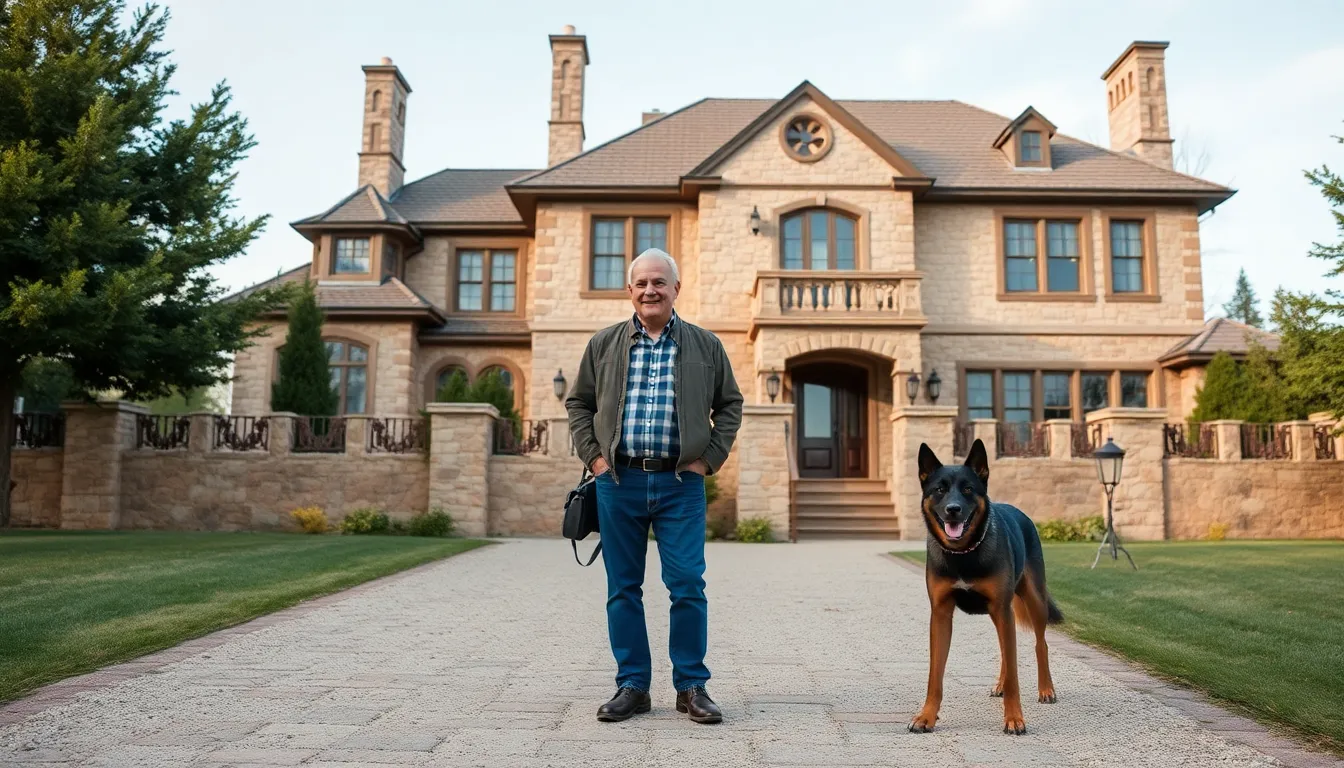
Historically, the rise of gated communities and private security services can be linked to the increasing wealth disparity observed in many societies. As the gap between the rich and the poor widens, the affluent often feel more vulnerable to theft and violence. High-profile incidents involving celebrities and billionaires have further fueled this anxiety, leading to an increased demand for advanced security measures.
Political instability and social unrest in various regions around the world have also played a significant role in this trend. Events such as the Arab Spring, protests against inequality, and rising crime rates in urban areas have heightened fears among the wealthy. As a result, many are opting for features like moats, fortifications, and even underground bunkers to protect their assets and families.
The Economic Impact of Security Measures
The economic implications of this trend are substantial, with the security industry witnessing a boom as demand for high-tech surveillance, armored vehicles, and even elite guard dogs surges. The market for luxury security solutions has expanded to include not only physical barriers but also advanced technology such as biometric systems and smart home security. This shift not only reflects the priorities of the ultra-rich but also underscores a broader societal concern regarding safety and the future of urban living.
Key stakeholders and the implications of extreme home security
The trend of ultra-rich individuals transforming their homes into fortified compounds has drawn attention from various stakeholders, including homeowners, security companies, local governments, and communities. Each of these actors has distinct interests that shape the discourse around extreme home security measures.
Homeowners, particularly the ultra-wealthy, are primarily motivated by personal safety and privacy concerns. The increasing prevalence of high-profile crimes and social unrest has led many to invest in advanced security systems, including moats, bunkers, and even high-priced guard dogs. This trend reflects a broader societal anxiety about safety and the perceived inadequacy of public security measures.
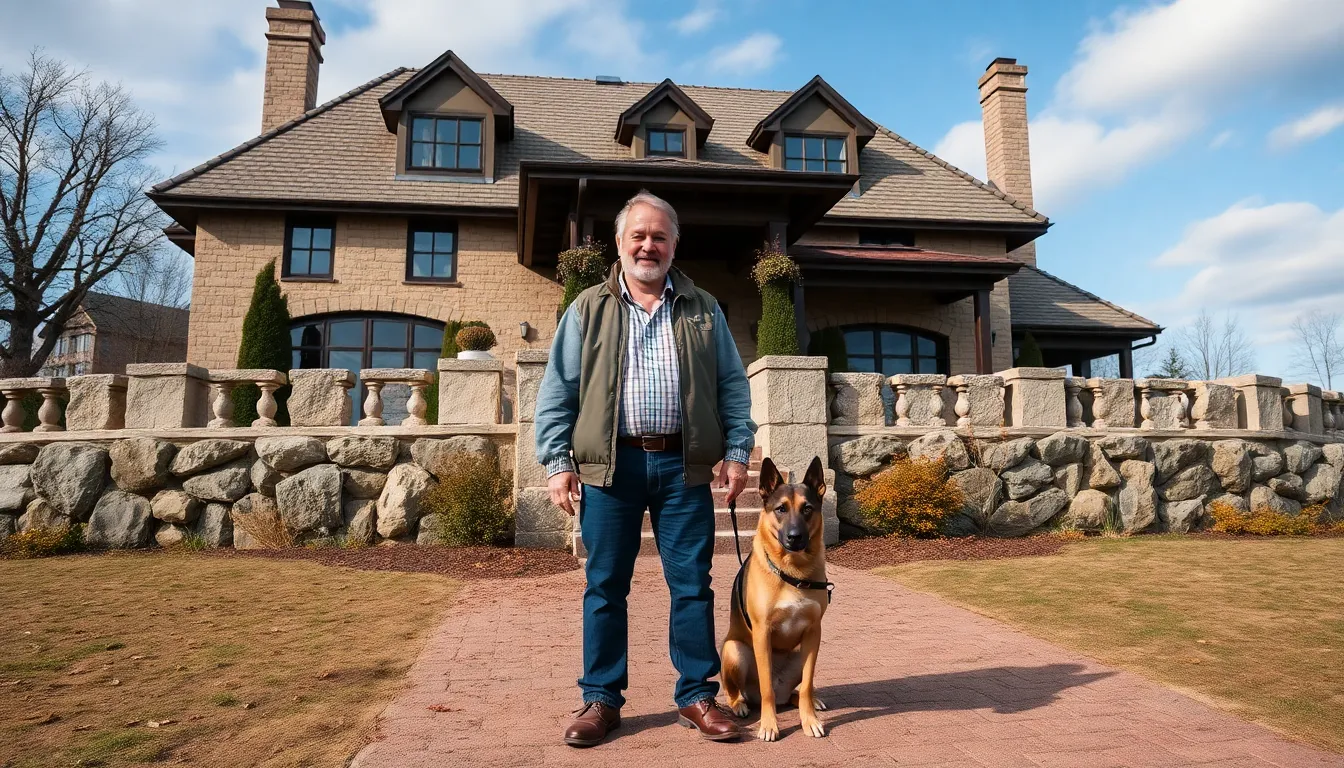
Security companies are significant players in this landscape, capitalizing on the demand for bespoke security solutions. Their interests lie in promoting advanced technologies and services that cater to the affluent, thereby driving profits. However, this raises ethical questions about the commercialization of security and the potential for creating a divide between those who can afford such measures and those who cannot.
Local governments and law enforcement agencies face challenges in balancing community safety with the growing trend of privatized security. As more individuals invest in their own security, there is a risk of undermining public safety initiatives. Additionally, the presence of fortified homes can alter neighborhood dynamics, leading to tensions between residents who may feel isolated or threatened by the visible security measures of their wealthy neighbors.
- Privacy vs. Community Safety: The rise of fortified homes may lead to decreased community engagement and increased isolation among wealthy residents.
- Economic Disparities: The trend highlights the growing divide between affluent individuals and the general population, raising questions about equitable access to safety.
- Legal Considerations: Homeowners may face legal challenges regarding zoning laws and the use of extreme security measures that could impact their neighbors.
- Social Implications: The visible disparity in security measures can foster resentment and fear within communities, complicating social interactions.
- Market Dynamics: An increase in demand for luxury security solutions could lead to a booming market, but also to potential overreach by security firms.
How this trend affects communities and the real estate market
The rise of ultra-rich individuals transforming their homes into fortified compounds is reshaping various communities, particularly in affluent urban and suburban areas. Neighborhoods known for their exclusivity are seeing an influx of security measures, which could lead to a divide between the ultra-wealthy and the average homeowner. As these properties become increasingly fortified with features like moats, bunkers, and high-end security systems, the local real estate market may shift to accommodate these new demands.
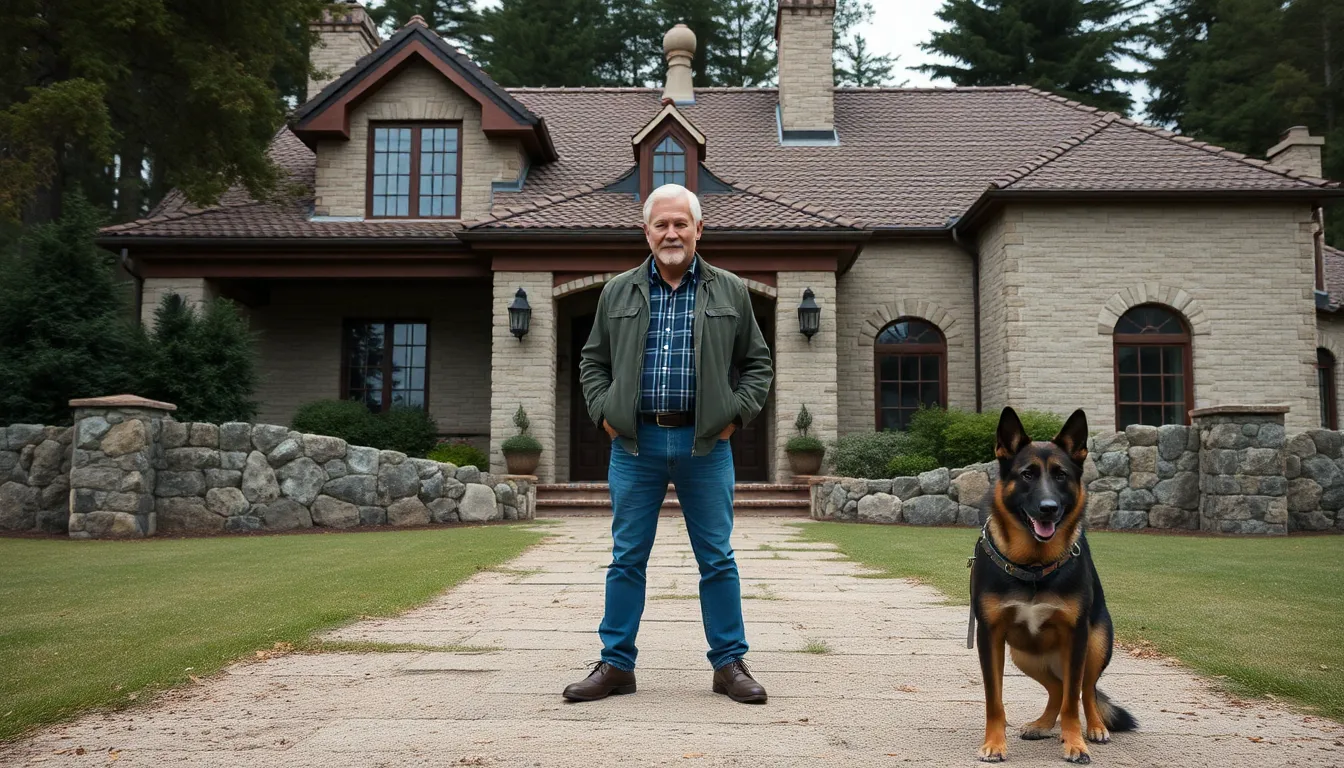
This trend is likely to impact industries such as construction, security services, and luxury goods. Construction firms may find new opportunities in building custom security features, while security companies could see a surge in demand for advanced surveillance systems and personal security personnel. Additionally, the market for luxury pets, such as guard dogs, is also expected to grow, with some individuals willing to invest significantly in their safety.
- Short-term impacts: Increased demand for security services and luxury home improvements.
- Mid-term impacts: Potential rise in property values for fortified homes, leading to wider economic disparities.
- Risks: Heightened social tensions between the wealthy and broader communities, as well as potential regulatory scrutiny on security measures.
- Opportunities: New business ventures in security technology and architectural design tailored to high-net-worth individuals.
As these trends continue, policymakers may need to address the implications of such security measures on community safety and urban planning. The focus on personal security could lead to a re-evaluation of public safety strategies, potentially diverting resources from community-based safety initiatives to cater to the needs of the ultra-rich.
In conclusion, while the trend of fortifying homes presents risks, it also offers unique opportunities for industries catering to the wealthy. The long-term effects on community dynamics and the real estate market will depend on how these changes are managed and integrated into the broader societal context.
A: The ultra-rich are increasingly concerned about safety due to rising crime rates and threats. This has led them to invest in elaborate security measures to protect their families and assets. A: Common features include high-tech surveillance systems, fortified walls, moats, bunkers, and even trained guard dogs that can cost upwards of $175,000. A: While these measures can deter intruders, they also raise questions about privacy and the psychological effects of living in such fortified environments. A: The demand for properties with advanced security features is increasing, potentially driving up prices in certain luxury markets. A: While it is more prevalent in high-crime areas and affluent neighborhoods, the trend is emerging globally as wealth inequality grows.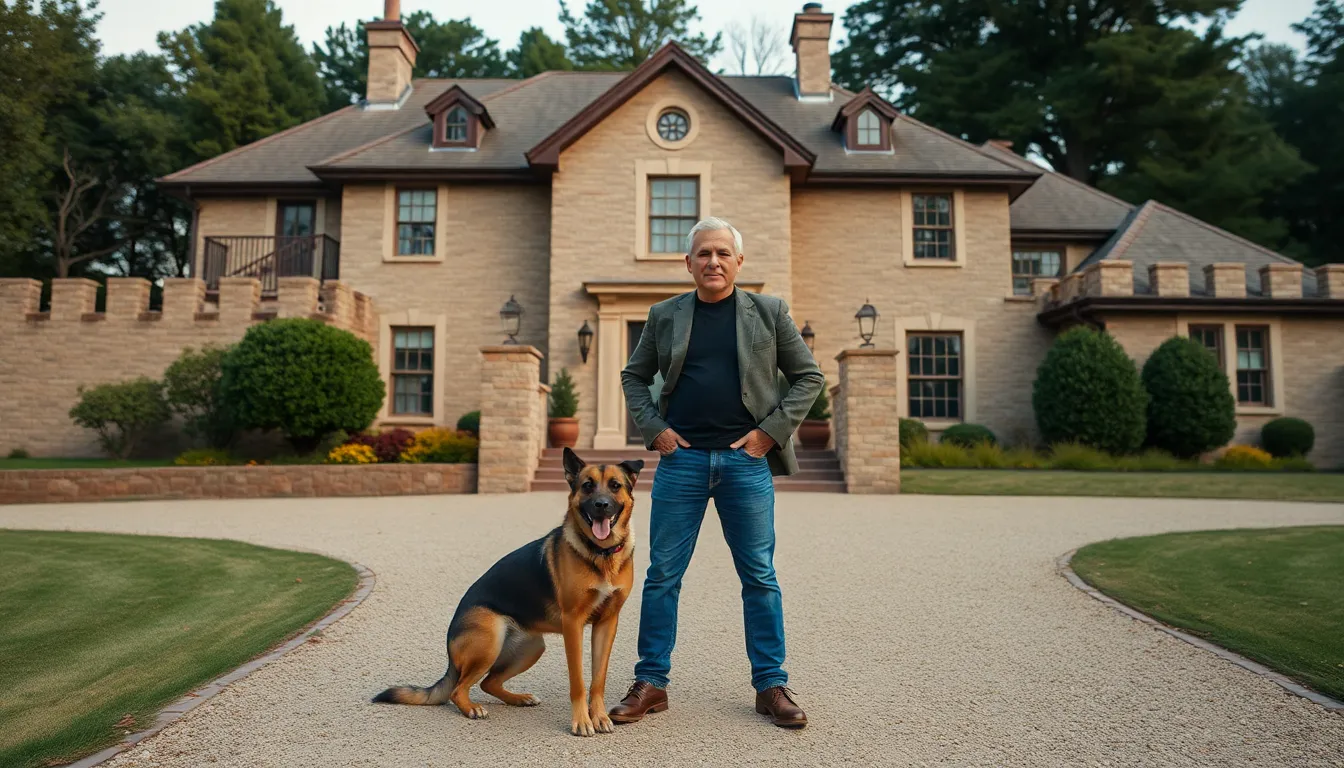
Frequently asked questions about ultra-secure homes
Insights into the future of home security for the ultra-rich
As the ultra-rich increasingly invest in fortified homes, a significant shift in the landscape of personal security is emerging. The integration of advanced technologies and traditional security measures reflects a growing concern for safety and privacy. This trend not only highlights the lengths to which affluent individuals will go to protect their assets but also signals a potential market expansion for luxury security services and products.
Looking ahead, this evolution in home security could reshape urban planning and real estate development, as neighborhoods may adapt to meet the heightened demands for safety features. Additionally, the psychological impact of such fortifications on communities and social interactions warrants attention, as the divide between the ultra-rich and the rest of society may become more pronounced.
- Investment in high-tech security systems will likely continue to rise, leading to innovations in surveillance and home automation.
- Expect a growing market for luxury security services, including personal security teams and specialized training for guard dogs.
- Urban planners may need to consider the implications of fortified homes on community design and public safety.
- The trend of creating ‘safe havens’ could influence social dynamics, potentially leading to increased isolation among the ultra-rich.
- Monitoring shifts in consumer preferences towards privacy and security could provide insights into broader economic trends.