


The decision comes amidst growing concerns over misinformation and hate speech proliferating on social media. Authorities have highlighted that swift action is essential to curb the spread of harmful content that could incite violence or disrupt public order.
Under this new regulation, platforms such as Facebook, Twitter, and Instagram are required to establish robust mechanisms to monitor and respond to content flagged by government agencies. Failure to comply with the directive may result in penalties for the companies involved, underscoring the urgency of the situation.
This move has sparked a debate over the balance between regulating harmful content and protecting free speech. Critics argue that such stringent measures could lead to over-censorship, while supporters emphasize the need for a safer online environment, similar to concerns raised in articles about Amazon’s recent decisions.
Understanding the background of the new regulation
The recent directive from the Indian government requiring social media firms to remove unlawful content within three hours marks a significant shift in the regulatory landscape of digital communication in the country. This move is rooted in a broader context of increasing concerns over misinformation, hate speech, and the role of social media in influencing public opinion and political discourse.
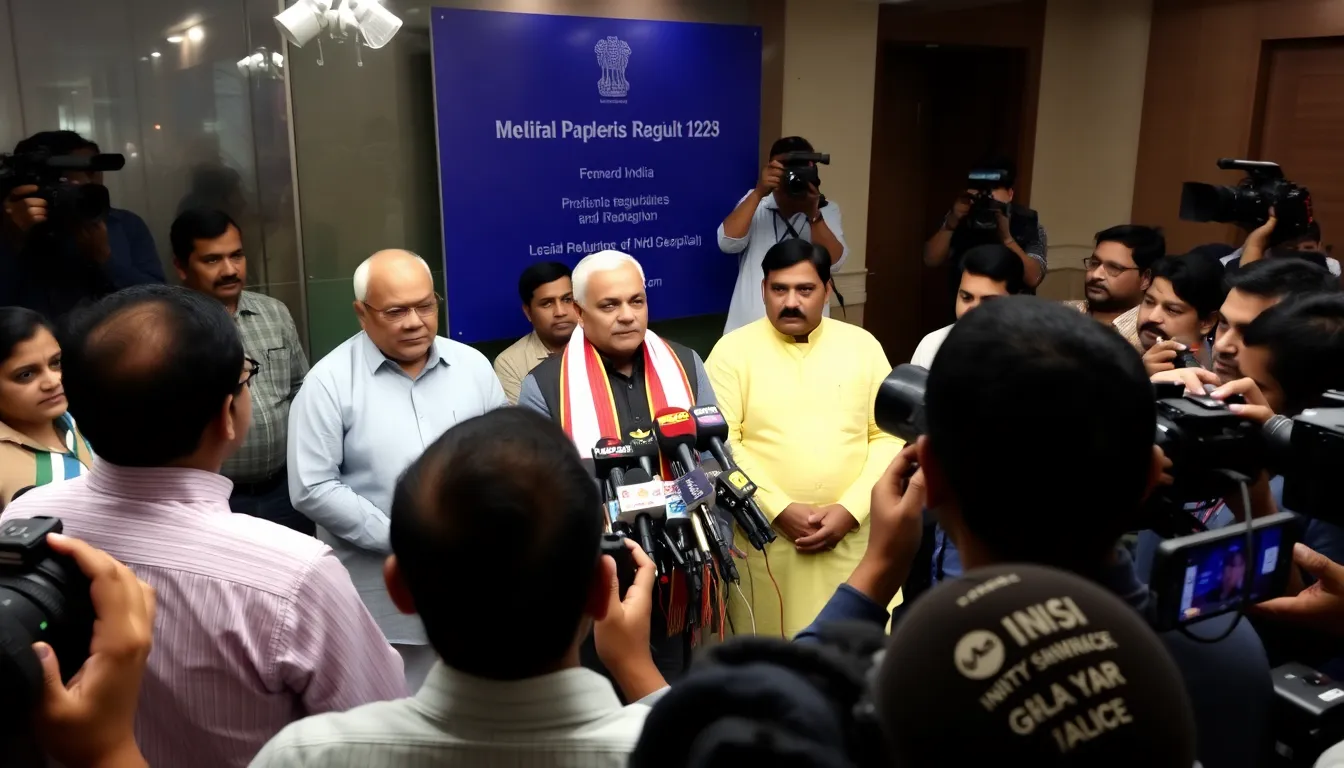
Historically, India has grappled with the challenges posed by unregulated online content. The rise of social media platforms over the past decade has transformed the way information is disseminated, leading to both positive engagement and negative repercussions, including communal violence and the spread of false narratives, echoing issues discussed in various tech news.
In 2021, the Indian government introduced new IT rules aimed at holding social media companies accountable for the content shared on their platforms. These regulations included provisions for appointing compliance officers and establishing grievance redressal mechanisms. However, critics argued that these measures were insufficient and that more stringent actions were necessary to combat the rising tide of harmful content.
Key milestones leading to the regulation
A pivotal moment came in 2022 when a series of riots were fueled by inflammatory posts on social media, prompting the government to take a firmer stance. This incident highlighted the urgent need for timely intervention in the online space, reflecting on what other industries face, much like the gaming sector’s challenges noted with the Epic Games Store.
As the digital landscape continues to evolve, the Indian government faces the challenge of navigating the fine line between regulation and censorship. The implementation of this new rule will likely have far-reaching implications for social media companies and their users, shaping the future of online discourse in India.
Key stakeholders and implications of the directive
The recent directive from the Indian government mandating social media firms to remove unlawful content within three hours has significant implications for various stakeholders, including government authorities, social media companies, users, and civil society organizations. Each of these actors has distinct interests and concerns regarding the enforcement of this policy.
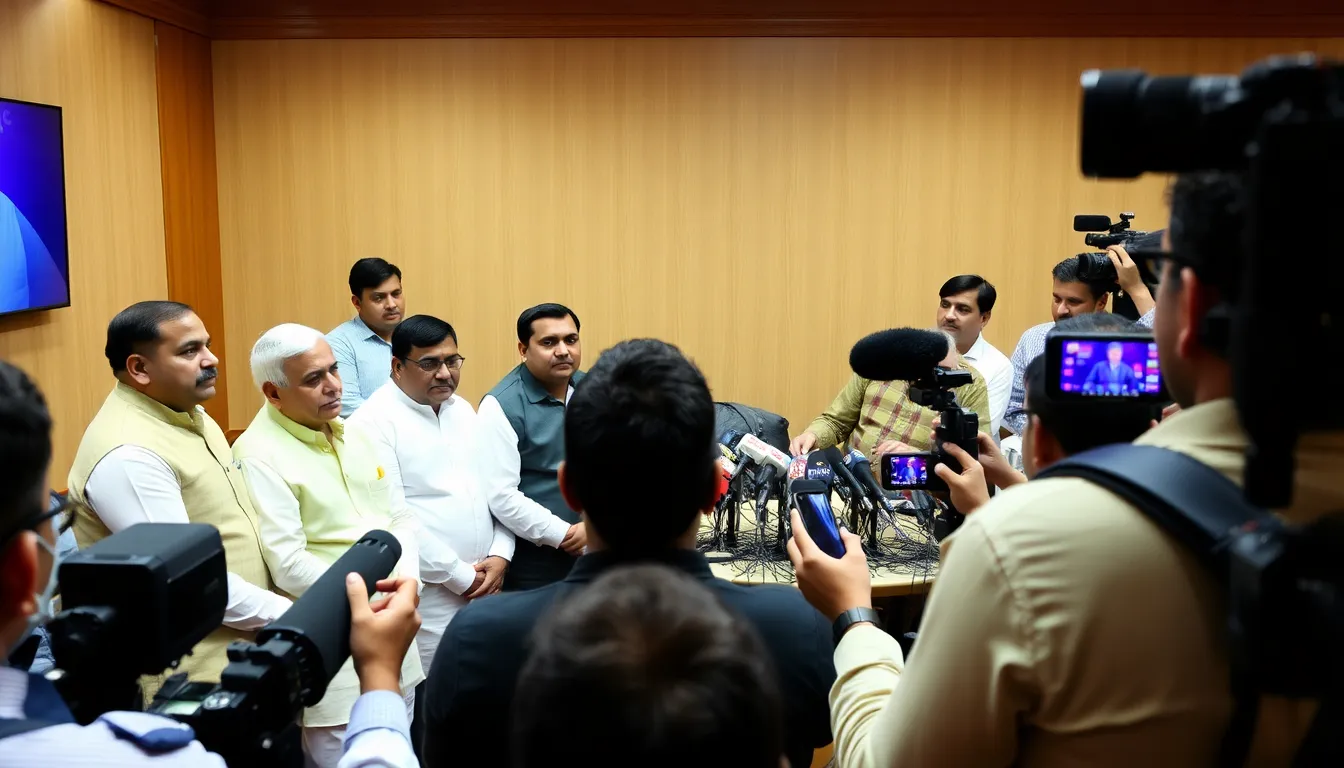
Government authorities, particularly the Ministry of Electronics and Information Technology, aim to enhance digital governance and ensure that online platforms comply with national laws. Their interest lies in combating misinformation, hate speech, and other forms of unlawful content that could threaten public order and safety. However, this directive raises questions about the balance between regulation and freedom of expression.
Social media companies, such as Facebook, Twitter, and Instagram, are tasked with implementing these stringent measures. Their primary interest is to maintain user engagement while adhering to legal requirements. The challenge for these platforms is to develop efficient content moderation systems that can process requests swiftly without infringing on users’ rights. Failure to comply could result in penalties or bans, creating a conflict between operational capabilities and legal obligations.
- Legal Compliance: Social media firms must navigate the complexities of Indian law while ensuring they do not violate user privacy or freedom of speech.
- User Rights: The directive may lead to over-censorship, where legitimate content is removed to avoid penalties, impacting user trust and engagement.
- Economic Impact: The increased operational costs for social media companies to monitor and remove content could affect their business models and profitability.
- Public Safety: The government argues that swift action against unlawful content is essential for maintaining public order and safety.
- Civil Society Concerns: Advocacy groups may raise alarms about potential abuses of power and the chilling effect on free speech, urging for more transparency in content removal processes.
In summary, the directive introduces a complex landscape where the interests of the government, social media firms, and users intersect. The potential for conflict arises from differing priorities, particularly regarding the balance between regulatory compliance and the protection of fundamental rights. As this situation evolves, ongoing dialogue among stakeholders will be crucial in addressing the challenges presented by the directive.
Potential effects on users and social media platforms
The recent directive from the Indian government mandating social media firms to remove unlawful content within three hours has significant implications for various stakeholders. Primarily, users across the country, including individuals and businesses, will feel the immediate impact of this policy. The pressure on social media platforms to comply swiftly may lead to a more stringent moderation process, potentially affecting the user experience.
In the short term, users may encounter increased content removal, which could lead to frustration among those who rely on these platforms for communication and information sharing. Businesses that utilize social media for marketing and customer engagement may also face disruptions as posts are taken down more frequently, impacting their outreach efforts. The potential for misinterpretation of content and over-censorship could stifle free expression and creativity.
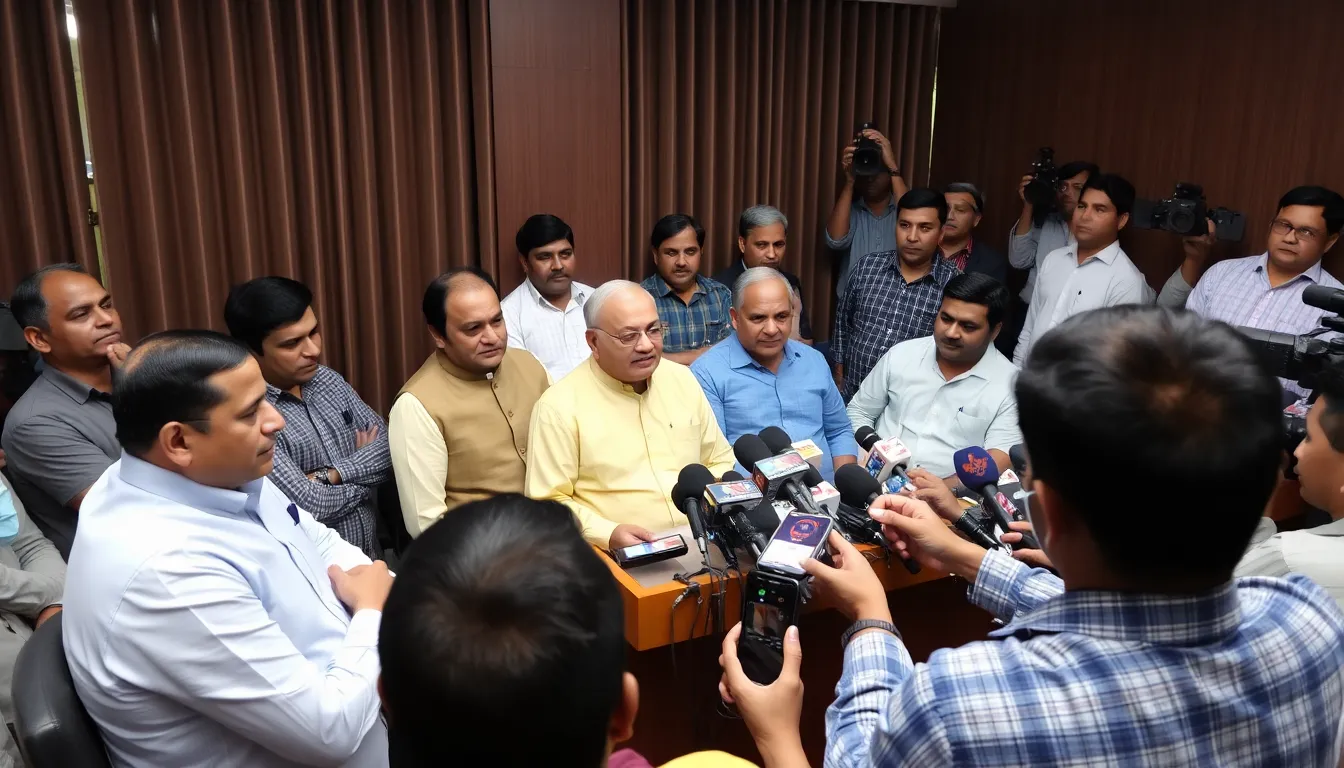
From a mid-term perspective, this policy may lead to a shift in how social media companies operate within India. Companies might invest more in automated content moderation technologies to meet the new compliance standards. This could create opportunities for tech firms specializing in AI and machine learning, as they can offer solutions to help social media platforms navigate these regulations.
- Increased compliance costs: Social media firms may incur higher operational costs to ensure adherence to the new regulations.
- Potential for market exits: Some international platforms might reconsider their presence in India if compliance becomes too burdensome.
- Enhanced user privacy concerns: Stricter moderation could lead to users feeling their privacy is compromised as platforms become more vigilant.
- Opportunities for local startups: Local companies could emerge to fill gaps left by larger firms, providing alternative platforms for users.
Ultimately, while the intention behind the policy may aim to create a safer online environment, the ramifications on user experience, business operations, and the overall digital landscape in India will be significant and multifaceted.
A: Unlawful content typically includes hate speech, misinformation, and any material that violates Indian laws. The specific definitions can vary based on legal interpretations. A: Social media firms are expected to implement rapid response teams to monitor and remove flagged content within the three-hour timeframe. This may involve enhanced AI tools and human oversight. A: Firms that fail to comply may face penalties, including fines or restrictions on their operations in India. The government aims to enforce strict adherence to the new rules. A: Critics argue that such regulations could lead to over-censorship, where legitimate expressions may be removed to avoid penalties. This raises concerns about the balance between safety and free speech.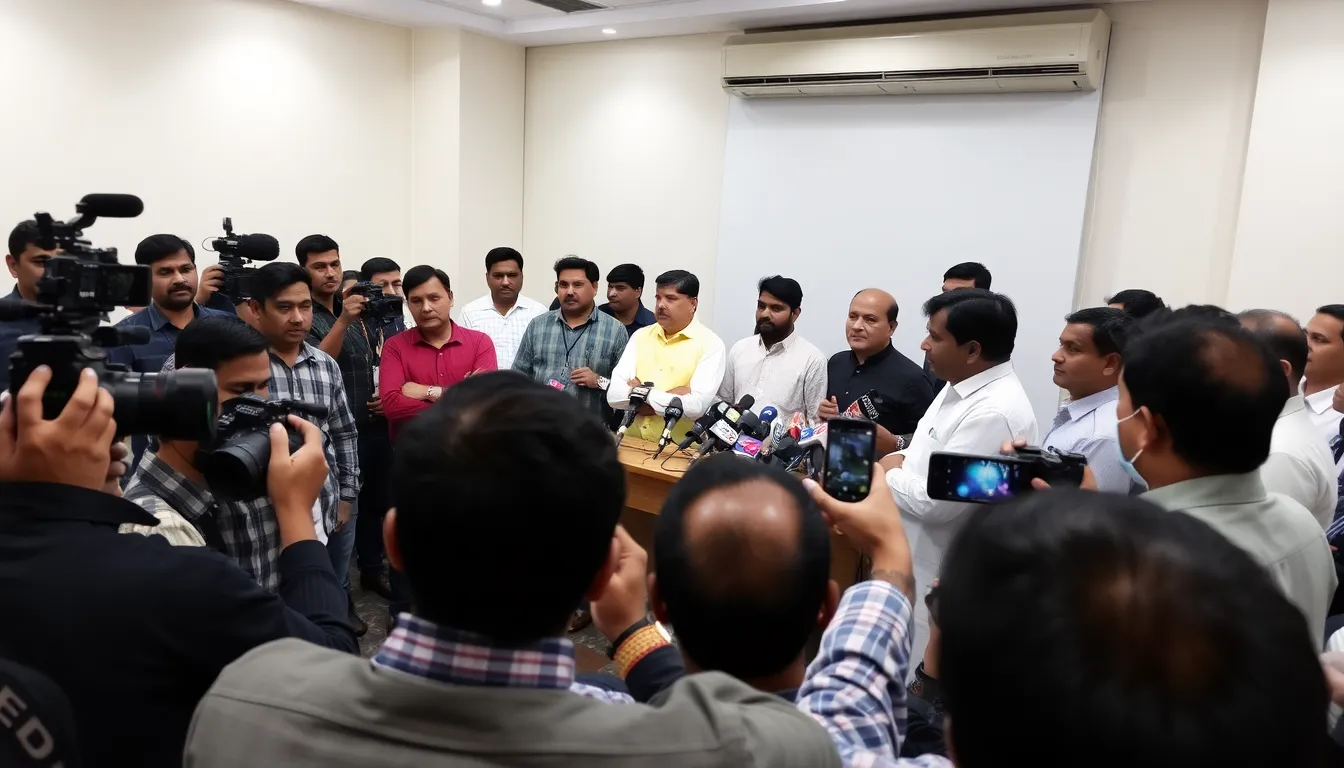
Frequently asked questions about the new regulation
Outlook on the future of content regulation in India
The recent directive from the Indian government requiring social media firms to remove unlawful content within three hours marks a significant shift in the landscape of digital governance. This move reflects a growing emphasis on accountability and the need for platforms to actively manage the content shared on their networks. As the regulatory framework evolves, the implications for both users and providers of digital services will be profound.
As social media companies adapt to these stringent requirements, we may witness a transformation in how content moderation is approached. Companies will need to invest in advanced technologies and human resources to comply with the new regulations, potentially leading to increased operational costs. Additionally, the balance between free speech and regulation will be a critical area of focus, as stakeholders navigate the complexities of content management in a diverse society.
- Increased Compliance Costs: Social media firms may face higher operational costs as they enhance their content moderation capabilities to meet regulatory demands.
- Impact on User Experience: The speed and nature of content removal could alter user engagement, influencing how users share and consume information online.
- Legal Precedents: This directive could set a precedent for future regulations, influencing how other countries approach content governance.
- Public Discourse: The balance between regulation and free speech will be an ongoing debate, shaping public perception and discourse around digital platforms.
- Technological Innovation: The need for rapid content removal may drive technological advancements in AI and machine learning for better content moderation.