


According to the National Oceanic and Atmospheric Administration (NOAA), the frequency of heavy precipitation events has increased by 20% since the 1950s in the United States. This trend is expected to continue, with projections indicating that the Midwest and Northeast could see 10-20% more precipitation by the end of the century. These changes not only threaten infrastructure but also impact agriculture, water supply, and public health.
Local governments are grappling with the challenges posed by more intense rainfall and flooding. In California, for example, the state has invested heavily in upgrading its flood management systems following devastating floods in early 2023. As climate patterns shift, the need for adaptive measures and resilient infrastructure becomes increasingly urgent.
Furthermore, the economic costs associated with flooding are staggering. A report from the Federal Emergency Management Agency (FEMA) indicated that the U.S. could face annual flood-related damages exceeding $32 billion by 2050 if current trends continue. This financial burden underscores the necessity for immediate action to mitigate the effects of wetter winters and protect vulnerable communities.
Exploring the climatic changes contributing to extreme weather
In recent years, the frequency and intensity of extreme weather events have raised alarming questions about the future of our climate. Wetter winters and increased flooding have become more commonplace, leading many to wonder if these conditions are here to stay. Historical data indicates that climate change, driven largely by human activities, is a significant factor contributing to these shifts in weather patterns.
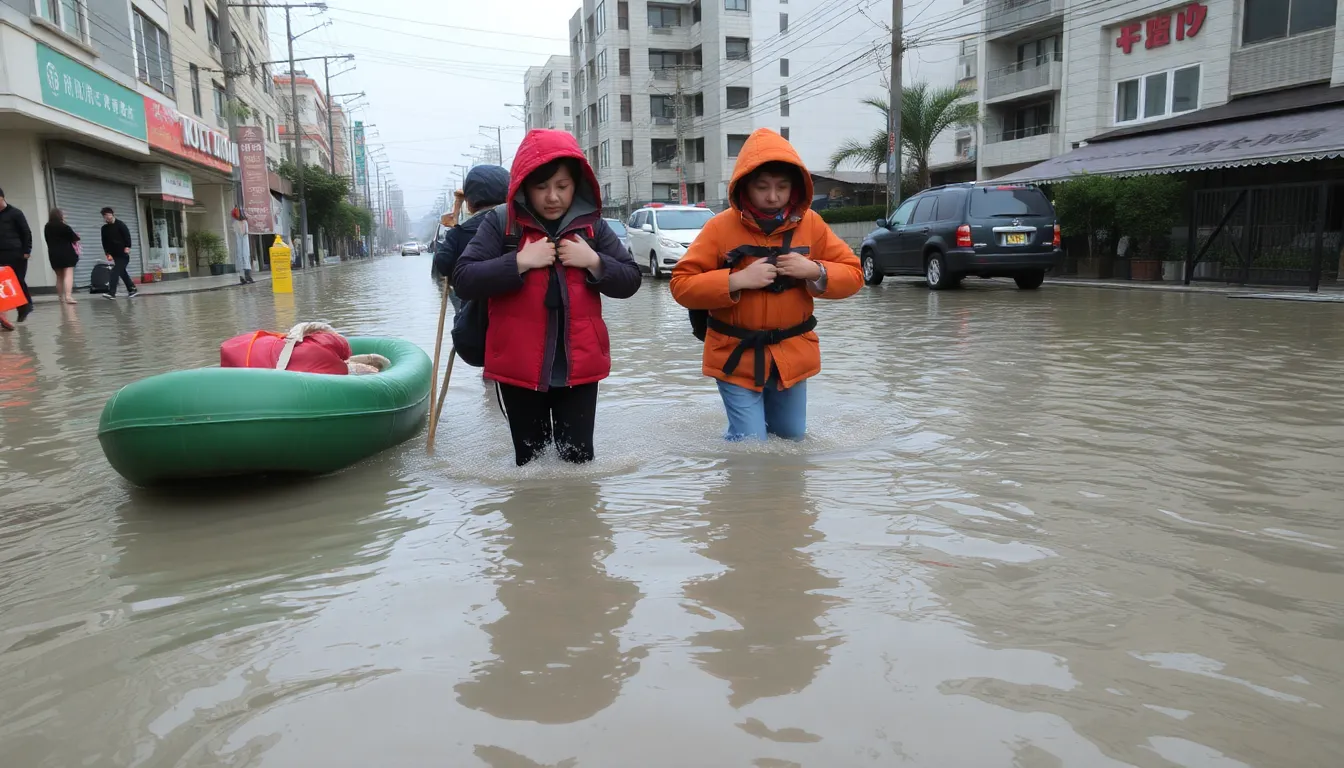
The Industrial Revolution marked a turning point in human interaction with the environment, as the burning of fossil fuels began to release significant amounts of greenhouse gases into the atmosphere. This period saw a rapid increase in carbon dioxide levels, which have continued to rise, leading to global warming. As temperatures increase, the atmosphere holds more moisture, resulting in heavier precipitation during winter months. This phenomenon has been documented across various regions, with many areas experiencing record-breaking rainfall.
Politically, the response to climate change has been varied, with some governments taking proactive measures to mitigate its effects, while others remain resistant to acknowledging the crisis. International agreements, such as the Paris Agreement, aim to unite countries in the fight against climate change, yet progress has been slow. Economic interests often clash with environmental concerns, complicating efforts to implement sustainable practices that could alleviate the severity of extreme weather events.
The impact of urbanization
Urbanization has also played a crucial role in exacerbating flooding. As cities expand, natural landscapes are replaced with impervious surfaces, such as concrete and asphalt, which prevent water from being absorbed into the ground. This increased runoff leads to higher flood risks during heavy rainfall events. Historical cases, such as the devastating floods in New Orleans during Hurricane Katrina, highlight the urgent need for improved infrastructure and planning to adapt to changing climatic conditions.
As we look to the future, understanding the interplay between climate change, political action, and urban development is essential. The patterns we observe today are not merely anomalies; they represent a significant shift in our climate system that requires immediate attention and action to mitigate the impacts of wetter winters and frequent flooding.
Identifying the stakeholders affected by flooding and climate change
As climate change leads to wetter winters and increased flooding, a variety of stakeholders are impacted, each with their own interests and concerns. These stakeholders include local communities, government agencies, environmental organizations, and businesses. Understanding their roles and perspectives is crucial for addressing the challenges posed by these environmental changes.
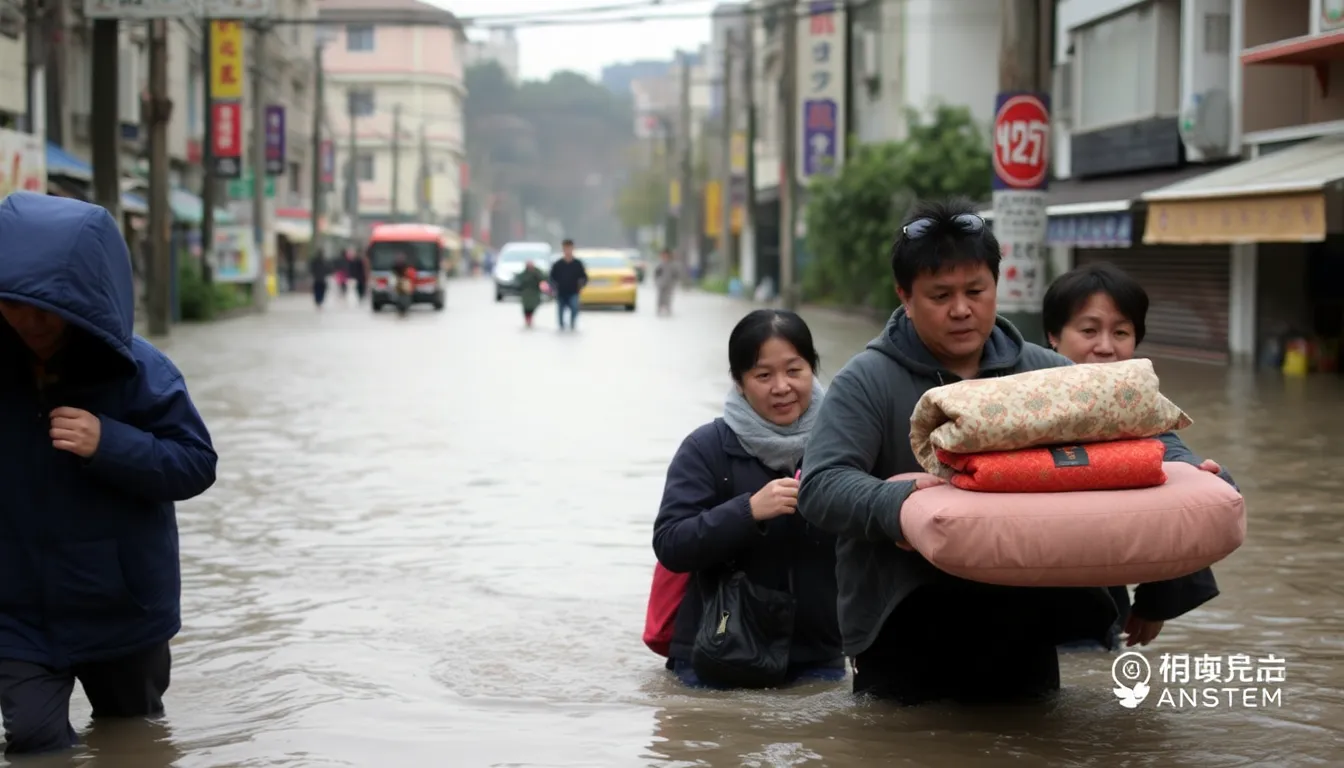
Local communities are often the most directly affected by flooding. Residents in flood-prone areas face property damage, displacement, and threats to their safety. Their primary interest lies in securing adequate flood protection measures and support for recovery efforts. Additionally, there is a growing concern among these communities about the long-term viability of their homes and livelihoods as climate patterns shift.
Government agencies at various levels are also key players in this issue. Local governments are responsible for emergency response and infrastructure maintenance, while state and federal agencies focus on broader policy frameworks and funding for disaster relief. Conflicts may arise between different levels of government regarding resource allocation and the prioritization of projects aimed at mitigating flood risks.
- Environmental organizations advocate for sustainable practices and policies that address the root causes of climate change, often pushing for stricter regulations on land use and development.
- Businesses in sectors such as agriculture, real estate, and insurance are affected by flooding, leading to trade-offs between economic growth and environmental sustainability.
- Insurance companies face increased claims from flood damage, prompting discussions about the affordability and availability of flood insurance in high-risk areas.
Legal issues also play a significant role in the stakeholders’ interactions. Property rights, zoning laws, and liability concerns can lead to disputes among landowners, developers, and local governments. As climate impacts become more pronounced, these legal frameworks may need to evolve to better accommodate the realities of a changing environment.
Assessing the impact of flooding on communities and economies
The increasing frequency of wetter winters and flooding events poses significant challenges to various groups, industries, and regions. Communities situated in flood-prone areas are particularly vulnerable, as they face immediate threats to their homes, infrastructure, and overall quality of life. Additionally, agricultural sectors in these regions may experience crop damage and soil erosion, leading to food supply disruptions.
Short-term impacts include disruptions to daily life, such as road closures, power outages, and emergency evacuations. Local businesses may suffer from decreased foot traffic and damage to property, while emergency services are stretched thin, focusing on rescue and recovery efforts. The psychological toll on affected residents can also lead to increased anxiety and mental health issues.
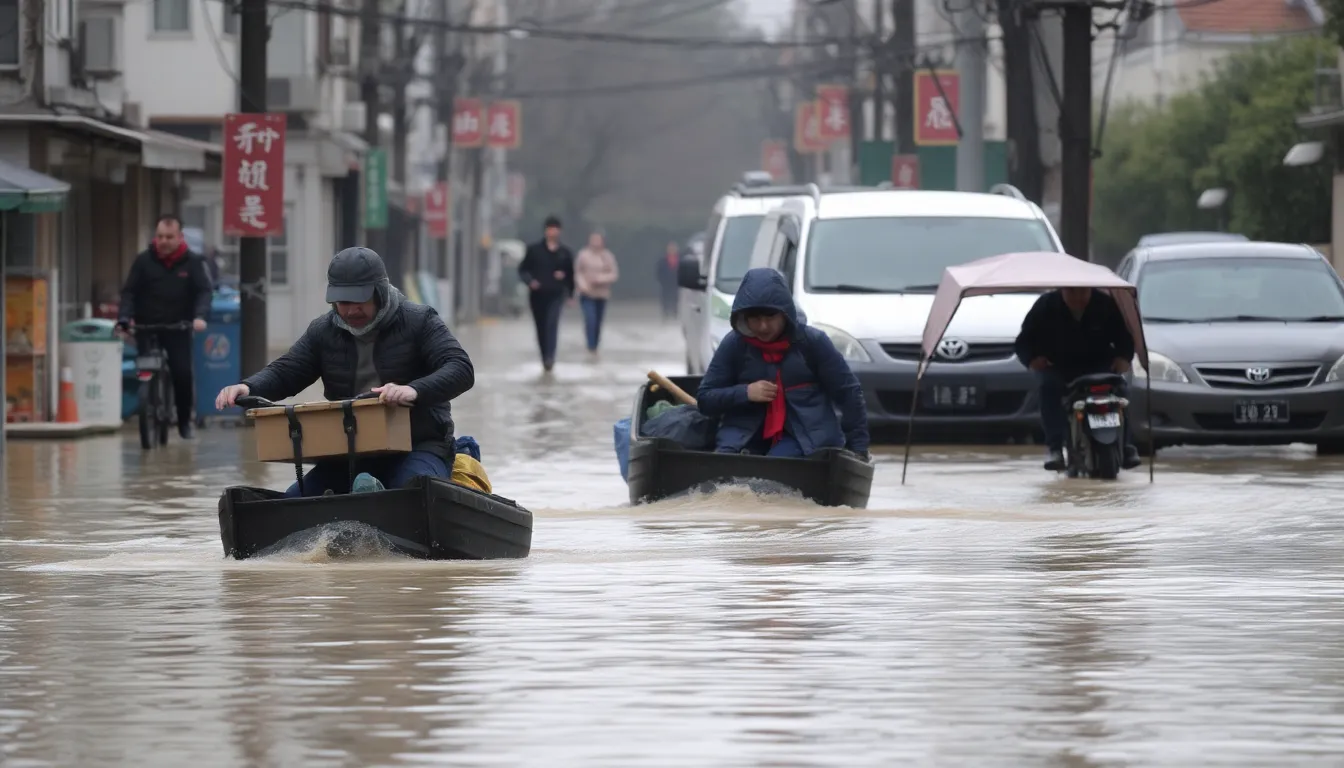
In the mid-term, the economic repercussions could extend beyond immediate recovery costs. Industries such as tourism, real estate, and agriculture may face long-lasting effects, as potential investors and visitors may be deterred by the risk of future flooding. Policy responses may also shift, with governments prioritizing infrastructure investments and flood mitigation strategies, which could redirect funds from other essential services.
- Risk of property damage: Increased flooding can lead to significant financial losses for homeowners and businesses.
- Disruption to supply chains: Flooding can halt transportation and logistics, affecting various industries.
- Policy shifts: Governments may implement stricter building regulations and invest in flood defenses.
- Opportunities for innovation: Companies focusing on sustainable building practices and flood-resistant technologies may find new markets.
While the risks associated with frequent flooding are substantial, there are also potential opportunities for communities and businesses to adapt. Investments in green infrastructure, such as wetlands restoration and permeable pavements, can enhance resilience while providing economic benefits. Additionally, the demand for flood management solutions may spur growth in sectors focused on environmental technology and sustainability.
A: Wetter winters are primarily caused by climate change, which leads to increased evaporation and moisture in the atmosphere. This results in more precipitation during winter months. A: Flooding events have become more frequent in recent years due to changing weather patterns and increased rainfall. Historical data indicates a significant rise in such occurrences. A: Yes, coastal areas and regions with poor drainage systems are particularly vulnerable to flooding. Climate change exacerbates these risks, making some areas more prone to severe flooding. A: Communities can implement better drainage systems, create flood barriers, and develop emergency response plans to mitigate the impact of flooding. Public awareness and education are also crucial. A: While climate change is a significant factor, other elements like natural climate variability and urbanization also play roles in altering winter weather patterns.
Frequently asked questions about wetter winters and flooding
Key takeaways and future outlook on flooding trends
As climate patterns shift, the increasing frequency of wetter winters and flooding events presents significant challenges for communities and infrastructure. Understanding these trends is crucial for effective planning and response strategies. Stakeholders must adapt to a landscape where extreme weather events are becoming the norm rather than the exception.
Looking ahead, it is essential to monitor the evolving climate data and invest in resilient infrastructure to mitigate the impacts of potential flooding. Communities should be prepared for more frequent and severe weather events, which will require a proactive approach to urban planning and disaster management.
- Invest in Infrastructure: Upgrading drainage systems and flood defenses will be critical in managing increased rainfall and flooding risks.
- Enhance Emergency Preparedness: Communities should develop and regularly update emergency response plans to address potential flooding scenarios.
- Promote Sustainable Practices: Implementing green infrastructure, such as permeable surfaces and urban green spaces, can help absorb excess rainfall.
- Monitor Climate Trends: Continuous tracking of weather patterns will aid in predicting flooding events and informing policy decisions.
- Engage the Community: Raising awareness and involving local populations in flood preparedness initiatives can strengthen resilience against flooding impacts.