


The development follows a series of public appearances by Ju Ae, where she has been showcased alongside her father during key events, including missile tests and military parades. These appearances are seen as a strategic effort to groom her for a leadership role, signaling a departure from previous norms where male heirs were prioritized. The timing of this announcement coincides with North Korea’s ongoing military advancements and diplomatic isolation, making it a pivotal moment akin to transformative shifts in other geopolitical landscapes.
This decision has raised concerns among international observers regarding the stability of the regime. Some experts argue that placing a teenager in such a pivotal role could lead to internal power struggles and uncertainty within the ruling elite. Additionally, the move may provoke further scrutiny and sanctions from the international community, particularly from the United States and South Korea, who have long been engaged in discussions about regional security dynamics.
As North Korea continues to develop its nuclear capabilities and engage in provocative military exercises, the implications of this leadership choice could have far-reaching effects on regional security. The international community will be closely monitoring how this potential succession plan unfolds and its impact on North Korea’s foreign relations and domestic policies.
Understanding the background of North Korea’s leadership succession
North Korea has long been characterized by a dynastic leadership structure, with power concentrated in the hands of the Kim family since the country’s founding in 1948. Kim Il-sung, the first leader, established a cult of personality and a centralized political system that has persisted through his son Kim Jong-il and now his grandson, Kim Jong-un. This hereditary succession has created a unique political landscape where loyalty to the leader is paramount, and the ruling family is seen as the embodiment of the state.
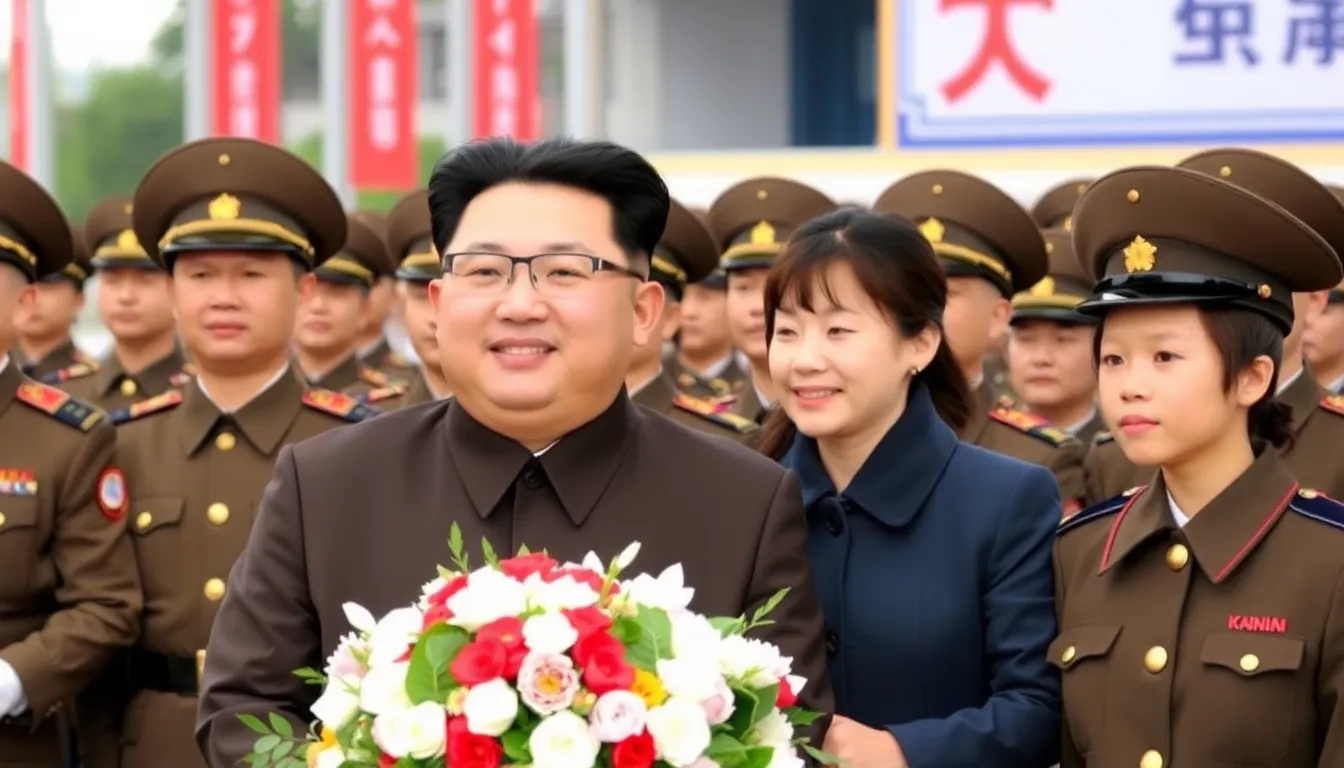
In recent years, there have been increasing speculations regarding the future of North Korea’s leadership, particularly given Kim Jong-un’s health concerns and the regime’s efforts to solidify its power. The announcement of his daughter as a potential heir marks a significant moment in North Korean politics, as it suggests a continuation of the dynastic rule that has defined the nation for decades. This move could also be a strategic decision by Kim Jong-un to strengthen his family’s legacy and ensure a smooth transition of power, similar to other notable political legacies.
The Role of Women in North Korean Leadership
Historically, women have played limited roles in North Korean politics, with leadership positions predominantly occupied by men. However, Kim Jong-un’s daughter, believed to be named Ju-ae, has been increasingly visible in state affairs, suggesting a shift in this traditional dynamic. This change may reflect broader social transformations within North Korea, where the regime seeks to project a modern image while maintaining its grip on power. By positioning his daughter as a potential successor, Kim Jong-un may be attempting to consolidate support from both domestic and international audiences.
The political landscape of North Korea is also influenced by external factors, including its relationships with South Korea and the United States. The ongoing tensions and negotiations surrounding denuclearization and sanctions have created an environment where leadership stability is crucial. As Kim Jong-un navigates these challenges, the designation of a successor could be seen as a way to reassure the regime’s supporters and deter potential threats to its authority.
In summary, Kim Jong-un’s choice of his daughter as a potential heir reflects the complexities of North Korean politics, the legacy of dynastic leadership, and the evolving role of women in a traditionally patriarchal society. The implications of this decision will be closely monitored by both domestic and international observers as they assess the future trajectory of the North Korean regime.
Analyzing the implications of a young successor in North Korean politics
The recent announcement by North Korean leader Kim Jong Un regarding the selection of his teenage daughter as his potential heir has sent ripples through the geopolitical landscape. This decision not only raises questions about the future leadership of North Korea but also highlights the interests and concerns of various stakeholders involved, including the North Korean regime, neighboring countries, and international powers.
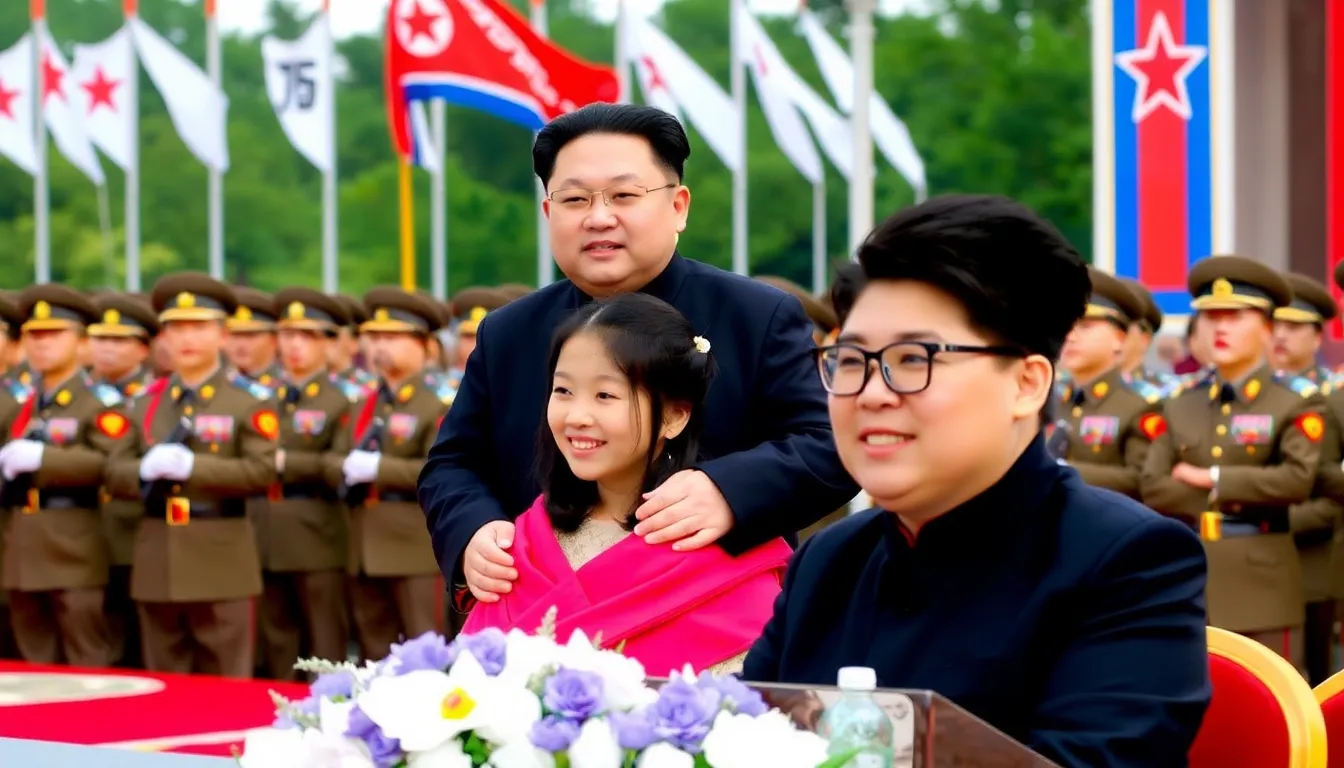
One of the primary actors in this scenario is the Kim family, particularly Kim Jong Un and his daughter, Ju Ae. Their interests revolve around consolidating power and ensuring a smooth transition of leadership. By positioning his daughter as a successor, Kim Jong Un may aim to strengthen the legitimacy of his regime, especially amidst growing internal and external pressures. This move could also be seen as a way to reinforce dynastic rule, which has been a hallmark of North Korean governance.
Neighboring countries, particularly South Korea and Japan, are closely monitoring this development. The South Korean government, in particular, is concerned about the implications of a young and potentially inexperienced leader taking the helm in Pyongyang. This scenario could lead to instability in the region, as a younger leader may pursue unpredictable policies or escalate military tensions. Additionally, the United States, as a key player in the region, has its own interests in maintaining security and stability on the Korean Peninsula.
- Potential instability: The selection of a young successor may lead to power struggles within the North Korean elite, creating uncertainty about the regime’s stability.
- Regional security concerns: South Korea and Japan may feel compelled to enhance their military readiness in response to a potentially volatile North Korean leadership.
- International diplomatic challenges: The U.S. and its allies may face difficulties in negotiating with a new, untested leader, complicating efforts to address nuclear disarmament and human rights issues.
In conclusion, the decision to elevate Kim Jong Un’s daughter as a potential heir introduces a complex set of dynamics that could reshape North Korea’s political landscape and its relations with the world. Stakeholders must navigate these changes carefully, weighing their interests against the potential risks that accompany a shift in leadership.
Potential impacts on North Korea and the international community
Kim Jong Un’s decision to name his teenage daughter as his heir marks a significant shift in North Korean leadership dynamics. This move is likely to affect various groups, including the North Korean elite, international policymakers, and neighboring countries in East Asia. The announcement could lead to a realignment of power within the regime, as factions may vie for influence or support from the new heir.
In the short term, daily life for North Koreans may remain largely unchanged, as the regime is expected to maintain its current policies. However, the mid-term effects could include increased scrutiny from the international community, particularly regarding human rights and nuclear policies. The succession may also prompt neighboring countries, such as South Korea and Japan, to reassess their security strategies in light of a potentially less predictable leadership.
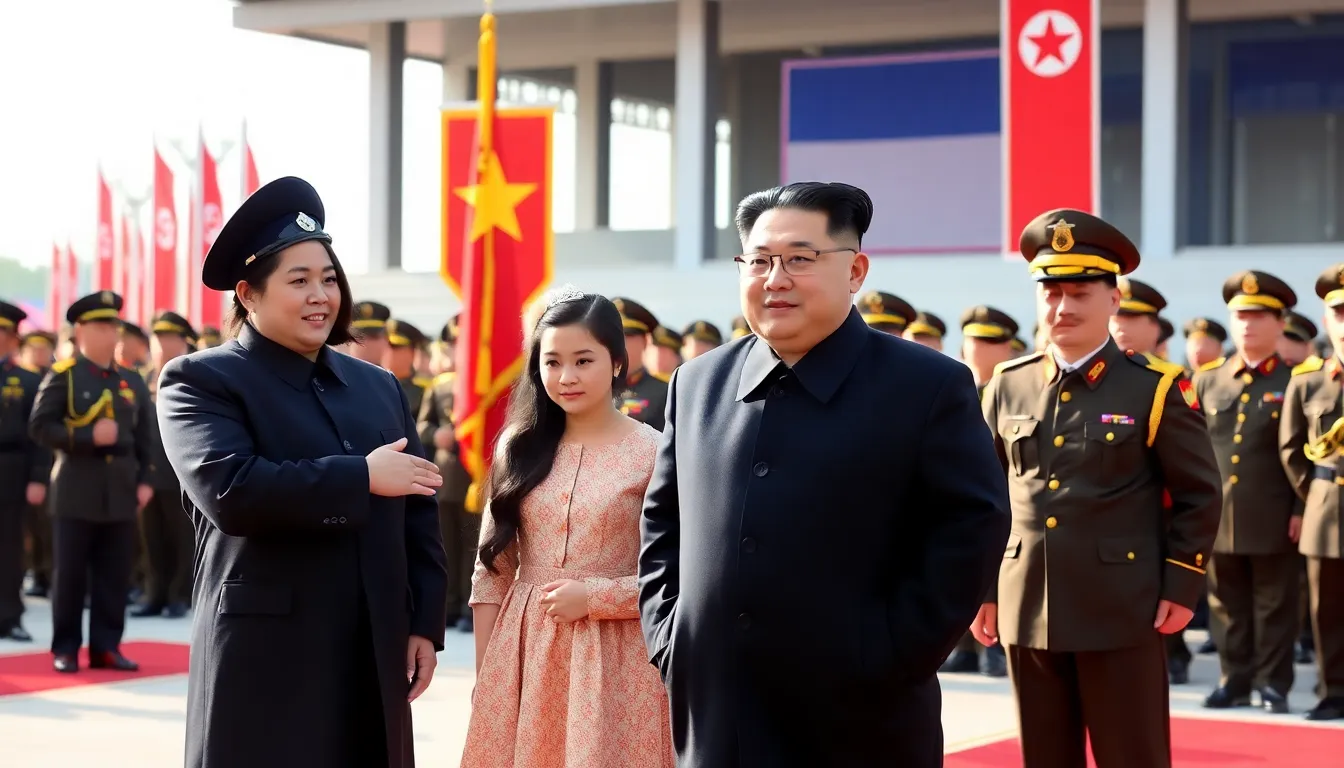
From a business perspective, the announcement could create both risks and opportunities. Businesses that engage with North Korea, particularly in sectors like agriculture and energy, may face uncertainty as the new leadership consolidates power. Conversely, there may be opportunities for foreign investment if the regime seeks to stabilize its economy and improve relations with the outside world.
- Increased political tension: Heightened concerns among international stakeholders regarding North Korea’s nuclear ambitions.
- Regional security realignment: Neighboring countries may boost military preparedness in response to potential instability.
- Economic uncertainty: Foreign businesses may hesitate to invest until the new leadership’s policies are clearer.
- Potential for reform: If the new heir seeks to modernize the economy, there could be new avenues for trade and investment.
Overall, the impact of this succession decision will unfold over time, with the potential for both challenges and opportunities as the international community watches closely to see how Kim Jong Un’s daughter navigates her new role.
A: Kim Jong Un’s daughter is believed to be named Ju Ae, and she has been seen accompanying her father at various public events. A: The selection of a young heir could signify a shift in North Korean politics, potentially leading to a new generation of leadership. A: Reactions have been mixed, with some analysts expressing concern over the stability of North Korea under a young leader. A: Yes, dynastic succession has been a hallmark of North Korean leadership since its founding, with Kim Jong Un following in the footsteps of his father and grandfather. A: A teenage leader may lack the experience needed for effective governance, raising concerns about decision-making and stability.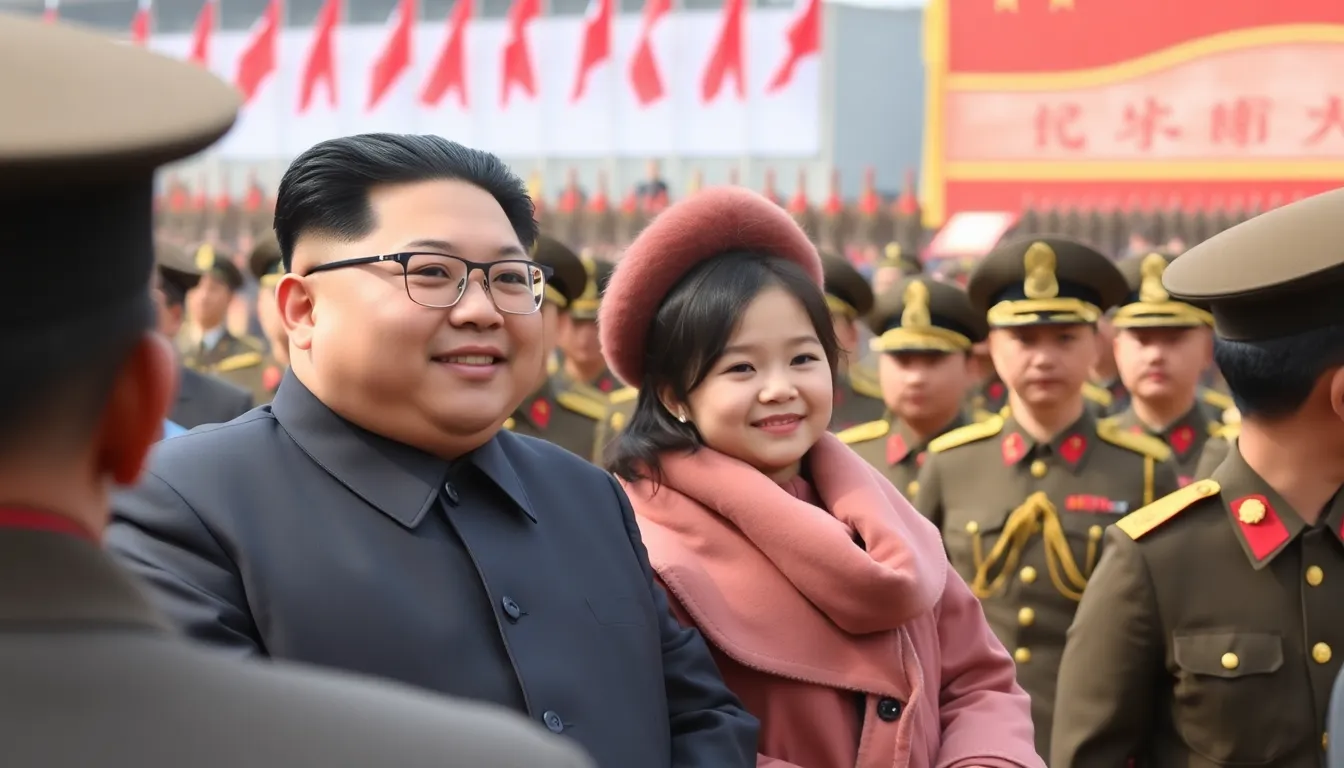
Frequently asked questions about Kim Jong Un’s heir
Key takeaways and future outlook on North Korea’s leadership
The recent announcement from Seoul regarding Kim Jong Un’s choice of his teenage daughter as his potential heir marks a significant moment in North Korea’s political landscape. This development suggests a strategic move by Kim to consolidate power within his family and ensure a continuation of his regime’s policies. Observers are now closely analyzing the implications of this decision, particularly in terms of domestic governance and international relations.
As North Korea faces ongoing economic challenges and international scrutiny, the emergence of a young leader could signal both continuity and change. It raises questions about the future direction of the regime, the role of youth in leadership, and how this might affect North Korea’s interactions with the global community.
- The potential for a generational shift in leadership may lead to new policies or approaches, particularly in economic management and diplomacy.
- International stakeholders should monitor how this decision impacts North Korea’s nuclear strategy and relations with neighboring countries.
- The focus on a younger heir might influence internal power dynamics, especially among the military and party elites.
- The global community should prepare for possible changes in North Korea’s engagement strategies, which could either escalate tensions or create opportunities for dialogue.