


The label’s success can be attributed to a strategic focus on diverse musical styles and innovative marketing approaches. By embracing genres ranging from pop to R&B, Island Records has been able to attract a broad demographic, resonating particularly with younger listeners who are eager for authenticity and originality in their music. This approach mirrors trends seen in recent entertainment announcements, such as Jac Schaeffer’s overall deal with Amazon.
Key industry events, such as the recent music festivals and award shows, have further amplified the visibility of these artists. Their performances have not only garnered critical acclaim but have also led to increased streaming numbers and social media engagement, solidifying their places in the mainstream music scene.
As a result, Island Records has seen a significant uptick in its market share and brand recognition. The label’s executives attribute this rapid growth to a commitment to nurturing talent and creating a supportive environment where artists can thrive, ultimately driving the label’s momentum forward.
The historical significance of Island Records in the music industry
Founded in 1959 by Chris Blackwell, Island Records emerged as a pioneering force in the music industry, initially focusing on reggae and folk music. The label played a crucial role in introducing Caribbean music to mainstream audiences, notably through the works of artists like Bob Marley and the Wailers. This early commitment to diverse genres set the stage for Island’s reputation as a home for innovative and boundary-pushing music.
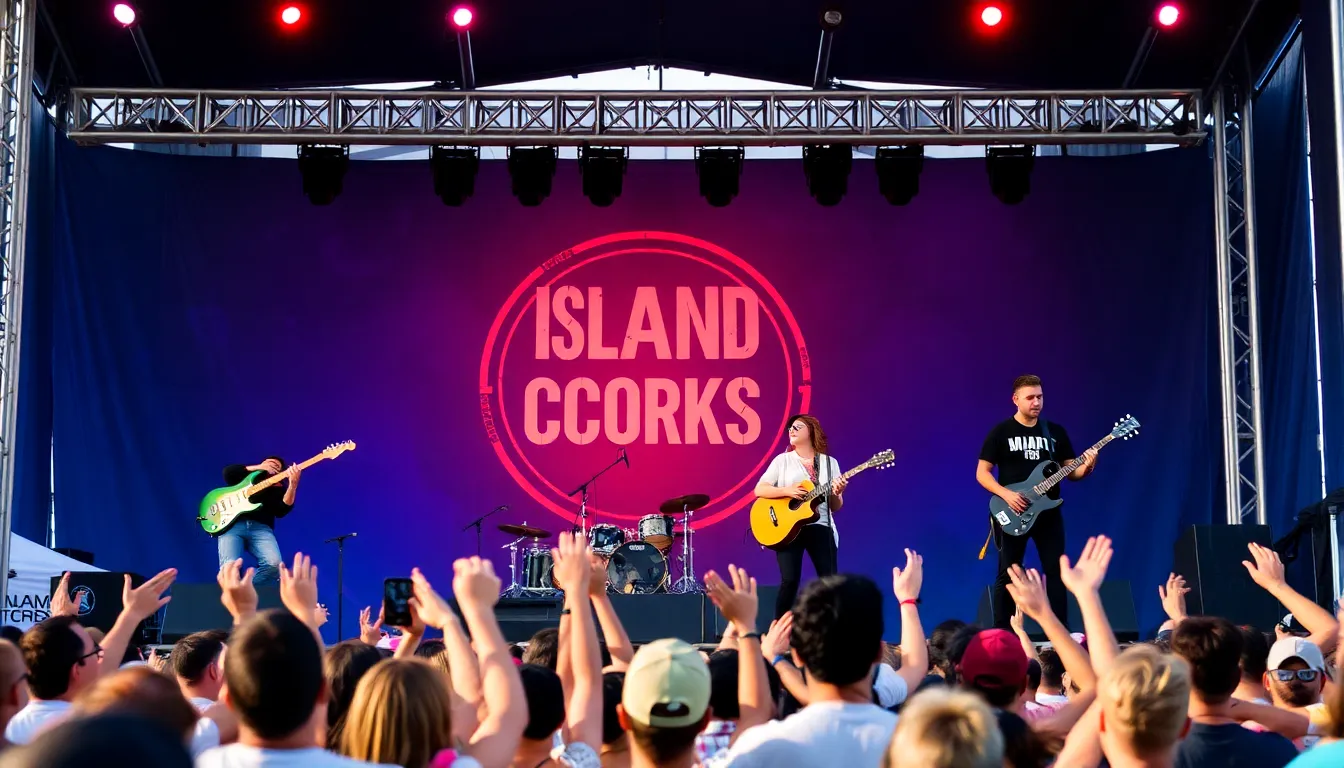
Throughout the 1970s and 1980s, Island Records expanded its roster to include rock and pop legends, such as U2 and Grace Jones. This diversification not only solidified its status as a major label but also reflected broader cultural shifts in music consumption, as the rise of rock and pop demanded new sounds and artistic expressions. The label’s ability to adapt to changing musical landscapes contributed to its longevity and relevance in the industry.
The rise of a new generation
In recent years, Island Records has experienced a renaissance with a new generation of artists, including Sabrina, Chappell, Olivia Dean, and Lola Young. These artists represent a shift towards more inclusive and diverse musical narratives, resonating with younger audiences who seek authenticity and representation in music. The label’s strategic focus on cultivating talent from varied backgrounds has not only revitalized its brand but also positioned it as a leader in the evolving music scene, much like how Josef Fares announced his new game to cater to a diverse gaming audience.
The economic landscape of the music industry has also played a significant role in Island’s resurgence. With the advent of digital streaming platforms, the way music is produced, distributed, and consumed has transformed dramatically. Island Records has adeptly navigated these changes, utilizing social media and streaming services to promote its artists and reach wider audiences. This adaptability has been key to the label’s rapid ascent in a competitive market, much like the evolution seen in various entertainment mediums, as detailed in the Wuthering Heights review.
As Island Records continues to grow, its historical legacy combined with a forward-thinking approach allows it to remain a vital player in the music industry. By fostering new talent and embracing the changing dynamics of music consumption, the label is not only honoring its past but also shaping the future of the industry.
Key stakeholders and their influence on the label’s success
Island Records has rapidly ascended in the music industry, largely due to the strategic involvement of key stakeholders such as artists, management, and the parent company, Universal Music Group. Each of these actors plays a crucial role in shaping the label’s trajectory and overall success.

At the forefront, artists like Sabrina, Chappell, Olivia Dean, and Lola Young are not only the face of the label but also critical drivers of its creative direction and public image. Their individual styles and musical innovations attract diverse audiences, which in turn boosts the label’s marketability. However, this artist-centric approach can lead to conflicts over creative control and revenue sharing, as each artist seeks to assert their unique identity while aligning with the label’s broader vision.
Management teams also hold significant sway over the label’s operations and strategic decisions. Their interests often revolve around maximizing profitability and ensuring sustainable growth. This can lead to trade-offs between nurturing artistic freedom and pursuing commercially viable projects. Additionally, the management’s ability to negotiate contracts and foster relationships with streaming platforms is vital in an industry increasingly driven by digital consumption.
- Economic issues: The shift towards streaming has altered revenue models, affecting how artists are compensated and how labels structure their deals.
- Legal challenges: Intellectual property rights and contract disputes can arise, particularly as artists seek to protect their creative outputs.
- Market competition: The rise of independent labels and self-releasing artists creates a competitive landscape that can impact Island Records’ market share.
- Audience engagement: Understanding and adapting to audience preferences is crucial for maintaining relevance in a fast-paced industry.
Finally, the influence of Universal Music Group cannot be understated. As the parent company, it provides the financial backing and resources necessary for marketing, distribution, and global reach. However, this relationship can also introduce pressures related to corporate objectives that may not always align with the artistic goals of the label and its artists.
The impact of Island Records’ growth on emerging artists and the market
The recent surge in popularity of Island Records, driven by artists like Sabrina, Chappell, Olivia Dean, and Lola Young, has significant implications for various groups and the broader music industry. Emerging artists stand to benefit from the label’s newfound prominence, as it creates a more vibrant platform for diverse musical expressions and styles.
In the short term, the rise of Island Records could lead to increased visibility for new artists, which may result in higher streaming numbers and concert attendance. This influx of talent can invigorate local music scenes, particularly in urban areas known for their cultural contributions. Additionally, the label’s success may prompt other record labels to invest more heavily in emerging artists, fostering a more competitive and innovative environment.

However, there are risks associated with this rapid growth. The pressure to produce chart-topping hits can lead to burnout among artists, and the commercial focus may overshadow artistic integrity. Moreover, the influx of new talent could saturate the market, making it challenging for individual artists to stand out.
- Opportunities: Increased collaboration between artists and producers, leading to innovative music styles.
- Risks: Potential for market saturation and artist burnout.
- Impact on local economies: Boost in local venues and related businesses due to increased concert activity.
In the mid-term, the influence of Island Records could extend to policy changes within the industry, as record labels may advocate for more equitable revenue-sharing models that benefit artists. As the label continues to grow, its practices may set new standards for how emerging artists are supported and promoted, potentially reshaping the landscape of the music business.
A: The label’s success can be attributed to a combination of innovative marketing strategies, the rise of its talented artists, and a strong social media presence that resonates with younger audiences. A: Sabrina, Chappell, Olivia Dean, and Lola Young are at the forefront of this new dynasty, each bringing unique styles and perspectives that appeal to diverse listeners. A: Island Records provides comprehensive support through creative collaborations, promotional campaigns, and access to industry resources that help artists thrive. A: The label faces challenges such as intense competition from other labels, changing consumer preferences, and the need to continuously innovate in a fast-paced industry.
Frequently asked questions about Island Records’ new direction
Key insights and future outlook for Island Records
The rapid ascent of Island Records, led by a dynamic roster including Sabrina, Chappell, Olivia Dean, and Lola Young, signals a transformative phase in the music industry. The label’s ability to attract and nurture diverse talent reflects a strategic shift towards inclusivity and innovation, positioning it as a frontrunner in the contemporary music landscape. This evolution is not merely about individual artists but represents a broader cultural movement that resonates with a global audience.
As the industry continues to evolve, Island Records’ approach offers valuable lessons on adaptability and audience engagement. Monitoring their strategies will provide insights into how labels can thrive in an increasingly competitive market, especially as emerging artists gain prominence and redefine traditional norms.
- Diversity in Talent: The success of Island Records underscores the importance of showcasing a wide range of musical styles and backgrounds, appealing to a broader demographic.
- Innovative Marketing Strategies: The label’s ability to leverage social media and digital platforms effectively highlights the need for modern marketing techniques in reaching audiences.
- Collaboration and Community Building: Fostering partnerships among artists can lead to unique collaborations that enhance visibility and engagement.
- Focus on Artist Development: Investing in the growth of emerging artists is crucial for long-term success and sustainability in the music industry.
- Adapting to Industry Trends: Keeping a pulse on shifting consumer preferences and technological advancements will be essential for remaining competitive.