


As the film industry grapples with evolving audience expectations and the rise of streaming platforms, Wenders’ perspective sheds light on the broader conversation about the purpose of storytelling in contemporary society. For further insight, you can read about how Ai Weiwei discusses his return to China and views on AI and censorship.
Recent festivals, such as the Cannes Film Festival held in May 2023, showcased a diverse array of films that reflect societal issues without necessarily advocating for political solutions. This trend highlights a shift where filmmakers like Wenders focus on emotional and existential narratives that encourage viewers to reflect on their own lives, rather than rallying for political agendas.
Furthermore, Wenders’ remarks come at a time when the industry is witnessing a resurgence of interest in documentary films, which often tackle pressing social issues while maintaining a focus on personal stories. This approach may resonate more with audiences seeking connection and understanding in an increasingly polarized world, suggesting that the role of cinema may be evolving towards fostering empathy rather than inciting political action.
Understanding the background of Wim Wenders’ perspective
Wim Wenders, a prominent filmmaker known for his thought-provoking narratives and visual storytelling, has long been an advocate for the power of cinema. His assertion that “movies can change the world but not in a political way” invites a deeper exploration of the role film plays in society, akin to the perspectives shared by Ai Weiwei on art and societal issues.

The evolution of cinema has been intertwined with significant historical events, from the rise of propaganda films during World War II to the countercultural movements of the 1960s. Filmmakers have often used their craft to address societal issues, yet Wenders argues that the true impact of films lies in their ability to evoke empathy and foster understanding rather than to directly alter political landscapes, similar to themes explored in articles on how Africa grapples with the new world order.
The Power of Empathy in Film
Wenders emphasizes that films have the unique capacity to connect audiences with diverse experiences and perspectives. By immersing viewers in the lives of others, cinema can cultivate compassion and encourage dialogue around pressing social issues. This approach has been evident in various films that tackle themes of identity, displacement, and human rights, prompting audiences to reflect on their own beliefs and biases.
Moreover, the economic landscape of the film industry has also shaped its narrative capabilities. Independent filmmakers, like Wenders himself, often operate outside the constraints of mainstream commercial pressures, allowing for more authentic storytelling that prioritizes emotional resonance over political agendas. This independence has led to the creation of films that challenge societal norms and provoke thought, reinforcing Wenders’ belief in the transformative power of cinema.
In conclusion, Wenders’ viewpoint reflects a broader understanding of cinema’s role in society. While films may not directly change political systems, their ability to inspire empathy and provoke thought makes them powerful tools for social change. As audiences engage with these narratives, they are encouraged to reflect on their own roles within the world, ultimately fostering a more compassionate society.
Analyzing the key issues surrounding film’s influence
Wim Wenders, a prominent filmmaker, posits that while movies possess the power to inspire and provoke thought, their influence may not necessarily translate into political change. This perspective invites a deeper examination of the stakeholders involved and the complex dynamics at play within the film industry.
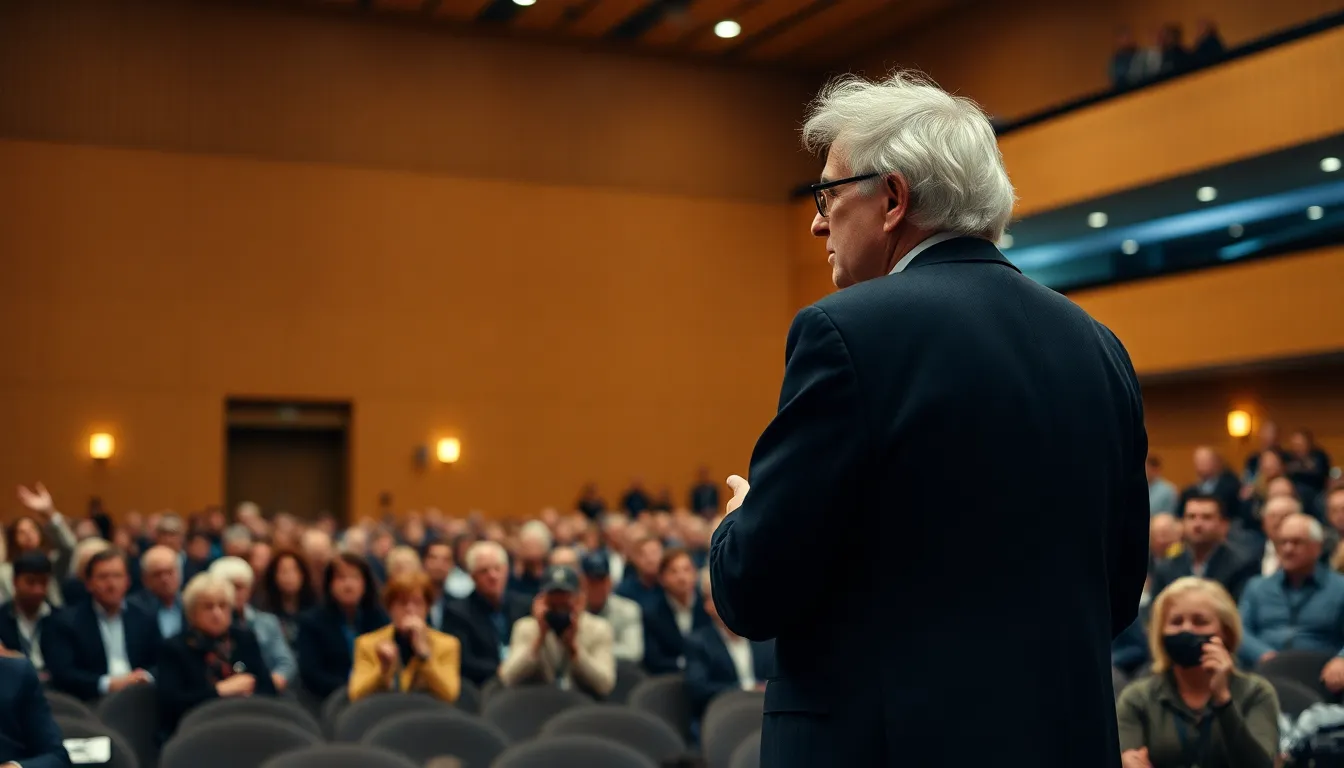
Key actors in this discourse include filmmakers, production companies, audiences, and cultural institutions. Each group has distinct interests that shape their engagement with cinema. Filmmakers, like Wenders, often seek to explore human experiences and societal issues through their art, while production companies may prioritize profitability and marketability over artistic expression.
- Filmmakers: Interested in creative freedom and the ability to convey meaningful narratives.
- Production Companies: Focused on financial returns and audience engagement.
- Audiences: Desire entertainment, representation, and emotional connection through film.
- Cultural Institutions: Aim to promote artistic endeavors and preserve cultural heritage.
Conflicts often arise when the artistic vision of filmmakers clashes with the commercial interests of production companies. For instance, a film that tackles a controversial social issue may struggle to secure funding if it is perceived as too risky or unmarketable. Additionally, the audience’s expectations can create trade-offs; filmmakers may feel pressured to conform to popular trends rather than pursue innovative storytelling.
Legal and economic issues further complicate the landscape. Intellectual property rights, censorship, and distribution regulations can impact how films are made and shared. Moreover, the rise of streaming platforms has shifted the economic model of the film industry, leading to new challenges regarding revenue generation and audience reach.
Identifying the audiences affected by cinematic narratives
Wim Wenders’ assertion that movies can change the world in non-political ways highlights the profound influence of cinematic narratives on various groups and industries. Audiences ranging from film enthusiasts to casual viewers can experience shifts in perspectives and behaviors as a result of the stories portrayed on screen. This impact extends beyond individuals to encompass communities, educational institutions, and even corporate sectors that align themselves with the themes presented in films.
In the short term, the release of impactful films can lead to immediate changes in consumer behavior. For example, films that address social issues can inspire audiences to engage in community service or support related causes. Businesses in sectors such as retail, fashion, and tourism may witness spikes in interest or sales linked to specific films, as consumers seek to emulate styles or experiences depicted in the narratives. Additionally, educational institutions may incorporate themes from popular films into curricula, enhancing student engagement.

Mid-term impacts can be observed in shifts in cultural dialogues and societal norms. Cinematic narratives that challenge stereotypes or promote inclusivity can foster greater understanding and acceptance among diverse groups. This can lead to changes in workplace policies, as companies strive to create more inclusive environments. Moreover, filmmakers and content creators may find new opportunities to explore underrepresented stories, leading to a broader range of voices in the industry.
- Increased community engagement: Audiences may become more active in social causes.
- Market fluctuations: Industries related to fashion and tourism may see short-term boosts.
- Policy shifts: Companies may revise policies to promote inclusivity based on film narratives.
- Emerging storytelling opportunities: Filmmakers may explore diverse and underrepresented narratives.
However, there are also risks associated with this influence. Misinterpretations of cinematic messages can lead to backlash or reinforce negative stereotypes. Additionally, businesses that attempt to capitalize on cinematic trends may face criticism if their efforts are perceived as inauthentic. Balancing the potential for positive change with the responsibility to portray accurate and respectful narratives is crucial in navigating the impact of film on society.
A: Movies influence society by shaping cultural narratives and emotional connections, allowing audiences to reflect on their own experiences. A: Wenders suggests that while films may not directly alter political landscapes, they can inspire personal change and promote empathy. A: Yes, films can raise awareness about social issues and foster discussions that lead to community actions. A: Films like ‘Schindler’s List’ and ’12 Years a Slave’ have sparked conversations about historical injustices and human rights. A: Filmmakers can create social change by telling compelling stories that resonate with audiences and highlight important issues.
Frequently asked questions about movies and their influence
Summarizing the insights on the power of cinema
Wim Wenders’ perspective on cinema highlights the medium’s unique ability to influence society beyond the realm of politics. By focusing on emotional resonance and shared human experiences, films can foster empathy and understanding among diverse audiences. This suggests that the true power of cinema lies not in its capacity to drive political agendas but in its potential to inspire personal reflection and cultural dialogue.
As filmmakers and audiences alike navigate the evolving landscape of storytelling, it becomes essential to recognize the broader implications of cinema’s impact on society. The narratives we choose to amplify can shape perceptions and drive social change in subtle yet profound ways.
- Films can serve as a bridge for cultural exchange, promoting understanding between different communities.
- Storytelling that emphasizes shared human experiences can lead to greater empathy and social cohesion.
- Filmmakers should focus on narratives that inspire personal growth rather than solely political messages.
- Audiences are encouraged to seek out films that challenge their perspectives and provoke thoughtful discussions.
- The evolution of cinema technology can enhance storytelling, making it more accessible and impactful for global audiences.