


The acquisition was made by a prominent music rights management company, which aims to leverage Spears’ extensive discography for various media uses, including film and television placements. This transaction underscores the growing trend of artists opting to sell their music rights as a means of securing financial stability and creative independence.
Spears’ catalogue includes chart-topping singles such as “Toxic” and “Oops!… I Did It Again,” making it a valuable asset in the music industry. The sale not only highlights the enduring popularity of her work but also raises questions about the future of artist rights and the implications of such sales in the digital age.
Industry experts suggest that this move could set a precedent for other artists seeking to reclaim control over their music. As the landscape of music consumption continues to evolve, the decision by Spears may influence how musicians approach their own intellectual property in the years to come.
Understanding the significance of music catalogue sales
The sale of music catalogues has become a notable trend in the music industry, reflecting broader economic and social changes. Artists and their estates are increasingly opting to sell their rights for substantial sums, capitalizing on the growing demand for music in various media, including streaming platforms, films, and advertisements. This shift is particularly significant for artists like Britney Spears, whose catalogue has been a staple of pop culture since the late 1990s.

Historically, the music industry has seen artists struggle to maintain control over their work, often due to contractual obligations that favor record labels. The rise of digital streaming has shifted the power dynamics, leading many artists to reconsider how they monetize their music. In Spears’ case, her tumultuous legal battles over conservatorship and personal autonomy have further highlighted the complexities surrounding ownership and rights in the music industry.
The Evolution of Music Rights
The evolution of music rights is marked by significant milestones. In the early 2000s, the advent of digital downloads began to change how music was consumed, leading to a decline in physical sales. This shift prompted artists to explore new revenue streams, including the sale of their catalogues. In recent years, high-profile sales, such as Bob Dylan’s $400 million deal and Bruce Springsteen’s $500 million sale, have set a precedent, encouraging others to follow suit.
Moreover, the COVID-19 pandemic accelerated the trend of catalogue sales, as artists sought immediate liquidity in uncertain times. The financial implications of such sales are profound, providing artists with a lump sum that can be reinvested or used to secure their financial future. For Britney Spears, selling her catalogue represents not just a financial decision but also a reclaiming of her narrative and artistic independence.
Key stakeholders and implications of the sale
The recent decision by Britney Spears to sell the rights to her entire music catalogue has significant implications for various stakeholders involved in the music industry. The primary actors in this scenario include Spears herself, her management team, the purchasing entity, and her fan base, each with distinct interests and concerns.
Britney Spears, as the artist, is at the center of this transaction. Having faced numerous personal and legal challenges over the years, including a highly publicized conservatorship, her decision to sell may reflect a desire for financial security and autonomy. This sale could provide her with substantial upfront capital, allowing her to invest in new ventures or secure her financial future.
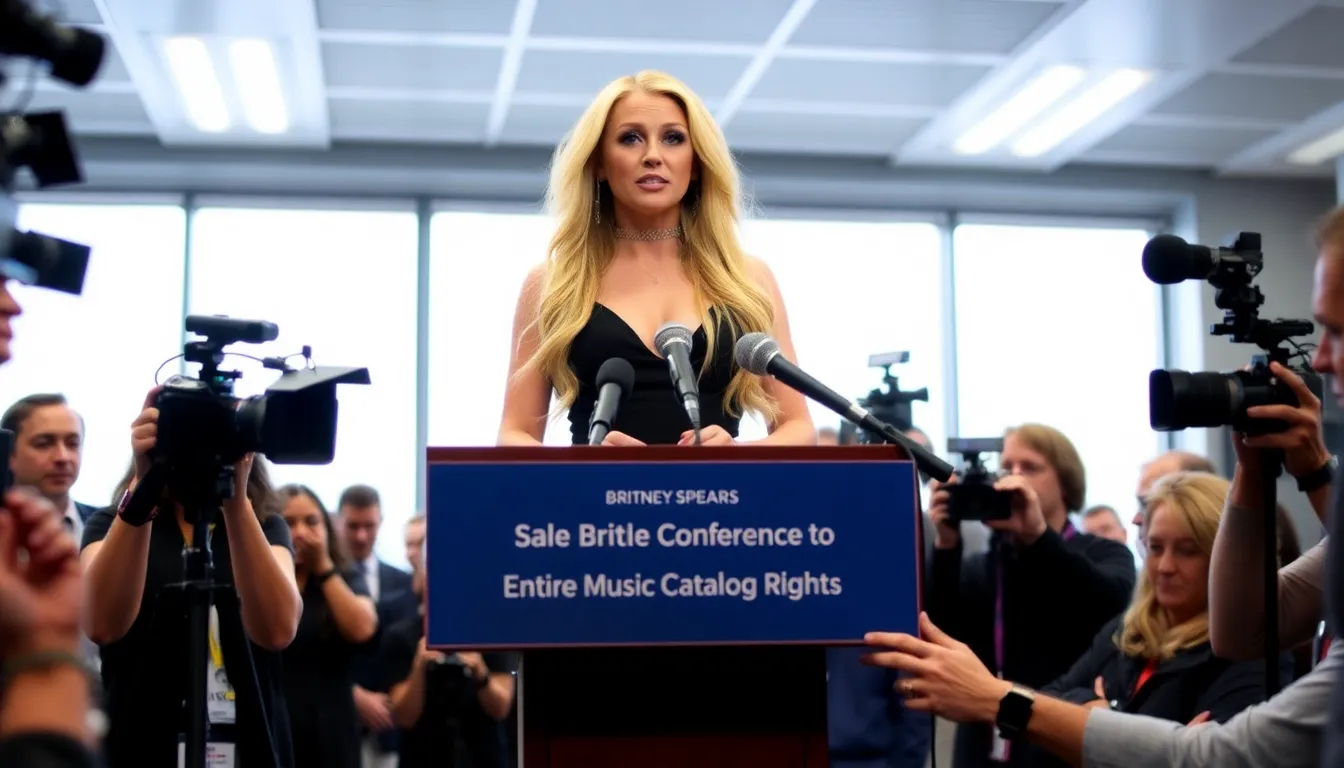
The purchasing entity, likely a music rights management firm or investment group, has its interests rooted in the potential for profit. By acquiring Spears’ catalogue, they gain access to a vast array of her hits, which can be monetized through various channels such as streaming, licensing for commercials, and sync placements in films and television. However, this also raises questions about how they will manage and promote her music moving forward.
- Fan Reactions: Spears’ fan base may have mixed feelings about the sale, as they often feel a deep connection to her music. Some may worry about how the sale could affect the future of her artistic legacy.
- Legal Considerations: The sale involves complex legal agreements, particularly regarding the rights to her music, which may have implications for future royalties and ownership issues.
- Market Trends: This move reflects a broader trend in the music industry, where artists are selling their catalogues for significant sums, highlighting the changing dynamics of music ownership and revenue generation.
Moreover, the economic implications of this sale extend beyond Spears and the purchasing entity. The transaction may influence market valuations of other artists’ catalogues, potentially leading to a surge in similar sales as artists seek to capitalize on their work amidst evolving industry conditions. As the landscape of music ownership continues to shift, stakeholders must navigate the balance between artistic integrity and financial viability.
How this sale affects Britney and the music market
The recent decision by Britney Spears to sell the rights to her entire music catalogue marks a significant moment in the music industry, impacting various stakeholders. Fans, fellow artists, music publishers, and streaming platforms are among those who will feel the effects of this transaction.
In the short term, Spears’ sale could lead to increased visibility for her music, as the new rights holders may invest in marketing campaigns to revitalize her back catalog. This could also spark renewed interest in her work, potentially leading to a resurgence in streaming numbers and physical sales. Additionally, other artists may follow suit, creating a trend where musicians prioritize the monetization of their catalogues.
Mid-term impacts may include shifts in how music rights are valued and traded. As more artists consider selling their rights, the market could see increased competition among buyers, driving up prices and altering the landscape for music investments. This could also lead to changes in policy regarding copyright and royalties, as stakeholders adapt to a new norm in music ownership.

- Fans: Increased access to remastered versions and new content.
- Artists: Potential inspiration to monetize their own catalogues.
- Investors: Opportunities to invest in music rights as a growing asset class.
However, there are risks associated with this sale. For instance, if the new rights holders do not manage the catalogue effectively, it could lead to a decline in the brand value of Spears’ music. Additionally, the commodification of music rights may raise concerns about artistic integrity and the long-term implications for artists’ control over their work.
A: Britney Spears decided to sell her music catalogue as part of a broader trend among artists seeking financial security and control over their work. This move allows her to capitalize on her past successes while potentially opening new opportunities. A: The buyer of Britney Spears’ music rights has not been publicly disclosed yet, but such transactions often involve music publishing companies or investment firms specializing in artist catalogues. A: Selling her music catalogue does not necessarily impact Britney’s ability to create new music. She can still produce and release new material, but the ownership of her past works will now belong to the buyer. A: Britney’s sale is part of a growing trend where artists like Bob Dylan and Taylor Swift have also sold their catalogues, often for substantial sums, reflecting the increasing value of music rights in the digital age. A: Typically, once an artist sells their music rights, they no longer receive royalties from those works. However, specific terms can vary based on the sale agreement.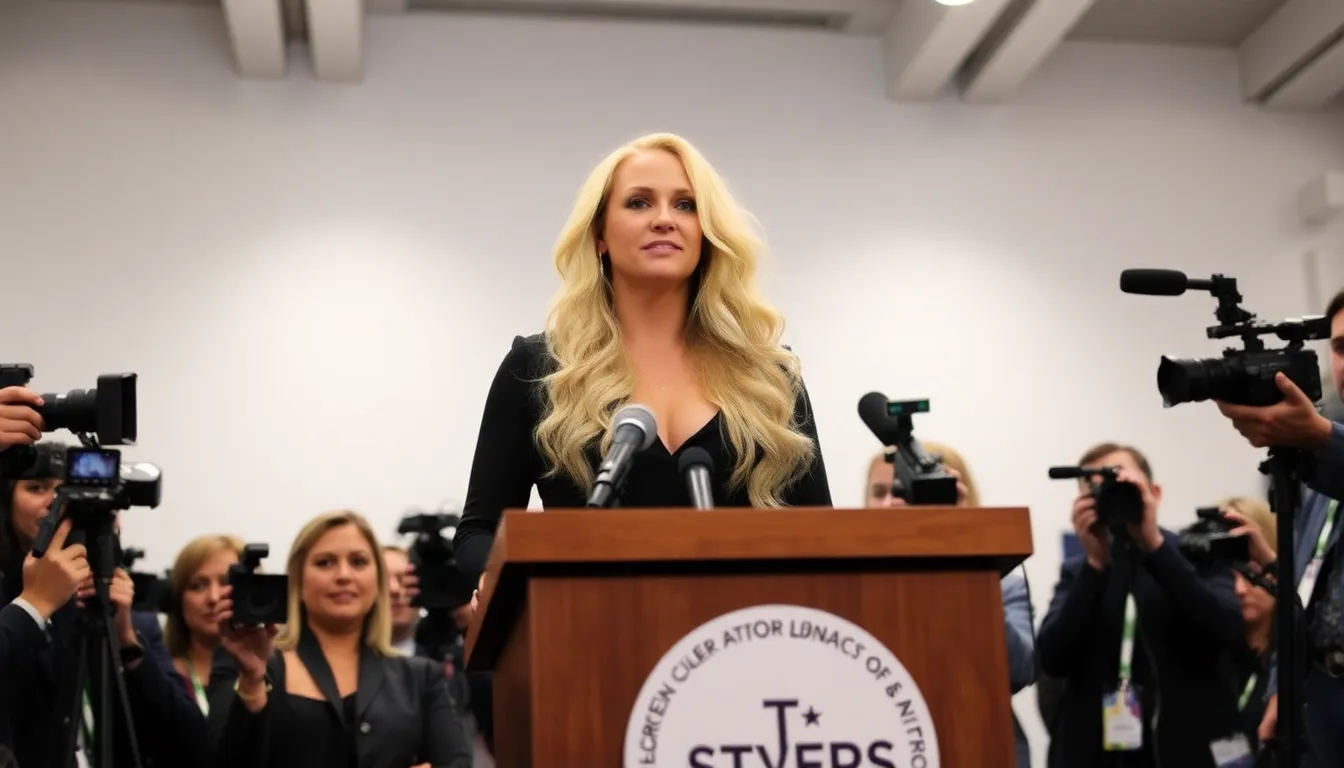
Frequently asked questions about the music catalogue sale
Looking ahead: What this means for Britney and her fans
Britney Spears’ decision to sell the rights to her entire music catalogue marks a significant shift in her career and the music industry at large. This move not only provides her with substantial financial security but also opens up new avenues for her artistic expression. Fans can anticipate a potential resurgence of her music through various media channels, as the rights will likely lead to new partnerships and projects that celebrate her legacy.
As the landscape of music ownership evolves, this transaction could set a precedent for other artists considering similar paths. The implications extend beyond financial gain, as it may influence how artists manage their work and rights in the future. Observers should keep an eye on how this affects Britney’s public persona and her ongoing relationship with her fanbase.
- Financial Stability: The sale provides Britney with a significant financial boost, allowing her to invest in future projects or personal ventures.
- Increased Visibility: Expect renewed interest in her music, possibly leading to new collaborations or media appearances.
- Impact on Artist Rights: This move could inspire other artists to consider selling their catalogues as a viable option for financial security.
- Fan Engagement: Fans may see more curated content that celebrates her career, enhancing their connection to her music.
- Future Projects: Watch for announcements regarding potential new projects that leverage her extensive catalogue.