


The Japanese government has emphasized the need to protect its maritime resources and sovereignty, stating that such actions are necessary to maintain order in the region. This seizure is part of a broader pattern of confrontations, as Japan has enhanced its patrols in the area, particularly since a series of incidents involving Chinese vessels have raised alarm among Japanese authorities.
In response to the seizure, China has condemned Japan’s actions, calling them a violation of international law. Chinese officials have demanded the immediate release of the vessel and its crew, further straining diplomatic relations between the two countries. The situation highlights the fragile nature of regional stability and the potential for conflict over maritime rights.
As both nations navigate this complex geopolitical landscape, the incident underscores the ongoing rivalry in the region. With increasing military activities and assertive claims from both sides, the situation remains precarious, raising concerns about a possible escalation in tensions that could affect broader regional security.
Understanding the background of Japan-China maritime relations
The relationship between Japan and China has been shaped by centuries of history, marked by both cooperation and conflict. In recent decades, maritime disputes have emerged as a significant point of contention, particularly in the East China Sea. These tensions are rooted in historical grievances, territorial claims, and national security concerns, which have escalated in the context of rising nationalism in both countries.
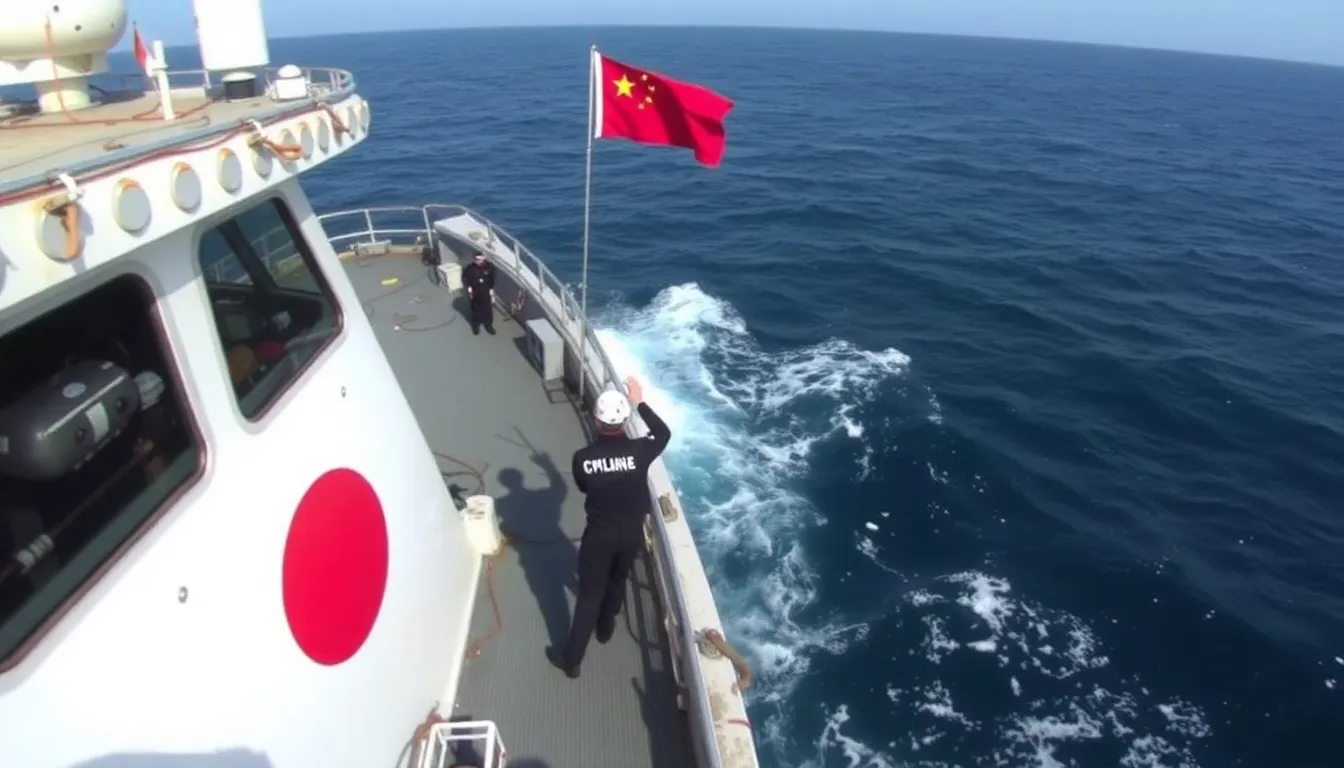
One of the key flashpoints in Japan-China relations is the dispute over the Senkaku Islands, known as Diaoyu in China. These uninhabited islands are located in a resource-rich area of the East China Sea and have been claimed by both nations. The situation intensified in the early 2010s when Japan nationalized some of the islands, leading to widespread protests in China and a deterioration of diplomatic ties. This incident marked a turning point, as both countries began to increase their military presence in the region, highlighting the complexity of territorial disputes in Southeast Asia.
In addition to territorial disputes, economic competition has further strained relations. China has emerged as a dominant economic power, and its assertive stance in regional waters has raised concerns in Japan about its own national security. The economic interdependence between the two nations complicates the situation, as both rely heavily on trade with one another while simultaneously vying for influence in the Asia-Pacific region.
Recent Developments and Incidents
In recent years, incidents involving maritime confrontations have become more frequent. Japan’s recent seizure of a Chinese vessel is a reflection of the ongoing tensions and the Japanese government’s commitment to asserting its maritime rights. Such actions are often met with strong diplomatic protests from Beijing, which views them as provocations. The cycle of accusations, military drills, and diplomatic spats continues to define the current state of affairs between Japan and China, highlighting the precarious balance of power in the region.
Key stakeholders and issues in the Japan-China maritime dispute
The recent seizure of a Chinese vessel by Japan highlights the ongoing tensions between the two nations, particularly in the context of territorial disputes in the East China Sea. The key stakeholders in this situation include the governments of Japan and China, regional fishing communities, and international maritime organizations.
Japan’s government, led by Prime Minister Fumio Kishida, has a vested interest in maintaining its territorial claims over the Senkaku Islands, which are also claimed by China. The Japanese authorities argue that the seizure was necessary to uphold national sovereignty and ensure the safety of its maritime borders. Conversely, the Chinese government, under President Xi Jinping, views this action as an infringement on its territorial rights and has expressed strong diplomatic opposition, reminding stakeholders of the broader implications such as regional security.
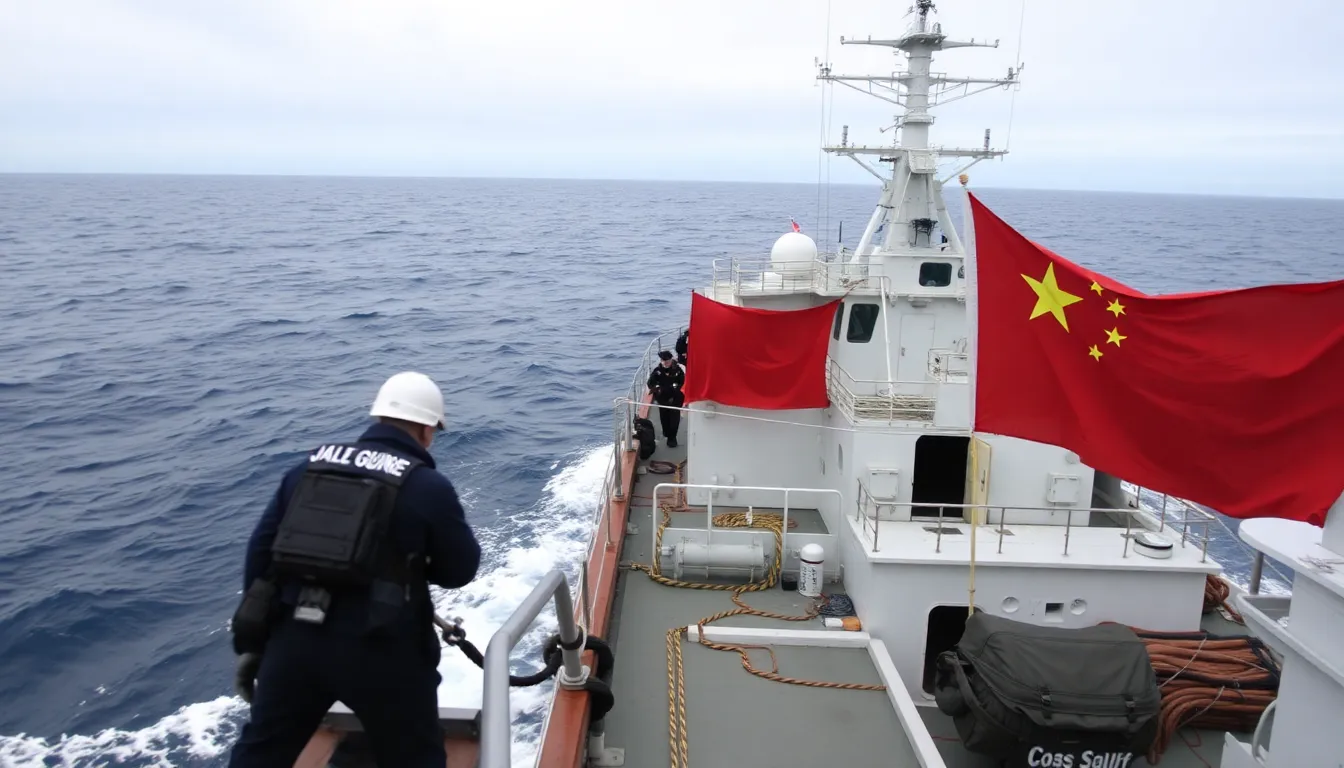
Trade tensions between Japan and China further complicate the situation. Both countries are significant economic partners, and disputes in maritime law can lead to broader economic repercussions. For instance, Japan relies on Chinese imports for various goods, while China is a major market for Japanese exports. Any escalation in maritime conflicts could potentially disrupt these economic ties.
- Legal Issues: The situation raises questions about international maritime law, including the United Nations Convention on the Law of the Sea (UNCLOS), which governs maritime territorial claims.
- Economic Impact: Disputes could affect fishing rights, impacting local economies dependent on these resources.
- Regional Security: Increased military presence in contested waters could lead to heightened tensions and possible confrontations.
- International Relations: The response from other nations, particularly the United States, could influence the dynamics of the dispute.
As tensions escalate, the potential for conflict remains a pressing concern. Both Japan and China must navigate their national interests while considering the broader implications of their actions on regional stability and international relations.
Potential impacts on regional security and trade
The recent seizure of a Chinese vessel by Japan has implications for various groups and industries, particularly those involved in maritime trade and regional security. Key stakeholders include shipping companies, local fishing industries, and government agencies in both Japan and China. The heightened tensions may lead to increased scrutiny and regulation of maritime activities in contested waters.
In the short term, businesses reliant on shipping routes in the East China Sea may experience disruptions. Shipping delays and increased insurance costs could affect the supply chain for industries such as electronics and automotive manufacturing, both critical to Japan’s economy. Additionally, local fishermen may face restrictions on their activities due to heightened naval presence in the area.
In the mid-term, the situation could lead to a reevaluation of trade policies and security agreements in the region. Countries in Southeast Asia may be prompted to reassess their diplomatic stances towards both Japan and China, potentially leading to a shift in alliances. This could affect foreign investment and trade agreements, altering the economic landscape.
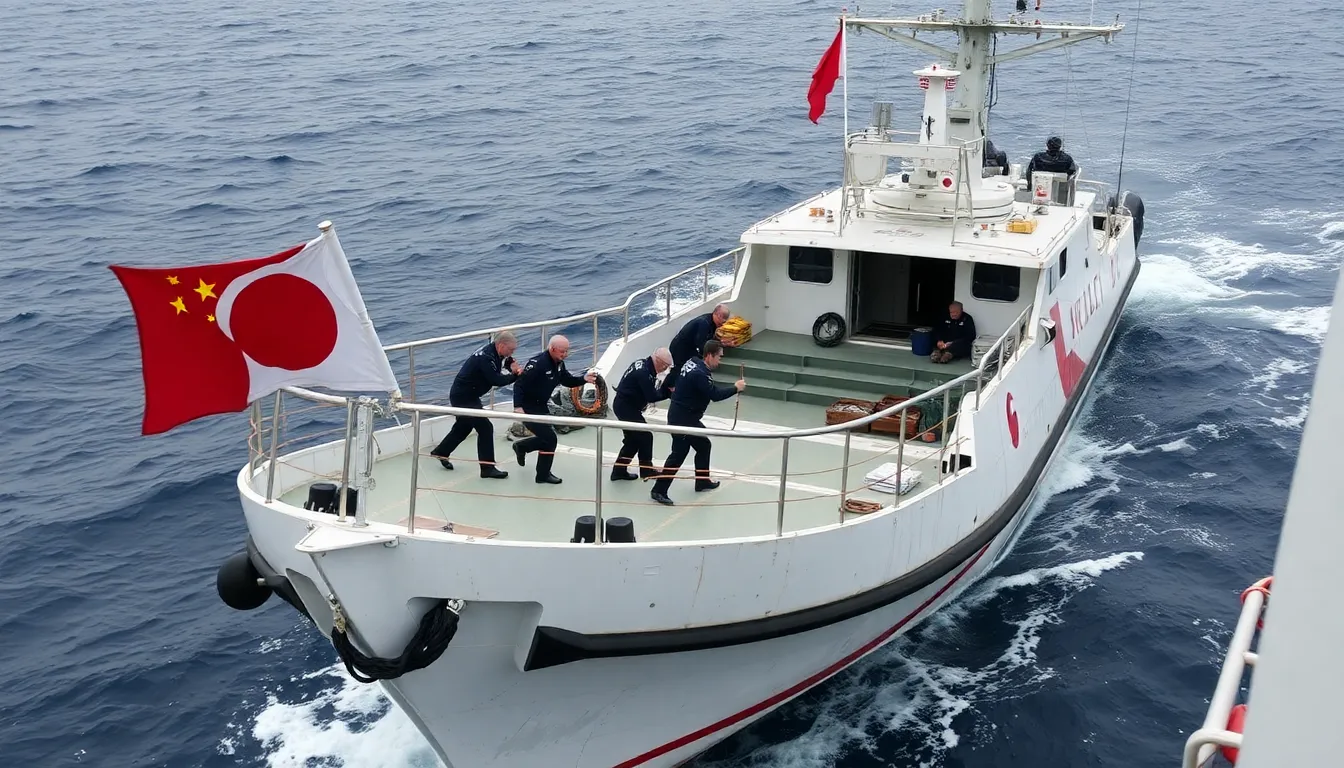
- Risks: Increased military presence may escalate conflicts, impacting regional stability.
- Opportunities: Potential for Japan to strengthen alliances with other nations concerned about China’s maritime activities.
- Risks: Disruption of supply chains could lead to inflationary pressures on consumer goods.
- Opportunities: Innovation in security technologies and maritime surveillance could arise from increased defense spending.
Ultimately, the situation underscores the delicate balance of power in the region, with potential ripple effects across various sectors and communities. Stakeholders will need to navigate these challenges while seeking opportunities for collaboration and growth in a tense geopolitical landscape.
A: Japan seized the vessel due to alleged illegal fishing activities in its territorial waters, which has been a point of contention between the two nations. A: The seizure could escalate tensions between Japan and China, potentially affecting diplomatic relations and maritime security in the region. A: China has condemned the seizure, calling it an act of aggression and demanding the immediate release of the vessel and its crew. A: Historical tensions stem from territorial disputes, particularly in the East China Sea, and past conflicts that continue to affect diplomatic relations. A: Japan may enhance its maritime patrols and strengthen diplomatic dialogues with China to address fishing rights and territorial disputes.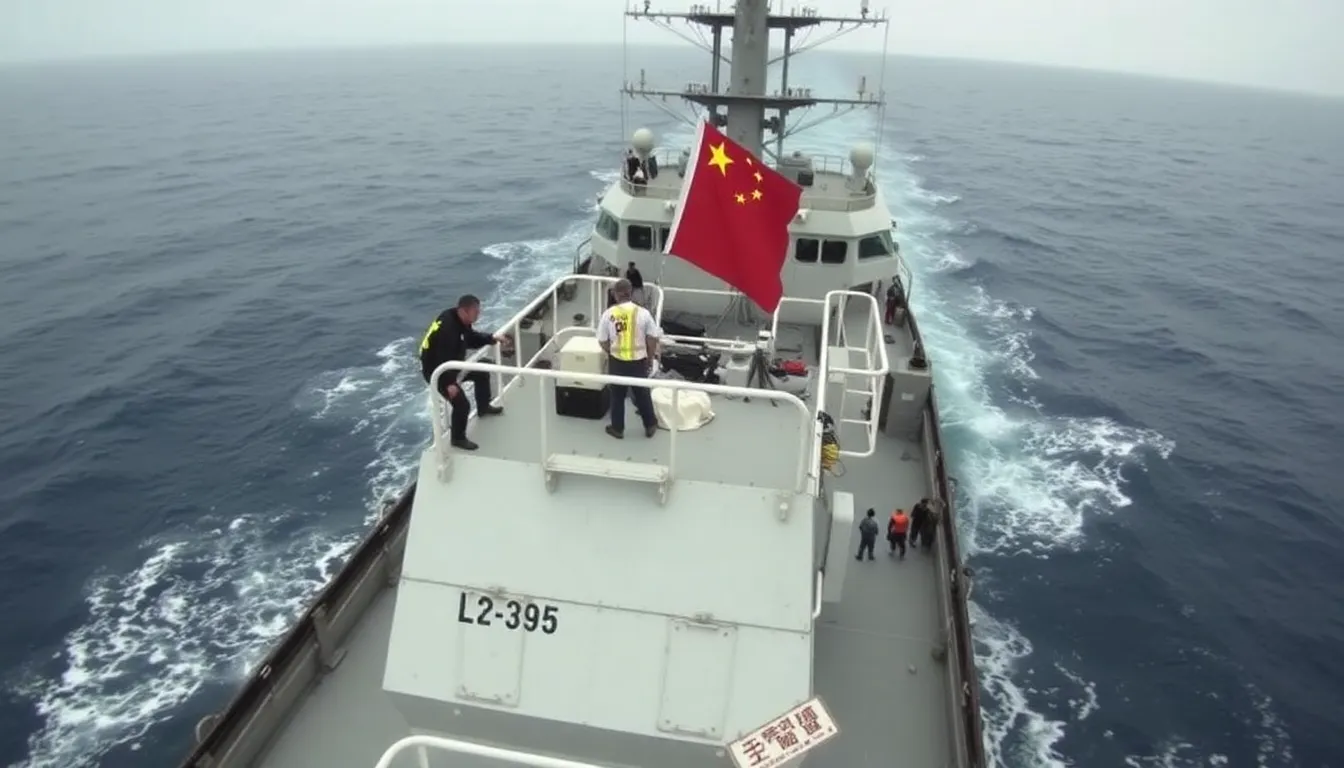
Frequently asked questions about the vessel seizure
Key takeaways and future outlook on Japan-China tensions
The recent seizure of a Chinese vessel by Japan underscores the escalating tensions between the two nations, particularly in the context of territorial disputes and maritime security in the East China Sea. This incident not only highlights the fragility of diplomatic relations but also reflects broader geopolitical dynamics involving regional powers and their strategic interests.
As both nations navigate this complex landscape, several implications emerge that warrant close attention. The actions taken by Japan may influence not only its bilateral relationship with China but also its alliances with other regional players, including the United States. Observers should monitor how these developments unfold in the coming months, as they could reshape the security environment in Asia.
- Increased military presence in disputed waters may lead to more confrontational encounters between Japan and China.
- Japan’s actions could prompt a recalibration of its defense policies and alliances, particularly with the U.S. and other regional partners.
- Public opinion in both countries may shift in response to government actions, affecting future diplomatic negotiations.
- Economic repercussions could arise from heightened tensions, impacting trade relations and regional markets.
- International responses, particularly from ASEAN and other global powers, may play a crucial role in mediating or exacerbating the situation.