


Local health officials reported that the victims were part of a group that had gathered wild mushrooms in a popular foraging area. The specific type of mushroom involved has not yet been identified, but preliminary investigations suggest it may be a highly poisonous variety. This incident highlights the dangers associated with foraging and the critical need for public awareness regarding edible versus toxic species, similar to the discussions in the article on the resurgence of the organic food market.
In response to the outbreak, state health departments are urging residents to exercise caution when foraging for mushrooms. They are also emphasizing the importance of proper identification and education on safe foraging practices. As the investigation continues, officials are working to inform the public and prevent further incidents.
The fatalities have prompted discussions among lawmakers about the need for stricter regulations on mushroom foraging and sales. Advocates for food safety are calling for enhanced training programs for foragers to minimize the risk of poisoning. This situation serves as a stark reminder of the potential hazards associated with wild food sources and the importance of informed choices.
Background on mushroom consumption and risks
Mushroom consumption has a long history, deeply rooted in various cultures around the world. For centuries, mushrooms have been celebrated for their culinary uses and nutritional benefits. However, the rise in popularity of foraged mushrooms has also brought to light the significant risks associated with mushroom consumption, particularly the dangers of misidentification of toxic species. In California, where the climate is conducive to a diverse range of mushroom species, the potential for poisoning incidents has become a growing concern. This is echoed in stories like the tragic incident involving Lil Jon’s son, which reminds us of the importance of safety in everyday activities.

Historically, cases of mushroom poisoning have been reported globally, with some of the most notorious incidents occurring in regions rich in wild mushroom varieties. The infamous Amanita phalloides, or death cap mushroom, is responsible for the majority of fatal mushroom poisonings worldwide. In California, awareness campaigns have been initiated to educate the public about safe foraging practices, yet the allure of wild mushrooms continues to attract both amateur foragers and seasoned chefs, sometimes with tragic consequences, much like the recent sporting events discussed in Great Britain’s victory in sports.
Recent Trends in Foraging
The recent surge in interest surrounding foraged foods, particularly among culinary enthusiasts and health-conscious consumers, has contributed to an increase in mushroom foraging activities. Farmers’ markets and local restaurants often highlight wild mushrooms, promoting their unique flavors and organic appeal. However, this trend has also led to a rise in accidental poisonings, as individuals may lack the expertise required to distinguish between edible and toxic varieties. The tragic outbreak in California serves as a stark reminder of the inherent risks involved in this popular practice.
Moreover, the economic implications of mushroom foraging cannot be overlooked. With the growing demand for gourmet mushrooms, there is a burgeoning market for both cultivated and wild varieties. This economic incentive can sometimes overshadow safety concerns, leading to inadequate training and knowledge among foragers. As incidents of poisoning increase, regulatory bodies may face pressure to implement stricter guidelines and educational programs to mitigate these risks and protect public health.
Key stakeholders and issues surrounding mushroom safety
The recent tragedy in California, where four individuals lost their lives due to mushroom poisoning, highlights the critical need for enhanced safety measures and regulations surrounding foraged food. Several key stakeholders are involved in this situation, each with distinct interests and concerns.
Among the primary actors are local health departments, which are responsible for public safety and health regulations. Their interest lies in preventing future incidents through education and enforcement of food safety standards. Additionally, foragers and mushroom enthusiasts play a significant role, as they often seek to harvest wild mushrooms for personal consumption or sale. Their interests may conflict with safety regulations, as stricter rules could limit their ability to forage freely.

Another critical stakeholder is the food safety regulatory agencies at both state and federal levels. These organizations are tasked with ensuring that food products, including wild mushrooms, are safe for consumption. They face the challenge of balancing consumer rights to access wild food with the necessity of protecting public health. This balance often leads to ongoing debates about the adequacy of existing regulations and the need for more stringent measures.
- Legal Issues: The legal framework surrounding foraging practices and food safety regulations is often ambiguous, leading to potential conflicts between foragers and regulators.
- Economic Considerations: The mushroom foraging industry can be economically significant, but safety concerns may lead to decreased consumer confidence and impact local businesses.
- Public Awareness: There is a pressing need for increased public education about the dangers of mushroom foraging, particularly for novice foragers who may not recognize toxic species.
- Community Impact: The incident has sparked discussions within communities about the cultural significance of foraging and the need for sustainable practices.
Ultimately, the intersection of these stakeholders and issues underscores the complexity of ensuring food safety while respecting traditional practices and community interests. As the investigation into the outbreak continues, it will be crucial for all parties to engage in constructive dialogue to find viable solutions that prioritize public health without stifling cultural practices.
Impact on the community and public health measures
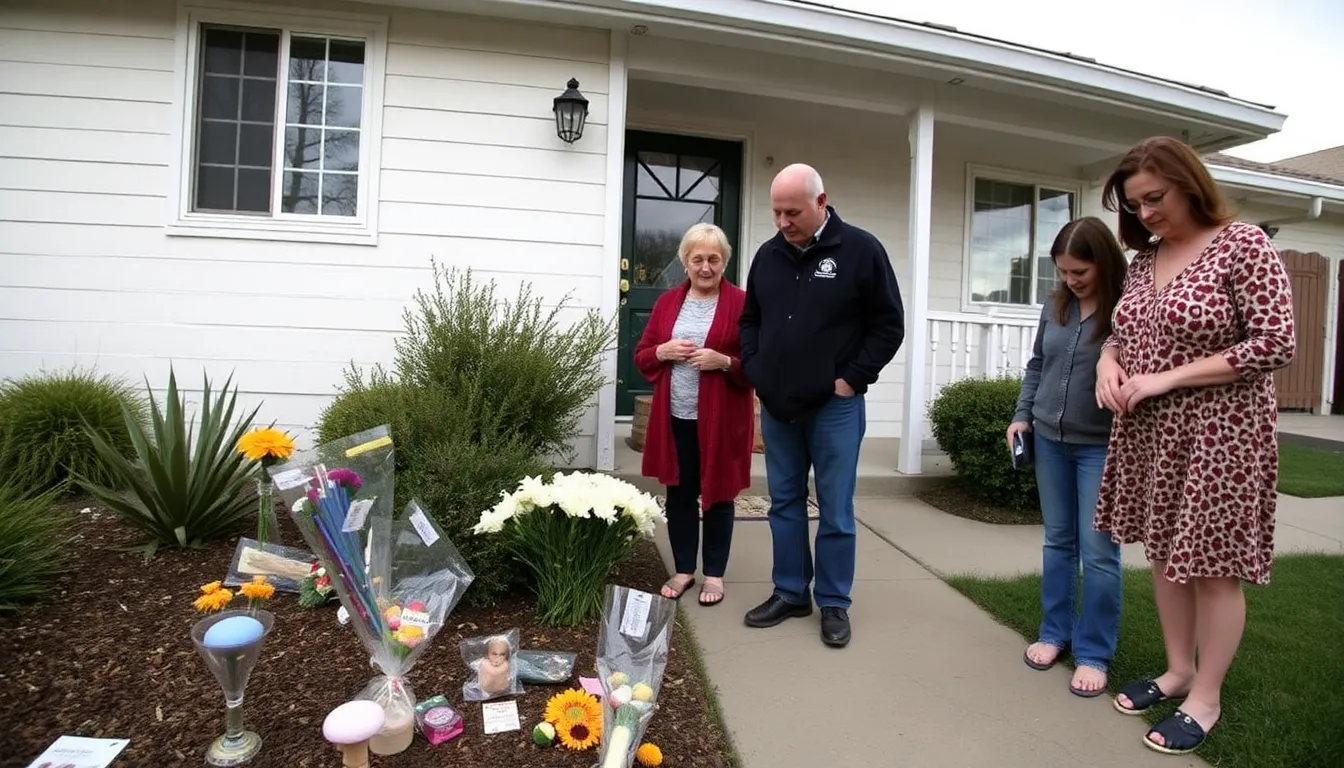
The recent mushroom poisoning outbreak in California has raised significant concerns for various groups, including local communities, health officials, and the agricultural sector. Families of the victims are directly affected, grappling with loss and grief, while local businesses, particularly those in the food and hospitality industries, face potential declines in customer trust and patronage.
In the short term, public health agencies are likely to ramp up awareness campaigns about the dangers of foraging wild mushrooms. This may lead to increased inspections and regulations surrounding the sale of wild mushrooms in markets and restaurants. The California Department of Public Health is expected to issue guidelines aimed at preventing future incidents, which may involve stricter labeling requirements and educational programs.
Mid-term impacts could include changes in consumer behavior, with people becoming more cautious about their food sources. Farmers and suppliers of edible mushrooms might experience fluctuations in demand, leading to economic uncertainty in the agricultural sector. Additionally, the incident could prompt policymakers to consider stricter regulations surrounding foraging practices and the sale of wild mushrooms.
- Health Risks: Increased hospital visits and public health concerns.
- Economic Impact: Potential decline in sales for local restaurants and markets.
- Regulatory Changes: Possible new legislation affecting mushroom foraging and sales.
On the other hand, this crisis may present opportunities for local businesses that focus on safe, sustainably sourced food options. Restaurants could pivot to emphasize transparency in their sourcing, potentially attracting customers who prioritize food safety. Moreover, educational workshops on safe foraging practices could become a niche market, benefiting local experts and enthusiasts while promoting community engagement.
A: Some common poisonous mushrooms include Amanita phalloides, also known as the death cap, and Amanita muscaria. It is crucial to be able to identify safe mushrooms before consumption. A: Always purchase mushrooms from reputable sources and avoid foraging unless you are trained. If in doubt, consult a mycologist or a reliable guide. A: Symptoms can include nausea, vomiting, abdominal pain, and diarrhea. Severe cases may lead to liver failure and require immediate medical attention. A: Seek medical help immediately. Bring any remaining mushrooms for identification to assist healthcare professionals. A: Educate yourself about local mushroom species, avoid consuming wild mushrooms unless you are certain of their safety, and always wash store-bought mushrooms thoroughly.
Frequently asked questions about mushroom poisoning
Key takeaways and future outlook on food safety
The tragic incident of mushroom poisoning in California serves as a stark reminder of the ongoing risks associated with foraging for wild mushrooms. As the investigation unfolds, it becomes increasingly clear that public awareness and education about safe food practices are paramount in preventing similar occurrences in the future. The need for stringent regulations and monitoring of food sources is also highlighted, particularly in areas where wild mushrooms are harvested and consumed.
Looking ahead, it is essential for both consumers and local authorities to remain vigilant. This outbreak underscores the importance of sourcing food from reliable suppliers and emphasizes the need for comprehensive educational campaigns aimed at both amateur foragers and the general public regarding the dangers of consuming wild mushrooms.
- Increased awareness: Educational initiatives should focus on identifying safe versus toxic mushrooms, especially in regions known for wild foraging.
- Stricter regulations: Local authorities may need to consider implementing stricter guidelines for mushroom sales and foraging practices.
- Consumer vigilance: Individuals should be encouraged to seek expert advice before consuming any wild mushrooms.
- Health monitoring: Enhanced tracking and reporting of foodborne illnesses can help identify outbreaks more rapidly.
- Community engagement: Fostering a community dialogue about foraging safety can empower individuals to make informed choices.