


The persistent rain has caused rivers to swell, prompting flood warnings in several areas. For instance, the River Seine in Paris has reached levels not seen in over a decade, leading to precautionary measures being implemented by local authorities. As of mid-November 2023, emergency services have been mobilized to assist those affected by rising waters, particularly in rural communities.
Additionally, the cold snap has exacerbated the situation, with temperatures dropping below freezing in many parts of Northern Europe. This has led to increased energy demands as households seek to stay warm. According to energy analysts, the surge in demand could strain resources during a time when many countries are already facing energy supply challenges.
The ongoing severe weather is not just a local issue; it has broader implications for agriculture and food supply chains across the continent. Farmers are reporting delays in harvests and concerns over crop damage due to the adverse conditions. With winter approaching, the potential for long-term impacts on food production raises alarms about food security in the region.
Understanding the weather patterns leading to this situation
In recent weeks, Europe has been grappling with an unprecedented combination of prolonged wet weather and plummeting temperatures. This situation can be traced back to a series of atmospheric changes that have disrupted typical weather patterns across the continent. Historically, Europe has experienced fluctuating weather conditions due to its geographical diversity, but the current scenario is particularly severe, raising concerns among meteorologists and policymakers alike.
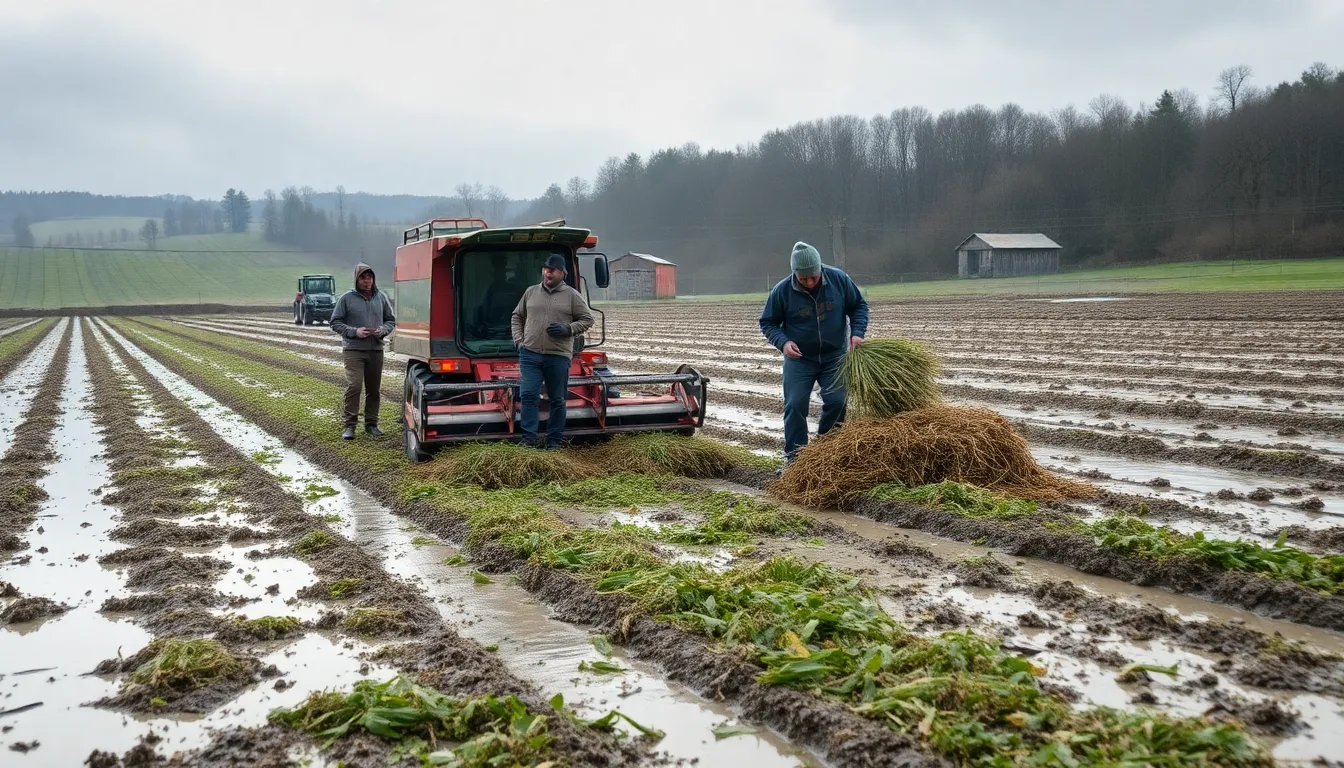
The phenomenon known as the North Atlantic Oscillation (NAO) has played a significant role in shaping the recent weather events. When the NAO is in its negative phase, it can lead to colder and wetter conditions in Europe, as seen in the current situation. This pattern has been exacerbated by climate change, which is contributing to more extreme weather events. The interplay between natural variability and human-induced climate factors has created a volatile environment that is increasingly difficult to predict.
Historical context of extreme weather in Europe
Europe has a long history of extreme weather events, from the harsh winters of the Little Ice Age in the 17th century to the heatwaves and droughts of recent summers. However, the frequency and intensity of these events have increased in recent years. The winter of 2020-2021, for instance, saw significant snowfall and freezing temperatures across large parts of Europe, leading to disruptions in transportation and energy supply. These past occurrences serve as a reminder of the vulnerabilities that many regions face when confronted with severe weather.
Economically, the impact of such weather patterns can be profound. Agriculture, energy production, and infrastructure are all susceptible to the effects of extreme weather. The current wet and cold conditions have already begun to affect crop yields and energy consumption, leading to increased prices and potential food shortages. As Europe continues to grapple with the consequences of climate change, the need for robust adaptation strategies becomes ever more critical.
In summary, the current weather crisis in Europe is not just a random occurrence but rather the result of complex interactions between natural weather patterns and human influences. Understanding this context is essential for addressing the immediate challenges and preparing for future weather-related events.
Key stakeholders and their responses to the weather crisis
The recent weeks of persistent wet weather and freezing temperatures across Europe have prompted a variety of responses from key stakeholders, including national governments, local authorities, farmers, and environmental organizations. Each actor has distinct interests and priorities that shape their reactions to the ongoing weather challenges.
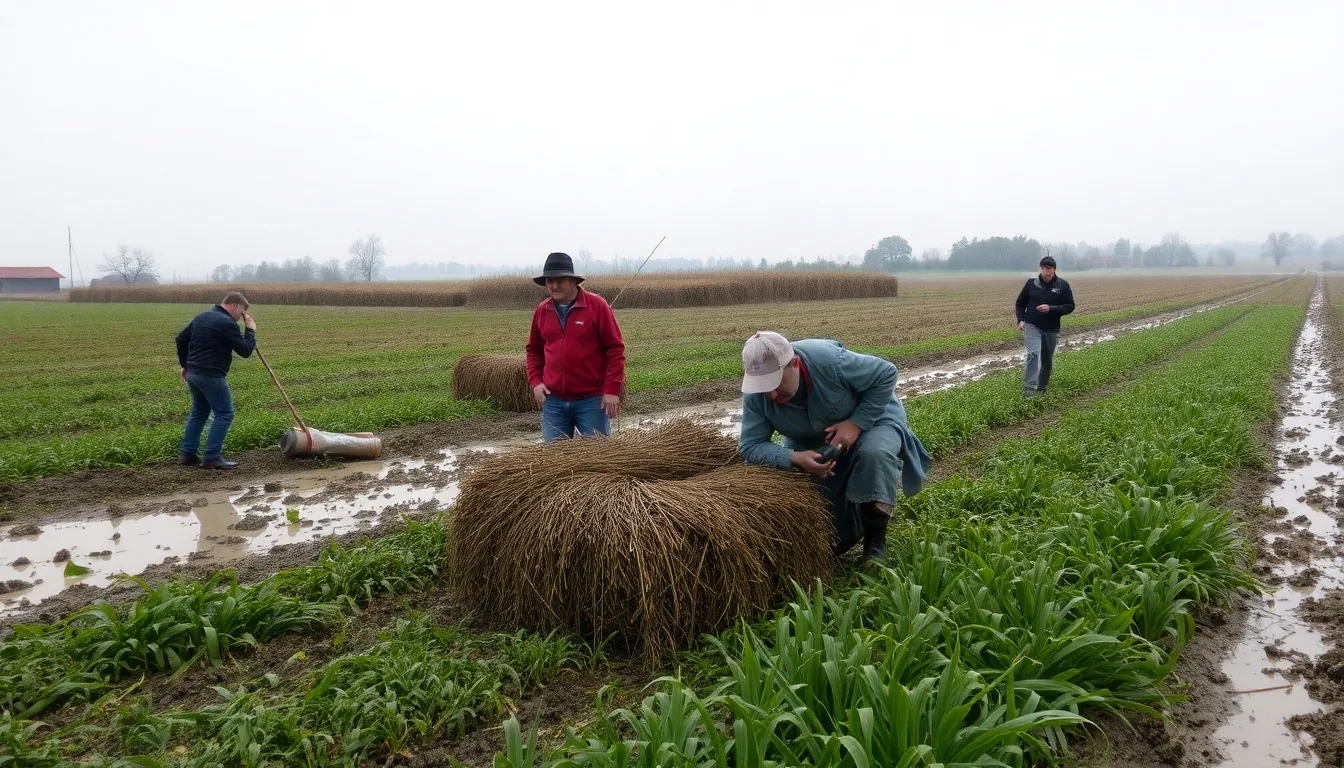
National governments are primarily focused on ensuring public safety and maintaining infrastructure. They face the dilemma of allocating resources effectively while managing the immediate impacts of flooding and snow. This includes mobilizing emergency services and providing financial assistance to affected communities. However, the challenge lies in balancing these urgent needs with long-term climate adaptation strategies.
Local authorities, on the other hand, are often at the frontline of crisis management. They must respond quickly to localized flooding and road blockages, which can strain their limited resources. Additionally, they are tasked with communicating risks to residents and coordinating with national agencies. The trade-off here involves prioritizing immediate relief efforts while also planning for future weather-related events.
Farmers are significantly impacted by the weather, facing crop damage and delayed planting seasons. Their interests revolve around securing financial aid and insurance payouts, which can be hindered by bureaucratic processes. The conflict arises as they navigate the need for immediate support against the backdrop of long-term agricultural policies aimed at sustainability and resilience.
- Economic impact: The wet weather has disrupted supply chains, affecting markets and prices.
- Infrastructure strain: Increased flooding has led to road and transport disruptions, requiring urgent repairs.
- Public health concerns: Prolonged wet conditions may lead to health risks, including waterborne diseases.
- Environmental considerations: The crisis highlights the need for sustainable practices to mitigate future risks.
- Policy implications: Governments may need to revise existing policies to better address climate resilience.
Environmental organizations have also voiced concerns, advocating for more robust climate action and sustainable land management practices. Their interests often conflict with short-term economic considerations, as they push for policies that may require significant changes in agricultural and urban planning. The challenge lies in reconciling these differing priorities to ensure a balanced approach to both immediate recovery and long-term sustainability.
The effects of wet weather and cold on communities and markets
The recent weeks of persistent wet weather and frigid temperatures across Europe have significantly impacted various groups and industries. Farmers, particularly in regions like France and Germany, are facing challenges as crops suffer from waterlogged fields and frost damage. This has raised concerns about food supply and pricing in the coming months.
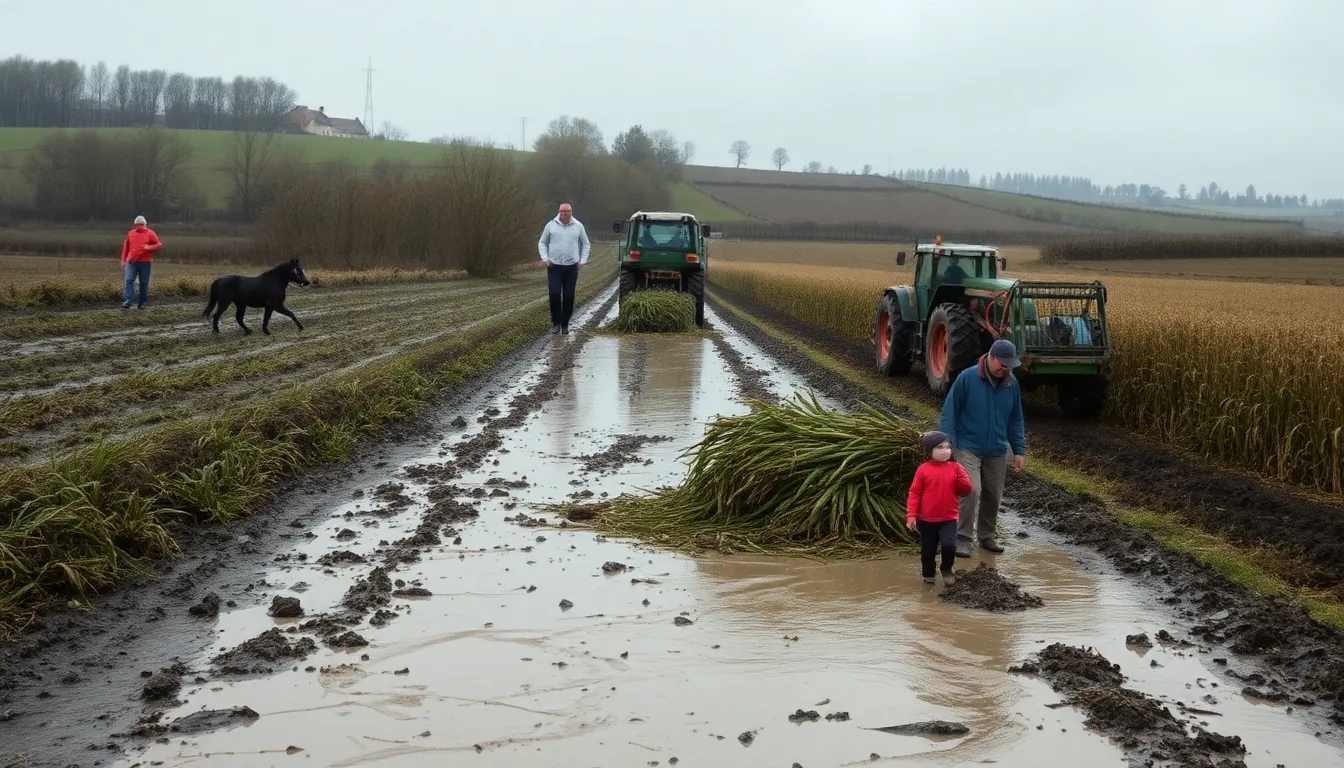
In urban areas, the cold weather has led to increased heating demands, straining energy resources and driving up costs for consumers. Households on fixed incomes may find it particularly difficult to manage these rising expenses, leading to potential increases in energy poverty. Additionally, public services are under pressure as municipalities work to clear roads and ensure safety in icy conditions.
Businesses reliant on outdoor activities, such as tourism and construction, are seeing immediate disruptions. Ski resorts may benefit from the cold, but heavy rain can deter visitors. Conversely, construction projects may face delays, affecting timelines and budgets. These disruptions can lead to a ripple effect, impacting local economies and employment rates.
- Short-term risks: Crop damage, increased energy costs, and business disruptions.
- Mid-term impacts: Potential food shortages, rising inflation, and shifts in consumer spending.
- Opportunities: Increased demand for energy-efficient solutions and winter tourism.
Policy makers will need to address these challenges by considering support measures for affected sectors and ensuring infrastructure is resilient to extreme weather. The long-term implications of this weather pattern may also prompt discussions on climate adaptation strategies across Europe.
A: Regions such as the UK, France, and Germany are experiencing the most severe impacts due to prolonged rainfall and cold temperatures. A: Many local economies are struggling, with disruptions in agriculture and transportation leading to increased costs and supply chain issues. A: Governments are implementing emergency protocols, including road maintenance and support for affected businesses and farmers. A: Meteorologists predict that these conditions may persist for several more weeks, with potential for further cold snaps. A: Individuals are advised to stay informed about weather updates, stock up on essentials, and take precautions against cold-related health issues.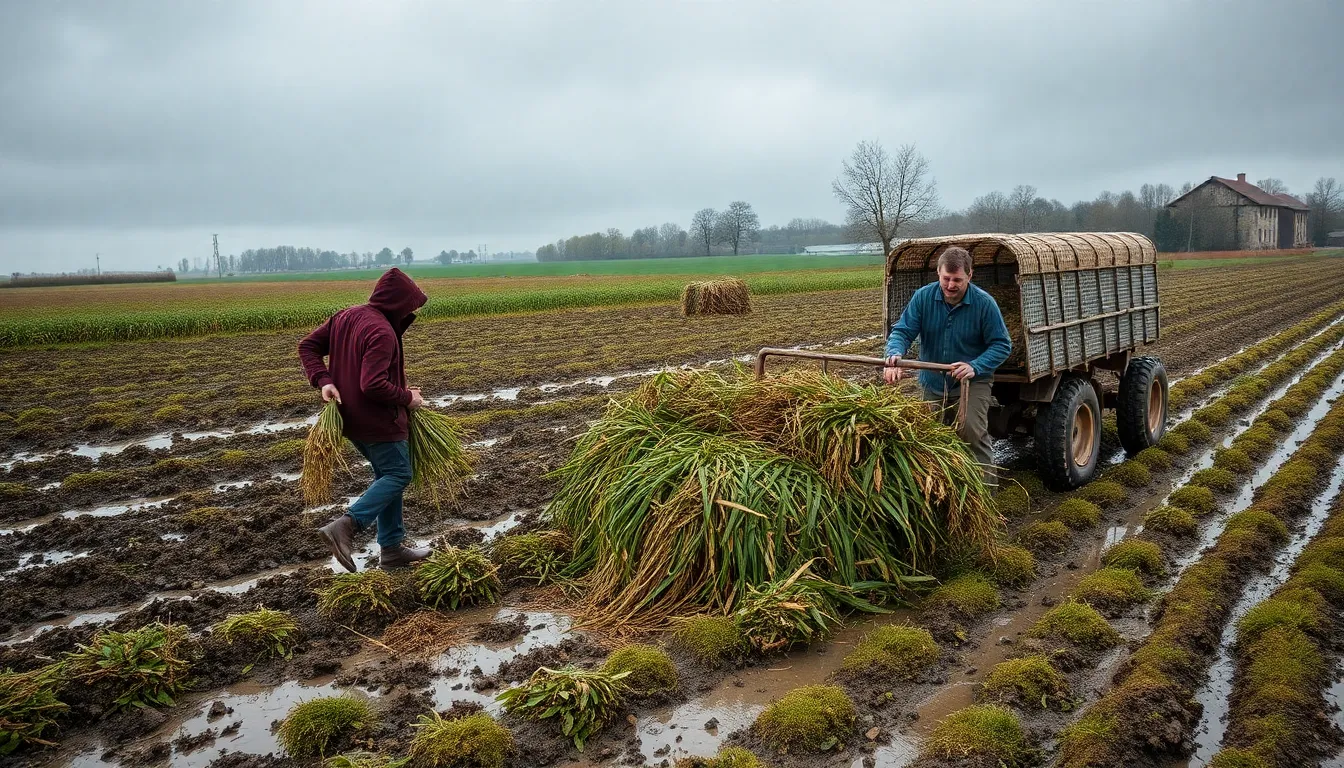
Frequently asked questions about the weather impact
Looking ahead: key takeaways and future outlook
The recent weeks of persistent wet weather and plunging temperatures across Europe have underscored the vulnerability of various sectors to extreme weather patterns. As the continent grapples with the immediate impacts on agriculture, infrastructure, and public health, it is essential to consider the broader implications for resilience and adaptation strategies moving forward.
Key areas to monitor include the agricultural sector’s response to crop damage, the strain on energy supplies due to increased heating demands, and the long-term effects on climate policy discussions. The path forward will likely involve a reassessment of preparedness measures and investments in infrastructure to mitigate future risks.
- Agricultural Impact: Watch for shifts in crop yields and potential food supply chain disruptions as farmers assess damage and adapt planting strategies.
- Energy Demand: Increased energy consumption for heating may lead to higher prices; monitoring energy supply stability will be crucial.
- Infrastructure Resilience: Expect discussions on enhancing infrastructure to withstand extreme weather, potentially influencing future investment priorities.
- Public Health Concerns: Keep an eye on health implications due to cold exposure and increased illness rates, which may prompt public health interventions.
- Climate Policy Reassessment: The situation may catalyze renewed focus on climate action and adaptation strategies in policy frameworks across Europe.