


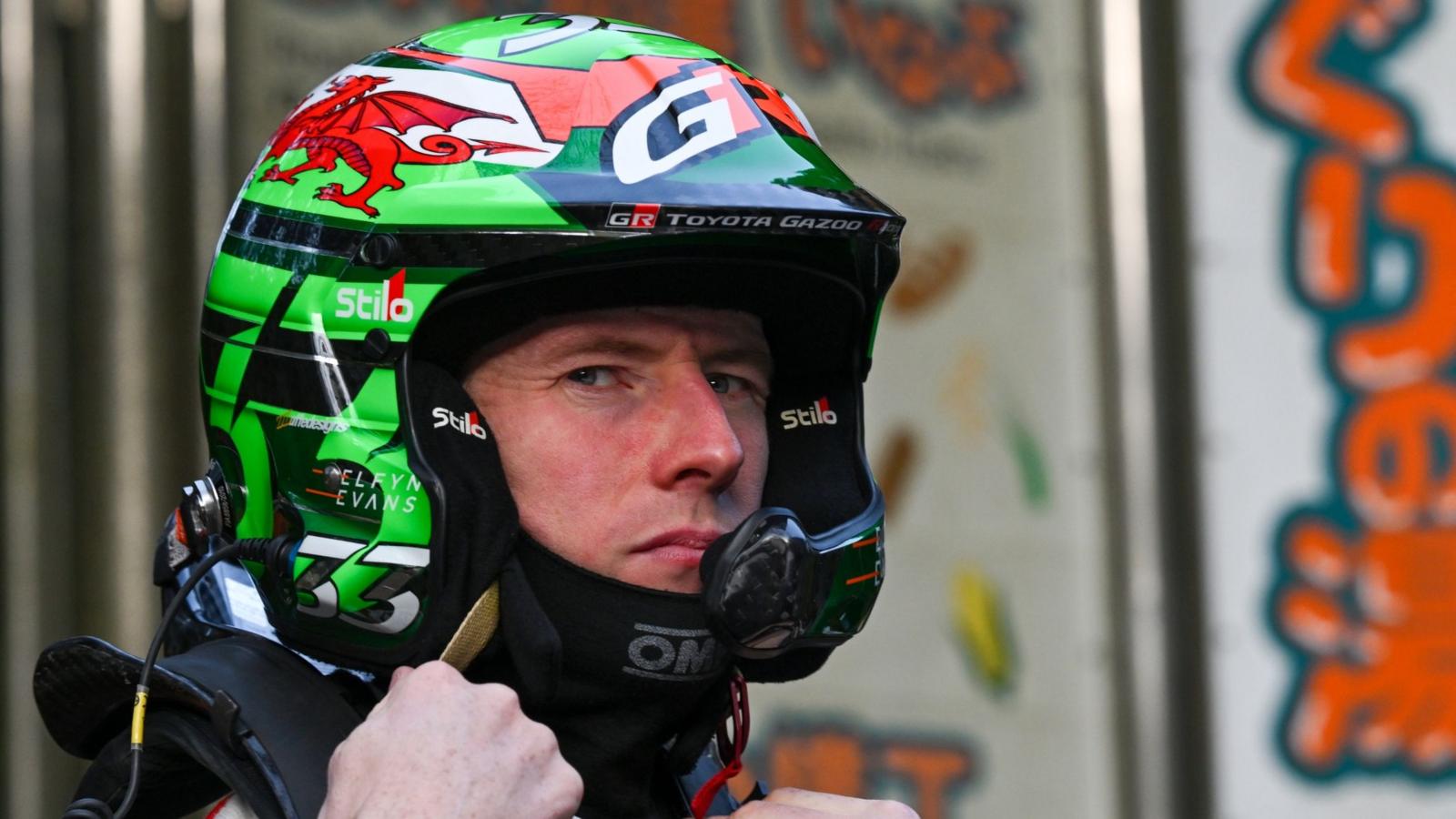
His recent results, including a podium finish at the previous rally in Finland, have reinvigorated interest in the WRC, drawing attention from both fans and sponsors alike. For more on the legacy of drivers in the championship, check out Remembering Richard Burns and His WRC Journey.
A win in Spain would not only bolster Evans’ personal career but could also serve as a catalyst for rallying’s resurgence in mainstream sports culture. A successful event featuring a British driver could attract new fans and sponsors, highlighting the excitement and competitiveness of rally racing.
Increased media coverage and fan engagement resulting from a successful rally could lead to enhanced investment in the sport, fostering a new generation of rally enthusiasts and participants. Such developments would resonate well with the lovers of the motorsport culture, similar to the interest represented by Arsenal shows interest in Elche’s Mendoza amid transfer rumors.
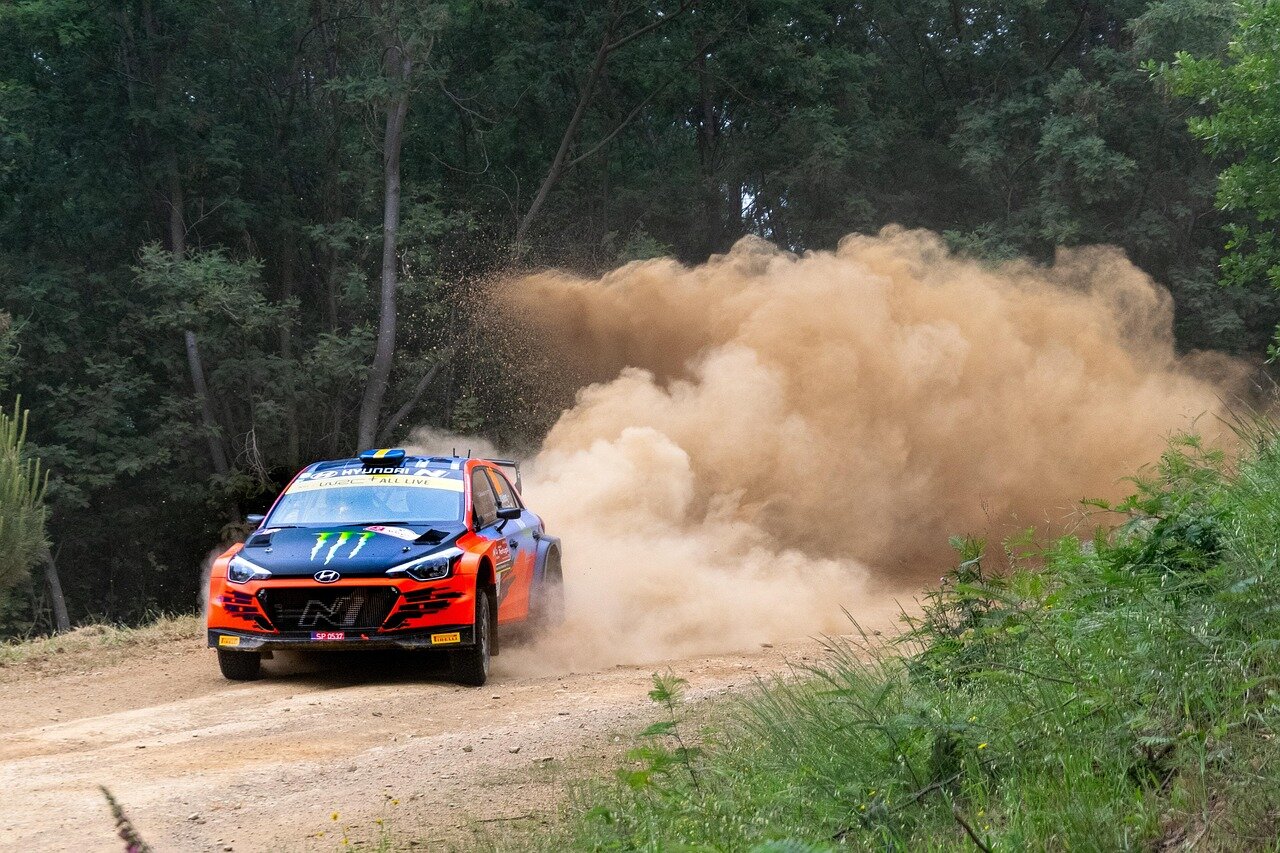
The historical significance of rallying and its recent decline
Rallying has a rich history that dates back to the early 20th century, evolving from informal races on public roads into a structured sport that captures the imagination of motorsport enthusiasts worldwide. The World Rally Championship (WRC), established in 1973, has been a cornerstone of this sport, showcasing the skill of drivers and the engineering prowess of manufacturers. Iconic events like the Monte Carlo Rally and the Safari Rally have not only tested the limits of vehicles but have also become cultural phenomena, drawing large crowds and significant media attention.
However, in recent years, the sport has faced challenges that have led to a decline in its popularity. Factors such as the rise of other motorsport disciplines, changing viewer preferences, and economic pressures on teams and sponsors have contributed to a waning interest in rallying. The advent of digital media has also shifted how fans engage with motorsport, with many younger audiences gravitating towards more accessible forms of entertainment.
Key milestones in rallying’s evolution
Several key milestones have shaped the trajectory of rallying. The introduction of Group B in the 1980s revolutionized the sport, bringing unprecedented power and speed to rally cars, which captivated fans but also led to tragic accidents and the eventual discontinuation of the category. The 1990s saw the emergence of manufacturers like Subaru and Mitsubishi, who dominated the championship and helped popularize the sport globally. However, the shift towards more stringent regulations and a focus on sustainability in recent years has altered the landscape, creating both challenges and opportunities for the future.
The potential win by Evans in the WRC could serve as a pivotal moment, reigniting interest in rallying and showcasing the sport’s thrilling aspects. As fans and sponsors seek a revival, such victories can help re-establish rallying’s prominence on the global motorsport map, drawing in new audiences and revitalizing the community that has long cherished this unique form of racing.

Key stakeholders and the implications of Evans’ success
The potential victory of Elfyn Evans in the World Rally Championship (WRC) could have far-reaching implications for various stakeholders within the motorsport community and beyond. Key actors include the drivers, teams, sponsors, governing bodies, and fans, each with distinct interests and concerns regarding the future of rallying.
Drivers like Evans himself, alongside his competitors, are primarily focused on their careers and the recognition that comes with success in such a prestigious event. A win for Evans could elevate his profile, leading to increased sponsorship opportunities and potential career advancement. For teams, a successful season can translate into greater visibility, attracting new sponsors and enhancing their marketability.
Governments and local authorities in regions where rally events are held also have a vested interest. Successful rallying events can boost tourism and local economies, but they must balance this with environmental concerns and the need for public safety. The implications of Evans’ victory could encourage more investment in rallying, but it may also intensify scrutiny regarding the environmental impact of such events.
- Increased Sponsorship: A win could lead to more lucrative sponsorship deals for Evans and his team.
- Tourism Boost: Local economies may benefit from increased tourism associated with rally events.
- Environmental Scrutiny: Success may heighten discussions around the environmental impact of rallying.
- Media Exposure: A significant win can attract more media attention, raising the profile of the sport.
- Fan Engagement: A victory could rekindle interest in rallying among fans, leading to increased attendance at events.
Moreover, the governing bodies of motorsport, such as the FIA, will be closely monitoring the implications of Evans’ success for the sport’s future. They face the challenge of promoting rallying while ensuring compliance with regulations that protect both the environment and the integrity of the sport. Balancing these interests will be crucial as rallying seeks to regain its prominence in the motorsport landscape.
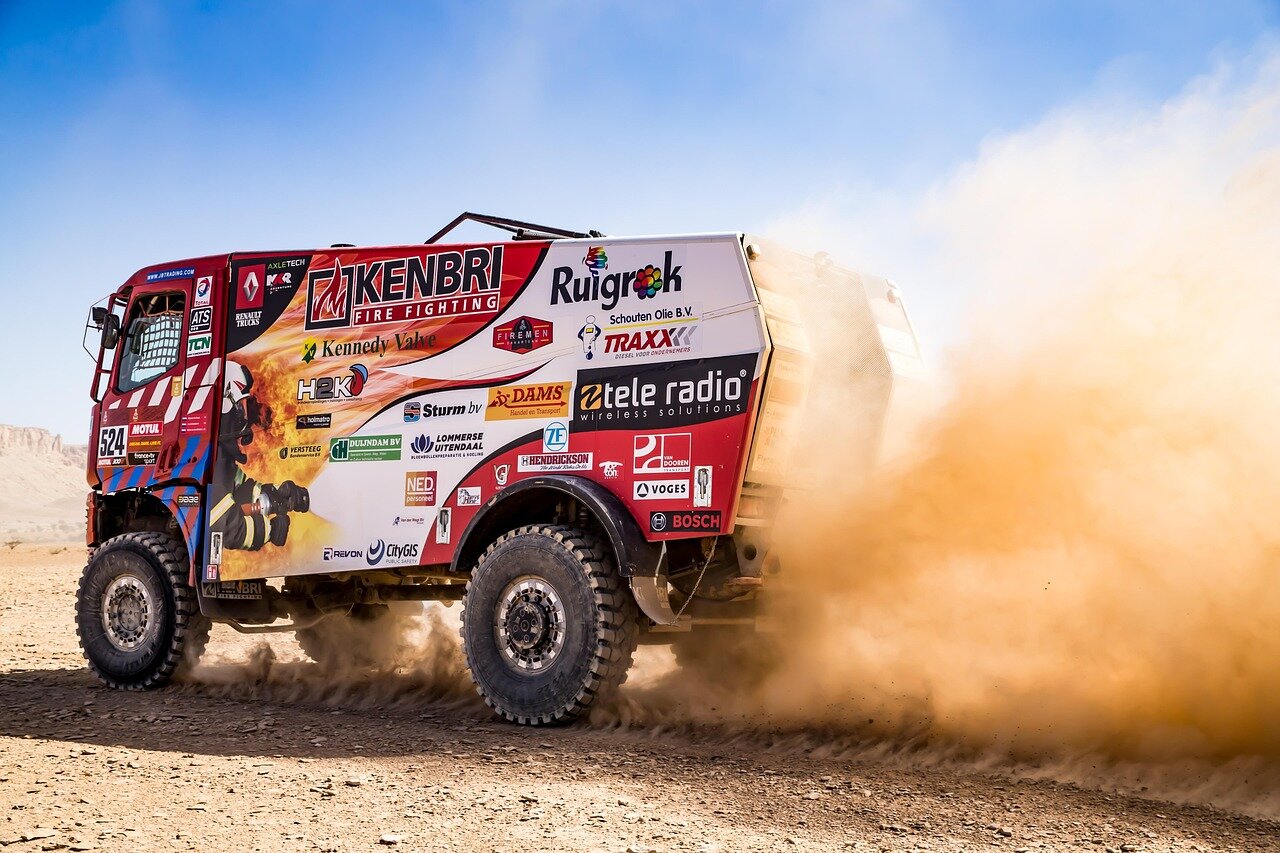
How a win could influence fans and the rallying market
A potential victory for Elfyn Evans in the World Rally Championship (WRC) could significantly impact various groups, including fans, sponsors, and the automotive industry. Rally enthusiasts, particularly in regions with a strong motorsport culture such as the UK and parts of Europe, would likely experience a renewed sense of pride and excitement. This could lead to increased attendance at events and a surge in engagement on social media platforms.
In the short term, Evans’ win may stimulate local economies, especially in areas hosting rally events. Businesses such as hotels, restaurants, and merchandise vendors could see a boost in sales as fans flock to celebrate the victory. Additionally, sponsors associated with Evans and the WRC may capitalize on heightened visibility, leading to increased investment in promotional activities and partnerships.
Mid-term impacts could include a revitalization of the rallying market itself. The sport may attract new fans and participants, especially younger demographics, leading to a broader base for future competitions. This growth could prompt automotive manufacturers to invest more in rally teams, enhancing vehicle development and innovation. However, there are risks involved, such as the potential for increased competition that could overshadow smaller teams and drivers.
- Economic boost: Increased local spending during events.
- Increased sponsorship: More brands may invest in rallying due to heightened visibility.
- Fan engagement: Growth in social media activity and attendance at events.
- Market revitalization: Attraction of new fans and participants to the sport.
- Risks of overshadowing: Smaller teams may struggle for attention and funding.
Overall, Evans’ success could create a ripple effect throughout the rallying community, fostering both challenges and opportunities for growth in the sport and its associated industries.

A: Evans’ win could bring renewed attention to the sport, attracting new fans and sponsors. It represents a turning point that could help rallying regain its popularity. A: Several factors, including increased competition from other motorsports and changing viewer preferences, have contributed to the decline in rallying’s visibility and fan engagement. A: The WRC features several top drivers and teams, including Sébastien Ogier and Thierry Neuville, who consistently challenge for the championship. A: A victory could attract new sponsors looking to capitalize on the renewed interest in the sport, potentially leading to increased funding and support for teams. A: Increased popularity could lead to more events, better coverage, and enhanced fan experiences, making rallying more accessible and enjoyable for everyone.
Frequently asked questions about Evans and WRC
The future of rallying and the potential impact of Evans’ win
Elfyn Evans’ potential victory in the World Rally Championship could serve as a pivotal moment for the sport, reigniting interest and engagement among fans and sponsors alike. With rallying facing challenges such as dwindling viewership and competition from other motorsports, a win by a British driver could attract renewed media attention and investment, ultimately leading to a more vibrant future for the discipline.
As the rallying community looks ahead, several key factors will play a crucial role in determining the trajectory of the sport. The implications of Evans’ success extend beyond just a trophy; they encompass the potential revitalization of grassroots rallying and the importance of fostering new talent in the sport.
- Increased visibility for rallying could lead to higher sponsorship opportunities and financial backing for teams.
- A win for Evans may inspire a new generation of drivers, encouraging youth participation in rallying events.
- Media coverage is likely to surge, creating a platform for rallying to reach a broader audience.
- Engagement with fans through social media and interactive platforms could enhance the overall rallying experience.
- The success of Evans could prompt organizers to innovate and improve rally formats, making them more appealing to spectators.