


As of October 2023, the UK Research and Innovation (UKRI) has indicated that existing projects will continue to receive support, but new proposals will be put on hold until further notice. This decision has raised concerns among researchers and institutions that rely on these funds for groundbreaking studies and technological advancements.
The halt in new grants is expected to affect a wide range of disciplines, from health and environmental sciences to engineering and social research. Experts warn that this could lead to delays in critical research initiatives, potentially hindering the UK’s position as a leader in global scientific innovation.
Stakeholders, including universities and research organizations, are calling for clarity on the future of the funding landscape. They emphasize the importance of sustained investment in research to ensure that the UK can continue to attract talent and maintain its competitive edge in the global market.
Understanding the background of the research fund
The UK’s £8 billion research fund has been a cornerstone of the nation’s commitment to fostering innovation and scientific advancement. Established to support a wide array of research initiatives, this fund has historically aimed to position the UK as a global leader in research and development. However, the recent decision to pause new grants has raised concerns about the future of scientific inquiry and the implications for the UK’s research landscape.
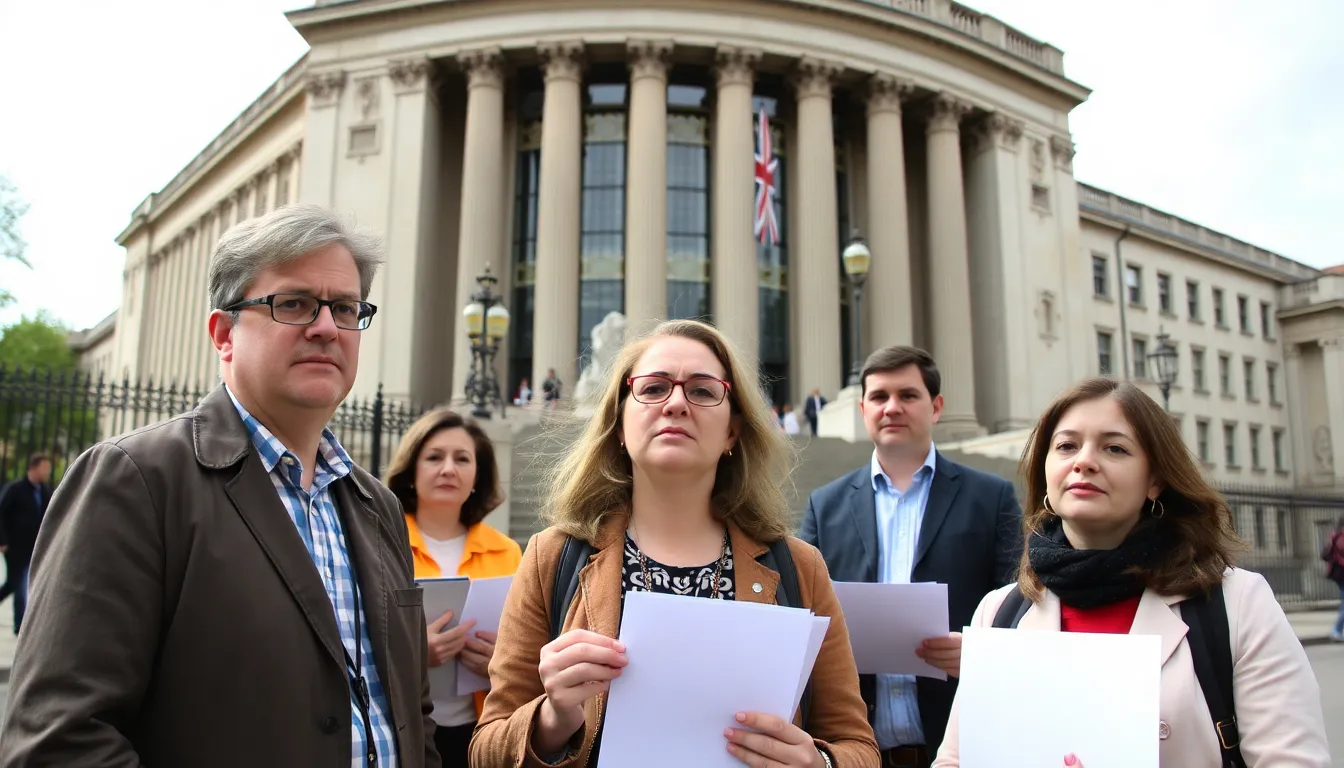
In recent years, the UK government has faced increasing pressure to allocate funding effectively amidst rising costs and economic uncertainties. The impact of Brexit has further complicated the funding landscape, as researchers and institutions grapple with changes in collaboration frameworks and access to European Union funding. The shifting political climate has led to a reevaluation of priorities, resulting in the current pause in new grant approvals.
Key Milestones in Research Funding
Over the past decade, several key milestones have shaped the trajectory of the UK’s research funding. The introduction of the Industrial Strategy Challenge Fund in 2017 aimed to address major societal challenges through targeted research investment. Furthermore, the UK Research and Innovation (UKRI) body was established to streamline funding processes and enhance collaboration among research entities. Despite these initiatives, the recent pause highlights the ongoing challenges in balancing immediate fiscal responsibilities with long-term investment in research.
The economic ramifications of the COVID-19 pandemic have also played a significant role in the current situation. As the government redirected resources to manage the public health crisis, funding for research initiatives was inevitably impacted, leading to heightened scrutiny over the future of the research fund and its beneficiaries, making the need for effective funding allocation more crucial.
Key stakeholders and issues surrounding the funding pause
The recent decision to pause new grants from the UK’s £8 billion research fund has brought together a variety of stakeholders with differing interests. The primary actors include the UK government, research institutions, and the scientific community. Each group has a vested interest in the allocation of these funds, which are critical for advancing research and innovation across various fields.
At the forefront, the UK government aims to manage public finances while ensuring that the nation remains a leader in research and development. This pause reflects a broader strategy to reassess funding priorities amidst economic pressures. The government must balance its commitment to fostering innovation with the need to address fiscal constraints, leading to potential conflicts among stakeholders.
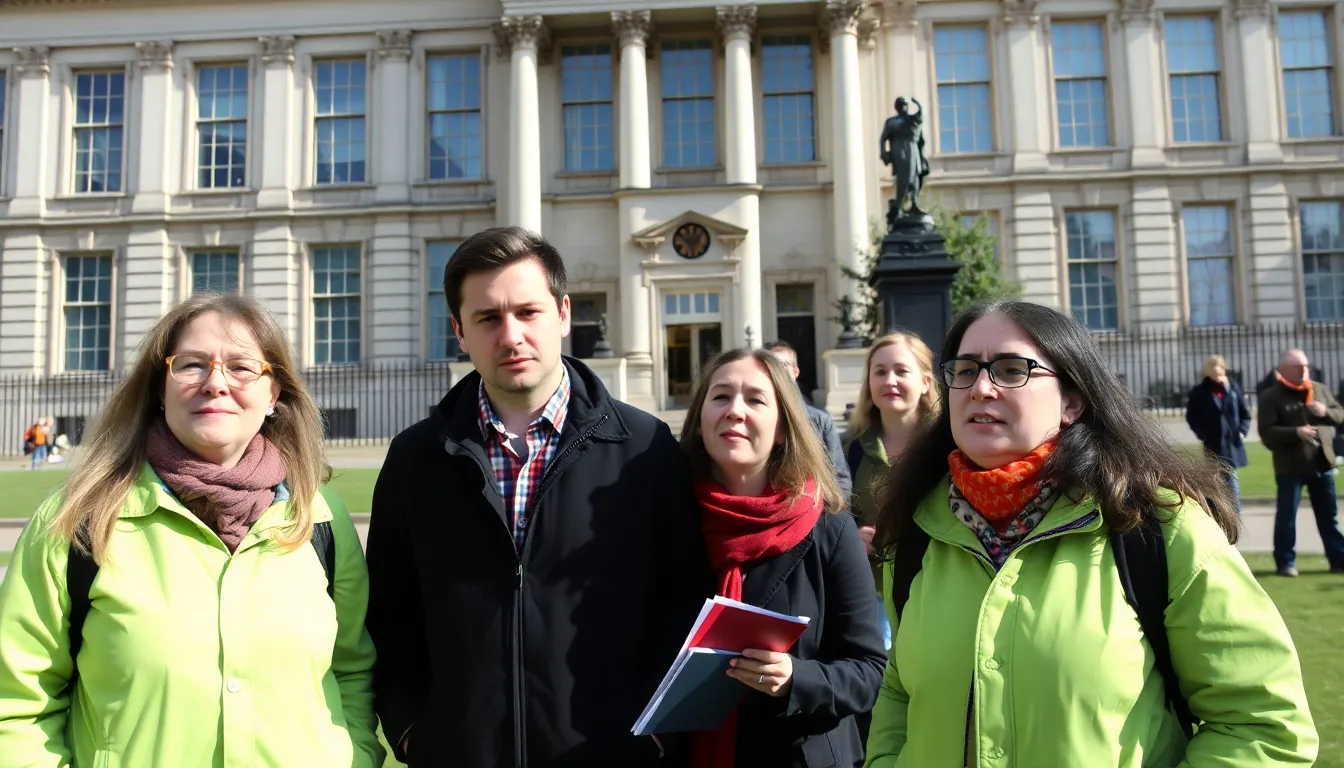
Research institutions, including universities and private research organizations, are deeply concerned about the impact of this funding pause on ongoing and future projects. Many institutions rely heavily on these grants to support their research agendas and maintain their competitive edge, highlighting the importance of clarity in funding processes, such as those established by UK Research and Innovation.
Furthermore, the scientific community, which includes researchers and academics, is advocating for clarity and transparency regarding the decision-making process. Key issues include the potential for increased competition for limited resources and the implications for collaborative projects that require substantial funding. The pause raises questions about the long-term sustainability of research efforts in the UK.
- Economic Impact: The funding pause could hinder economic growth by limiting innovation and technology development.
- Research Delays: Ongoing projects may face interruptions, affecting timelines and outcomes.
- Talent Retention: Researchers may leave the UK for better funding opportunities abroad.
- Strategic Reassessment: The government needs to evaluate which areas of research are prioritized for future funding.
- Equity in Funding: The pause may exacerbate disparities between well-funded institutions and those that rely on government grants.
Who will be affected by the pause in new grants
The suspension of new grants from the UK’s £8bn research fund will have a widespread impact on various groups, including academic institutions, research organizations, and industries reliant on innovation. Universities and research institutions that depend on these grants for funding crucial projects will face immediate challenges in maintaining their research agendas.
In the short term, the pause in funding could lead to delays in ongoing research projects, affecting timelines for scientific discoveries and technological advancements. This may particularly impact sectors such as healthcare, renewable energy, and technology, which rely heavily on continuous research and development to drive progress and maintain competitiveness.

Mid-term effects may include a slowdown in the UK’s position as a leader in global research and innovation. Businesses may find it increasingly difficult to secure the necessary funding for breakthrough projects, potentially leading to reduced economic growth and job creation. The pause may also result in a loss of talent, as researchers and scientists seek opportunities abroad where funding is more readily available.
- Delays in research project timelines
- Increased difficulty in securing funding for innovation
- Potential loss of skilled researchers to other countries
- Impact on industries reliant on research, such as healthcare and technology
Despite these challenges, there may also be opportunities for collaboration and alternative funding models to emerge. Institutions may explore partnerships with private sector companies or seek international funding sources, which could lead to innovative approaches in research financing. Additionally, this pause may prompt a reevaluation of funding priorities, potentially steering resources towards more impactful and urgent research areas.
A: The pause is due to financial constraints and the need for the government to reassess funding priorities. This decision aims to ensure that existing projects continue to receive support. A: While the exact duration is uncertain, officials indicate that the pause will remain in effect until a thorough review of funding allocations is completed. A: Projects that rely heavily on new grants for initiation or expansion are most impacted. This includes research in various fields such as technology, health, and environmental studies. A: Existing grants are expected to continue as planned, but new initiatives will face delays until the funding situation is clarified. A: Long-term effects may include a slowdown in research innovation and potential setbacks in scientific advancements that depend on timely funding.
Frequently asked questions about the research fund pause
Looking ahead: key points and future outlook
The UK’s decision to pause new grants from its £8 billion research fund marks a significant shift in the landscape of scientific funding. As the government navigates budget constraints and prioritizes existing commitments, the implications for researchers, institutions, and innovation are profound. This temporary halt could lead to a reevaluation of funding strategies and a potential reallocation of resources, which may ultimately reshape the future of research in the UK.
Stakeholders must remain vigilant as they adapt to this evolving situation. The focus will likely shift towards maximizing the impact of existing grants and fostering collaborations that can leverage limited resources. Additionally, the outcomes of this pause may influence public and private investment in research, underscoring the need for a strategic approach to ensure continued progress in scientific endeavors.
- Monitor how the pause affects ongoing projects and the potential for funding reallocations.
- Watch for shifts in collaboration between universities and private sectors as they seek to pool resources.
- Consider the long-term implications for talent retention in research fields affected by funding uncertainties.
- Stay informed about government responses and potential policy changes that may arise from this funding pause.
- Evaluate how this situation might impact the UK’s position in global research competitiveness.