


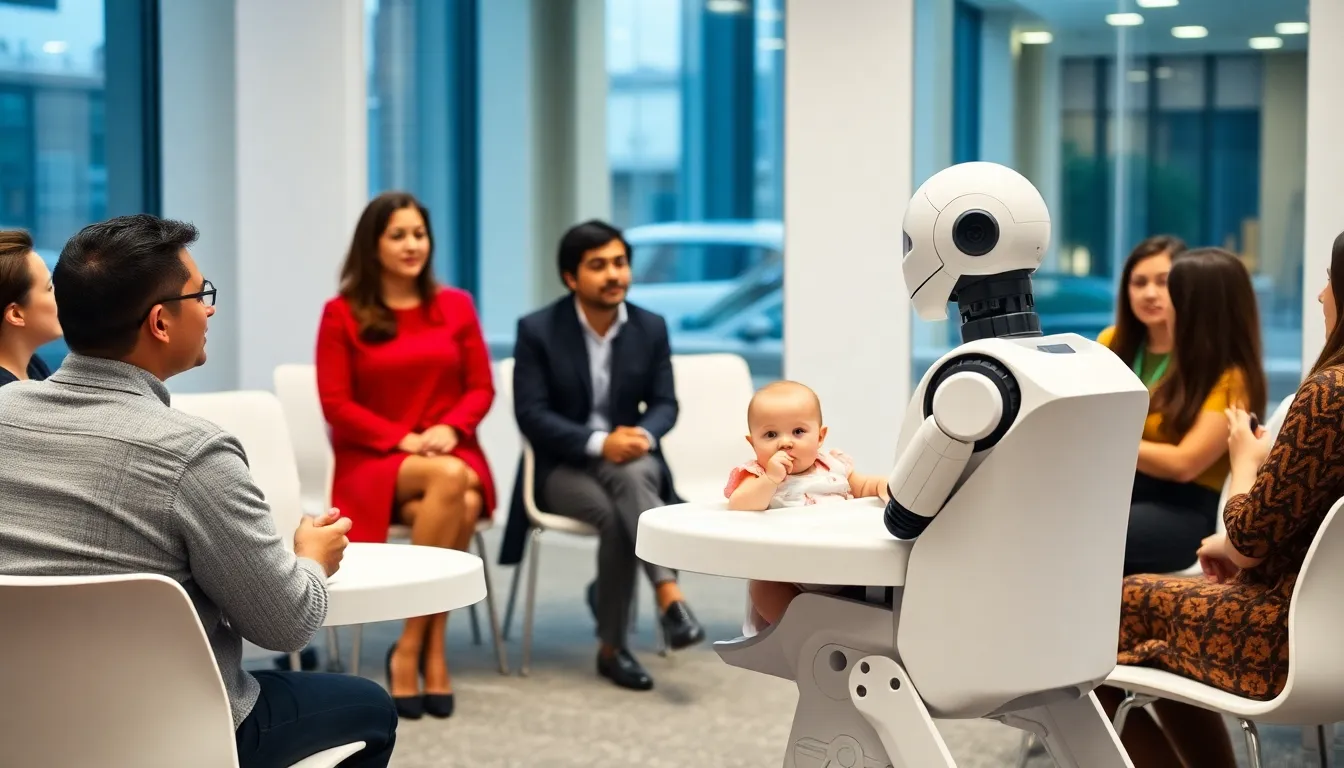
Simultaneously, the integration of robots and artificial intelligence in healthcare presents both opportunities and challenges for infant care. In recent months, several hospitals have begun using robotic systems to assist in monitoring infant health, streamline caregiving, and even support parents in nurturing their newborns. However, experts warn that reliance on technology must be balanced with the need for human interaction, which is crucial for healthy emotional and cognitive development in infants. For more on how technology is currently impacting health sectors, see our article on the current state of inside health.
Moreover, the intersection of climate change and technological advancements raises ethical questions about the future of childcare. As countries implement policies aimed at reducing carbon emissions, there is a growing concern about how these measures will affect access to essential services for families with young children. A study released in August 2023 by the United Nations Children’s Fund (UNICEF) highlights that low-income families may struggle to adapt to new technologies that could mitigate climate impacts, potentially exacerbating existing inequalities. This resonates with the ongoing discussions about the impact of flu on local hospitals, where similar challenges in accessibility are emerging.
As we move forward, the collaboration between policymakers, healthcare providers, and technology developers will be essential in addressing these intertwined challenges. Initiatives aimed at creating sustainable environments for infants, while also leveraging technology to enhance care, are crucial. The ongoing dialogue among stakeholders will determine how effectively society can protect its most vulnerable members from the dual threats of climate change and technological disruption.
The role of climate change in shaping the future of child care
As climate change accelerates, its impact on societal structures, including child care, becomes increasingly evident. The rise in global temperatures, extreme weather events, and shifting ecological patterns have created a pressing need for families and communities to adapt. This adaptation is not only about protecting the environment but also about ensuring that future generations can thrive in a changing world.
Historically, child care has evolved alongside societal changes and economic demands. In the early 20th century, child care was primarily a familial responsibility, with limited external support. However, as more women entered the workforce and urbanization increased, the need for structured child care services grew. The introduction of policies supporting child care in the latter half of the century reflected a recognition of the importance of early childhood development, yet these policies often overlooked environmental considerations.
The intersection of climate change and child care became more pronounced in the 21st century. Events such as Hurricane Katrina in 2005 and the California wildfires have highlighted the vulnerabilities of child care facilities during natural disasters. These events not only disrupt services but also expose children to trauma and instability, raising questions about the resilience of child care systems in the face of climate-related challenges.
Milestones in Child Care and Environmental Policy
Key milestones, such as the establishment of the United Nations Sustainable Development Goals in 2015, have emphasized the importance of integrating environmental sustainability into all aspects of human development, including child care. The recognition that children are disproportionately affected by climate change has sparked initiatives aimed at creating more sustainable and resilient child care environments. These include green building practices, outdoor learning environments, and curricula that educate children about environmental stewardship. Understanding the significance of these initiatives is similar to the historical shifts in caregiving as discussed in our piece on Vulture City Ghost Town, highlighting how past changes influence current practices.
As awareness of these issues grows, the political landscape surrounding child care is also shifting. Policymakers are increasingly called upon to create frameworks that not only support child care accessibility but also prioritize ecological sustainability. This evolution reflects a broader societal shift towards recognizing the interconnectedness of climate change, economic stability, and the well-being of future generations.
Key stakeholders in the intersection of robotics and early childhood
As the fields of robotics and early childhood development converge, various stakeholders emerge, each with distinct interests and concerns. These include technology companies, educational institutions, parents, policymakers, and environmental organizations. The interplay of their goals shapes the landscape of how robots are integrated into the lives of infants and toddlers.
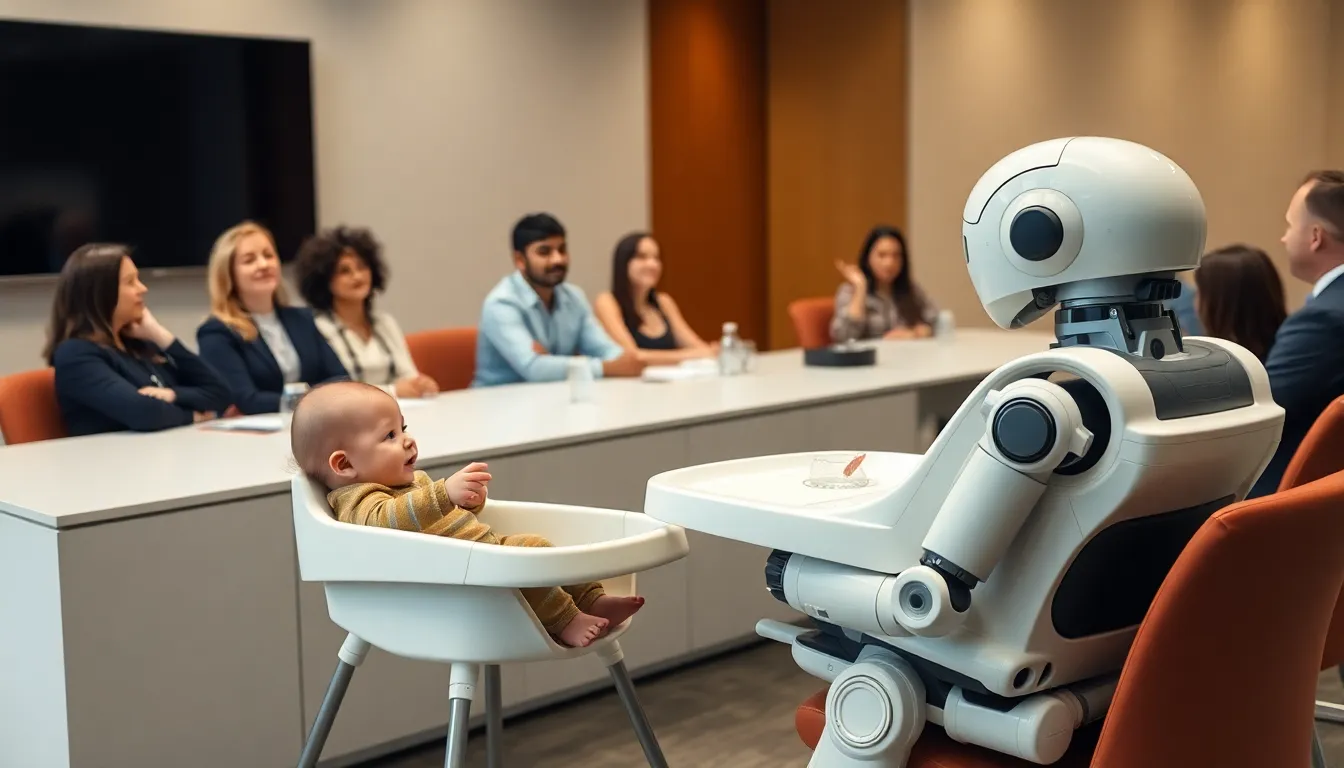
Technology companies are at the forefront, driven by the desire to innovate and capture market share. They aim to develop robots that can assist in early childhood education, enhance learning experiences, and provide support to caregivers. However, their interests may conflict with concerns about the potential over-reliance on technology, which could impact social development in children.
Educational institutions play a critical role in assessing the effectiveness of robotic tools in early learning environments. They are interested in research and data that demonstrate the benefits of integrating robotics into curricula. Yet, they face challenges in aligning these technologies with educational standards and ensuring that they do not replace human interaction.
- Parents are often concerned about the balance between technology use and traditional parenting methods.
- Policymakers must navigate regulations that govern the use of robots in educational settings, considering both safety and ethical implications.
- Environmental organizations advocate for sustainable practices in the development of robots, emphasizing the need for eco-friendly materials and energy sources.
The economic implications of integrating robots into early childhood settings are significant. Investment in robotics can lead to job creation in tech sectors, but it may also disrupt traditional roles in childcare and education. Additionally, the legal landscape surrounding data privacy and child safety is evolving, necessitating careful consideration from all stakeholders involved.
How these developments affect families and the environment
The intersection of babies, robots, and climate change has far-reaching implications for various groups, industries, and regions. Families, particularly those with young children, are directly impacted by these developments as they navigate the challenges posed by climate change while also adapting to technological advancements in robotics. Parents are increasingly concerned about the safety and sustainability of their environments, which can affect their choices regarding housing, transportation, and childcare.
Industries such as healthcare, education, and technology are also feeling the effects. In the short term, there is a growing demand for smart technologies that can monitor environmental conditions, ensuring the safety of children. For instance, smart home devices that track air quality can help families mitigate the risks associated with pollution. In the mid-term, businesses that adapt to these changes may find new opportunities for growth, particularly in developing eco-friendly products and services tailored to families.
Regions most affected are those facing severe climate challenges, such as coastal areas vulnerable to rising sea levels and urban centers grappling with heatwaves. Families in these regions may experience disruptions in daily life, including the need to relocate or invest in home modifications. However, these challenges also present opportunities for local governments and businesses to innovate and invest in resilient infrastructure and sustainable practices.
- Risks: Increased health concerns for children due to environmental factors.
- Opportunities: Growth in green technology and sustainable products.
- Risks: Economic strain on families in high-risk areas.
- Opportunities: Enhanced community support and collaboration on climate initiatives.
As the landscape continues to evolve, policymakers will need to address these issues by creating regulations that promote sustainability while fostering innovation in robotics and technology. The focus will likely shift towards integrating climate resilience into family-oriented policies, ensuring that both current and future generations can thrive in a changing world.
A: Robots can help monitor infants, provide educational interactions, and assist parents with daily tasks, making child care more efficient. A: Climate change can lead to increased air pollution and heat waves, which may negatively affect newborn health and development. A: Yes, ethical concerns include the potential for reduced human interaction and the implications of relying on technology for nurturing. A: Safety features such as soft materials, rounded edges, and strict testing protocols are implemented to ensure that robots are safe for infants. A: Parents are crucial in guiding the use of robots, ensuring they complement traditional caregiving rather than replace it.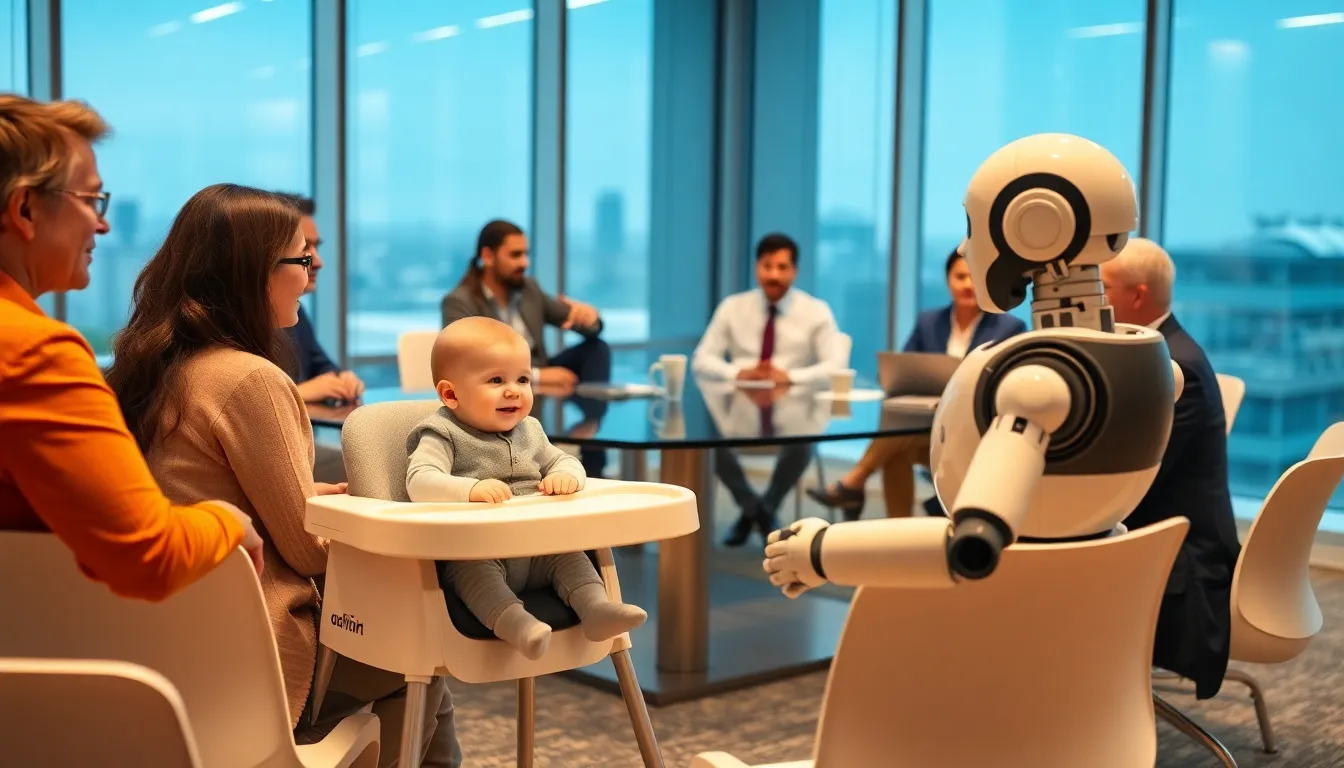
Frequently asked questions about babies, robots, and climate change
Key insights and future outlook on technology and child care
The intersection of technology, child care, and environmental sustainability presents a unique landscape for future development. As society grapples with the challenges posed by climate change, the integration of robotics and AI into childcare settings could provide innovative solutions that enhance both child development and environmental stewardship. This evolving dynamic not only reflects a shift in how we approach parenting but also underscores the potential for technology to play a pivotal role in shaping healthier, more sustainable futures for our children.
Looking ahead, there are several key areas to monitor as advancements in robotics and AI continue to influence the childcare sector. The implications for both child development and climate resilience are significant, suggesting a need for ongoing dialogue and adaptation within families and communities.
- Increased reliance on technology: Parents may increasingly turn to robotic assistants for childcare, necessitating discussions about the balance between technology and human interaction.
- Environmental education: Incorporating sustainability into childcare practices can foster a sense of responsibility towards the planet from an early age.
- Policy development: As technology evolves, there will be a need for policies that ensure the safe and ethical use of robotics in childcare environments.
- Research opportunities: Ongoing studies into the effects of technology on child development will be crucial for understanding best practices.
- Community engagement: Collaborative efforts between technologists, educators, and parents will be essential to create supportive environments for children in a tech-driven world.