


Cosmic dust, composed of tiny particles from comets, asteroids, and other celestial bodies, is believed to have contributed essential organic compounds to the early Earth. Scientists are exploring how these compounds could have formed the basis for complex organic molecules, potentially leading to the emergence of life. The Sydney lab’s efforts to recreate these conditions in a controlled environment are significant, as they may help clarify the pathways through which life could have originated. For more on the implications of such scientific work, check out our article on the current state of inside health.
In a notable experiment, researchers have successfully produced synthetic cosmic dust that mimics the chemical properties of its natural counterparts. This breakthrough was achieved in late 2023, showcasing the lab’s commitment to unraveling the mysteries of life’s beginnings. By analyzing the synthesized dust, scientists aim to better understand the processes that may have facilitated the transition from simple organic molecules to more complex structures. This resonates with our exploration of technological advancements in various fields.
The implications of this research extend beyond academic curiosity; understanding how life began can inform our search for extraterrestrial life and the conditions necessary for its existence elsewhere in the universe. As space exploration continues to expand, the insights gained from studying cosmic dust may prove invaluable in identifying habitable environments on other planets.
The historical context of cosmic dust research and its implications for astrobiology
The study of cosmic dust has evolved significantly since the mid-20th century, driven by advancements in both technology and our understanding of the universe. Initially, researchers focused on the collection and analysis of meteoric dust, which provided the first clues about the chemical compositions of celestial bodies. This groundwork laid the foundation for astrobiology, the field dedicated to exploring the origins and evolution of life in the universe.
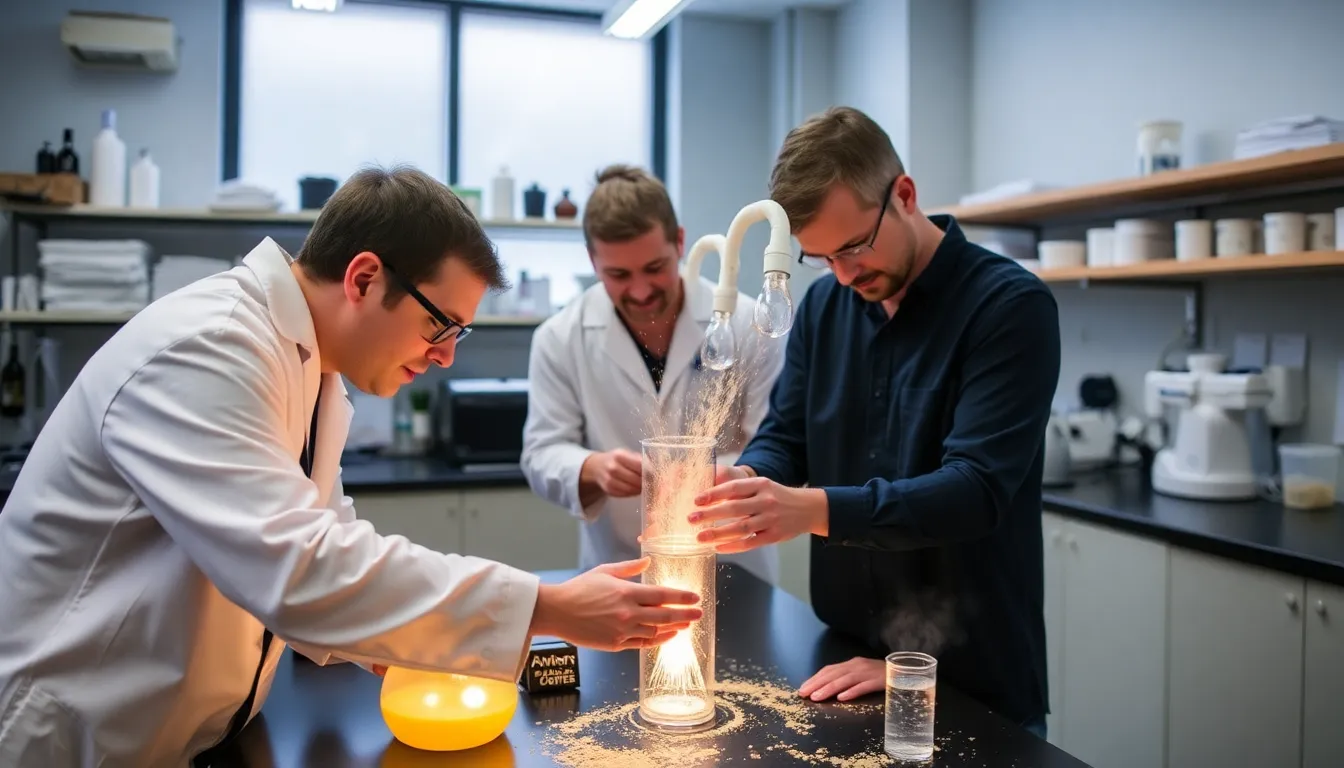
In the 1970s, the discovery of organic molecules in meteorites sparked a revolution in astrobiological research. Scientists began to theorize that these complex molecules could be precursors to life, suggesting that the building blocks of life might be more widespread than previously thought. This period marked a shift in perspective, as researchers started to consider not only how life began on Earth but also the potential for life elsewhere in the cosmos.
Key milestones in cosmic dust research
Several key milestones have shaped the trajectory of cosmic dust research. The launch of space missions, such as the Stardust mission in 1999, allowed scientists to collect samples of cometary dust and return them to Earth for analysis. These samples revealed the presence of amino acids and other organic compounds, reinforcing the idea that cosmic dust could harbor the ingredients necessary for life.
In recent years, laboratories, including those in Sydney, have taken innovative approaches to synthesize cosmic dust in controlled environments. This research aims to replicate the conditions under which organic compounds form in space, providing deeper insights into the processes that may have led to the emergence of life on Earth. The intersection of laboratory work and field studies continues to enrich our understanding of cosmic dust and its implications for astrobiology, similar to the way we analyze the dynamics of tech life in the modern world.
As we advance further into the 21st century, the collaboration between astrophysicists, chemists, and biologists has become increasingly vital. This multidisciplinary approach not only enhances our knowledge of cosmic dust but also fuels the ongoing quest to uncover the mysteries of life’s origins, both on our planet and beyond.
Key stakeholders in the research and the challenges they face
In the quest to understand the origins of life, several key stakeholders are involved in the research surrounding cosmic dust and its potential to reveal fundamental biological processes. These stakeholders include scientific researchers, academic institutions, private companies, and government agencies.
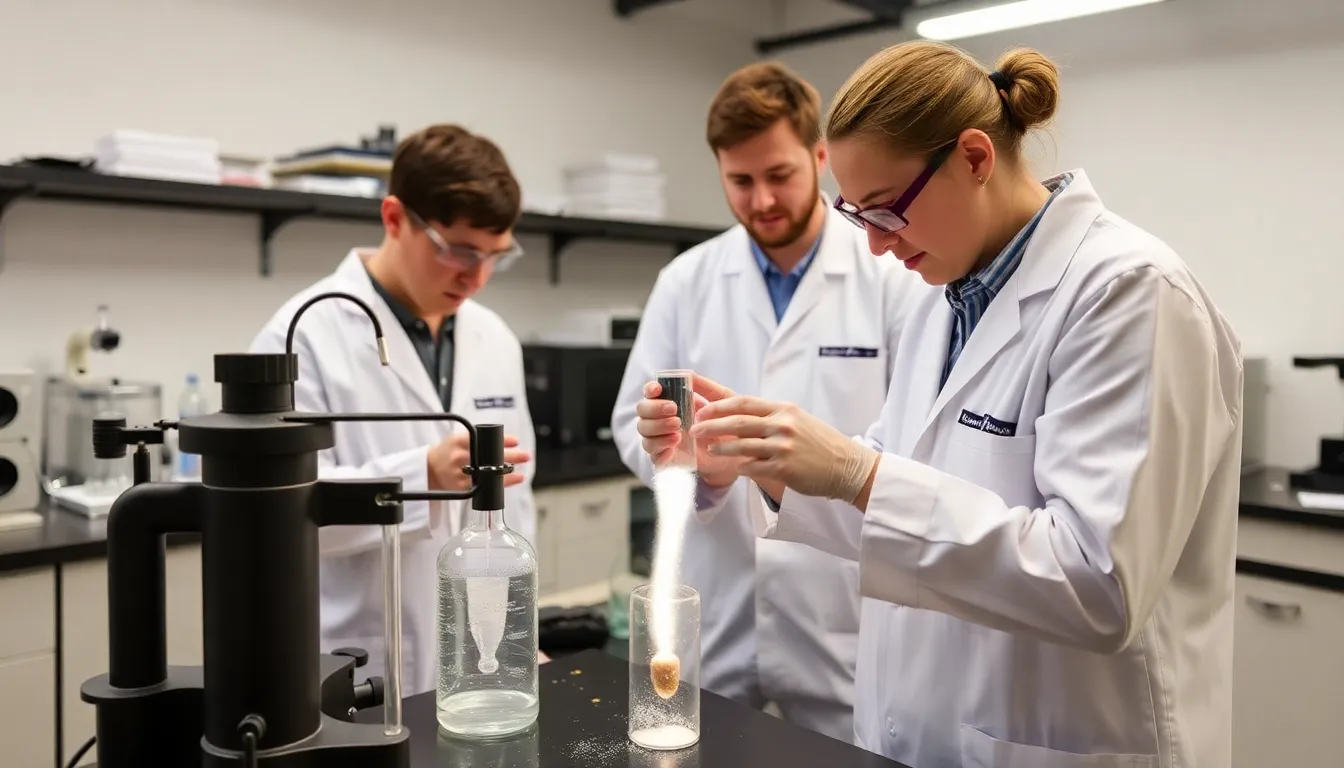
Researchers at the forefront of this field are primarily interested in uncovering the chemical processes that could lead to the formation of life. Their work is often supported by academic institutions, which provide the necessary infrastructure and funding for advanced experiments. However, the pursuit of knowledge is not without its challenges, including securing ongoing funding and navigating the complexities of peer-reviewed publication.
Private companies, particularly those in the biotechnology and materials science sectors, have a vested interest in the outcomes of this research. They seek to leverage findings to develop innovative products or processes that could have commercial applications. This creates a potential conflict between the pursuit of pure scientific knowledge and the commercial interests of private entities, raising questions about intellectual property rights and access to research findings.
- Government agencies play a crucial role in funding and regulating research, often setting the priorities for scientific inquiry based on public interest.
- International collaborations may arise, leading to complex legal considerations regarding data sharing and ownership of discoveries.
- Ethical concerns surrounding the manipulation of biological materials can lead to public scrutiny and regulatory challenges.
- The potential for commercial exploitation of research findings raises issues about equitable access to the benefits of scientific advancements.
As these stakeholders navigate their interests, the interplay between scientific discovery, funding, and ethical considerations will shape the future of research in this exciting field. Understanding these dynamics is essential for grasping the broader implications of the work being conducted in laboratories, such as the one in Sydney, that are pioneering efforts to create cosmic dust from scratch.
How this research impacts scientific communities and potential future discoveries
The exploration of cosmic dust and its implications for understanding the origins of life has far-reaching consequences for various scientific communities. Astrobiologists, chemists, and planetary scientists are at the forefront of this research, potentially redefining our understanding of life’s beginnings. This work not only influences academic circles but also has the potential to impact industries related to space exploration and biotechnology.
In the short term, laboratories and research institutions involved in cosmic studies may see increased funding and collaboration opportunities. As interest in the origins of life grows, educational institutions could also benefit from enhanced programs focusing on astrobiology and planetary sciences. This could lead to a surge in student enrollment in related fields, subsequently affecting job markets in science and education.
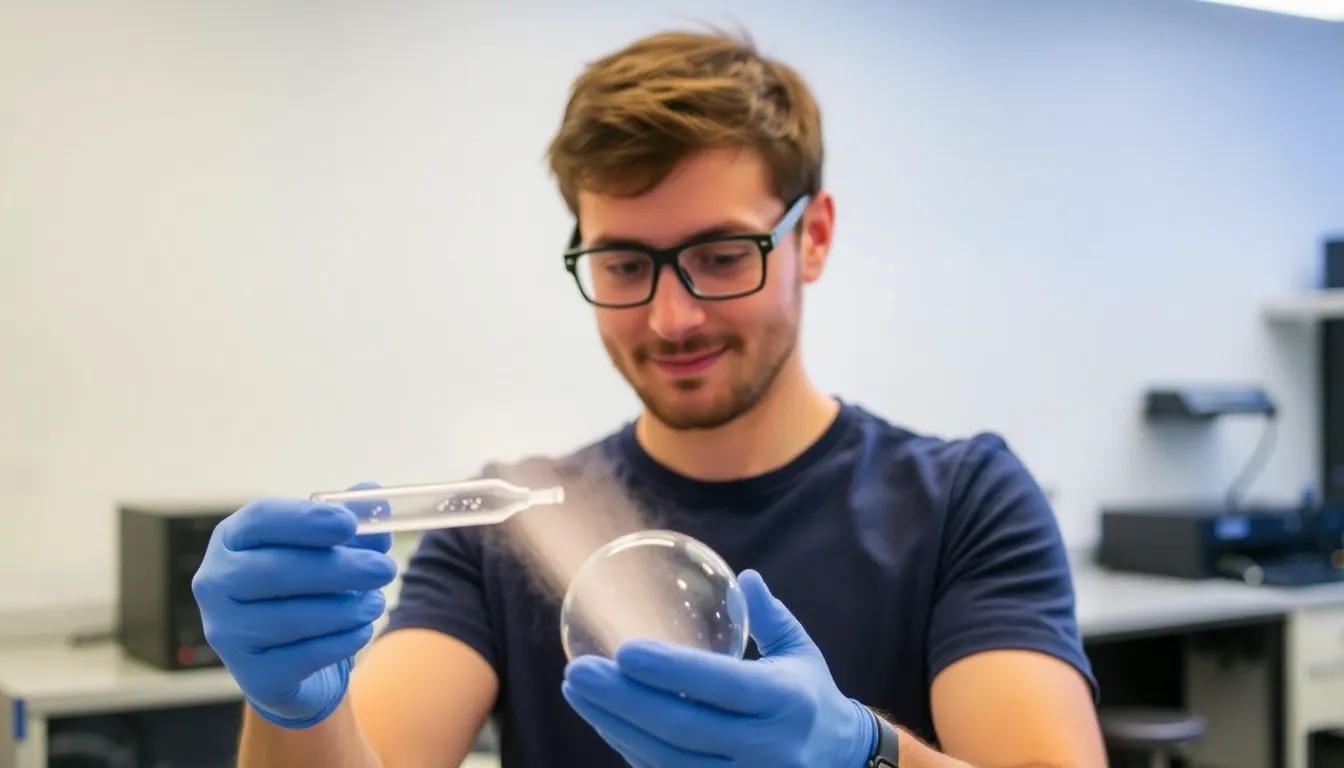
In the mid-term, businesses in the aerospace sector may find new avenues for innovation. Companies focused on space exploration could develop technologies to capture and analyze cosmic dust, leading to advancements in materials science and nanotechnology. Additionally, the potential to synthesize life-like structures in laboratories could pave the way for breakthroughs in synthetic biology and pharmaceuticals.
- Opportunities: Enhanced research funding and educational programs.
- Business Growth: Innovations in aerospace and biotechnology sectors.
- Policy Development: Increased governmental interest in supporting space research initiatives.
However, this research also presents risks. The ethical implications of creating life-like structures in a lab may provoke public debate and regulatory scrutiny. There is also the possibility of misinterpretation of findings, which could lead to misinformation about the origins of life and its implications for humanity. Balancing scientific advancement with ethical considerations will be crucial as this field evolves.
A: Cosmic dust consists of tiny particles from space that can provide crucial information about the formation of planets and the origins of life. Studying this dust helps scientists understand the chemical processes that may have led to life on Earth. A: The Sydney lab uses advanced techniques to synthesize cosmic dust in controlled environments, mimicking the conditions of space. This allows researchers to study its properties and potential role in the origin of life. A: Research on cosmic dust has led to significant insights into the building blocks of life, including amino acids and other organic compounds. These findings suggest that the ingredients for life may be more widespread in the universe than previously thought. A: Yes, by understanding the composition of cosmic dust, scientists can identify similar materials on other planets and moons, which may indicate the potential for life beyond Earth. A: Continued research on cosmic dust may lead to breakthroughs in our understanding of life’s origins and the conditions necessary for life to exist elsewhere in the universe.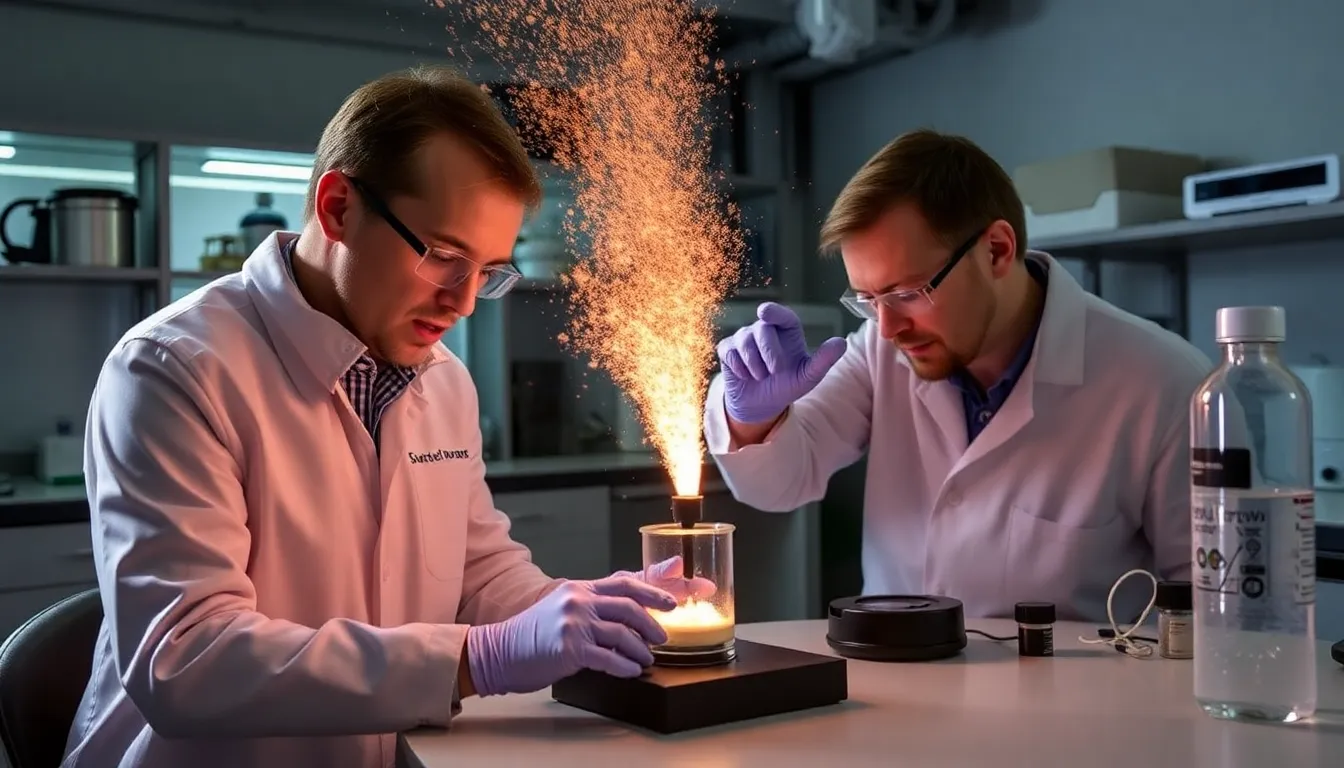
Frequently asked questions about cosmic dust and life origins
Future directions and key takeaways from the study of cosmic dust
The exploration of cosmic dust presents a unique opportunity to unravel the mysteries of life’s origins. As researchers in Sydney work on synthesizing this material, their findings could illuminate the conditions that fostered the emergence of life on Earth and potentially elsewhere in the universe. This innovative approach not only enhances our understanding of astrobiology but also opens new avenues for scientific inquiry and technological advancement.
Looking ahead, the implications of this research extend beyond theoretical knowledge. The ability to create and analyze cosmic dust in a laboratory setting may lead to breakthroughs in various fields, including planetary science, chemistry, and even the search for extraterrestrial life. As we continue to study these microscopic particles, several key insights and scenarios warrant attention.
- Advancements in synthetic cosmic dust could lead to improved models of planetary formation and evolution.
- Understanding the chemical composition of cosmic dust may provide clues about the building blocks of life and the conditions necessary for its emergence.
- This research might enhance our methods for detecting biosignatures on other planets, refining the search for extraterrestrial life.
- Collaborations between laboratories and space agencies could accelerate the development of technologies to collect and analyze cosmic dust in situ during space missions.
- Insights gained from cosmic dust studies may inspire new materials and processes in various industries, from pharmaceuticals to environmental science.