


The contracts in question were initially signed in 2021, granting the Hong Kong firm rights to manage key port facilities along the Panama Canal. However, the Panamanian authorities cited issues such as inadequate investment and failure to meet operational benchmarks as reasons for the termination. For more details, you can read about similar cases in the article on Panama’s supreme court cancelling contracts with a Hong Kong company. This move is expected to impact trade logistics in the region.
Officials from the Panamanian government emphasized the importance of ensuring that port operations align with national interests and economic goals. The decision has sparked discussions about the future of foreign investments in Panama, particularly in critical infrastructure sectors. Stakeholders are now closely monitoring how this situation will evolve and its potential implications for international trade.
The Hong Kong firm has yet to publicly respond to the decision, leaving uncertainties regarding potential legal actions or appeals. As Panama navigates this complex scenario, the global shipping community is watching for further developments that may affect maritime trade routes and investment dynamics in Central America.
Understanding the background of the canal port agreements
The Panama Canal, a crucial maritime route connecting the Atlantic and Pacific Oceans, has been a focal point of international trade since its completion in 1914. Historically, the canal has been a source of national pride for Panama, having been transferred from U.S. control to Panamanian sovereignty in 1999. This transition marked a significant shift in the country’s economic and political landscape, elevating the importance of the canal in Panama’s development strategy.
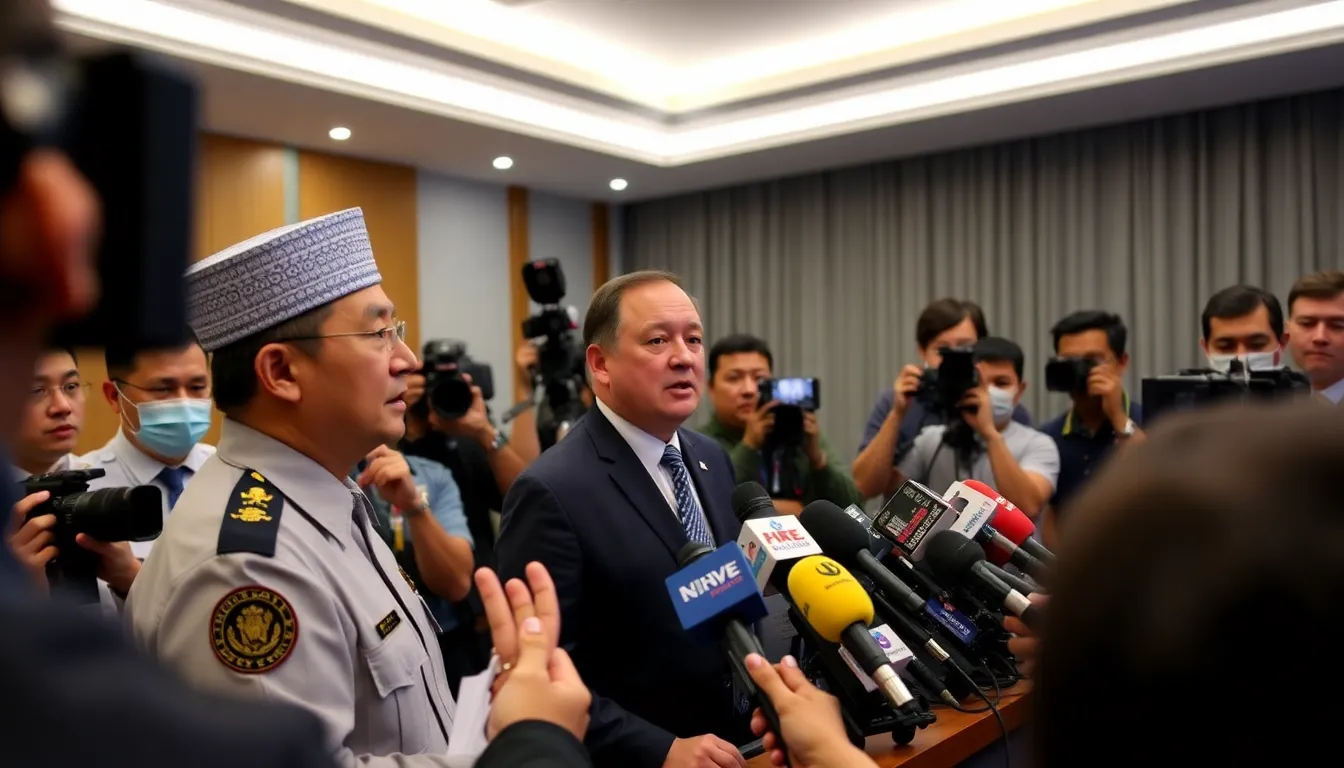
In recent years, the Panamanian government has sought to enhance the canal’s capacity and efficiency through public-private partnerships. These initiatives have attracted foreign investment, including from firms based in Hong Kong, which have shown interest in developing port facilities to support the growing maritime traffic. The agreements and contracts established with these foreign entities have not been without controversy, often raising questions about regulatory compliance and national interests. This situation draws parallels to the issues highlighted in the recent article on Panama’s court decisions.
Key milestones in the canal’s development
One of the critical milestones in the canal’s recent history was the expansion project completed in 2016, which allowed for larger vessels to transit through the canal. This expansion was expected to boost Panama’s economy significantly, leading to increased competition among international shipping companies. However, as the demand for port facilities surged, tensions arose over the management and ownership of these facilities, particularly concerning contracts awarded to foreign firms.
The recent decision by Panama to void contracts with a Hong Kong-based firm reflects deeper issues regarding governance, transparency, and the balance between foreign investment and national sovereignty. This move is not only a response to perceived irregularities in the contractual agreements but also part of a broader strategy to ensure that Panama’s economic assets remain under national control. This situation is crucial for understanding the dynamics of international trade, much like the implications discussed in the context of other foreign investments in Panama.
Analyzing the stakeholders involved and key issues
The recent decision by Panama to void contracts with a Hong Kong-based firm for canal port operations has brought various stakeholders to the forefront. Key actors include the Panamanian government, the Hong Kong firm, local businesses, and international shipping companies. Each of these stakeholders has distinct interests that influence their responses to the situation.
The Panamanian government aims to maintain control over its strategic canal operations while ensuring economic benefits for its citizens. By terminating the contracts, they may seek to negotiate better terms or attract new investment that aligns more closely with national interests. This move could also be seen as an attempt to assert sovereignty over critical infrastructure.
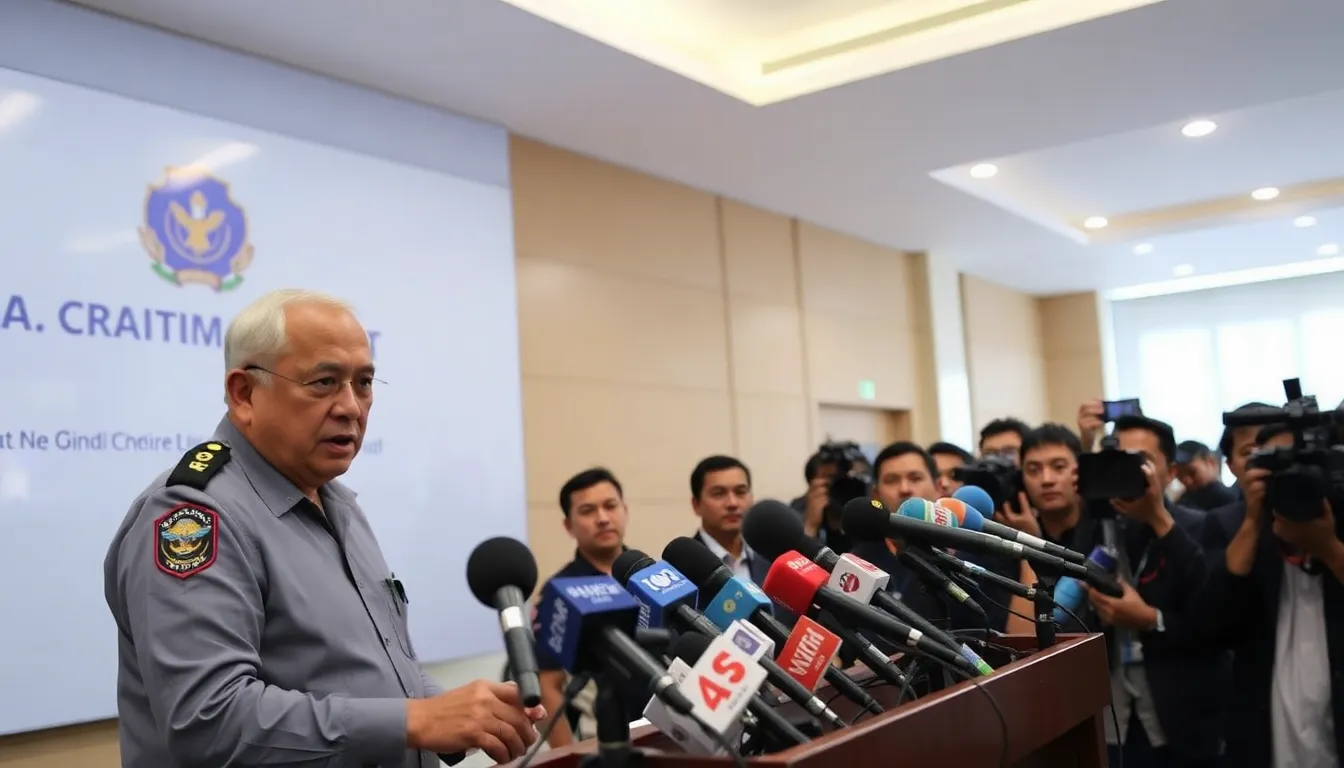
On the other hand, the Hong Kong firm, which invested significant resources into the canal port contracts, faces potential financial losses and reputational damage. Their interests lie in upholding the contracts and protecting their investment, which could lead to legal disputes. This situation raises questions about the enforceability of international contracts and the legal frameworks that govern such agreements.
Local businesses in Panama, particularly those dependent on the canal’s operations, may have mixed reactions. While some may support the government’s decision for potential new opportunities, others may fear disruption in services or economic instability. The balance of interests among local stakeholders will be crucial in shaping the broader economic landscape.
- Legal implications: The voiding of contracts could lead to legal battles over breach of contract and international arbitration.
- Economic impact: The decision may affect trade flows and shipping costs, influencing global supply chains.
- Political ramifications: This action may alter Panama’s relationships with foreign investors and other nations.
- Public perception: The government’s decision could be viewed as either a protective measure or a risk to foreign investment.
- Future negotiations: The outcome may set a precedent for future contracts and negotiations involving the canal.
Impact on the canal industry and affected parties
The decision by Panama to void contracts with a Hong Kong-based firm for canal port operations has far-reaching implications for various groups and industries. Primarily, the shipping and logistics sector, which relies heavily on the Panama Canal for transit, is poised to feel the immediate effects. This includes shipping companies, freight forwarders, and logistics providers who depend on efficient canal operations to facilitate global trade.
In the short term, the cancellation of these contracts may lead to disruptions in shipping schedules, increased transit times, and potential cost escalations for businesses that rely on timely deliveries. The uncertainty surrounding the canal’s operations could also influence shipping rates, as companies may need to adjust their logistics strategies to accommodate potential delays.
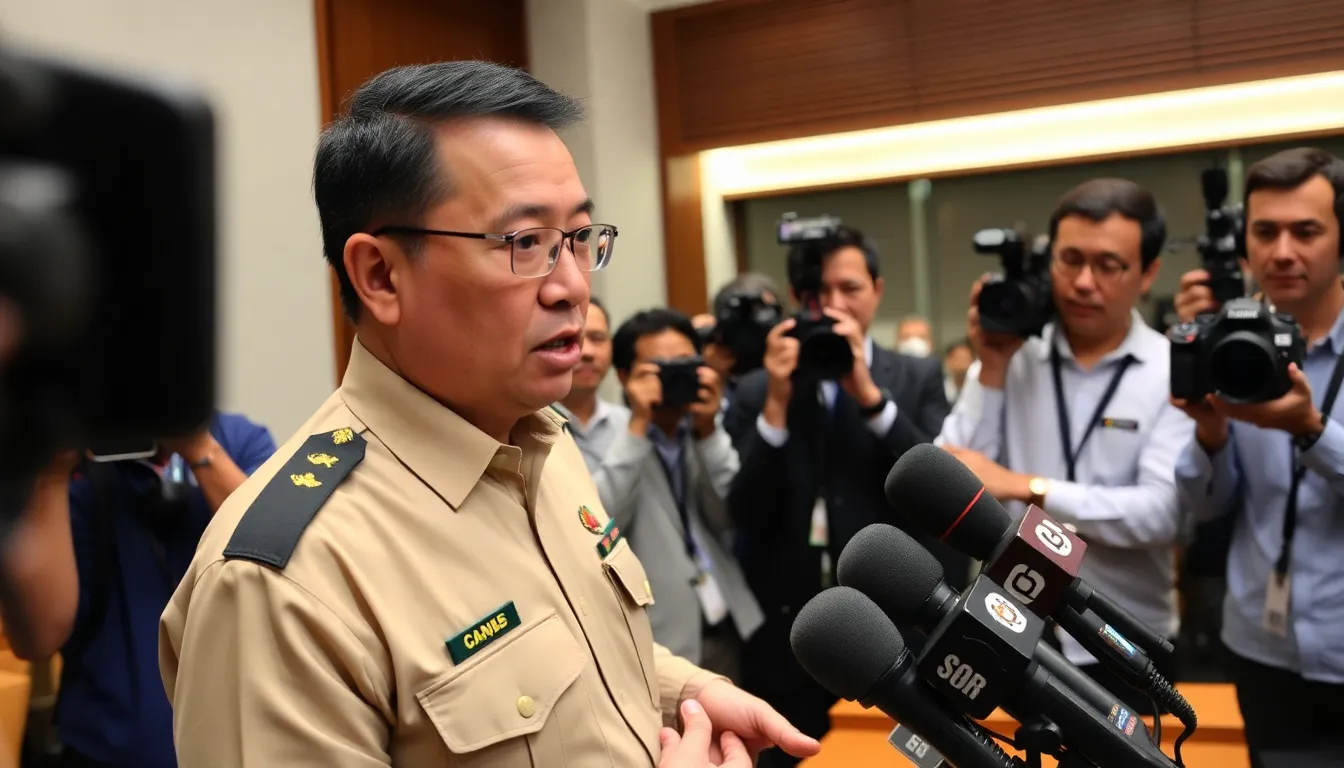
In the mid-term, the situation could prompt a reevaluation of investment strategies in the region. Stakeholders in the maritime industry may seek to diversify their operations or explore alternative routes, which could shift traffic patterns and economic activity away from Panama. Additionally, local businesses that depend on the canal for tourism and trade may experience fluctuations in revenue, impacting jobs and economic stability in the region.
- Shipping companies: Increased operational costs and delays.
- Local businesses: Potential revenue loss due to decreased traffic.
- Government policy: Possible changes in regulations or contracts to attract new investors.
- Logistics providers: Need to adapt to new shipping routes and schedules.
Despite these challenges, there are potential opportunities that could arise from this situation. For instance, the voiding of contracts may open the door for new partnerships with other firms that could bring innovative solutions and investments to the canal’s operations. This shift could also encourage the Panamanian government to enhance its infrastructure and services, thereby improving overall efficiency and competitiveness in the global market.
A: Panama voided the contracts due to concerns over compliance and the firm’s ability to meet operational standards. This decision reflects Panama’s commitment to maintaining high standards for canal operations. A: The cancellation of contracts could significantly impact the firm’s business operations and reputation in international markets. They may also face financial losses as a result of this decision. A: The voiding of these contracts may lead to temporary disruptions in canal operations, but Panama is likely to seek new partners to ensure continued efficiency and service quality. A: Legal repercussions could arise if the firm decides to contest the cancellation, potentially leading to a lengthy legal battle over contractual obligations and rights. A: The future of canal port contracts in Panama will depend on the government’s ability to attract reliable partners who can meet the necessary operational standards and contribute positively to the economy.
Frequently asked questions about the contract cancellation
Key takeaways and future outlook on canal operations
The recent decision by Panama to void contracts with a Hong Kong-based firm for canal port operations marks a significant shift in the management of one of the world’s most crucial maritime routes. This development raises questions about the future of international investment in Panama’s infrastructure and the potential for increased state control over strategic assets. As the global shipping industry continues to grapple with evolving trade dynamics, stakeholders must closely monitor how these changes will impact both regional and global shipping patterns.
Furthermore, the voiding of these contracts could prompt other nations to reassess their own agreements with foreign firms, particularly in sectors deemed vital to national interests. The long-term implications for Panama’s economy and its relationships with international partners will be crucial to observe in the coming months.
- Investment Climate: Watch for shifts in foreign investment as companies reassess the risks of operating in Panama.
- Regional Trade Dynamics: Monitor how this decision affects shipping routes and trade agreements in Central America.
- State Control vs. Private Investment: Observe the balance Panama strikes between state control and attracting private investment in infrastructure.
- Legal and Regulatory Framework: Expect potential changes in Panama’s legal and regulatory landscape regarding foreign contracts.
- Impact on Global Shipping: Track how this situation influences global shipping rates and logistics strategies.