


His departure is set to take effect in June 2024, marking the end of a significant chapter in Marsalis’s career. Under his leadership, JALC has not only showcased countless performances but has also played a crucial role in educational initiatives aimed at fostering a new generation of jazz musicians.
The decision has sparked discussions about the future direction of the organization and who will succeed Marsalis in this influential position. His contributions have shaped the jazz landscape, and many are keen to see how JALC will evolve without his guiding vision.
As Marsalis prepares to leave, he emphasizes the importance of mentorship and the need for fresh perspectives in the arts. His legacy at Jazz at Lincoln Center is expected to continue influencing the jazz community long after his departure.
Understanding the significance of Marsalis’s role in jazz
Wynton Marsalis, an acclaimed trumpeter and composer, has been a pivotal figure in the jazz world since the late 20th century. His contributions extend beyond performance; he has played a crucial role in the preservation and promotion of jazz as a vital American art form. As the founder of Jazz at Lincoln Center in 1987, Marsalis has been instrumental in elevating the genre’s status, advocating for its cultural importance, and providing a platform for both established and emerging artists.
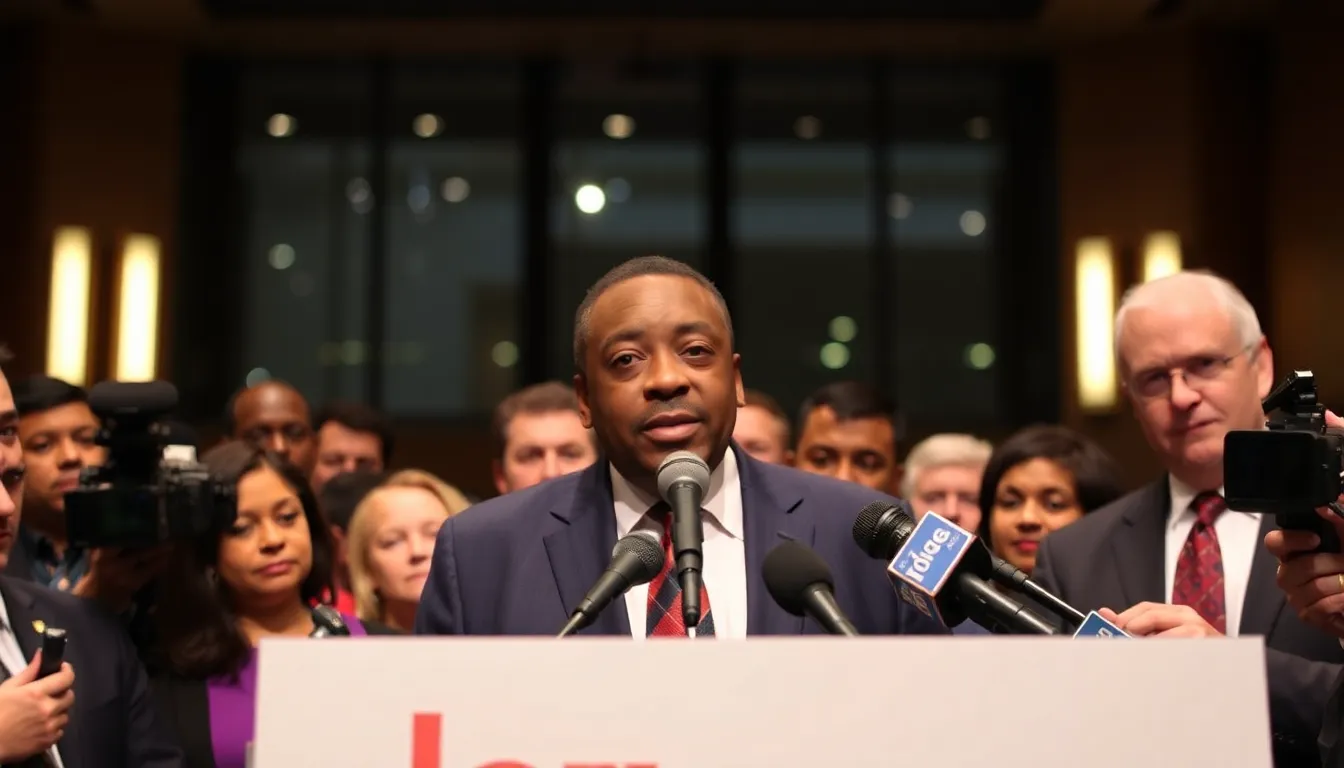
Historically, jazz has roots in African American communities, emerging in the early 20th century as a fusion of various musical styles. However, as the genre evolved, it faced challenges, including commercial pressures and a struggle for recognition within the broader cultural landscape. Marsalis’s establishment of Jazz at Lincoln Center was a direct response to these challenges, aiming to create a dedicated space for jazz education, performance, and appreciation.
Over the decades, Marsalis has emphasized the importance of jazz as a form of storytelling and cultural expression. He has nurtured a rich legacy through educational programs and performances that highlight the genre’s historical significance and its role in social commentary. Notably, his efforts have coincided with a resurgence of interest in jazz, particularly among younger audiences, reflecting a broader cultural renaissance.
Key Milestones in Marsalis’s Career
Throughout his career, Marsalis has achieved several milestones that underscore his influence in the music world. He has won numerous Grammy Awards, received the prestigious National Medal of Arts, and has been a prominent advocate for arts education. His leadership at Jazz at Lincoln Center has seen the institution grow into a major cultural hub, hosting hundreds of performances annually and offering extensive educational outreach programs.
As Marsalis prepares to step down, the future of Jazz at Lincoln Center and the broader jazz community faces a critical juncture. His departure marks the end of an era, prompting reflections on the legacy he leaves behind and the ongoing challenges that jazz must navigate in a rapidly changing cultural environment.
Key stakeholders and implications of Marsalis’s decision
The announcement of Wynton Marsalis stepping down as the founder of Jazz at Lincoln Center has significant implications for various stakeholders involved in the jazz community and the broader cultural landscape. Key actors include Marsalis himself, Jazz at Lincoln Center, its board of directors, musicians, educators, and the audience that supports jazz music.
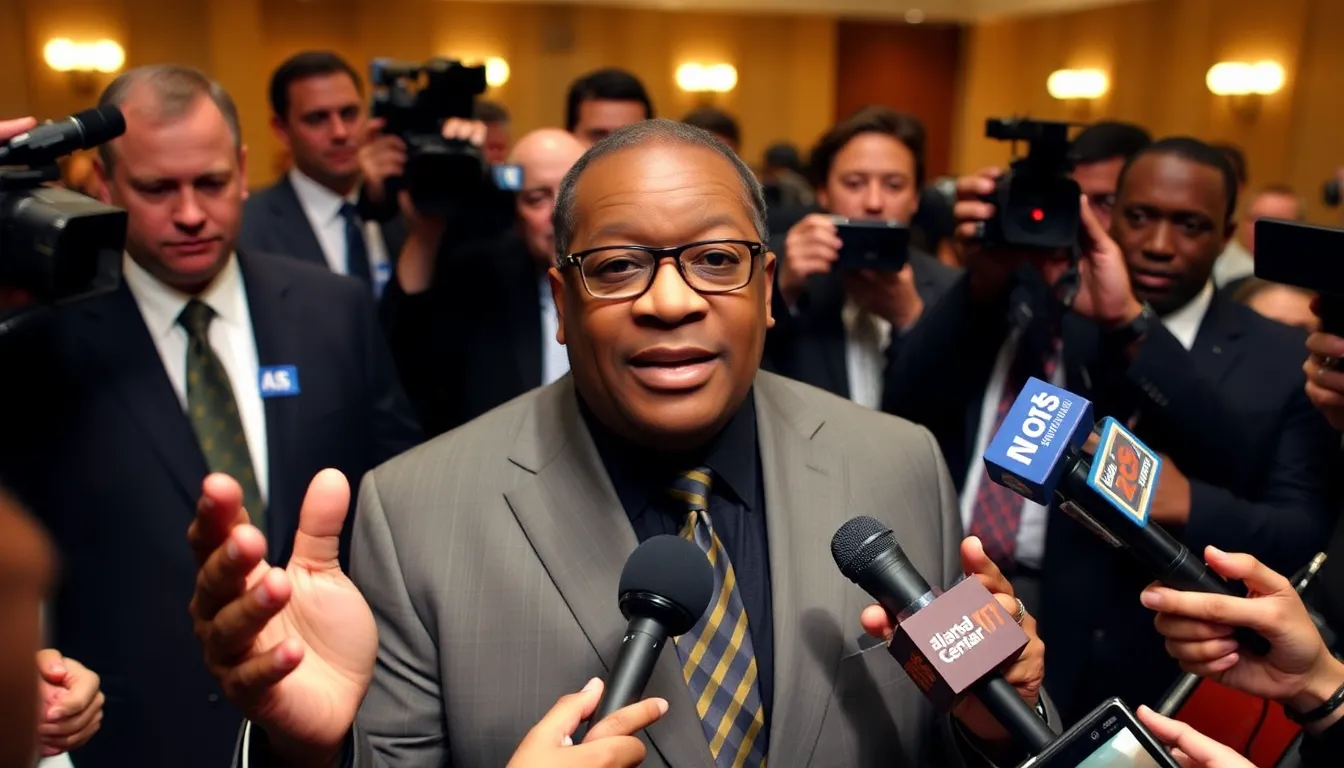
Wynton Marsalis, as a prominent figure in jazz, has been a driving force behind the institution’s mission to promote jazz as a vital American art form. His departure raises questions about the future direction of Jazz at Lincoln Center and how it will continue to fulfill its educational and artistic goals. The board of directors will need to navigate the transition carefully to maintain the organization’s integrity and vision.
Musicians and educators who rely on Jazz at Lincoln Center for performance opportunities and educational programs may experience uncertainty regarding the organization’s future leadership and programming. The potential for changes in artistic direction could impact their careers and the accessibility of jazz education for aspiring musicians. Additionally, the audience, which includes both local patrons and international visitors, may have varying reactions to Marsalis’s departure, influencing ticket sales and community support.
- Leadership Transition: The selection of a new leader may lead to shifts in programming and outreach efforts.
- Financial Stability: Changes in leadership could affect funding and sponsorship opportunities, impacting the organization’s budget.
- Artistic Direction: New leadership might bring different artistic visions, which could alter the types of performances and educational initiatives offered.
- Community Engagement: Maintaining relationships with the community and audiences will be crucial during this transition period.
- Legacy Considerations: Marsalis’s legacy will play a significant role in shaping the future identity of Jazz at Lincoln Center.
Overall, the decision for Marsalis to step down is multifaceted, with potential implications that extend beyond the organization itself, impacting the entire jazz ecosystem. Stakeholders will need to engage in open dialogue and collaborative efforts to ensure the continued success and relevance of jazz in contemporary society.
The potential effects on the jazz community and Jazz at Lincoln Center
The announcement of Wynton Marsalis stepping down as the founder of Jazz at Lincoln Center marks a significant shift in the jazz landscape. This transition will impact various groups, including musicians, educators, and jazz enthusiasts, as well as the broader cultural and artistic community. The immediate repercussions will be felt most acutely within the organization itself, but the ripples will extend to the entire jazz ecosystem.
In the short term, Jazz at Lincoln Center may experience uncertainty regarding leadership and direction. This could lead to a temporary decline in programming and community engagement as the organization navigates the transition. Musicians who rely on the institution for performance opportunities may find fewer gigs available, impacting their livelihoods and visibility in the jazz scene.

However, this change also presents opportunities for innovation and fresh perspectives within the organization. New leadership could bring about a revitalization of programming, attracting a younger audience and fostering emerging talent. This could lead to collaborations with other genres and art forms, expanding the reach of jazz beyond its traditional boundaries.
- Short-term risks: Decreased programming and performance opportunities for artists.
- Mid-term opportunities: Potential for new leadership to innovate and attract diverse audiences.
- Community impact: Possible decline in engagement from jazz enthusiasts during the transition period.
Regions with strong jazz traditions, such as New York City, may feel the effects more acutely, as Jazz at Lincoln Center plays a pivotal role in the local cultural scene. The institution’s ability to adapt and thrive in this new chapter will be crucial not only for its own sustainability but also for the vitality of jazz as an art form.
A: Wynton Marsalis has cited personal reasons and a desire for new leadership as key factors in his decision to step down from his role. A: Jazz at Lincoln Center will continue its mission to promote jazz music, with plans to appoint a new leader who aligns with its vision. A: Wynton Marsalis has been a pivotal figure at Jazz at Lincoln Center since its founding in 1987, serving as its artistic director. A: Marsalis has significantly influenced the jazz genre, promoting education, performance, and appreciation of jazz through various initiatives. A: While no candidates have been officially announced, there is speculation about several prominent figures in the jazz community who could take on the role.
Frequently Asked Questions about Marsalis’s departure
Looking ahead: The future of Jazz at Lincoln Center without Marsalis
The announcement of Wynton Marsalis stepping down as the founder of Jazz at Lincoln Center marks a significant transition for the institution and the jazz community at large. Marsalis has been a pivotal figure in redefining jazz, and his departure raises questions about the future direction of the organization and the genre itself. As Jazz at Lincoln Center prepares for this change, it will be crucial to observe how leadership and programming evolve to maintain the legacy while also embracing new voices and innovations in jazz.
In the coming months, stakeholders will be closely monitoring how the organization adapts to this leadership shift. The potential for new artistic directions and collaborations could redefine the center’s role in the jazz landscape, while also posing challenges in preserving the rich heritage that Marsalis championed. The balance between honoring the past and fostering future growth will be essential for sustaining the center’s relevance and impact.
- Leadership Transition: Watch for announcements regarding Marsalis’s successor and their vision for the future.
- Programming Changes: Anticipate shifts in concert lineups and educational initiatives that may reflect a broader range of jazz styles.
- Community Engagement: The center may increase efforts to connect with younger audiences and diverse communities to ensure jazz remains a vibrant art form.
- Partnerships and Collaborations: New leadership might explore collaborations with other genres and artists, potentially expanding jazz’s reach.