


The mayor, who was attending a community gathering, was reportedly injured but survived the attack. Eyewitnesses described the scene as chaotic, with attendees fleeing in panic as the explosion rocked the area. Local law enforcement has launched an investigation to identify the perpetrators and their motives.
This attack is part of a troubling trend in the Philippines, where political figures have increasingly become targets of violence, as discussed in another context regarding threats to local governance.
The implications of this attack extend beyond the immediate threat to the mayor’s life. It underscores the challenges faced by local governments in maintaining order and safety, as well as the broader issues of governance and rule of law in the country. As the investigation unfolds, the community and the nation remain on high alert for further developments.
Understanding the background of violence in the Philippines
The Philippines has a long and complex history of violence that is deeply rooted in its colonial past, as evidenced by various groups, including those involved in illegal activities, and ongoing political conflicts.

In recent decades, the rise of drug-related violence has further complicated the security landscape. The controversial war on drugs initiated by President Rodrigo Duterte in 2016 has led to thousands of extrajudicial killings, igniting both domestic and international outrage. This campaign has not only exacerbated violence but has also entrenched a culture of impunity among law enforcement and political figures, making local leaders vulnerable to attacks.
Political Turmoil and Local Governance
The political environment in the Philippines is often characterized by intense rivalry and corruption, a situation mirrored in discussions about governance failures related to public safety measures.
Moreover, the economic challenges faced by many communities contribute to a cycle of violence. High poverty rates and unemployment create fertile ground for criminal activities and gang violence. As local leaders struggle to implement effective governance and social programs, the lack of resources and support often leaves them vulnerable to both violence and corruption, perpetuating the cycle of instability.
Understanding these historical and socio-political dynamics is crucial in comprehending the gravity of the recent rocket launcher attack on the mayor. It serves as a stark reminder of the ongoing challenges faced by local leaders in the Philippines and the urgent need for comprehensive reforms to address the root causes of violence in the country.
Examining the implications of the attack on local governance
The recent rocket launcher attack on a mayor in the Philippines highlights significant concerns regarding local governance and public safety. Key actors in this scenario include the local government officials, law enforcement agencies, and the community. Each of these stakeholders has distinct interests that are now at the forefront of discussions surrounding this violent incident.

Local government officials, particularly the mayor, are primarily focused on maintaining their authority and ensuring the safety of their constituents. This attack not only threatens the individual but also raises questions about the effectiveness of local governance in the face of escalating violence. Law enforcement agencies are under pressure to respond effectively, restore order, and prevent further incidents, which may require reallocating resources and increasing security measures.
The community’s response is multifaceted, as residents seek reassurance and protection from violence. There is a growing concern over the implications of such attacks on democratic processes and civic engagement. The incident may lead to increased fear and mistrust among citizens, potentially diminishing public participation in local governance.
- Security Concerns: The attack underscores the urgent need for enhanced security measures for public officials.
- Political Stability: Such incidents can destabilize local governance and create power vacuums.
- Community Trust: The event may erode trust between citizens and their elected officials.
- Legal Implications: Questions arise regarding the adequacy of legal protections for public officials.
- Economic Impact: Ongoing violence may deter investment and economic development in affected areas.
In analyzing these dynamics, it becomes clear that the attack is not just an isolated incident but a reflection of broader issues within the political and social landscape of the Philippines. The interplay between these stakeholders will be crucial in determining the future of governance and public safety in the region.
Assessing the impact on the community and local politics
The recent rocket launcher attack on the mayor in the Philippines has reverberated throughout the community, affecting various groups and industries. Local government officials, law enforcement agencies, and residents are all grappling with the implications of this violent incident. The attack not only raises concerns about public safety but also highlights the vulnerabilities within local governance.
In the short term, daily life for residents in the affected region may be significantly disrupted. Increased security measures and a heightened police presence are likely to become the norm as authorities respond to the incident. This could lead to delays in public services and a general atmosphere of unease among the populace. Businesses may also experience a decline in customer footfall due to safety concerns, impacting local commerce.
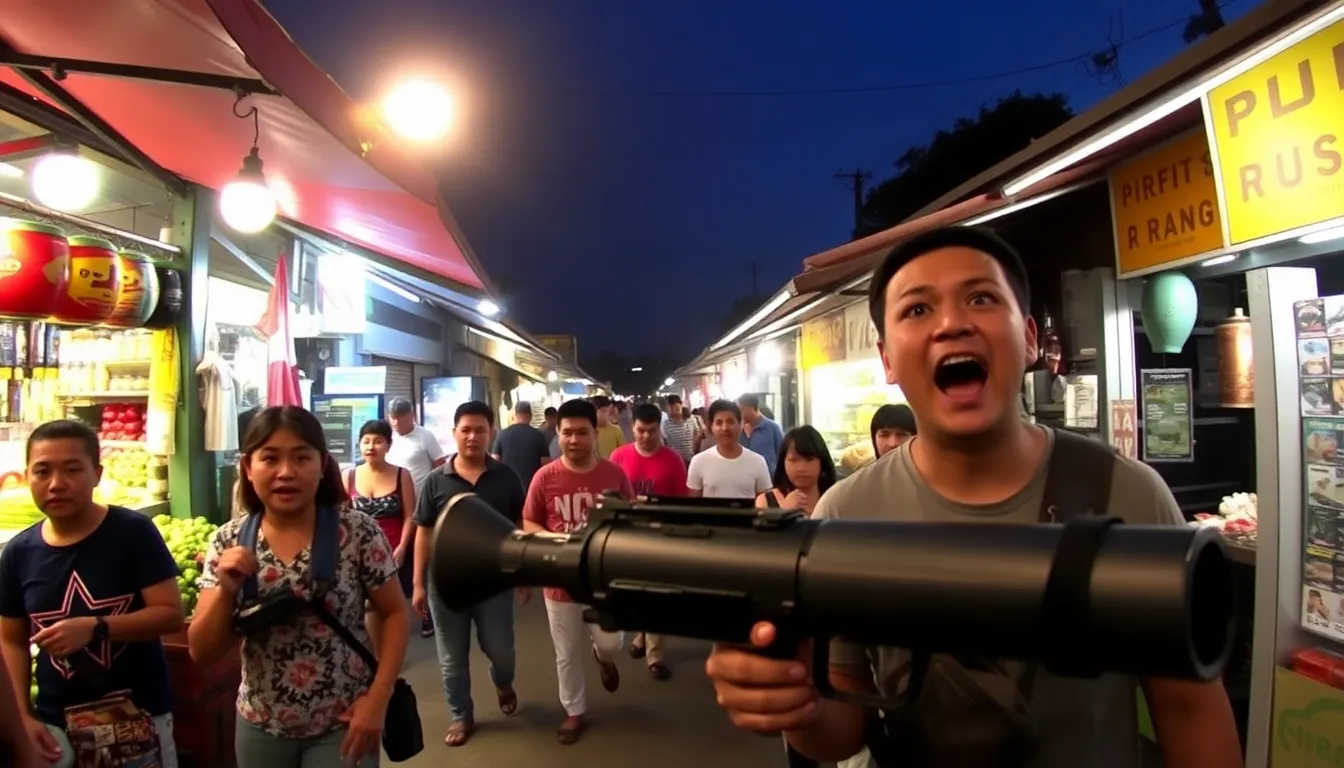
Mid-term effects could extend to local politics and governance. The incident may prompt a reevaluation of security protocols and policies regarding the protection of public officials. Additionally, it could catalyze discussions around crime prevention strategies and community engagement. Politically, this attack might create opportunities for reform-minded candidates to gain traction, as constituents demand more effective governance and safety measures.
While the risks are evident, there are also potential opportunities that may arise from this crisis. For instance, community organizations might mobilize to advocate for stronger safety measures and engage in dialogues with local government. Moreover, businesses specializing in security services could see an uptick in demand as local governments and private entities seek to bolster their defenses.
- Increased security measures impacting daily routines.
- Potential decline in local business revenues.
- Political shifts and calls for reform in governance.
- Opportunities for community engagement and advocacy.
- Growth in the security industry as a response to heightened concerns.
A: The mayor was targeted in a rocket launcher attack while in a public area, and the incident was captured on CCTV, highlighting the severity of the situation. A: This attack underscores the growing violence in the Philippines, particularly against public officials, raising concerns about safety and governance. A: Local authorities have condemned the attack and are investigating the incident to ensure justice and improve security measures. A: The community is in shock and fear, with many expressing concerns about their safety and the implications for local leadership.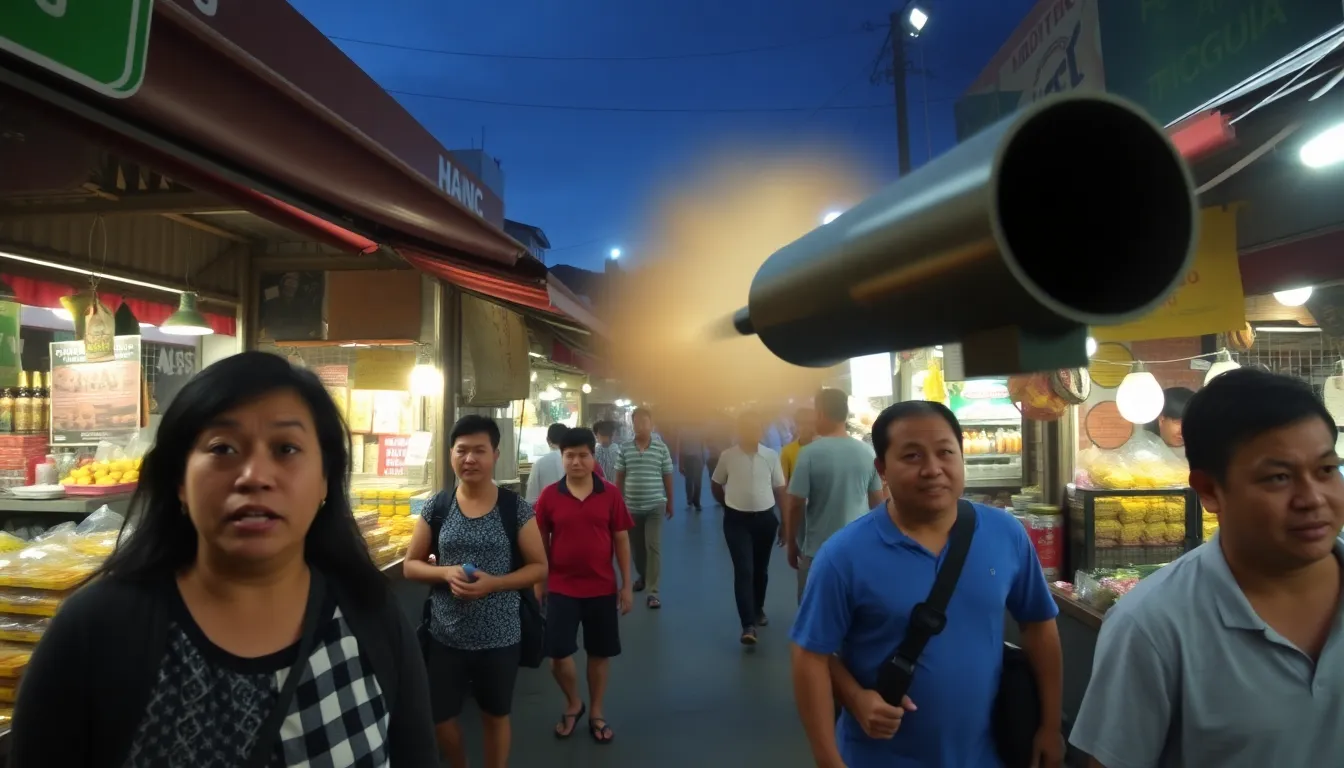
Frequently asked questions about the incident
Key takeaways and future outlook on political safety
The recent rocket launcher attack on a mayor in the Philippines underscores the escalating risks faced by political figures in the region. This incident not only highlights the challenges of maintaining political safety but also raises questions about the effectiveness of current security measures in place. As local authorities investigate the motives behind the attack, it is imperative to consider the broader implications for governance and public safety.
Moving forward, stakeholders must remain vigilant and proactive in addressing the underlying issues that contribute to such violence. The potential for increased political instability could affect not only local governance but also the broader socio-economic landscape in the Philippines.
- Increased security measures: Expect local governments to enhance security protocols for public officials to prevent similar incidents in the future.
- Political ramifications: This attack may lead to shifts in political alliances and influence, as leaders reassess their positions and strategies.
- Public perception: The safety of political figures can significantly impact public trust in governance, potentially leading to increased civic engagement or apathy.
- International attention: Such violent acts are likely to attract scrutiny from international observers, which could influence foreign relations and aid.
- Community response: Local communities may rally in support of affected leaders, which could either strengthen or polarize political affiliations.