


Key players in this landscape include major tech companies like Baidu, Alibaba, and Tencent, which are rapidly developing AI applications across various sectors, including healthcare, finance, and autonomous vehicles. For example, Baidu’s Apollo project has made significant strides in self-driving technology, showcasing the country’s ambition to lead in smart transportation solutions.
Internationally, China’s AI advancements are drawing attention and concern, particularly from the United States and European nations. In response, the U.S. has implemented measures to restrict the export of advanced semiconductor technology to China, highlighting the geopolitical implications of the AI race. These restrictions could impact China’s ability to access cutting-edge technology crucial for AI development.
Moreover, China’s regulatory environment is evolving to support AI innovation while addressing ethical concerns. The introduction of guidelines for AI use in 2022 has set the stage for a framework that balances growth with accountability. This regulatory approach is being closely watched by global stakeholders as they assess the implications of China’s AI trajectory.
Understanding the historical context of China’s AI ambitions
China’s journey towards becoming a global leader in artificial intelligence (AI) has deep roots in its economic reforms and technological advancements that began in the late 20th century. The shift from a centrally planned economy to a more market-oriented approach in the 1980s set the stage for rapid industrial growth and technological innovation. As the country embraced globalization, it recognized the importance of investing in cutting-edge technologies, including AI, to enhance its economic competitiveness.
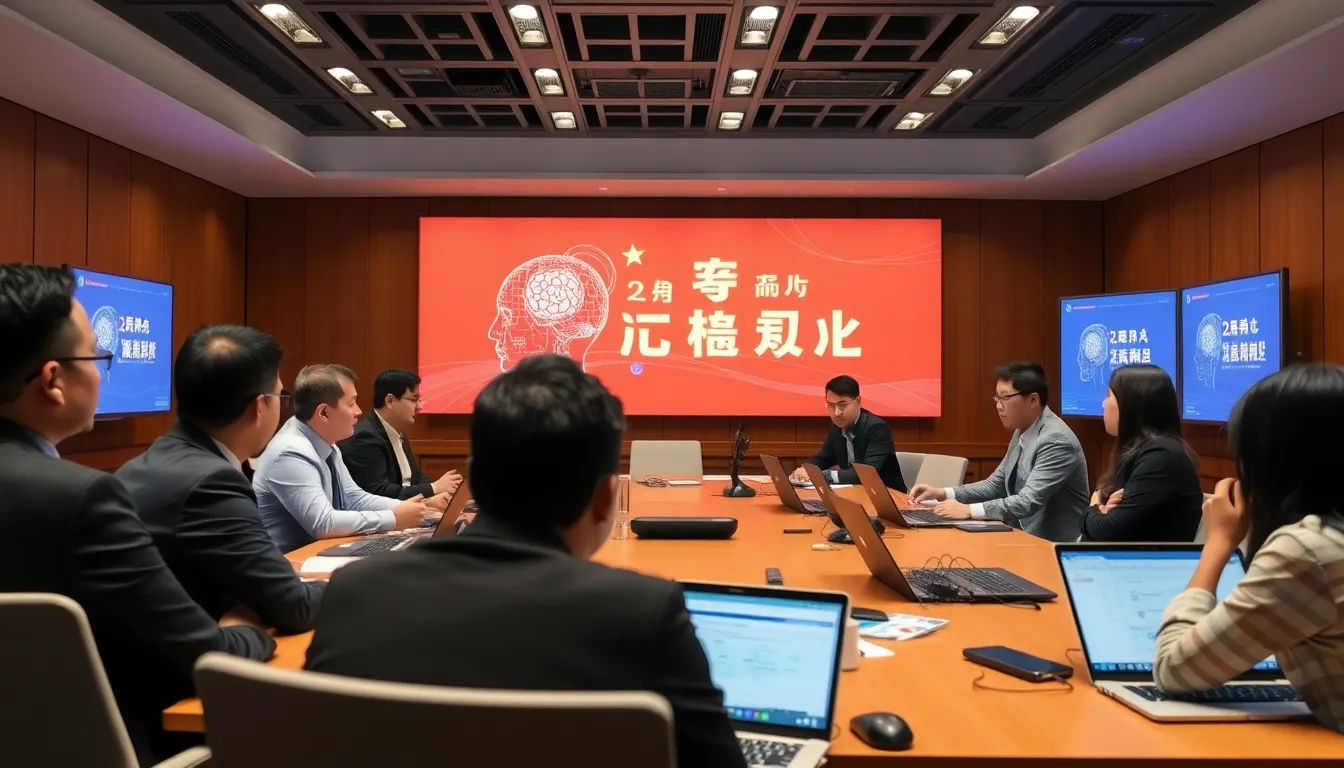
In 2017, the Chinese government unveiled its ambitious “New Generation Artificial Intelligence Development Plan,” which aimed to make China the world leader in AI by 2030. This strategic initiative not only outlined specific goals for AI development but also emphasized the importance of fostering innovation through government support, funding, and collaboration with private enterprises. The plan marked a significant turning point, as it galvanized both public and private sectors to prioritize AI research and development.
Key Milestones in China’s AI Development
Several milestones have defined China’s AI trajectory over the past decade. The establishment of numerous AI research institutes, such as the Institute of Automation at the Chinese Academy of Sciences, has produced groundbreaking research and technological advancements. Additionally, companies like Baidu, Alibaba, and Tencent have heavily invested in AI capabilities, leading to significant breakthroughs in machine learning, natural language processing, and computer vision.
Moreover, the Chinese government’s focus on data availability has played a crucial role in its AI success. With a vast population and a wealth of digital data generated daily, China has a unique advantage in training AI systems. This data-driven approach, coupled with substantial public and private investment, has accelerated the development and deployment of AI technologies across various sectors, including healthcare, finance, and transportation.
As geopolitical tensions rise, particularly with the United States, China’s AI ambitions have also become a matter of national security. The competition for technological supremacy has prompted the Chinese government to prioritize AI as a strategic asset, further solidifying its commitment to achieving its ambitious goals. This context underscores the significance of understanding China’s AI race not just as a technological endeavor, but as a multifaceted issue intertwined with historical, political, and economic factors.
Key stakeholders and competitive issues in the AI sector
The race for artificial intelligence supremacy involves a complex web of stakeholders, each with distinct interests and motivations. At the forefront are major technology companies such as Google, Microsoft, and Alibaba, which are investing heavily in AI research and development. These corporations aim to harness AI for competitive advantage, driving innovation and capturing market share in various sectors, from healthcare to finance.

Governments also play a crucial role in the AI landscape. The United States and China are the primary players, each seeking to establish leadership in AI technology. The U.S. government is focused on maintaining its technological edge while addressing ethical concerns and national security implications. Conversely, the Chinese government views AI as a strategic priority, integrating it into its national development plans to enhance economic growth and global influence.
Moreover, international organizations and regulatory bodies are increasingly involved in shaping the AI discourse. Issues surrounding data privacy, intellectual property rights, and ethical AI usage are at the forefront of discussions. These organizations aim to create frameworks that balance innovation with public safety and ethical considerations.
- Competition between the U.S. and China: Both nations are investing billions in AI, leading to a race that could redefine global technological leadership.
- Ethical considerations: The rapid advancement of AI raises questions about bias, accountability, and the potential for misuse, prompting calls for regulatory measures.
- Intellectual property disputes: As companies innovate, the protection of AI-related patents and technologies becomes a contentious issue, leading to potential conflicts.
- Data privacy regulations: With AI systems relying heavily on data, differing approaches to data privacy in various regions can create friction and complicate compliance.
- Global collaboration vs. competition: While nations strive for dominance, there is also a push for international cooperation to address shared challenges in AI development.
As these stakeholders navigate the complex landscape of AI, the interplay of competition, collaboration, and regulation will significantly shape the future of this transformative technology. Understanding these dynamics is essential for grasping the broader implications of the AI race on global economies and societies.
The impact of China’s AI advancements on global markets
China’s rapid advancements in artificial intelligence are reshaping various sectors and affecting multiple stakeholders worldwide. Key industries such as technology, manufacturing, and finance are experiencing significant transformations as Chinese companies leverage AI to enhance efficiency and productivity. Additionally, regions heavily reliant on traditional industries may face challenges as AI-driven automation alters job landscapes.
In the short term, businesses across the globe must adapt to the competitive pressures posed by Chinese AI innovations. Companies in the West may find themselves racing to catch up, investing heavily in their own AI research and development. This could lead to a surge in tech investments and a shift in market dynamics, as firms scramble to integrate AI solutions into their operations.

In the mid-term, the implications of China’s AI race may extend to policy-making and regulatory frameworks. Governments may need to reassess their strategies regarding data privacy, cybersecurity, and ethical AI use. As AI technologies become more pervasive, the potential for misuse or unintended consequences will necessitate a robust regulatory response to ensure public trust and safety.
- Job Displacement: Traditional roles in various sectors could be at risk due to automation.
- Investment Shifts: Increased funding towards AI research and development in response to competition.
- Regulatory Changes: Governments may implement new policies to address AI-related challenges.
- Global Partnerships: Opportunities for collaboration may arise as countries seek to share knowledge and resources.
While risks abound, there are also opportunities for innovation and growth. Companies that successfully integrate AI can streamline operations, reduce costs, and enhance customer experiences. Moreover, nations that invest in AI education and infrastructure may position themselves as leaders in the digital economy, fostering a new era of economic development.
A: China’s success in AI can be attributed to significant government investment, a vast amount of data, and a large pool of talent. These elements create an environment conducive to rapid advancements in technology. A: China’s AI strategy is heavily state-driven, focusing on long-term goals and national security, while the U.S. approach is more decentralized, relying on private sector innovation and competition. A: The advancements in AI by China could shift the balance of power, raising concerns about security and ethical implications in AI applications, especially in military and surveillance technologies. A: While other countries can make strides in AI, catching up to China’s current momentum will require substantial investment, collaboration, and strategic planning in research and development. A: Data is crucial for training AI models, and China’s access to vast amounts of data from its population and industries gives it a significant advantage in developing effective AI technologies.
Frequently asked questions about China’s AI race
Key takeaways and future outlook on AI in China
China’s advancements in artificial intelligence are not merely a reflection of technological growth but also a strategic maneuver that could reshape global dynamics. As the country invests heavily in AI research and development, the implications extend beyond economic competitiveness to influence geopolitical relationships and societal structures.
Monitoring China’s AI trajectory is essential, as it may set new standards in innovation and regulation. The interplay between state support and private sector innovation will be pivotal in determining how quickly and effectively China can harness AI for various applications, from healthcare to national security.
- Investment Trends: Watch for continued increases in funding for AI startups and research initiatives, signaling China’s commitment to leading the field.
- Global Collaboration: Observe potential partnerships between Chinese tech firms and international organizations, which may enhance technological exchange and innovation.
- Regulatory Frameworks: Pay attention to the development of AI regulations in China, as they could influence global standards and practices.
- Ethical Considerations: Consider the ethical implications of AI deployment in China, particularly regarding surveillance and privacy, which may set precedents for other nations.
- Competitive Landscape: Keep an eye on how China’s advancements challenge the dominance of Western tech companies and reshape the competitive landscape in AI.