


In 2023, the United Nations released a report stating that one million species are currently at risk of extinction, primarily due to human activities such as deforestation, pollution, and climate change. This loss of biodiversity threatens not only the environment but also the stability of nations, as countries grapple with the consequences of resource scarcity. For more insights on this issue, you can read about global water bankruptcy.
Moreover, the intelligence community warns that nature loss can create fertile ground for conflict. As natural resources become scarcer, competition over these resources may intensify, potentially leading to unrest and violence. The situation is particularly concerning in regions already facing political instability.
In light of these findings, governments are urged to integrate environmental considerations into their national security strategies. By recognizing the interconnectedness of ecological health and global stability, policymakers can better address the challenges posed by nature loss and work towards sustainable solutions.
Understanding the relationship between environmental health and security
The intersection of environmental health and national security has gained increasing attention in recent years, as experts warn that the degradation of natural ecosystems poses significant risks to global stability. Historically, the relationship between a nation’s environmental policies and its security has been overlooked, but recent studies have highlighted how climate change, biodiversity loss, and resource depletion can exacerbate tensions and lead to conflict.
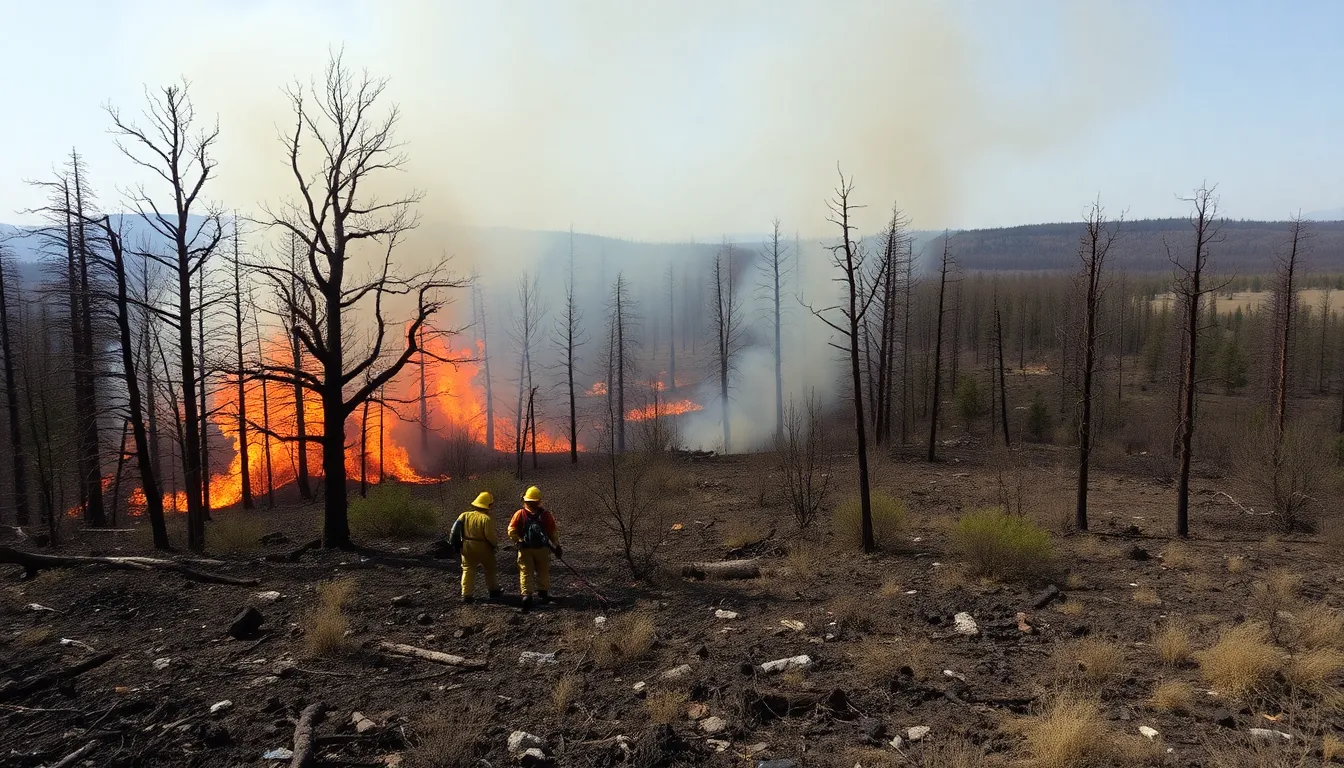
One of the key milestones in recognizing this connection was the release of the United Nations’ 2015 report, “Global Trends 2030: Alternative Worlds,” which emphasized that environmental factors would play a crucial role in shaping future global security dynamics. This report underscored that scarcity of resources, such as water and arable land, could lead to increased competition among nations and fuel existing geopolitical tensions.
Politically, the framing of environmental issues as security threats has evolved. In the early 2000s, the concept of “environmental security” began to emerge, with governments and organizations acknowledging that environmental degradation could lead to humanitarian crises, mass migrations, and even armed conflict. This shift was reflected in various international agreements, including the Paris Agreement, which aimed to address climate change as a global security concern.
Economic Implications of Nature Loss
The economic ramifications of nature loss further complicate the security landscape. As ecosystems deteriorate, the economic stability of nations can be threatened, particularly in regions heavily reliant on natural resources for their livelihoods. The 2020 Global Biodiversity Outlook report warned that biodiversity loss could lead to a decline in agricultural productivity, increased food insecurity, and heightened poverty levels, all of which can destabilize societies and contribute to conflict. This connection is also explored in an article about Davos and environmental protection.
In summary, the historical neglect of the relationship between environmental health and national security is giving way to a more nuanced understanding of how these factors are interconnected. As intelligence groups continue to warn of the risks associated with nature loss, it is imperative for policymakers to integrate environmental considerations into national security strategies to mitigate potential conflicts arising from ecological degradation.
Key stakeholders and critical issues surrounding nature loss
The warning from intelligence agencies that nature loss poses a national security risk highlights a complex interplay of stakeholders and interests. Key actors in this scenario include governments, environmental organizations, businesses, and local communities, each with distinct priorities and concerns regarding the degradation of natural ecosystems. To understand more about the historical context, you may find it interesting to explore the podcast connecting JFK and Khrushchev’s families, which touches on broader themes of global relationships.
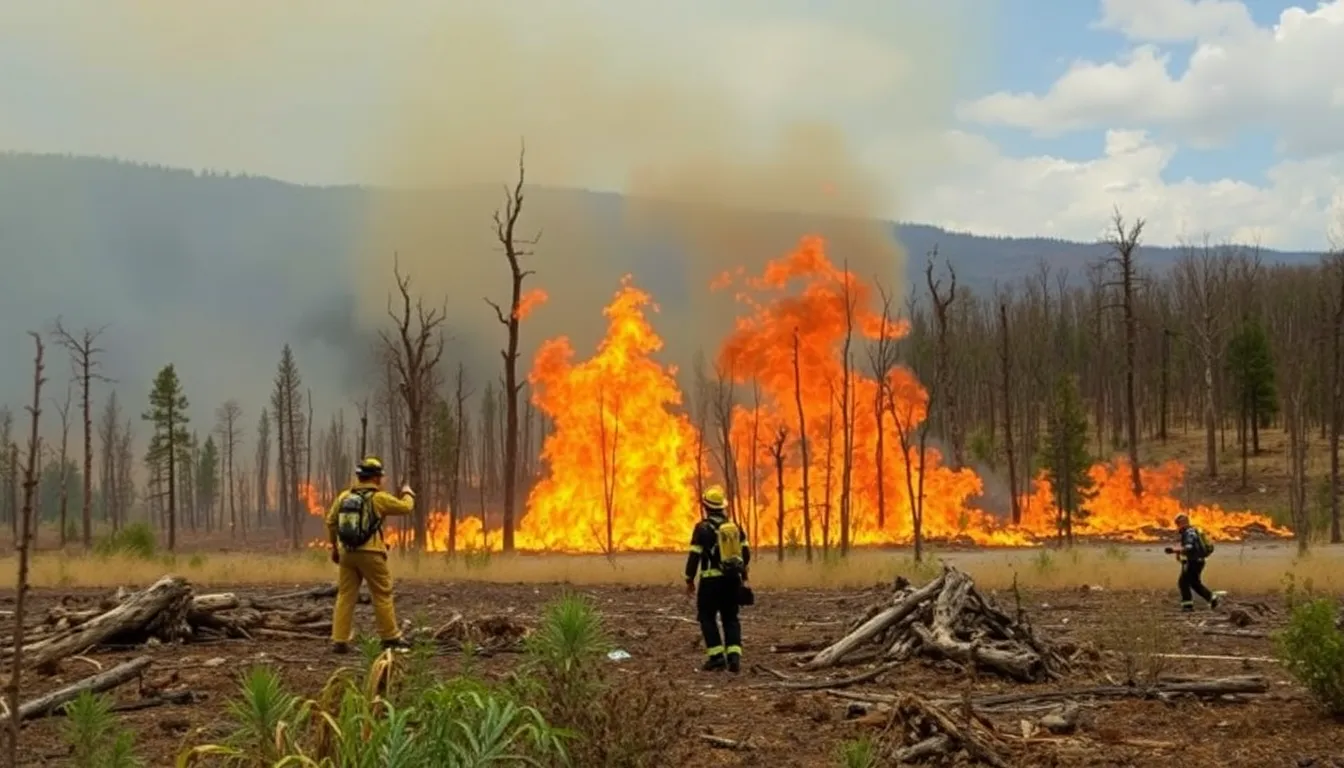
Governments at various levels are primarily focused on national security, economic stability, and public health. They are tasked with creating policies that balance environmental protection with economic growth. This often leads to conflicts between development projects and conservation efforts, as immediate economic benefits can overshadow long-term ecological considerations.
Environmental organizations advocate for the protection of biodiversity and ecosystems, emphasizing the importance of healthy natural environments for sustaining life and mitigating climate change. Their interests may clash with those of industries like agriculture, forestry, and mining, which may prioritize resource extraction and economic gain over environmental sustainability.
- Trade-offs: The need for land for agriculture versus the preservation of natural habitats can lead to significant trade-offs, impacting both food security and biodiversity.
- Legal issues: Regulatory frameworks often lag behind the urgent need for environmental protection, leading to legal challenges and conflicts over land use and resource management.
- Economic implications: The cost of mitigating nature loss can be substantial, requiring investment in sustainable practices and technologies, which may be resisted by industries focused on short-term profits.
Local communities, particularly indigenous groups, often bear the brunt of environmental degradation. Their traditional knowledge and sustainable practices are crucial for biodiversity conservation, yet they frequently face marginalization in decision-making processes. Engaging these communities is essential for developing effective conservation strategies that align with both ecological and social needs.
The implications of nature loss on communities and economies
The warning from intelligence groups regarding nature loss highlights the widespread impact on various sectors and populations. Communities that rely heavily on natural resources, such as agriculture, fishing, and tourism, are particularly vulnerable. Regions that depend on biodiversity for ecosystem services face immediate threats, which can disrupt local economies and livelihoods.
In the short term, the effects of nature loss may manifest as reduced agricultural yields, increased food prices, and diminished access to clean water. Industries such as fishing may experience declining fish stocks, leading to economic strain on coastal communities. Additionally, tourism-dependent areas may see a decline in visitors if natural attractions are compromised, affecting local businesses.
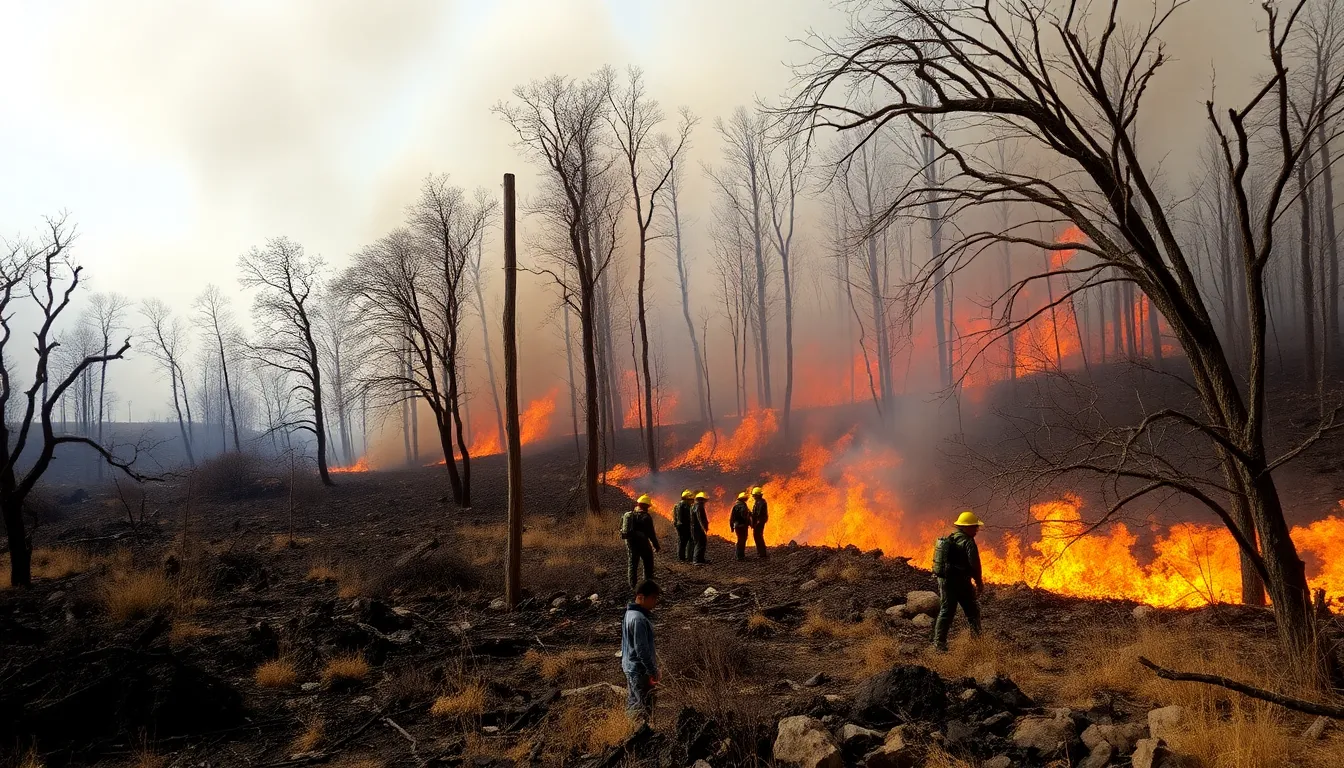
Mid-term impacts could include shifts in policy as governments respond to these challenges. We may witness increased regulation aimed at protecting natural resources, which could impose costs on businesses but also create opportunities for innovation in sustainable practices. For instance, companies may invest in eco-friendly technologies or practices to comply with new regulations, potentially leading to job creation in green sectors.
- Increased food insecurity due to declining agricultural productivity.
- Economic strain on communities reliant on fishing and tourism.
- Policy shifts towards sustainability and environmental protection.
- Opportunities for innovation in green technologies and practices.
Ultimately, while the risks associated with nature loss are significant, they also present a chance for communities and industries to adapt and innovate. By embracing sustainable practices, there is potential for economic resilience and the creation of new markets focused on environmental stewardship.
A: The report emphasizes that the degradation of natural ecosystems directly threatens national security by exacerbating conflicts over resources and increasing vulnerability to disasters. A: Nature loss can lead to resource scarcity, which may trigger conflicts, disrupt economies, and challenge government stability, making it a pressing security issue. A: Governments are encouraged to implement policies focused on conservation, sustainable resource management, and international cooperation to address the root causes of nature loss. A: Key stakeholders include government agencies, environmental organizations, community leaders, and international bodies that work towards environmental protection and security. A: Yes, there is a growing recognition of the link between environmental health and security on a global scale, prompting international discussions and initiatives aimed at addressing nature loss.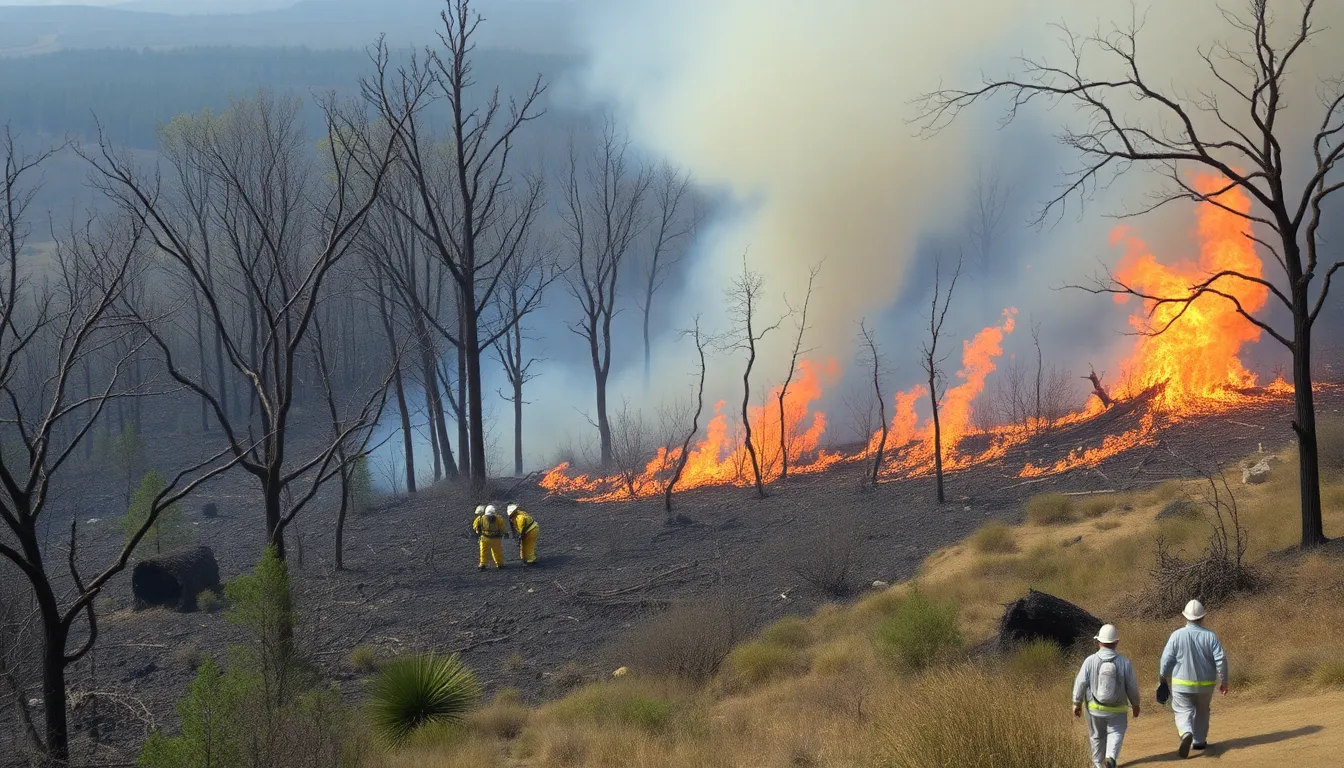
Frequently asked questions about nature loss and national security
Key takeaways and future outlook on environmental security
The warning from intelligence agencies regarding nature loss highlights a critical intersection between environmental degradation and national security. As ecosystems continue to decline, the implications extend beyond biodiversity; they threaten food security, water resources, and social stability. Policymakers must recognize that safeguarding natural resources is not merely an environmental issue but a fundamental component of national security strategy.
Moving forward, it is essential to monitor the evolving landscape of environmental threats and their potential to exacerbate geopolitical tensions. The integration of environmental considerations into security assessments will be crucial for fostering resilience and ensuring sustainable development.
- Increased collaboration between environmental scientists and national security experts will be vital for developing comprehensive strategies.
- Investing in sustainable practices could mitigate risks associated with resource scarcity and climate change.
- Monitoring biodiversity loss should become a priority in intelligence assessments to preemptively address potential conflicts.
- Public awareness campaigns can play a crucial role in fostering a culture of environmental stewardship linked to national interests.
- International cooperation on environmental issues will be essential to address transboundary challenges and promote global stability.